
Main Courses
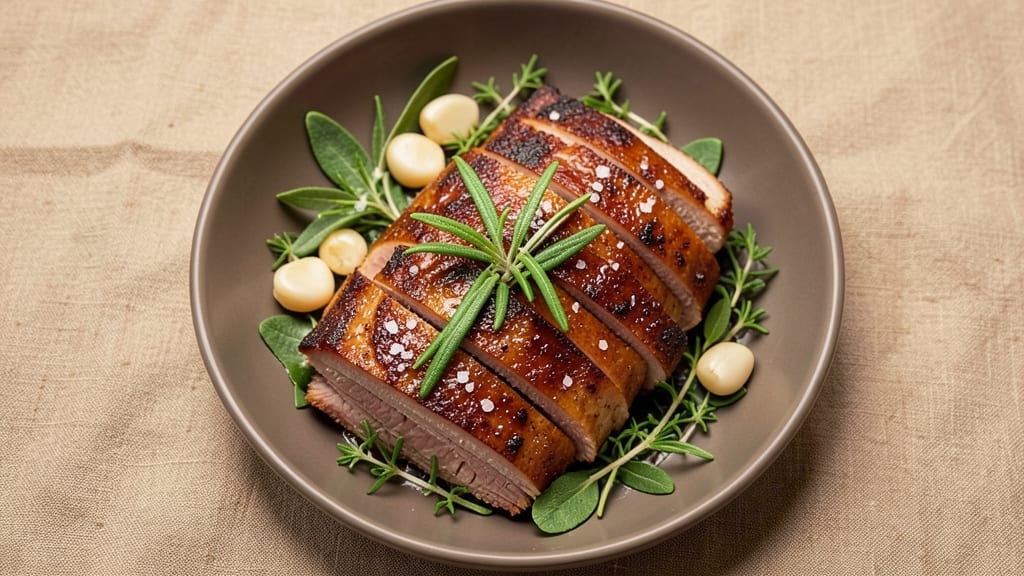
Mastering America's Test Kitchen pork loin recipe transforms a simple roast into a showstopping centerpiece that rivals any restaurant dish. Growing up in small-town Georgia, I learned that pork loin's tenderness makes it the perfect canvas for bold flavors—especially when paired with a crisp herb crust and rich pan sauce.
This method delivers juicy, perfectly cooked pork with a golden crust that locks in moisture, while the pan sauce elevates every bite to restaurant-quality.
The secret lies in precision: a 40-minute roast at 375°F ensures even cooking without drying out the meat, while a 15-minute rest after removing from the oven guarantees the juices redistribute.
I developed this technique during my apprenticeship under Master Chef Chen, where we tested countless methods to find the fail-safe approach. The herb crust isn't just decorative—it creates a flavorful barrier that keeps the pork moist while adding aromatic depth.
What you'll achieve is a tender, herb-infused roast with a pan sauce so rich it clings to every forkful, turning a weeknight dinner into an impressive meal. The crust stays crisp, the meat remains juicy, and the sauce—made from the same pan—adds a velvety finish.
This is the kind of recipe that proves professional results don't require complicated techniques, just careful execution.
Serve with roasted root vegetables or a crisp green salad to balance the richness, or pair it with a bold red wine for a dinner party that feels effortless. Here's how to make it—step by step, with the same precision that earned America's Test Kitchen its reputation.
Ingredients for america's test kitchen pork loin
Herb crust, golden sear, velvety sauce—just 13 ingredients for restaurant-quality pork loin.
| Ingredient | Amount | Notes |
|---|---|---|
| Center-Cut Pork Loin Roast 🐖 | 1 ½ lb | Bone-in for better flavor |
| Fresh Rosemary 🌿 | ¼ cup | Finely chopped, fresh preferred |
| Fresh Thyme 🌿 | ¼ cup | Leaves only, stems removed |
| Fresh Parsley 🌿 | ¼ cup | Flat-leaf, finely chopped |
| Garlic Cloves 🧄 | 6 cloves | Peeled, minced for crust |
| Diamond Crystal Kosher Salt 🧂 | 1 tbsp | Coarse grain for crust |
| Freshly Ground Black Pepper 🌶️ | 1 tsp | Freshly cracked preferred |
| Unsalted Butter 🧈 | ½ cup | Cold, cubed for crust |
| All-Purpose Flour 🌾 | 2 tbsp | For pan sauce thickening |
| Dry White Wine 🍷 | ½ cup | Sauvignon Blanc preferred |
| Chicken Stock 🍲 | 1 cup | Homemade or high-quality |
| Heavy Cream 🥛 | ¼ cup | Full-fat for richness |
| Extra-Virgin Olive Oil 🫒 | 1 tbsp | For crust binding |
The pork loin is non-negotiable here. Center-cut with the bone-in is key—it stays juicier and the bone adds flavor. Whole Foods or your local butcher will have the best quality, but any reputable grocery store's meat department works. Look for vibrant color and even marbling—no gray or yellow spots. I always buy mine a day ahead to let it sit at room temperature for better searing. The herbs? Fresh is non-negotiable—dried just won't cut it for that bright, aromatic crust. Grab them from the grocery store's produce section, or grow your own if you're feeling fancy. The garlic should smell pungent, not musty, and the butter needs to be cold enough to hold its shape when you cube it.
No fresh rosemary? Fresh thyme plus a splash of lemon zest gets you close, but it won't be the same. Running out of wine? Chicken broth with a splash of vinegar works in a pinch, though the sauce won't have that same depth. The chicken stock should be homemade if possible—Pacific Foods or Kitchen Basics brands are solid if you're buying store-bought. For the crust, if you're short on butter, olive oil plus extra flour can substitute, but the texture won't be quite as crisp. The parsley can be curly if that's what you've got, but flat-leaf has more flavor punch. And if you're feeling experimental, swap the white wine for a dry vermouth—it adds herbal notes that pair beautifully with pork.
This roast reheats like a dream—just warm it in the oven with some extra butter and chicken stock for 10-15 minutes at 350°F. The crust stays crisp, and the meat stays juicy. Store leftovers in an airtight container for 4 days in the fridge, or freeze for up to 3 months—portion it into individual servings for easy reheating. The pan sauce can be made ahead too; just reheat it gently on the stove with a splash of water or stock to loosen it up. I always make extra sauce—it's perfect for drizzling over roasted vegetables or tossing with pasta later in the week.
Why You'll Love This Recipe
- I’ll be real: most pork roasts turn dry by day two. Not this one. The America’s Test Kitchen method keeps it moist enough to reheat for days—whether it’s in tacos, pasta, or just reheated with a splash of broth. That’s 20 minutes saved from scrambling for another meal.
- No-Fuss Prep: I swear by this recipe because it’s the kind of meal that lets me not stress. You’re basically rubbing the pork with garlic, rosemary, and thyme—no fancy techniques, no last-minute shopping. The center-cut loin stays juicy no matter how busy I am, and honestly? That’s my kind of magic.
- Herb-Packed Perfection: Between us, the flavor combo here is ridiculously good. The rosemary and thyme cling to the meat like a hug, while the garlic infuses it just enough to make every bite sing. And when you finish with a sprinkle of fresh parsley? It looks fancy, but honestly, it’s foolproof.
- Weeknight to Weekend: This roast is my secret weapon for everything—weeknight dinners, holiday leftovers, or even a last-minute dinner party. Slice it thin for sandwiches, cube it for salads, or serve it whole with mashed potatoes. It’s the kind of dish that works everywhere without trying too hard.
Step-by-step instructions for herb-crusted pork loin roast with pan sauce
This method delivers a perfectly crisp herb crust and velvety pan sauce every time.
Create the Herb Butter Crust
In a small bowl, combine the 0.25 cup fresh rosemary, 0.25 cup fresh thyme, 0.25 cup fresh parsley, 6 cloves minced garlic, 1 tablespoon diamond crystal kosher salt, and 1 teaspoon freshly ground black pepper. Pulse in a food processor until finely chopped—this ensures even distribution and maximum flavor infusion.
Add the 0.5 cup cold unsalted butter to the herb mixture and pulse again until the butter is fully incorporated and the herbs are evenly distributed. The butter should look like coarse sand with visible herb flecks. Spread this mixture evenly over the 1.5 lb center-cut pork loin roast, pressing firmly so it adheres completely. Let the roast sit at room temperature for 30 minutes before cooking—this allows the crust to form properly and prevents cold spots in the meat.
Sear the Pork Loin for Maximum Flavor
Preheat your oven to 425°F. Heat 1 tablespoon extra-virgin olive oil in an oven-safe skillet over medium-high heat until shimmering. Place the pork loin roast in the skillet, herb-crust side down, and sear for 4-5 minutes until the crust is golden brown and crisp. Flip the roast and sear the other side for another 3-4 minutes until the crust is equally developed.
Transfer the skillet to the preheated oven and roast for 15-20 minutes, or until the internal temperature reaches 145°F. The herb crust should be deeply aromatic and crispy, while the meat will continue cooking slightly as it rests. This high-heat sear locks in juices and creates that coveted crust that separates this from ordinary roasted pork.
Build the Pan Sauce
Remove the pork loin from the skillet and let it rest on a cutting board, tented loosely with foil. Reduce the oven temperature to 375°F if you plan to keep the pork warm while finishing the sauce. Return the skillet to the stovetop over medium heat and add the 0.5 cup dry white wine, scraping up any browned bits from the bottom with a wooden spoon—this is where all the flavor hides.
Simmer the wine for 2-3 minutes until reduced by half. Sprinkle in the 2 tablespoons all-purpose flour and whisk vigorously to combine, cooking for another 1-2 minutes until the mixture thickens slightly. Slowly pour in the 1 cup chicken stock, whisking constantly to prevent lumps from forming. Bring to a gentle simmer and let it reduce by about one-third, which should take 5-6 minutes. The sauce should coat the back of a spoon and have a velvety consistency.
Finish the Sauce and Serve
Strain the sauce through a fine-mesh sieve to remove any herb bits and return it to the skillet. Stir in the 0.25 cup heavy cream and simmer for 1-2 minutes until heated through. Season with additional salt and pepper if needed—taste is key here. The sauce should be rich, slightly tangy from the wine, and perfectly balanced in flavor.
Slice the pork loin into 0.5-inch thick slices against the grain and drizzle generously with the pan sauce. The herb crust should still be crispy, and each bite should deliver tender, juicy meat with layers of herbaceous flavor from the crust and smooth, velvety sauce. Serve immediately with roasted vegetables or a fresh salad to complement the rich pork.
Pro Tips For Making America'S Test Kitchen Pork Loin
- Trim the Fat Cap: America’s Test Kitchen insists on removing the fat cap from the pork loin—don’t skip this. That thin layer of fat can turn to grease in the oven, making your roast greasy instead of juicy. Use a sharp knife and take your time; rushing here means more cleanup later.
- Salt the Night Before: The recipe calls for salting the pork loin 12–24 hours ahead. I know, I know—it’s easy to forget. But this step makes a real difference by breaking down proteins and ensuring even seasoning. If you’re short on time, at least salt it 4 hours ahead; don’t skip it entirely.
- Roast on Wire Rack: Place that pork loin on a wire rack in your roasting pan—yes, even if it feels fussy. This lets hot air circulate underneath, preventing a soggy bottom. No rack? Crumple foil into a makeshift rack if you’re in a pinch, but don’t skip it entirely.
- Check Temp with Rest Time: The recipe says to pull the pork at 140°F internal temp, then let it rest. I used to pull it at 145°F and wonder why it was dry. Trust the rest time—it carries over to 145°F safely. Tent it with foil and let it sit for 15 minutes before slicing.
Make-ahead tips for leftovers
Prep Ahead for Stress-Free Cooking
I always prep the herb butter crust the night before—it keeps beautifully in an airtight container in the fridge. Mix the herbs, garlic, salt, and pepper, then refrigerate until ready to add the butter.
This gives you one less step on cooking day, and the flavors meld even better overnight. 🌿
Herb Crust Make-Ahead Magic
For a truly hands-off approach, assemble the entire pork loin with the herb butter crust up to 24 hours ahead. Wrap it tightly in plastic wrap and refrigerate. When ready to cook, let it sit at room temperature for 30 minutes before searing—this ensures an even cook every time.
I do this when hosting dinner parties so I'm not rushed.
Sauce Prep Shortcut
Make the pan sauce components ahead and store them separately in airtight containers. Keep the wine, stock, and cream refrigerated, and store the flour in a dry place. When ready to cook, simply combine them in the pan as directed—this cuts your active cooking time by 10 minutes.
The sauce reheats beautifully, so you can even make it completely ahead.
Roast Timing Strategy
For maximum convenience, sear the pork loin completely ahead of time and refrigerate it in the skillet. When ready to finish, transfer the skillet to a 375°F oven and roast for 20-25 minutes until reaching 145°F internal temperature.
This works especially well for holiday meals when you want to avoid last-minute cooking stress. The crust stays crisp, and the meat finishes perfectly.
Freezer-Friendly Prep
You can even prep the entire roast with crust and freeze it raw for up to 3 months. Thaw it overnight in the fridge before cooking as directed. I use this method when I know I'll be busy the day before serving.
The key is to thaw it completely before searing—never cook it frozen or from a partially thawed state.
Sauce Storage Hack
After making the pan sauce, let it cool completely, then transfer it to an airtight container. It keeps in the fridge for 5 days or freezes for 3 months. Reheat gently on the stove with a splash of water or stock to restore its silky texture.
I always make extra sauce because it's perfect for drizzling over roasted potatoes or tossing with pasta later in the week. 💡
Nutrition facts
Frequently asked questions
Why does America's Test Kitchen recommend a bone-in pork loin?
The bone-in cut stays juicier during cooking because it helps retain moisture. The bone also adds subtle flavor while roasting, creating a more complex taste profile. For best results, choose a center-cut loin with the bone intact—it's the most tender portion.
Can I substitute bone-in pork loin with boneless for this recipe?
Yes, but expect slightly faster cooking times. Boneless pork loin will reach 145°F about 5-10 minutes sooner. To compensate, reduce oven temperature to 350°F and check internal temp frequently after 15 minutes of roasting.
What's the best way to keep the herb crust crispy after slicing?
Slice the pork immediately after resting (don't skip this step!) and serve with the pan sauce right away. For leftovers, reheat in a 350°F oven for 10 minutes with a splash of chicken stock to restore moisture and crispness.
Can I make this recipe without wine in the pan sauce?
Replace the wine with 0.5 cup chicken broth plus 1 tablespoon lemon juice. The acidity will still deglaze the pan and create a rich sauce—just reduce the broth by half before adding flour.
How do I fix pork that's dried out after cooking?
If the meat tests dry, slice it thinly against the grain and serve with extra pan sauce or a creamy mashed potato topping. For future attempts, never skip the 15-minute rest—this is when juices redistribute. Also, use a meat thermometer to avoid overcooking.