

What is on this site
This site collects recipes for pork dishes—traditional cuts, unexpected preparations, and the techniques that turn a simple ingredient into something extraordinary. Every recipe is built around the magic of the crust, the balance of flavors, and the moments when a dish feels like coming home.
The site is organised into four main parts: *Classic Cuts* for timeless methods, *Modern Twists* for reinvented favourites, *Technique Guides* for mastering skills, and *Beverage Pairings* for drinks that elevate the meal. The search tool filters by cooking method, time, and dietary needs.
| Where | What is there | Go here if |
|---|---|---|
| Classic Cuts | Roasts, ribs, and slow-cooked favourites | you want proven methods |
| Modern Twists | Reinvented dishes and fusion ideas | you’re experimenting with flavours |
| Technique Guides | Step-by-step methods for crisping, smoking, and more | you need to master a skill |
| Beverage Pairings | Wines, beers, and cocktails that match the dish | you’re planning a full meal |
How to read a page here
Every recipe page starts with a clear title, the total time needed, and the tools you’ll need. The ingredients list groups items by category (meat, aromatics, liquids) and includes notes on substitutions or special handling. Measurements are in both metric and imperial units, with conversions double-checked.
The method is written in short steps, numbered for clarity, and includes timing cues (e.g., ‘*30 minutes: let the meat rest*’) so you know when to shift focus. Photos appear mid-recipe to show critical moments—like when the crust should be golden or the internal temperature hits target.
Sidebars highlight pro tips or common mistakes.
Ignore the ‘Reader Notes’ at the bottom on a first read—those are crowd-sourced adjustments from other cooks. Focus on the bolded steps first, then revisit the details. If a technique feels unfamiliar, the linked *Technique Guides* explain it in depth.
When it does not work
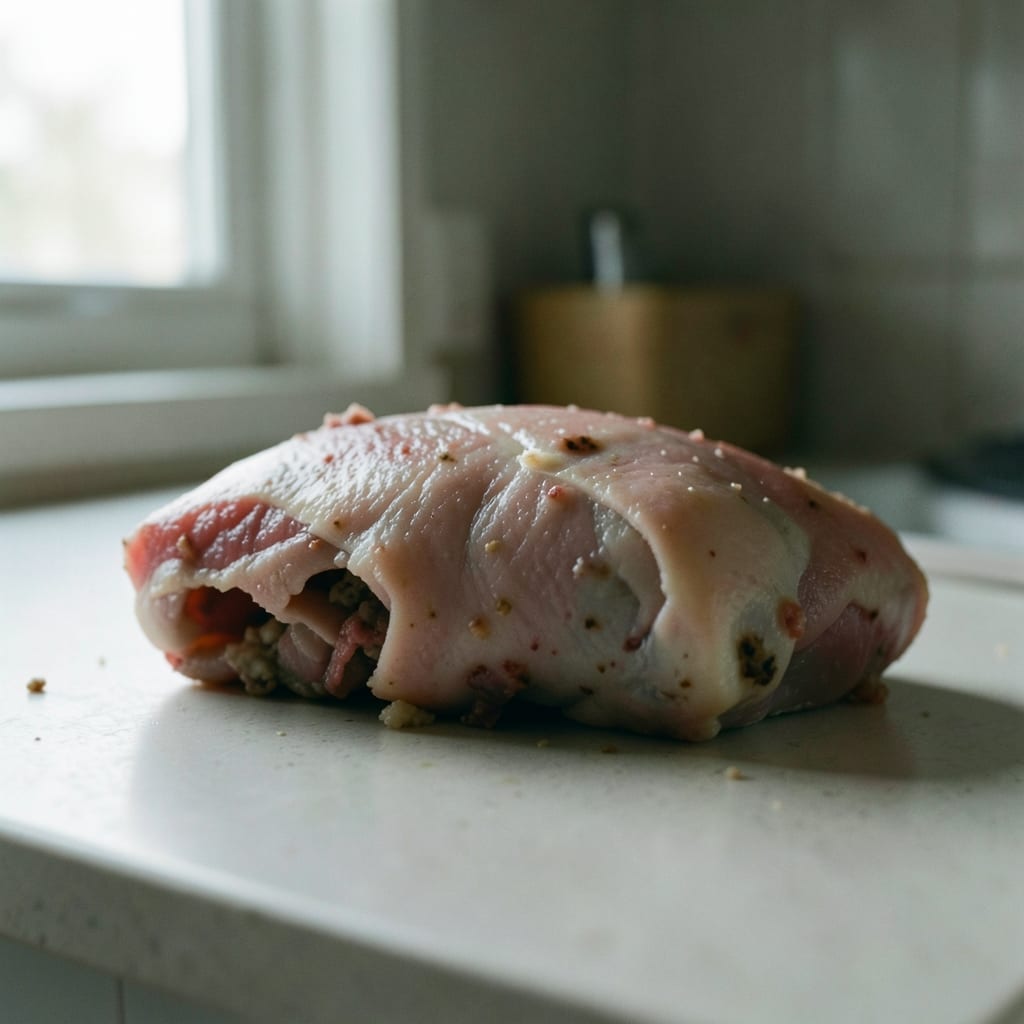
If a recipe fails, the issue is almost never the instructions. Ovens run hotter or colder than marked, humidity affects cooking times, and home kitchens lack professional tools. Before troubleshooting, check your equipment’s accuracy and adjust for your environment.
Before you give up
- Verify your oven temperature with an oven thermometer—many run 25°F (14°C) off.
- Account for altitude: add 5–8% liquid if above 3,000ft (900m) or reduce sugar by 7%.
- Use a meat thermometer for doneness, not guesswork—pork should hit 145°F (63°C) internally.
- Review the ‘Common Pitfalls’ section at the end of the recipe for red flags.
Who we are

This site is shaped by the hands and memories of one person:
| The colophon | |
|---|---|
| Written by | Franklin Ashworth, who turns family cookbooks into recipes that feel like home—whether they’re pulled from tradition or born from a happy accident in the kitchen. |
| Tested in | A 1978-era kitchen with a single burner that flickers, a cast-iron skillet older than the site, and an oven that still hums like it did in 1992. |
| Written with | A pencil for scribbling notes on recipe cards, a digital scale that’s seen better decades, and a notebook where every margin is dog-eared. |
| Learned from | A father who measured love in tablespoons and a grandmother who swore by ‘the way it smells’ as the first rule of cooking. |
| Still getting wrong | The art of crisping without burning—it’s a battle I lose more often than I admit. |
There’s something quiet and stubborn about a well-made pork dish: the way it holds its shape, the way the flavors linger. This site exists to pass that stubbornness on—one recipe, one crust, one crackle at a time.
If you need something that is not here
If you’re looking for a recipe that isn’t listed—maybe it’s a regional specialty, a dietary adaptation, or a method we haven’t covered—start by searching the *Technique Guides* for foundational skills. Many solutions are hidden in the ‘Reader Notes’ at the end of similar recipes.
For requests that don’t fit anywhere, the contact page is the place to suggest what’s missing.
The recipes are grouped by category: Appetizers, Beverages, Breakfast & Brunch, Desserts, Main Courses and Salads.