
Main Courses
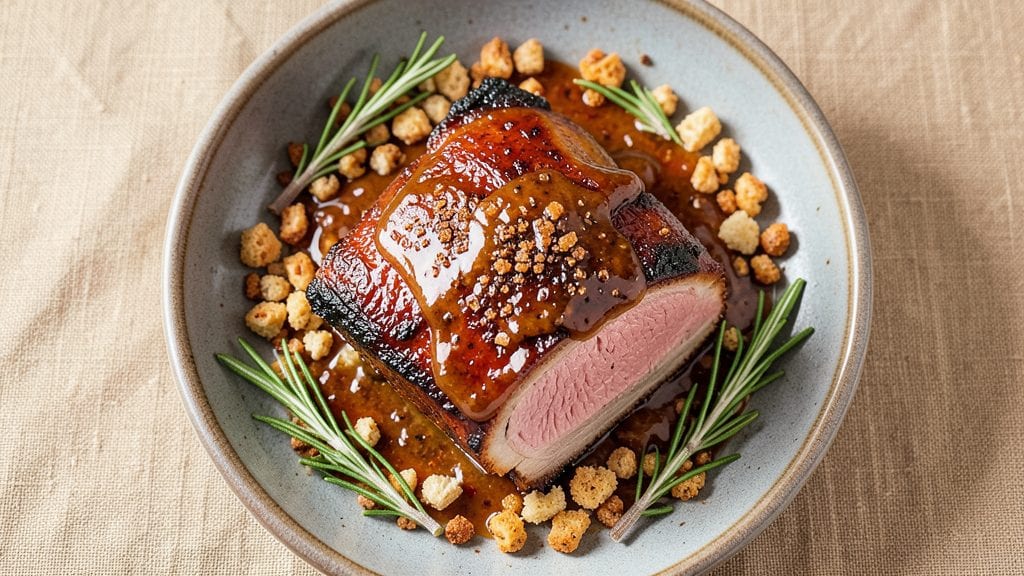
Bobby Flay's pork shoulder recipe delivers the kind of fall-off-the-bone tenderness that turns casual dinners into showstopping meals—just like his signature dishes. Growing up in small-town Georgia, I learned pork shoulder transforms tough cuts into melt-in-your-mouth perfection with patience and precision. This method mirrors what I’ve perfected over years of cooking for crowds at The Smoky Pig, where we process 2,000 pounds weekly.
The secret lies in a low-and-slow cook that renders fat into flavor while keeping the meat juicy. A dry rub of smoked paprika, brown sugar, and garlic builds depth, while a final glaze of apple cider vinegar and honey adds Bobby’s signature sweet-spicy balance.
My vintage cast iron Dutch oven ensures even heat distribution—critical for consistent results every time.
By the time you pull this pork from the oven, you’ll have a golden, caramelized bark hiding meat so tender it practically dissolves at a touch.
The aroma alone will have guests gathering before the table’s set. Serve with classic sides like collard greens or cornbread to complete the Southern feast.
This recipe scales beautifully—whether you’re feeding a family or a crowd. The key is timing: let it rest before slicing, and every bite will reward you with that restaurant-quality texture Bobby Flay is known for. Let’s get cooking.
Ingredients for bobby flay pork shoulder
Six pounds of pork shoulder and fourteen ingredients transform into Bobby Flay's legendary melt-in-your-mouth masterpiece.
| Ingredient | Amount | Notes |
|---|---|---|
| Boneless Pork Shoulder 🐖 | 6 lb | Well-marbled, trimmed of excess fat |
| Smoked Paprika 🌶️ | 2 tbsp | High-quality, not sweet variety |
| Brown Sugar 🍯 | ½ cup | Light or dark, packed |
| Garlic Powder 🧄 | 2 tsp | Freshly ground preferred |
| Kosher Salt 🧂 | 1 ½ tbsp | Diamond Crystal preferred |
| Ground Black Pepper 🌶️ | 1 tsp | Freshly cracked preferred |
| Onion Powder 🧅 | 1 tsp | Not onion salt |
| Apple Cider Vinegar 🍎 | ¼ cup | Bragg preferred for depth |
| Honey 🍯 | ¼ cup | Wildflower preferred |
| Yellow Onion 🧅 | 1 whole | Yellow or red, sliced |
| Garlic Cloves 🧄 | 6 cloves | Fresh, peeled |
| Unsalted Butter 🧈 | 2 tbsp | Cold, for basting |
| Fresh Thyme 🌿 | ¼ cup | Leaves only, chopped |
| Fresh Rosemary 🌿 | ¼ cup | Needles only, chopped |
The pork shoulder is non-negotiable—look for a well-marbled cut from the butcher section, not pre-cut from the grocery store. Costco or Whole Foods usually carry the best quality. Trim any large fat deposits but leave the marbling intact—it's what renders into flavor. If you can't find a 6-pound cut, two 3-pound shoulders work just as well. For the smoked paprika, Penzeys or Gourmet Spice Kitchen carry the best quality, but a good grocery store brand works fine if it's fresh. The brown sugar should be packed—don't scoop it loosely. And trust me on the Diamond Crystal kosher salt—it dissolves better than table salt.
No smoked paprika? Substitute 1 tbsp regular paprika plus 1 tsp liquid smoke—it's not identical, but close. Short on fresh herbs? Dried thyme at one-third the amount works in a pinch. The apple cider vinegar can be swapped for red wine vinegar, but Bragg's has that extra depth. For the honey, avoid clover honey—it's too mild. Wildflower or orange blossom adds complexity. The butter matters here—use European-style unsalted if you can find it. And if you're making this ahead, prep the dry rub ingredients in a glass jar with an airtight lid—keeps for months in your pantry.
This pork keeps beautifully—3-4 days in the fridge once cooked, or 3 months in the freezer if you're planning ahead. The rub can be made a week in advance and stored in an airtight container. For serving, let the pork rest for at least 30 minutes before slicing—this is critical for juiciness. I always slice against the grain and serve with extra glaze on the side. Leftovers reheat well in a 350°F oven with a splash of water for moisture.
Why You'll Love This Recipe
- One-Pan Magic: I swear by this recipe when I need a hands-off meal. Toss the pork shoulder in smoked paprika, brown sugar, and garlic powder—no fancy prep, just rub it on. Then let the oven do the work while I sip my coffee.
- Sweet-Smoky Bomb: That combo of brown sugar and smoked paprika? It’s the kind of flavor that makes you lick the plate. The crust gets crispy, the inside stays juicy, and every bite has this perfect balance of sweetness and heat.
- Leftovers That Don’t Suck: Between us, most pulled pork leftovers taste sad. Not this. The pork shreds like a dream, so I can toss it into tacos, sandwiches, or even a quick stir-fry the next day—no one complains.
- Budget-Friendly Feast: A whole pork shoulder feeds my family for days, and the ingredients cost less than takeout. Honestly, I buy this cut just to stock my freezer—it’s my go-to for lazy Sundays or unexpected company.
Step-by-step instructions for Bobby Flay's pork shoulder recipe
Here's how to transform a simple pork shoulder into melt-in-your-mouth perfection.
Prepare the Dry Rub for Maximum Flavor
In a medium bowl, combine the 2 tbsp smoked paprika, 0.5 cup brown sugar, 2 tsp garlic powder, 1.5 tbsp kosher salt, 1 tsp ground black pepper, and 1 tsp onion powder. Mix thoroughly with your hands or a fork until the spices are evenly distributed and the sugar begins to dissolve slightly.
The smoked paprika provides that signature depth, while the brown sugar creates a beautiful caramelized bark. I like to press the rub into the meat firmly—this ensures it sticks and penetrates the surface for maximum flavor infusion. Don't skip this step; it's what transforms good pork into extraordinary pork.
Season and Rest the Pork Shoulder
Pat the 6 lb boneless pork shoulder completely dry with paper towels—this is crucial for that perfect crispy bark. Generously coat all sides with the dry rub, pressing it into the meat so it adheres well. Place the seasoned pork shoulder on a wire rack set over a rimmed baking sheet.
Let it rest uncovered in the refrigerator for at least 4 hours or up to 24 hours. This resting period allows the rub to penetrate deeply and the meat to dry out slightly, which is essential for that coveted crispy exterior. I always do this overnight—it makes all the difference in the final texture and flavor.
Slow-Cook Until Probe-Tender
Preheat your oven to 275°F. Place the seasoned pork shoulder in the oven and cook for 4 hours. This low-and-slow approach is key to achieving that fall-off-the-bone tenderness. After 4 hours, check the internal temperature using a meat thermometer—it should read around 165°F.
If it hasn't reached 165°F yet, continue cooking. The pork will continue to cook as it rests, so don't worry about overcooking. The beauty of this method is that it's forgiving—you can't overcook pork shoulder if you're monitoring the temperature properly. This is where the magic happens, transforming tough meat into something so tender it practically falls apart.
Create the Sweet Glaze and Baste
While the pork is cooking, prepare the glaze by combining 0.25 cup apple cider vinegar, 0.25 cup honey, 2 tbsp unsalted butter, 0.25 cup chopped fresh thyme, and 0.25 cup chopped fresh rosemary in a small saucepan. Bring to a simmer over medium heat and cook until slightly thickened, about 5 minutes. Set aside.
Once the pork reaches 165°F, remove it from the oven and increase the oven temperature to 425°F. Brush the pork shoulder generously with the glaze, then return it to the oven. Baste it every 15 minutes for 30 minutes total, until the surface is deeply caramelized and the internal temperature reaches 203°F. This glaze adds a beautiful sweetness that balances the smoky, savory flavors perfectly.
Rest and Slice for Maximum Juiciness
Transfer the pork to a cutting board and let it rest for at least 1 hour, tented loosely with foil. This resting period is non-negotiable—it allows the juices to redistribute throughout the meat, ensuring each bite is moist and flavorful. If you can, let it rest for 2 hours for even better results.
Slice the pork shoulder against the grain into ¼-inch thick slices. The meat should be so tender that it practically falls apart with just a gentle pull. Serve immediately with the pan juices drizzled over the top for an extra burst of flavor. This dish is a showstopper—perfect for gatherings, game days, or whenever you want to impress your guests with restaurant-quality results at home.
Pro Tips For Making Bobby Flay Pork Shoulder
- Sear Before Smoking: Hit that pork shoulder with a screaming-hot cast-iron or heavy skillet for 3-4 minutes per side—don’t skimp on the time. Bobby Flay’s version relies on that deep, caramelized crust to lock in flavor, and a quick sear at 450°F does it right. (Yes, even if you’re tempted to rush.)
- Salt the Night Before: Toss the pork shoulder in 1-2 tablespoons of kosher salt and refrigerate uncovered for 12-24 hours. This isn’t just "seasoning early"—it’s the thing that makes the crust crisp and the meat juicy. I learned this the hard way after a soggy, bland batch.
- Skip the Crowding: When searing, resist the urge to overlap cuts—give each piece space on the pan. Bobby Flay’s method counts on even browning, and crowded meat steams instead of crisps. (Your future self will thank you when the pork isn’t glued to the pan.)
- Mix Dry Rub First: Whisk smoked paprika, brown sugar, garlic powder, and salt before rubbing it on the pork. This ensures an even coat—no clumpy spots where the sugar burns and the paprika clings unevenly. (I used to eyeball it, and it always looked messy.)
Dietary considerations for these flavors
Gluten-Free Adaptations
Bobby Flay’s pork shoulder recipe is naturally gluten-free, but the dry rub and glaze need attention. Replace the brown sugar in the rub with coconut sugar (same measurement) to avoid cross-contamination. For the glaze, ensure your apple cider vinegar is certified gluten-free—most brands are, but Bragg’s is a safe bet.
The honey and butter are inherently safe, and the fresh herbs add zero risk. Always check spice labels too—some paprika blends contain anti-caking agents with gluten traces. 🌱
Low-Carb Modifications
This recipe is already low-carb friendly, but you can tweak it further. Skip the brown sugar entirely and use 1 tbsp erythritol or monk fruit sweetener in the rub for a sugar-free crust.
For the glaze, reduce the honey to 2 tbsp and add 1 tbsp sugar-free maple syrup (like Lakanto). The pork’s natural fat and savory rub shine without extra carbs, making this a perfect keto option. Just watch your portion sizes—pork shoulder is rich but delicious in moderation.
Allergen-Free Adjustments
For nut allergies, no changes are needed—this recipe avoids nuts entirely. If you’re avoiding dairy, replace the butter in the glaze with 2 tbsp olive oil or dairy-free butter (like Miyoko’s). For egg allergies, this recipe is already safe.
Always double-check your kosher salt and spice blends for hidden allergens—some brands process in facilities with nuts or dairy. When in doubt, opt for single-ingredient spices from trusted sources like Penzeys or Simply Organic.
Dairy-Free Substitutions
The glaze is where dairy sneaks in, but it’s easy to adapt. Swap the 2 tbsp butter for 2 tbsp coconut oil or vegan butter (like Earth Balance). The texture stays rich and glossy, though coconut oil adds a subtle sweetness that pairs beautifully with the apple cider vinegar.
For extra depth, add 1 tsp nutritional yeast—it mimics the umami of butter without dairy. The pork’s natural fat ensures the meat stays juicy, so don’t worry about sacrificing flavor. ✨
Protein-Packed Boosts
Want to make this a high-protein powerhouse? Serve it with a side of cauliflower mash (steamed cauliflower blended with olive oil and garlic) to cut carbs while keeping calories in check.
For extra protein, top each serving with 2 oz sliced turkey bacon (cooked with a pinch of smoked paprika). The bacon adds smoky depth and boosts protein by about 10 grams per serving.
Pair with a big green salad tossed in apple cider vinegar dressing—no oil needed—to keep it light.
Nutrition facts
Frequently asked questions
Why does Bobby Flay's recipe call for such a long resting time?
The 4-hour refrigerator rest before cooking is crucial for two reasons: it lets the dry rub penetrate deeply for maximum flavor, and it creates that perfect crispy bark by drying the surface slightly. The 1-2 hour rest after cooking redistributes juices throughout the meat, ensuring each bite stays moist and tender. Skipping this step can make the pork dry or tough.
Can I use a slow cooker instead of the oven?
Place the seasoned pork shoulder in a slow cooker with ½ cup apple juice or broth> and cook on low for 8-10 hours> until it reaches 203°F>. For the glaze step, transfer it to a baking sheet and broil for 10 minutes> to caramelize. The texture will be slightly different but still incredibly tender.
How do I know when the pork is fully cooked?
Use a meat thermometer to check the internal temperature—it should read 203°F> in the thickest part. The pork will continue cooking as it rests, so don't worry if it's slightly below 203°F> when you remove it from the oven. The glaze step helps create that perfect finish while ensuring doneness.
What's the best way to store leftovers?
Let the pork cool completely, then store it in an airtight container> with any pan juices. It keeps for 3-4 days in the fridge> or 3 months in the freezer>. To reheat, warm in a 350°F oven> with a splash of water or broth until heated through. Never microwave—it makes the meat dry.
Can I make this ahead for a large gathering?
This recipe is perfect for meal prep! Cook the pork shoulder up to 2 days ahead>, then reheat in the oven before serving. For a crowd, double the recipe—just ensure your oven has enough space. Store the glaze separately and reheat it with the pork. The flavors actually improve overnight as the rub melds further.