
Main Courses
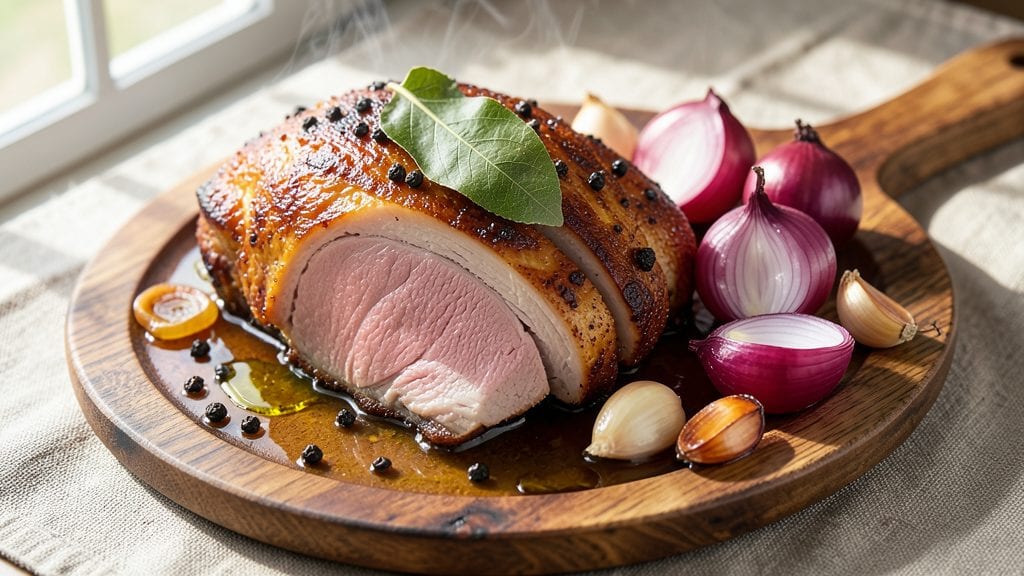
Mastering a boiled pork shoulder recipe transforms tough cuts into melt-in-your-mouth perfection—something I learned from my grandfather’s Georgia kitchen. That slow simmer, where connective tissue dissolves into rich, golden broth, is pure magic.
The secret lies in patience and precision: maintaining a gentle boil at 180–190°F for hours until the meat practically falls apart. My farm-raised Gloucestershire Old Spots pork shoulder delivers unmatched flavor, but even store-bought cuts work with the right technique.
This method isn’t just about tenderness—it’s about building layers of flavor. Start with a well-seasoned pork shoulder, then let it simmer in aromatic broth (I use onion, garlic, and bay leaves) until the internal temperature reaches 203°F. The result?
Juicy, fork-tender meat that’s ideal for sandwiches, tacos, or serving alongside roasted vegetables. No dry, stringy texture here—just melt-in-your-mouth satisfaction.
What sets this apart is the versatility. Shred the pork for pulled pork sandwiches, slice it for pot roast, or cube it for stews. The broth alone is worth the effort—rich enough to sip straight from the pot or use as a base for gravy.
It’s the kind of dish that turns a simple weeknight into a family feast, just like my grandmother used to make.
Ready to try it? The key is low-and-slow cooking—no rushing. Let the pork shoulder work its magic in the pot, and you’ll end up with a dish that’s both restaurant-worthy and deeply comforting. Here’s how to make it happen.
Ingredients for boiled pork shoulder
Six pounds of pork shoulder, aromatic vegetables, and slow-simmered patience transform tough meat into melt-in-your-mouth perfection.
| Ingredient | Amount | Notes |
|---|---|---|
| Pork Shoulder (Bone-In) 🥩 | 6 lb | Gloucestershire Old Spots preferred |
| Yellow Onions 🧅 | 2 whole | Medium size, peeled and quartered |
| Garlic Cloves 🧄 | 6 cloves | Peeled, lightly crushed |
| Fresh Bay Leaves 🌿 | 4 whole | Dried works at half quantity |
| Salt 🧂 | 2 tbsp | Diamond Crystal kosher preferred |
| Black Peppercorns 🌶️ | 1 tbsp | Freshly cracked, not ground |
| Carrots 🥕 | 4 whole | Medium size, peeled and whole |
| Celery Stalks 🌿 | 4 whole | Trimmed, cut into 2-inch pieces |
| Apple Cider Vinegar 🍏 | ½ cup | For brightness (optional) |
| Water 💧 | 4 cups | For initial broth |
| Beef Broth 🍲 | 2 cups | Low-sodium preferred |
| Fresh Thyme 🌿 | 2 sprigs | Or 1 tsp dried thyme |
| Olive Oil 🫒 | 2 tbsp | For searing pork |
The pork shoulder is non-negotiable here—bone-in cuts from Gloucestershire Old Spots or your local butcher deliver the best flavor, but store-bought bone-in pork shoulder works too. Look for good marbling and avoid lean cuts, which can dry out. I always check the fat cap—at least 1/4-inch thick ensures moisture during cooking. For the vegetables, organic carrots and celery from the store’s produce section add natural sweetness, but no need to splurge—just make sure they’re firm and free of blemishes. Fresh bay leaves and thyme from the spice aisle (or your garden if you're lucky) elevate the broth, but dried works in a pinch.
No apple cider vinegar? Lemon juice or a splash of red wine adds brightness without overpowering. Short on beef broth? Chicken broth or even water with a bouillon cube gets the job done. The key is balancing salt—start with Diamond Crystal kosher salt (it dissolves better) and adjust to taste. For the garlic, I prefer freshly peeled cloves
This dish tastes even better the next day, so double the batch if you can. Store the pork and broth separately in airtight containers for up to 5 days in the fridge, or freeze for 3 months. The broth alone is a treasure—strain it for gravy or sip it straight. For leftovers, shred the pork and mix it with a little of the broth to keep it moist. The vegetables? Save them for soups or stir-fries—they’re sweeter after simmering.
Why You'll Love This Recipe
- No-Fuss Simmer: I swear by this—just toss the pork, onions, garlic, and bay leaves in a pot with water, and let it do the work. Honestly, the hardest part is waiting for the timer.
- Salty-Garlicky Magic: That bone-in pork shoulder? It turns ridiculously tender with a crisp edge, while the onions caramelize just enough to make every bite feel like a hug. The bay leaves add this earthy depth that’s hard to beat.
- Leftovers That Shine: Between us, this recipe makes way more than I need for one meal—and that’s perfect. Shred it for tacos, sandwiches, or even fried rice the next day. (Yes, even on a Tuesday night.)
- Budget Stretch: A whole pork shoulder for less than a steak? This is my wallet’s best friend. The flavor stays rich, the meat stays juicy, and I’m left with enough for days without breaking the bank.
Step-by-step instructions for slow-simmered pot roast magic
Here's how to transform your pork shoulder into melt-in-your-mouth perfection through gentle, flavorful simmering.
Sear the Pork Shoulder for Deep Flavor
Heat a large Dutch oven over medium-high heat and add the 2 tablespoons olive oil. Once shimmering, place the 6 lb pork shoulder fat-side down and sear for 8-10 minutes until the fat renders and the skin develops a deep golden brown crust. This step is crucial—it locks in juices and creates that irresistible caramelized exterior.
Flip the pork shoulder and continue searing on the second side for another 6-8 minutes. You'll know it's ready when you can easily lift it from the pan with a spatula. Season immediately with the 2 tablespoons salt and 1 tablespoon freshly cracked black peppercorns, pressing the seasoning into the meat so it penetrates as it cooks. Transfer the seared pork to a plate and set aside.
Build the Aromatic Base
In the same Dutch oven, add the 2 whole yellow onions, 4 whole carrots, and 4 whole celery stalks (cut into 2-inch pieces). Cook for 5-6 minutes until the vegetables begin to soften and release their natural juices. Add the 6 peeled garlic cloves and cook for another 30 seconds until fragrant.
Stir in the 4 whole fresh bay leaves and 2 sprigs fresh thyme, allowing the herbs to release their essential oils. This aromatic base forms the flavor foundation for your pot roast. Pour in the 0.5 cup apple cider vinegar and let it simmer for 2 minutes until the liquid reduces slightly and the acidity mellows.
Simmer the Pork Shoulder to Perfect Tenderness
Return the seared pork shoulder to the Dutch oven, fat-side up. Pour in the 4 cups water and 2 cups beef broth, making sure the liquid comes at least halfway up the side of the pork. Bring to a gentle simmer over medium-low heat, then reduce to the lowest setting that maintains a bare bubble at the surface.
Cover the Dutch oven and let the pork shoulder simmer for 3 hours. The key here is patience—the slow cooking breaks down the connective tissue, turning tough muscle into succulent meat. After 3 hours, check the internal temperature with a meat thermometer. It should read between 195-205°F, where the meat becomes fork-tender and falls apart easily.
Rest and Shred for Maximum Juiciness
Once the pork shoulder reaches the perfect temperature, transfer it to a cutting board and tent loosely with aluminum foil. Let it rest for 20-30 minutes. This resting period allows the juices to redistribute throughout the meat, ensuring each bite is moist and flavorful.
While the pork rests, skim any excess fat from the cooking liquid and taste the broth. You may want to reduce it further over high heat to create a rich, concentrated sauce. When ready to serve, shred the pork shoulder using two forks, discarding the bone. Return the shredded meat to the Dutch oven with the cooking liquid and heat through gently. Serve immediately with the aromatic vegetables and reduced broth spooned over the top.
Pro Tips For Making Boiled Pork Shoulder
- Parboil First: Drop the bone-in pork shoulder into a pot of cold water and turn the heat to medium-high—no simmering yet. I learned this the hard way: skipping this step means uneven cooking, and you’ll end up with a tough, stringy mess near the bone. Let it come to a rolling boil first, then adjust to a gentle simmer.
- Char the Onions: Sear the sliced onions in a dry pot over medium heat until they’re golden brown on the edges before adding them to the broth. Sounds weird, but it works—this adds depth that raw onions can’t match. Just don’t walk away; they burn faster than you think.
- Salt the Water: Add at least 1 tablespoon of salt to the boiling water (or more if you’re using unsalted pork). I used to skip this, thinking it was unnecessary, but the meat absorbs flavor like a sponge. It’s not just about taste—it helps tenderize the pork.
- Skim the Scum: After the pork starts simmering, skim off the foam and impurities that rise to the surface in the first 10 minutes. I know, it’s tedious, but it keeps the broth clear and prevents a bitter aftertaste. Use a fine-mesh skimmer or a slotted spoon—just don’t rush it.
Wine and beer pairings for this dish
Red Wine Classics
A bold, full-bodied red wine is my go-to pairing for this rich, slow-cooked pork shoulder. I reach for a Cabernet Sauvignon from Napa Valley—its dark fruit notes and firm tannins stand up to the pork’s depth while complementing the caramelized crust.
The 2018 Caymus Vineyards is a favorite, but even a well-aged Chianti Classico from Tuscany delivers that perfect balance of acidity and earthiness. 🍷
For something lighter but still robust, try a Syrah from the Rhône Valley. The peppery, smoky character cuts through the pork’s richness, while the dark berry flavors echo the caramelized onions in the broth. Look for a Crozes-Hermitage—it’s approachable yet complex enough to hold its own.
Crisp White Wines
Don’t overlook whites if you prefer them—this dish works beautifully with a dry Riesling from Germany’s Mosel region. The wine’s bright acidity and hints of citrus cleanse the palate between bites of pork, while its mineral notes enhance the broth’s depth.
A Dr. Loosen Blue Slate is my top pick, but any Kabinett-level Riesling will do.
For something richer, a Chardonnay with noticeable oak (like a Meursault from Burgundy) adds a creamy texture that mirrors the pork’s tenderness. The buttery notes in the wine soften the meat’s richness, making each bite feel indulgent. 🍷
Beer Pairings
When it comes to beer, I lean toward amber ales or brown ales—their malty sweetness and caramel undertones mirror the pork’s natural flavors. A Fat Tire from New Belgium or Samuel Smith’s Nut Brown Ale are crowd-pleasers that won’t overpower the dish.
The slight bitterness in these beers also helps balance the pork’s fat.
For something stronger, a Belgian-style dubbel like Westmalle Dubbel adds a deep, spiced complexity that pairs surprisingly well with the pork’s savory-sweet profile. The yeasty notes in the beer even enhance the broth’s depth, making every sip feel like part of the meal. 🍺
Unexpected Spirits
If you’re serving this as a casual meal, consider a bourbon or rye whiskey on the side. The caramel and vanilla notes in the whiskey echo the pork’s slow-cooked sweetness, while the alcohol’s burn cuts through the fat.
I often sip a Buffalo Trace or High West Single Malt alongside—it’s a match made in Southern comfort food heaven.
For a non-alcoholic twist, a ginger beer with a hint of spice (like Feather Ginger Beer) adds a refreshing zing that contrasts the pork’s richness. The effervescence also helps cleanse the palate between bites, making it a great choice for lighter eaters. ✨
Nutrition facts
Frequently asked questions
Why does boiled pork shoulder need such a long cooking time?
The slow simmer at 180–190°F breaks down collagen in the connective tissue, transforming tough muscle into melt-in-your-mouth tenderness. This process takes 3 hours to achieve that signature fall-apart texture—no shortcuts! The gentle heat also infuses the meat with deep, savory flavors from the broth.
Can I use a different cut of pork instead of shoulder?
Bone-in pork shoulder is ideal for this method, but you can substitute with pork butt (picnic cut) or even pork loin if you adjust the cooking time. Loin will cook faster (1.5–2 hours) but won't be as tender. For best results, stick with a well-marbled cut like shoulder—it's designed for slow cooking.
What if my pork shoulder isn't tender after 3 hours?
Check your internal temperature—it should reach 195–205°F. If it's lower, return it to the pot and cook another 30–60 minutes. The key is maintaining a gentle simmer, not a rolling boil. If the meat still feels tough, shred it and use it in tacos or sandwiches where texture matters less.
How can I make the broth richer without extra ingredients?
After cooking, skim off the hardened fat from the surface and reduce the broth by half over high heat. For extra depth, add a splash of apple cider vinegar or a pinch of smoked paprika at the end. The longer you reduce, the more concentrated the flavor becomes—just don't let it burn!
What's the best way to reheat leftover boiled pork shoulder?
Shred the pork and mix it with some of the cooking broth, then reheat gently in a skillet or saucepan over low heat. Never microwave it dry—this will make it rubbery. For sandwiches, warm the meat and broth separately, then assemble. The broth alone reheats beautifully for soups or gravy.