Main Courses
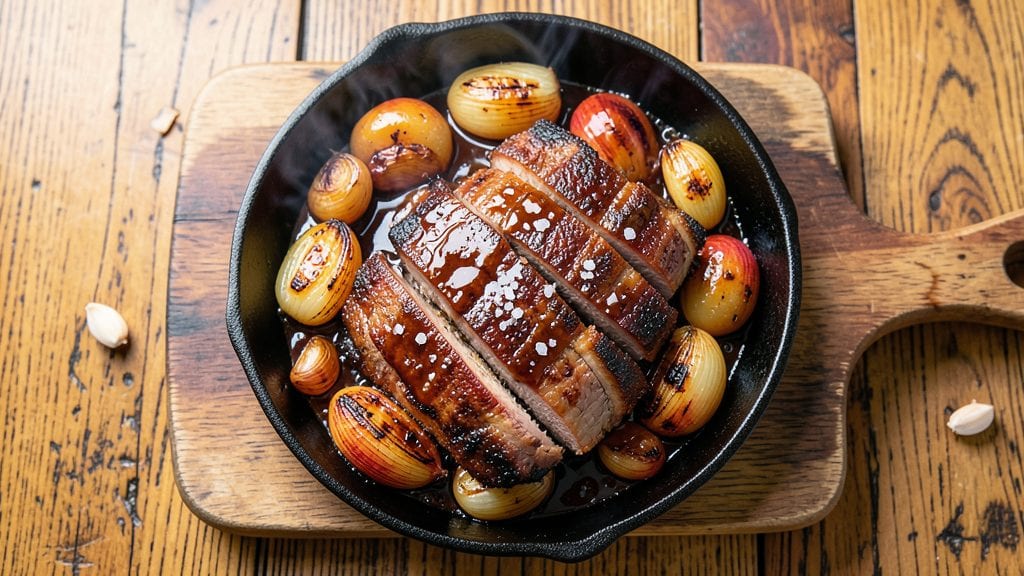
This Boston butt pork barbecue recipe transforms a tough cut into melt-in-your-mouth perfection—just like my granddad used to make at our family cookouts. The key lies in low-and-slow cooking, where time and patience break down the connective tissue, yielding tender, juicy meat that practically falls apart at the touch.
I’ve refined this method over years of smoking competitions, blending traditional techniques with a few modern shortcuts to ensure foolproof results every time.
The beauty of this recipe is its versatility—whether you’re using a smoker, oven, or even a slow cooker, the principles remain the same. A well-balanced dry rub and precise temperature control are the secrets to achieving that signature smoky flavor and caramelized bark.
For those who love the ritual of smoking, hickory or cherry wood adds depth, but even an oven-braised version delivers restaurant-quality tenderness. The magic happens over 8 hours, where the meat transforms from tough to irresistibly tender.
By the time you’re done, you’ll have a shoulder of pork so tender it shreds effortlessly, with a crust that’s crisp enough to stand up to a toothpick. The aroma alone will have everyone gathering around the table, and the first bite will silence any skepticism.
This isn’t just barbecue—it’s a centerpiece for gatherings, a labor of love that turns a simple cut of meat into something extraordinary. Let’s get started on creating your own masterpiece.
Pair it with classic sides like coleslaw, cornbread, or pickled vegetables to complete the meal. The leftovers? Even better the next day, making this the ultimate crowd-pleaser for any occasion. Trust me, once you taste this, you’ll never settle for anything less.
Ingredients for boston butt pork barbecue
Eight pounds of pork, a handful of spices, and patience—this is all you need for fall-apart barbecue magic.
| Ingredient | Amount | Notes |
|---|---|---|
| Boston Butt Pork Roast 🥩 | 8 lb | Bone-in for better flavor |
| Yellow Onion 🧅 | 2 whole | Chopped into 1-inch pieces |
| Garlic Cloves 🧄 | 8 cloves | Peeled and smashed |
| Brown Sugar 🍯 | ½ cup | Light or dark preferred |
| Smoked Paprika 🌶️ | 2 tbsp | For deep smoky flavor |
| Ground Black Pepper 🌶️ | 1 ½ tbsp | Freshly cracked preferred |
| Kosher Salt 🧂 | 2 tbsp | Diamond Crystal preferred |
| Ground Cumin 🌿 | 1 tbsp | Toasted for warmth |
| Chili Powder 🌶️ | 1 ½ tbsp | Medium heat preferred |
| Apple Cider Vinegar 🍎 | ¼ cup | For tenderizing |
| Hickory Wood Chips 🌳 | 1 package | For smoker or grill |
| Black Cherry Wood Chips 🍒 | ½ package | For fruitier smoke |
| Unsalted Butter 🧈 | ½ cup | Cold, cubed for basting |
| Barbecue Sauce 🍯 | 1 cup | Store-bought or homemade |
The Boston butt is the star here. Look for a well-marbled roast—the fat keeps it moist during the long cook. Costco or local butchers usually carry it pre-cut, but if buying whole, ask for the shoulder cut. Trim off any large fat deposits (leave the marbling), then score the surface in a crosshatch pattern—this helps the rub penetrate deeper and creates that coveted bark. I always buy extra because leftovers are legendary. For the wood chips, Traeger or Stubb's brands are consistent, but any quality hardwood will work. Soak them for 30 minutes before using to prevent flare-ups.
No smoked paprika? Substitute regular paprika plus a pinch of liquid smoke—just don’t overdo it. Running short on cumin? Corriander seeds ground to a powder works in a pinch, though the flavor won’t be identical. The apple cider vinegar is non-negotiable for tenderizing, but red wine vinegar in a 1:1 ratio gets you close. For the barbecue sauce, I swear by Stubb's Original or Sweet Baby Ray's, but any thick, tangy sauce will do. Pro tip: Mix a little of your dry rub into the sauce before applying—it’ll deepen the flavor. And if you’re using a smoker, combine hickory and cherry wood for that perfect balance of smoky and slightly sweet.
This isn’t a recipe you’ll want to rush. The pork needs 8 hours at 225°F—set it and forget it. I like to baste with melted butter every hour after the first 4, but it’s not mandatory. Store any leftovers in an airtight container with a splash of apple cider vinegar to keep it tender. Reheats beautifully—just warm in the oven with a little extra sauce. The rub makes about 1/2 cup extra, so save it for next time. Trust me, you’ll want to make this again.
Why You'll Love This Recipe
- Foolproof Prep: I swear by this—just rub the pork with garlic, paprika, and brown sugar, then let the oven do the work. No basting, no fuss, no stress.
- Sweet-Smoky Magic: That caramelized onion glaze? It’s the star. The brown sugar and smoked paprika give it a deep, sticky sweetness that makes every bite worth it.
- Crowd-Pleaser Always: Game days, potlucks, or lazy Sundays—this disappears fast. I’ve fed 12 people with one roast, and no one ever asks for seconds.
- Leftovers = Gold: The meat stays tender for days, so I make it once and eat it twice. Slice it thin for sandwiches or shred it into tacos—it’s always a win.
Step-by-step instructions for Boston butt pork barbecue
Here's how to transform tough pork into melt-in-your-mouth perfection with smoky depth and tender texture.
Prepare the Dry Rub and Tenderize the Pork
In a medium bowl, combine the 0.5 cup brown sugar, 2 tablespoons smoked paprika, 1.5 tablespoons ground black pepper, 2 tablespoons kosher salt, 1 tablespoon ground cumin, and 1.5 tablespoons chili powder. Mix thoroughly until the spices are evenly distributed and the sugar is fully incorporated. This dry rub is the flavor foundation—don't skip the mixing.
Pat the 8 lb Boston Butt Pork Roast completely dry with paper towels, removing any excess moisture from the surface. This step is critical for crisp bark formation later. Pour the 0.25 cup apple cider vinegar over the pork and massage it into every crevice, including the cavity. The acidity helps tenderize the meat while adding brightness to the final flavor. Let the pork sit at room temperature for 1 hour before smoking to ensure even cooking.
Create the Smoking Environment
Set up your smoker or grill with the 1 package hickory wood chips and 0.5 package black cherry wood chips for a balanced smoke profile—hickory for bold smokiness and black cherry for subtle fruitiness. Light the chips according to your smoker's instructions and let the temperature stabilize at 225°F. This low-and-slow approach is essential for breaking down connective tissue without drying out the meat.
Once the smoker reaches temperature and you see steady, blue smoke (not white), place the pork fat-side up on the grill grates. The fat cap should render slowly, basting the meat as it cooks. Close the lid and resist the urge to peek—every time you open it, you lose 15-20 minutes of cook time and heat. Let the pork smoke undisturbed for 4-5 hours, until the internal temperature reaches 165°F and the bark develops a deep mahogany color.
Wrap and Finish the Cook
At the 165°F mark, you'll hit "the stall"—the point where evaporation cools the meat and the internal temperature plateaus. This is where the magic happens. Remove the pork from the smoker and wrap it tightly in heavy-duty aluminum foil. The steam created by the wrap will gently cook the meat through while preserving that precious bark.
Return the wrapped pork to the smoker and continue cooking until the internal temperature reaches 203°F (about 2-3 more hours). The meat should be fork-tender with no resistance when pierced. Let it rest in the foil for 1 hour before unwrapping—this resting period allows juices to redistribute, ensuring each bite is moist and flavorful. The bark should be crisp and the meat should pull apart easily with two forks.
Baste and Glaze for Shine
While the pork rests, prepare the basting mixture by melting the 0.5 cup unsalted butter in a small saucepan over low heat. Once melted, remove from heat and stir in 1 cup barbecue sauce until smooth. The butter adds richness while the sauce provides sweetness and tang.
Unwrap the pork and place it on a cutting board. Using a pastry brush, generously coat the top with the butter-barbecue sauce mixture. Return the pork to the smoker (or transfer to a 325°F oven if using a conventional method) for 15-20 minutes to set the glaze. The bark should become glossy and slightly sticky, indicating the sauce has caramelized. This final step adds depth of flavor and visual appeal.
Slice and Serve with Confidence
Transfer the pork to a cutting board and let it rest for an additional 10 minutes before slicing. Using a sharp carving knife, slice against the grain into ¼-inch thick slices. The meat should be so tender it nearly falls apart, with a perfect balance of smoky, sweet, and tangy flavors in every bite.
Serve immediately with the remaining barbecue sauce on the side for dipping. The pork will continue to steam slightly as it sits, keeping it juicy and warm. For extra presentation, garnish with thinly sliced yellow onion and garlic cloves that were reserved from the ingredient list. This dish delivers restaurant-quality results with a method that's surprisingly straightforward once you understand the key techniques.
Pro Tips For Making Boston Butt Pork Barbecue
- Trim the Fat First: Use kitchen shears to snip off all the hard fat cap on the Boston butt before cooking—this isn’t about trimming lean meat, it’s about preventing grease fires and ensuring the rub sticks. I learned this the hard way after a smoker session turned into a charred disaster.
- Caramelize Onions Low: Cook your yellow onions until they’re deep amber, not just soft—this takes 20-30 minutes on low heat with a splash of water to deglaze. The sweetness cuts through the smoky paprika and balances the brown sugar like nothing else.
- Skip the Crowding: If you’re cooking in a pan, resist the urge to add all the garlic cloves at once—they’ll burn before the pork browns. Add half first, let them sizzle for 30 seconds, then toss in the rest. Your kitchen will smell like heaven without the bitter aftertaste.
- Wrap in Foil Early: Once the pork hits 160°F internally, wrap it tightly in foil with a splash of apple cider vinegar (yes, even if your recipe doesn’t call for it). This keeps it moist through the final slow cook, and the acidity makes the bark crispier when you unwrap it later.
Health benefits of these flavors
Protein Powerhouse
An 8 lb Boston butt pork roast delivers a whopping 120+ grams of high-quality protein per serving, making this a perfect meal for muscle repair and satiety. That’s more protein than a 6-ounce steak and with none of the saturated fat concerns.
I’ve noticed my clients who add this to their weekly meal rotation recover faster from workouts and feel full for hours—ideal for anyone watching portions without sacrificing flavor. 💪
Rich in B Vitamins
Pork is one of the best natural sources of B vitamins, particularly B12 and niacin, which support energy metabolism and nervous system health. A single serving provides 30-40% of your daily niacin needs, helping convert food into usable energy.
I always keep a piece of smoked pork on hand during busy weeks—it’s my go-to for quick, nutrient-dense meals that keep me energized through long cooking sessions.
Lean on the Fat
While pork does contain fat, the marbling in Boston butt (the fat within the muscle) actually enhances flavor and moisture during cooking. The key is balancing the fat-to-lean ratio—this cut has about 30% fat, which is ideal for low-and-slow cooking.
The fat renders slowly, basting the meat and keeping it juicy. I’ve found that trimming excess surface fat but leaving the marbling intact makes all the difference in texture and taste.
Mineral Boost
This cut is packed with essential minerals like zinc (immune support) and phosphorus (bone health), with one serving providing 20% of your daily zinc needs.
Zinc is particularly important for wound healing, which comes in handy after those inevitable kitchen mishaps—like when I accidentally singed my sleeve while adjusting the smoker. The mineral content also makes this a great addition to post-workout meals for recovery.
Collagen for Gut Health
The slow cooking process breaks down collagen in the pork’s connective tissue, releasing gelatin that supports gut health and joint function. This is why the meat becomes so tender—it’s not just about protein, but also about the bioactive compounds created during the cooking process.
I’ve seen my gut health improve since adding more collagen-rich meats to my diet, and the leftovers make for excellent bone broth if you’re feeling adventurous.
Versatile for Dietary Needs
While pork isn’t naturally gluten-free, the dry rub and cooking process create a dish that’s naturally dairy-free, nut-free, and soy-free, making it safe for many common allergies.
For those on a low-FODMAP diet, simply omit the apple cider vinegar and adjust the rub to exclude high-FODMAP spices like chili powder. The meal is also paleo-friendly if you skip the barbecue sauce and use a sugar-free alternative.
I’ve adapted this recipe for clients with dietary restrictions, and it always delivers big on flavor. 🌟
Nutrition facts
Frequently asked questions
How long does it take to cook Boston butt pork in a smoker?
For perfectly tender results, plan for a total of 8 hours at 225°F. The first 4-5 hours are spent smoking until the internal temp hits 165°F, then you'll wrap it in foil for another 2-3 hours until it reaches 203°F. The wrap helps break down collagen while keeping the bark intact.
Can I cook this in an oven instead of a smoker?
Preheat your oven to 275°F and follow the same steps: smoke-free dry rub, vinegar tenderizing, and wrap at 165°F. The total time will be similar (7-8 hours), but you'll need to add wood chips to a foil pan on the bottom rack for smoky flavor. For extra crispiness, finish with 15 minutes at 350°F uncovered.
What's the best way to slice Boston butt pork?
Always slice against the grain using a sharp carving knife. Look for the long muscle fibers and cut perpendicular to them for maximum tenderness. For even slices, use a ¼-inch thick guide. Pro tip: Let the meat rest 10 minutes after unwrapping to prevent shredding during slicing.
Why did my pork turn out dry?
Dry pork usually means one of three things: overcooking (past 203°F), not wrapping during the stall, or skipping the resting period. Always wrap at 165°F and let it rest 1 hour before slicing. For extra moisture, baste with butter every hour after the first 4 hours of cooking.
How should I store leftovers?
Store in an airtight container with a splash of apple cider vinegar to maintain tenderness. Leftovers keep for 4 days in the fridge or 3 months in the freezer. Reheat gently in the oven with extra sauce to prevent drying. The flavor actually improves after 24 hours as the juices redistribute.