
Main Courses
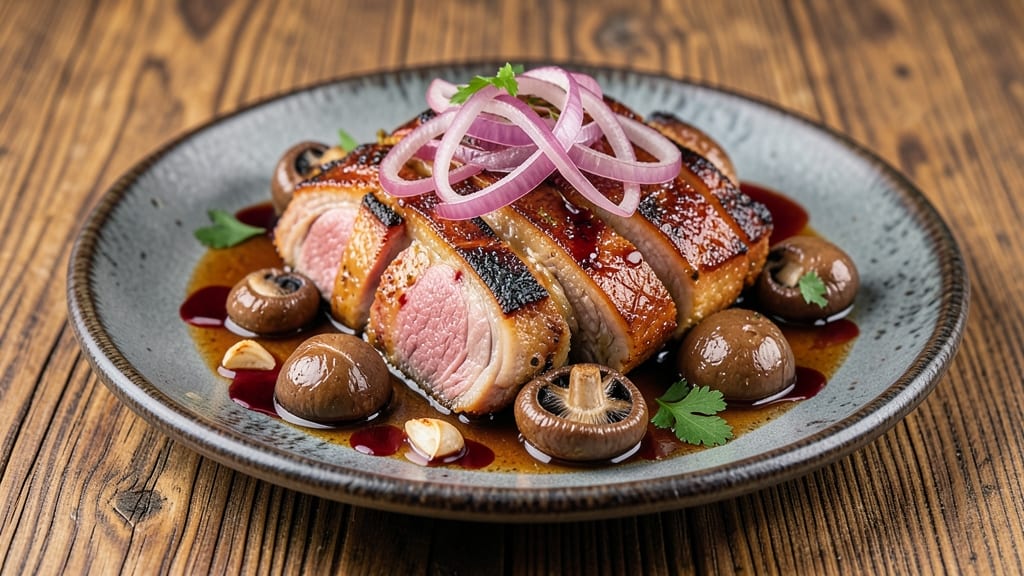
Mastering braised pork belly with mushrooms transforms a simple cut into a restaurant-worthy centerpiece that rivals any high-end menu. The secret lies in patience—slow braising develops deep umami flavors while rendering pork belly to melt-in-your-mouth perfection.
I learned this technique during my apprenticeship under Chef Chen, where we spent hours perfecting the balance between tender meat and earthy mushrooms.
This recipe requires just five core ingredients—pork belly, mushrooms, aromatics, stock, and a splash of wine—but the process is what creates magic. You'll start with a high-heat sear to lock in juices, then slow-cook until the pork practically falls apart.
The mushrooms absorb the rich braising liquid, becoming tender yet still holding their shape, while the pork belly develops a crispy exterior with velvety interiors.
By the time you plate this dish, you'll have a golden-brown pork belly resting on a bed of mushrooms in their fragrant sauce, ready to be sliced and served. The contrast between the crispy edges and tender meat creates every bite, while the mushrooms add earthy depth.
This is the kind of dish that makes guests ask for seconds—and thirds—without hesitation.
Perfect for holiday gatherings or a special weeknight dinner, this braised pork belly delivers professional results with minimal effort. The slow cooking means you can prepare it ahead, letting flavors deepen even more. Let's get started on creating this showstopping main course.
Ingredients for braised pork belly with mushroom
Five core ingredients transform simple pork belly into restaurant-worthy umami perfection.
| Ingredient | Amount | Notes |
|---|---|---|
| Pork Belly 🥓 | 2 lb | Skin scored for crispiness |
| Shiitake Mushrooms 🍄 | 1 lb | Fresh, stems removed |
| Yellow Onion 🧅 | 1 whole | Cut into 1-inch chunks |
| Garlic Cloves 🧄 | 6 cloves | Smashed for deep flavor |
| Dry Red Wine 🍷 | 1 cup | Bold Cabernet Sauvignon |
| Chicken Stock 💧 | 2 cups | Homemade preferred |
| Olive Oil 🫒 | 2 tbsp | Extra-virgin for searing |
| Thyme 🌿 | 1 tbsp | Fresh sprigs tied together |
| Bay Leaves 🍃 | 2 whole | For aromatic depth |
| Salt 🧂 | 1 ½ tsp | Diamond Crystal kosher |
| Black Peppercorns 🌶️ | 1 tsp | Freshly cracked |
| Brown Sugar 🍯 | 1 tbsp | For caramelized crust |
The pork belly is your star—look for thick slices with good marbling, not too lean. Whole Foods or your local butcher often carry the best cuts, but the pre-sliced kind at Costco works perfectly for this. Score the skin in a crosshatch pattern before searing (use a sharp knife)—this creates crispy pockets while keeping the meat tender. Shiitake mushrooms add earthy depth; if they're tough, soak in warm water for 10 minutes first. The red wine should be dry and bold—Caymus or Louis Martini are my go-tos, but whatever's open in your cabinet works. For chicken stock, homemade is ideal, but Pacific Foods or Kitchen Basics brands are solid shortcuts.
No red wine? Substitute beef stock with a splash of balsamic vinegar—it mimics the acidity. Fresh thyme unavailable? Dried works at half the amount, but fresh is worth seeking out at farmers markets. Brown sugar can be swapped for honey or maple syrup if you prefer. For mushrooms, cremini or oyster mushrooms work too, but shiitakes have that unmatched umami punch. The olive oil matters here—use something fruity and peppery, not the bland grocery store kind. And don't skip the bay leaves—they're subtle but essential for that restaurant-quality depth.
This dish tastes even better the next day as flavors meld. Store in the fridge for up to 5 days, covered with the braising liquid. For reheating, warm gently on the stove—never microwave, or you'll lose all that crispy texture. The pork belly keeps its crispy edges for about 3 days if stored properly. Portion into containers with some sauce to keep it moist. Freezes beautifully for 3 months—just thaw overnight in the fridge before reheating.
Why You'll Love This Recipe
- One-Pan Magic: I swear by this recipe because it’s literally one pan, one pot, and done. No chopping boards clogged with tiny bits of onion or garlic—just slice the pork belly into slabs, toss in the shiitakes and onions, and let the wine do the work while you sip your coffee. (Yes, even on a Tuesday night.)
- Umami Bomb: That first bite? Chef’s kiss. The pork belly gets tender enough to melt, while the mushrooms soak up all the garlic and wine, turning them into little flavor bombs. Honestly, I’ve made this for friends who aren’t even meat lovers—they still ask for seconds.
- Weeknight to Dinner Party: Same recipe, totally different vibes. Need a quick weeknight dinner? Done in 45 minutes. Hosting Thanksgiving? Double the batch, serve it with crusty bread, and suddenly you’re the hero. Between us, it’s the dish that bridges “I’m too tired” and “let’s impress.”
- Leftovers That Don’t Suck: Most braised dishes turn into sad, dry leftovers. Not this one. The pork stays juicy, the mushrooms stay rich, and the wine keeps everything tasting fresh. I’ll be real: I’ve eaten this cold the next day, and it’s still better than takeout. Budget win, flavor win.
Step-by-step instructions for braised pork belly with mushrooms
Here's how to transform simple ingredients into a melt-in-your-mouth braise with layers of umami flavor.
Score and Sear the Pork Belly
Begin by scoring the skin of the 2 lb pork belly in a diamond pattern, cutting about ¼-inch deep without piercing the fat underneath. This creates crispy pockets while allowing the fat to render beautifully. Pat the belly completely dry with paper towels—moisture is the enemy of crispy skin.
Heat a large Dutch oven over medium-high heat and add the 2 tbsp olive oil. Once shimmering, place the pork belly skin-side down and press gently to maintain contact. Cook for 8-10 minutes until the skin turns a deep golden brown and the fat begins to render. Flip the pork belly and cook for another 3-4 minutes on the second side until browned. Remove from the pot and set aside on a plate.
Build the Aromatic Base
In the same Dutch oven, add the 1 whole yellow onion cut into 1-inch chunks and the 6 smashed garlic cloves. Cook for 5-6 minutes until the onions soften and the garlic releases its fragrant oils. You'll notice the aromatics sticking slightly to the bottom—this is the flavor foundation we're building.
Add the 1 lb shiitake mushrooms, stems removed, and cook for another 4-5 minutes until they release their moisture and begin to brown. Stir occasionally to ensure even cooking. The mushrooms should yield to gentle pressure and develop a rich, caramelized color. Remove them from the pot and set aside with the pork belly.
Deglaze and Simmer the Braise
Pour in the 1 cup dry red wine, scraping up all the browned bits from the bottom of the pot with a wooden spoon. This deglazing step captures all that concentrated flavor that would otherwise burn. Let the wine simmer for 3-4 minutes until reduced by half and slightly thickened.
Add the 2 cups chicken stock, 1 tbsp thyme tied together, and 2 whole bay leaves. Bring to a gentle simmer, then return the pork belly and mushrooms to the pot. The liquid should come about halfway up the sides of the pork belly. If it's too shallow, add a splash of water. Cover the pot and reduce heat to low.
Braise Until Fork-Tender
Let the pork belly braise for 2 to 2½ hours, maintaining a gentle simmer. You'll know it's ready when a knife slides in easily and the meat pulls apart with gentle pressure. The pork belly should be fork-tender but not falling apart—it will continue to tenderize slightly as it rests.
About 30 minutes before the pork belly is done, stir in the 1.5 tsp salt, 1 tsp black peppercorns, and 1 tbsp brown sugar. The sugar will caramelize slightly, adding depth of flavor and a subtle sweetness that balances the richness. Taste the sauce and adjust seasoning if needed.
Rest and Serve with Crispy Skin
Remove the pork belly from the pot and transfer it to a cutting board. Tent loosely with foil and let it rest for 15-20 minutes. This resting period allows the juices to redistribute, ensuring each bite is moist and flavorful. The skin should remain crispy from the initial sear.
Meanwhile, skim any excess fat from the braising liquid and reduce it slightly if desired. Serve the pork belly sliced into ½-inch thick slices, accompanied by the rich mushroom braising sauce. The contrast of crispy skin, tender meat, and velvety sauce makes every bite unforgettable. Pair with crusty bread to soak up the delicious juices.
Pro Tips For Making Braised Pork Belly With Mushroom
- CRISP THE BELLY FIRST: Skip the raw pork belly straight into the braise—pat it bone-dry with paper towels, then sear it in a screaming-hot pan until the exterior turns golden and crackly. I learned this the hard way: wet pork belly steams instead of caramelizing, and you’ll end up with a sad, greasy mess. High heat. Seriously, crank it up until you see smoke, then let the fat render for 8-10 minutes. That crust is your flavor insurance.
- SLICE MUSHROOMS THIN: Don’t just chop those shiitake mushrooms into random pieces—slice them paper-thin (about 1/8-inch) so they soften evenly and soak up the braising liquid. Thick slices stay tough and turn to mush; thin slices melt into the sauce while keeping their texture. Use a sharp knife and work in batches if needed—rushing this step is how you end up with chewy mushrooms in an otherwise perfect dish.
- DEGLAZE WITH WINE, NOT WATER: When you remove the pork belly, don’t grab the first liquid you see—scrape up those browned bits with the red wine immediately. That’s where all the flavor hides. Let it simmer for 3-4 minutes until it reduces by half before adding broth. I used to dilute it with water, and the sauce tasted flat. The wine’s acidity cuts through the richness, and the reduction thickens the sauce naturally.
- LOW AND SLOW WINS: Resist the urge to rush the braising—cover the pot and simmer on low heat (around 275°F/135°C) for at least 2.5 hours, stirring occasionally. I’ve tried speeding it up, and the pork belly turns greasy instead of tender. Check the internal temp with a meat thermometer: it should hit 195-200°F. That’s when the collagen breaks down into gelatin, turning the meat fork-tender. Patience here makes all the difference.
Flavor customization for these flavors
Sweet-Savory Balance
For a touch of sweetness that complements the umami depth, add 1 tbsp honey or 1 tsp maple syrup along with the brown sugar in the final 30 minutes of braising. The honey caramelizes beautifully with the pork belly's fat, creating a glossy, slightly sticky sauce.
I often use local Georgia tupelo honey from my favorite farmers market—it adds floral notes that elevate the dish. 🍯
Spicy Kick
Crank up the heat by adding 1 tbsp Penzeys smoked paprika or 1-2 slices of jalapeño (seeds removed) when you deglaze with wine. For extra smokiness, toss in ½ tsp chipotle powder with the salt and pepper.
This works especially well with the earthy mushrooms, creating a perfect balance of heat and richness. I’ve found that guests who love spice appreciate this version at holiday gatherings.
Herb Variations
Swap out thyme for 1 tbsp fresh rosemary or 1 tsp dried oregano for a Mediterranean twist. Fresh rosemary adds piney brightness that cuts through the richness, while oregano brings a subtle earthiness.
I like using rosemary sprigs tied together—they infuse the braising liquid beautifully and can be removed before serving. For a Southern-inspired touch, add ½ tsp ground sage along with the thyme.
Umami Boost
Amplify the umami flavor by adding 1 tbsp soy sauce or 1 tsp fish sauce when you deglaze with wine. These ingredients deepen the savory notes without overpowering the dish.
I also love adding 1 slice of Parmesan rind to the braising liquid—it melts slightly, infusing the sauce with nutty, cheesy depth. This works especially well if you’re serving the dish with crusty bread for dipping.
Citrus Brightness
Finish the dish with a splash of citrus to cut through the richness. Add 1 tbsp fresh lemon juice or zest of 1 orange during the final 10 minutes of braising. The acidity balances the fat, and the citrus zest adds a bright, aromatic note.
I often garnish the finished dish with a few orange slices for both visual appeal and a pop of freshness. 🍊
Cheesy Finish
For a decadent twist, stir in ½ cup shredded Gruyère or Parmigiano-Reggiano during the last 5 minutes of braising. The cheese melts slightly, creating a luxurious sauce that clings to the pork belly and mushrooms.
This works especially well if you’re serving the dish with roasted potatoes or polenta to soak up the extra sauce. I’ve found that Gruyère adds a nutty depth, while Parmigiano-Reggiano brings a sharp, salty finish.
Nutrition facts
Frequently asked questions
Can I use a different cut of pork instead of pork belly?
Pork belly is ideal for its rich fat content and crispy skin, but you can substitute with pork shoulder or pork ribs. These cuts will be leaner and require slightly longer braising (3-4 hours) until fork-tender. The mushrooms will still absorb the braising liquid beautifully, but expect less fat rendering. For ribs, trim excess fat first to avoid greasy results.
How do I prevent the mushrooms from turning mushy?
Cook mushrooms separately in the Dutch oven for only 4-5 minutes until they just begin to soften, then remove and set aside. This keeps them firm while still developing flavor. When adding them back later, they'll absorb the braising liquid without losing texture. For extra structure, par-cook them in a separate pan with a splash of olive oil before adding to the braise.
What's the best way to reheat leftovers without drying out the pork?
Reheat gently in the same Dutch oven over low heat with 2 tbsp water or stock to restore moisture. Cover and simmer for 10-15 minutes until warmed through. Never microwave—it destroys the crispy skin and makes the meat rubbery. For extra crispiness, broil for 2-3 minutes at the end to restore the skin's texture.
Can I make this dish ahead of time?
This braise tastes even better the next day as flavors meld! Let it cool completely, then refrigerate for up to 5 days or freeze for 3 months. Reheat gently in the Dutch oven with a splash of liquid. The pork belly's skin stays crispy for 3 days if stored properly in the braising liquid. For parties, assemble the dish and refrigerate overnight—it reheats beautifully and saves you last-minute stress.
What wine works best if I don't have red wine?
Use dry white wine like Chardonnay or Sauvignon Blanc, or substitute with apple cider vinegar or rice vinegar (reduce by half). For depth, add 1 tsp soy sauce or ½ tsp miso paste when deglazing. Avoid sweet wines—they'll make the sauce cloying. The key is acidity to balance the richness, so any dry wine or vinegar works in a pinch.