
Sauces & Condiments
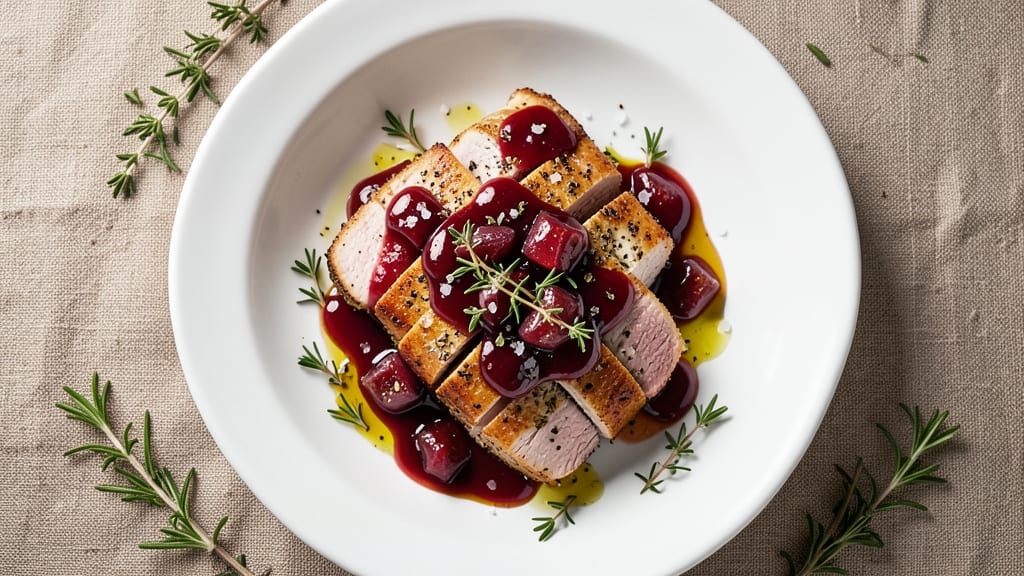
Mastering Carrabba’s pork tenderloin with fig sauce transforms an ordinary weeknight into a restaurant-worthy experience. The secret lies in balancing a crisp sear with tender roasting, paired with a sweet-tart fig sauce that cuts through the richness.
I’ve adapted this dish after years of perfecting pork techniques, and it never fails to impress—even picky eaters ask for seconds.
The process starts with searing the pork in a cast-iron skillet until golden, then finishing it in the oven to ensure juicy perfection. Meanwhile, the fig sauce simmers down into a glossy, balanced glaze that enhances every bite.
This isn’t just a recipe; it’s a method that delivers professional-quality results at home, with minimal effort but maximum impact.
By the time you plate it—sliced pork over creamy polenta or roasted seasonal vegetables—you’ll have a dish that looks and tastes like it came straight from Carrabba’s. The fig sauce ties everything together, offering just the right balance of sweetness and acidity to complement the savory pork.
This is comfort food elevated.
Pair it with a simple arugula salad or garlic mashed potatoes to round out the meal. The technique is straightforward, but the result is undeniably impressive. Let’s get cooking—your taste buds will thank you.
Ingredients for carrabba's pork tenderloin with fig sauce
Fourteen ingredients transform into Carrabba’s signature dish—crisp, tender pork with a sweet-tart fig sauce that steals the show.
| Ingredient | Amount | Notes |
|---|---|---|
| Pork Tenderloin 🥩 | 1 ½ lb | Center-cut, trimmed of fat |
| Extra-Virgin Olive Oil 🫒 | 2 tbsp | For searing, high-quality preferred |
| Kosher Salt 🧂 | 1 ½ tsp | Diamond Crystal preferred |
| Freshly Ground Black Pepper 🌶️ | ½ tsp | Cracked peppercorns preferred |
| Fresh Rosemary 🌿 | ¼ cup | Finely chopped, fresh preferred |
| Fresh Thyme 🌿 | ¼ cup | Leaves only, fresh preferred |
| Garlic Cloves 🧄 | 4 cloves | Minced, fresh preferred |
| Unsalted Butter 🧈 | 2 tbsp | Cold, cut into pieces |
| Fresh Figs 🍇 | 1 cup | Dried or fresh, pitted and chopped |
| Red Wine Vinegar 🍷 | ½ cup | Balsamic works too |
| Honey 🍯 | ¼ cup | Wildflower preferred |
| Dijon Mustard 🍯 | 1 tbsp | Mild or medium heat |
| Fresh Lemon Juice 🍋 | 2 tbsp | Freshly squeezed |
| Polenta 🌾 | 2 cups | Cooked according to package |
| Heavy Cream 🥛 | ½ cup | Full-fat for creaminess |
The pork tenderloin is the star here, so center-cut is non-negotiable—it stays juicier during roasting. I grab mine from Whole Foods or the butcher counter at Kroger—ask for the thickest cut possible. The figs? Fresh is ideal (those plump, honey-sweet ones), but dried work in a pinch—just soak them first. For the herbs, fresh rosemary and thyme make all the difference—dried is fine at half the amount, but I always grab fresh when I see it. The olive oil should be fruity and peppery—California Extra Virgin is my go-to. Don’t skimp on the butter for basting; European-style unsalted melts beautifully.
No fresh figs? Substitute dried figs soaked in warm water for 15 minutes—they’ll soften right up. Running low on red wine vinegar? Apple cider vinegar works too, though it’ll have a slightly different tang. The honey can be swapped for maple syrup if you’re out, but wildflower honey adds depth. For the polenta, stone-ground cornmeal gives the best texture—avoid instant polenta if you can. The heavy cream is key for the polenta’s silky finish; half-and-half works in a pinch, but it won’t be as rich. And if you’re feeling fancy, add a splash of white wine to the fig sauce—just 2 tbsp—it brightens everything up.
This pork reheats beautifully—350°F for 10-12 minutes wrapped in foil keeps it juicy. The fig sauce? Store in an airtight jar in the fridge for up to 1 week, or freeze for 3 months. I always make extra sauce—it’s perfect over grilled chicken or as a drizzle for roasted vegetables. The polenta? Reheat with a splash of milk or cream to loosen it up. And if you’re prepping ahead, sear the pork the night before, finish it in the oven the next day—it’s that good cold too.
Why You'll Love This Recipe
- One-Pan Magic: I swear by this—just sear the pork, add rosemary sprigs, and let the oven work its magic. No chopping, no fussing, and that fig sauce? It’s basically a 10-minute sidekick that transforms everything.
- Sweet-Savory Balance: That fig sauce—tangy, jammy, with just a hint of balsamic—cuts through the pork’s richness like a whisper. Honestly, I’ll take this over dry, overcooked pork any day.
- Weeknight Superstar: Toss it together while dinner’s on the table or prep ahead for a stress-free meal. My kids even ask for it, and that’s saying something (they’re picky).
- Leftovers That Don’t Suck: Cold slices the next day? Still tender, still delicious. I’ll be real: I’ve reheated this for lunch and never once regretted it—proof it’s a meal that keeps giving.
Step-by-step instructions for Carrabba's pork tenderloin with fig sauce
Here's the method—simple yet sophisticated, delivering restaurant-quality results at home.
Season and Sear the Pork Tenderloin
Pat the 1.5 lb pork tenderloin completely dry with paper towels—this ensures maximum crispiness. In a small bowl, combine 1.5 tsp kosher salt, 0.5 tsp freshly ground black pepper, 0.25 cup finely chopped fresh rosemary, and 0.25 cup fresh thyme leaves. Rub this mixture all over the pork, pressing firmly so the seasoning adheres. Let it sit at room temperature for 15 minutes while you prep the rest.
Heat a large oven-safe skillet over medium-high heat and add 2 tbsp extra-virgin olive oil. Once shimmering, add the pork and sear for 3-4 minutes per side until it develops a deep golden-brown crust. This step is critical—don't rush it. The pork should release easily from the pan when ready. Transfer the skillet to a 425°F oven and continue roasting for 12-15 minutes until the internal temperature reaches 145°F (use a meat thermometer).
Prepare the Fig Sauce
While the pork roasts, chop 1 cup fresh figs into small pieces (remove stems if using fresh). In a medium saucepan, combine the figs, 0.5 cup red wine vinegar, 0.25 cup honey, 1 tbsp Dijon mustard, and 2 tbsp fresh lemon juice. Bring to a simmer over medium heat, then reduce to low and let it cook for 10-12 minutes until slightly thickened. Stir occasionally to prevent sticking.
Remove the saucepan from heat and stir in 2 tbsp cold unsalted butter, allowing it to melt and create a silky texture. Taste and adjust seasoning with additional salt if needed. The sauce should balance sweetness with tangy brightness—this is where the magic happens. Keep it warm while you finish the polenta.
Cook the Creamy Polenta
Bring 4 cups water to a boil in a medium pot. Slowly whisk in 2 cups polenta, then reduce heat to low and simmer for 15-20 minutes, stirring frequently with a wooden spoon to prevent lumps. Once the polenta thickens and pulls away from the sides, stir in 0.5 cup heavy cream and let it cook for another 2-3 minutes until creamy and smooth.
For extra richness, I like to finish the polenta with a pat of butter and a pinch of salt. Cover and let it rest for 5 minutes before serving—this step ensures the polenta holds its shape when sliced. The texture should be velvety, not grainy, and the cream should be evenly distributed.
Rest and Assemble
Remove the pork from the oven and let it rest on a cutting board for 10 minutes. This resting period is non-negotiable—it allows the juices to redistribute, ensuring each slice is tender and moist. While it rests, slice the pork into ½-inch thick medallions.
To serve, spoon a generous portion of creamy polenta onto each plate, top with a pork medallion, and drizzle with the warm fig sauce. The contrast of tender pork, sweet-tart fig sauce, and creamy polenta is what makes this dish unforgettable. Garnish with an extra sprinkle of fresh thyme if you're feeling fancy.
Pro Tips For Making Carrabba'S Pork Tenderloin With Fig Sauce
- SEAR IT HARD FIRST: Get that pan screaming hot—like, smoke-just-starting hot—before adding the pork tenderloin. I used to rush this and ended up with a dull, gray crust instead of the deep, caramelized sear Carrabba’s nails. High heat for 3-4 minutes per side locks in flavor before you even think about the rosemary.
- SALT THE PORK TWICE: Season it generously before searing, then hit it again right after—while it’s still sizzling. The first layer dissolves into the meat, the second sticks to the crust. I learned this the hard way when my pork tasted bland despite the fig sauce drowning it in flavor.
- DON’T OVERCOOK THE FIG SAUCE: Simmer that fig reduction low and slow—no rushing it. I once boiled mine down too fast and ended up with a syrupy mess that lost all its depth. Keep it at a gentle bubble, and taste it every 5 minutes. You want it thick but still bright, not jammy.
- REST IT UNDER FOIL: As soon as the pork hits 145°F, transfer it to a plate, tent it loosely with foil, and let it sit for 5-10 minutes. Skipping this step means dry, stringy meat—no matter how good the fig sauce is. (Yes, even if you’re impatient like me.)
Perfect pairings for this recipe
Polenta Perfection
The creamy polenta in this dish is non-negotiable—it’s the foundation that holds everything together. I use stone-ground polenta for that authentic, rustic texture, and finish it with heavy cream for richness.
For an extra touch, stir in 1 tbsp grated Parmesan while it cooks. Serve it warm, slightly underripe so it holds its shape when sliced. 🌾
If you’re short on time, swap polenta for garlic mashed potatoes—they’re a classic pairing that soaks up the fig sauce beautifully. For a lighter option, try roasted fingerling potatoes tossed with rosemary and olive oil. The key is contrast: creamy polenta or crispy potatoes balance the tender pork perfectly.
Roasted Vegetable Medley
Seasonal vegetables elevate this dish without overpowering it. I love sautéed green beans with garlic and lemon or roasted Brussels sprouts tossed in balsamic glaze. For a heartier option, try caramelized onions and mushrooms—their earthy flavors complement the fig sauce’s sweetness. 🍆
Pro tip: Roast vegetables at 400°F for 20-25 minutes until tender-crisp. Toss them with 1 tbsp olive oil, ½ tsp salt, and a pinch of red pepper flakes for a little heat. Serve them alongside the pork to round out the plate.
Wine Pairings
A crisp Italian Pinot Grigio is my go-to—its bright acidity cuts through the richness of the pork and balances the fig sauce’s sweetness. For red wine lovers, a Chianti or Sangiovese adds earthy notes that complement the rosemary and thyme. 🍷
If you prefer beer, a Belgian witbier with its citrusy notes pairs surprisingly well. For a non-alcoholic option, try sparkling apple cider—it’s refreshing and enhances the fig sauce’s tangy brightness.
Finishing Touches
Garnish the plate with fresh thyme sprigs or microgreens for a pop of color. A drizzle of extra-virgin olive oil adds shine, while a pinch of flaky sea salt enhances the fig sauce’s sweetness.
For a restaurant-style touch, add toasted pine nuts or crumbled goat cheese—both add texture and depth. ✨
Don’t forget the fig sauce drizzle—it’s the star of the show. Serve it warm so the flavors meld beautifully with the pork. A little goes a long way, so start with a light drizzle and let guests add more if they like.
Nutrition facts
Frequently asked questions
Can I use dried figs instead of fresh for the sauce?
Soak ¼ cup dried figs in warm water for 15 minutes first to soften them. Drain before adding to the sauce—this prevents a gummy texture. The flavor will be slightly more concentrated, so you may want to reduce the honey by 1 tablespoon to balance sweetness.
What’s the best way to store leftovers?
Keep the pork and polenta in separate airtight containers in the fridge for up to 3 days. Reheat pork wrapped in foil at 350°F for 10-12 minutes until warmed through. For the fig sauce, store it in a jar in the fridge for up to 1 week—it actually tastes better the next day as flavors meld! Freeze the sauce for 3 months if needed.
Why does my pork turn out dry?
Most likely, you skipped the 10-minute rest after roasting. Juices need time to redistribute—cutting too soon makes pork dry. Also, check your oven temp: 425°F is ideal, but if your oven runs hot, reduce to 400°F. For extra moisture, baste the pork with 1 tbsp butter during roasting.
Can I make the fig sauce ahead of time?
Yes, this sauce is perfect for prepping! Make it 1 day ahead and store it in the fridge. Reheat gently in a saucepan over low heat until warmed through, stirring occasionally. If it thickens too much, thin with 1 tsp water or white wine. The flavors deepen overnight, making it even more complex.
What’s the secret to Carrabba’s signature crust?
The crust comes from high-heat searing in a hot, oiled skillet until deep golden brown—don’t rush this step! Use extra-virgin olive oil (not vegetable oil) for better flavor. Pat the pork completely dry before seasoning to ensure maximum crispiness. A cast-iron skillet is ideal for even heat distribution.