
Main Courses
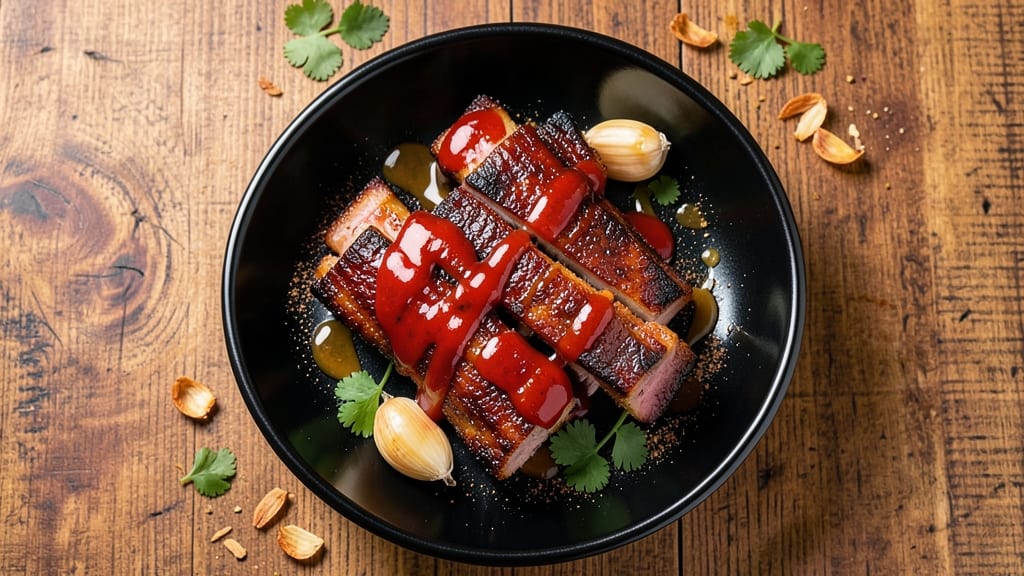
The char siu pork ribs recipe delivers that signature sticky-sweet glaze and crispy exterior that makes every bite irresistible. This Cantonese classic transforms simple pork ribs into a showstopper with its deep caramelized crust and aromatic marinade.
I’ve perfected the balance between traditional techniques and modern convenience—whether you grill, roast, or air-fry, the result is restaurant-quality every time.
The secret lies in the marinade, where honey, soy sauce, and five-spice powder create a complex flavor profile that tenderizes the meat while building that signature glossy finish.
What sets this recipe apart is the two-stage cooking process: first marinating for deep flavor infusion, then basting with the glaze to lock in moisture and achieve that coveted crisp. The aroma alone will have everyone gathering around the table.
By the end, you’ll have ribs that are tender yet firm, coated in a glossy, caramelized glaze with just the right balance of sweet and savory. The contrast between the crispy exterior and juicy interior makes every bite worth the effort.
Pair these ribs with steamed jasmine rice and stir-fried greens for a complete Cantonese feast.
This recipe works equally well for weeknight dinners or special occasions—no fancy equipment required. Whether you’re serving a crowd or treating yourself, these char siu pork ribs will become your new go-to dish. Let’s get cooking!
Ingredients for char siu pork ribs
Fourteen ingredients, two stages, one unforgettable Cantonese feast.
| Ingredient | Amount | Notes |
|---|---|---|
| Pork Ribs 🍖 | 2 ½ lb | Baby back ribs, membrane removed |
| Honey 🍯 | ½ cup | High-quality, dark amber preferred |
| Light Soy Sauce 🥄 | ½ cup | Kikkoman or Diamond preferred |
| Five-Spice Powder 🌶️ | 1 tbsp | Homemade or store-bought blend |
| Hoisin Sauce 🍜 | 2 tbsp | For depth and umami |
| Garlic Cloves 🧄 | 6 cloves | Minced, fresh preferred |
| Fresh Ginger 🌿 | 2 tbsp | Grated, peeled, fresh preferred |
| Sesame Oil 🫒 | 1 tbsp | Toasted, for aroma |
| Brown Sugar 🍚 | ¼ cup | Light or dark, packed |
| Rice Vinegar 🍶 | 1 tbsp | For balance and tang |
| Cornstarch 🍚 | 1 tbsp | For glaze thickening |
| Vegetable Oil 🫒 | 2 tbsp | For high-heat searing |
| Sea Salt 🧂 | 1 ½ tsp | Diamond Crystal preferred |
| Black Pepper 🌶️ | ½ tsp | Freshly cracked |
The ribs are non-negotiable—baby back ribs with the membrane removed for maximum tenderness. Most grocery stores carry them, but Costco or Whole Foods often have better cuts. Look for ribs with good marbling, not too lean. If you can’t find baby backs, spare ribs work in a pinch, but trim excess fat. The five-spice powder is the soul of this dish—Penzeys or Trader Joe’s have excellent blends, but if you’re making your own, mix equal parts cinnamon, star anise, fennel, cloves, and Sichuan peppercorns. The honey should be dark amber for that deep caramel flavor—Manuka or local raw honey adds extra richness.
No hoisin sauce? Substitute with 1 tbsp soy sauce plus 1 tsp molasses for a similar umami kick. Running low on sesame oil? Toasted sesame seeds ground into a paste work just as well. The cornstarch is key for that signature glossy glaze—don’t skip it, but if you’re out, arrowroot powder does the trick. For the glaze, I like to make a double batch—one for marinating, one for basting. If you’re short on time, reduce the marinade by half and use the rest for basting. The garlic and ginger should be fresh—dried won’t cut it—but if you’re in a bind, garlic powder and ground ginger at half the amount will save the day.
Marinated ribs keep 2-3 days in the fridge, covered tightly. The glaze can be made ahead and reheated—just add a splash of water to thin it out. For leftover ribs, reheat in a 350°F oven for 10-15 minutes with a splash of water to keep them moist. These ribs freeze beautifully—wrap tightly in foil and freeze for up to 3 months. The glaze might thicken when frozen, so thin it with water before reheating. Pro tip: Save the leftover glaze for drizzling over rice or stir-fries—it’s pure liquid gold.
Why You'll Love This Recipe
- One-Pan Magic: I swear by this for lazy nights—the ribs go straight from the oven to the table, sticky and glossy. No chopping, no fussing, just 30 minutes of hands-off cooking while the five-spice and hoisin work their flavor magic.
- Sweet-Savory Obsession: That balance of honey’s caramelized bite and hoisin’s deep umami? It’s what makes this dish ridiculously good. The ribs stay tender, the sauce clings like a hug, and honestly? I’ve never met a char siu I didn’t want seconds of.
- Leftovers That Don’t Suck: Between us, most leftover ribs turn dry or sad. Not these. The sticky glaze keeps them juicy for days—perfect for quick lunches, rice bowls, or even tossed in noodles. (Yes, even on a Tuesday night.)
- Budget Crowd-Pleaser: Pork ribs are cheaper than you think, and this recipe stretches them far. Feed four for dinner, save two for later, and still have cash left for takeout. My family approved—my daughter picks out the best pieces, but still asks for seconds.
Step-by-step instructions for char siu pork ribs
Here's how to create restaurant-quality Cantonese BBQ ribs with a perfect balance of sticky-sweet glaze and crispy edges.
Prepare the Ribs for Maximum Flavor
Begin by removing the membrane from the pork ribs - it's the thin, papery layer on the back. Slide a butter knife between the meat and membrane, then pull firmly to remove it completely. This step ensures the marinade penetrates deeply and the ribs cook evenly.
Pat the ribs dry with paper towels, removing all moisture from the surface. This helps the marinade adhere better and creates a crispy exterior when roasted. Place the ribs in a large bowl and set aside - we'll prepare the marinade next.
Create the Signature Char Siu Marinade
In a medium bowl, combine the honey, light soy sauce, five-spice powder, hoisin sauce, minced garlic cloves, grated fresh ginger, sesame oil, brown sugar, and rice vinegar. Whisk vigorously until the brown sugar and cornstarch dissolve completely. This marinade is the heart of your char siu - the balance of sweet, salty, and aromatic elements creates that signature Cantonese flavor.
Add the cornstarch to the marinade mixture and whisk until fully incorporated. The cornstarch will help thicken the glaze during cooking, giving you that perfect sticky-sweet coating. Pour the marinade over the ribs, ensuring they're completely coated. Let them marinate in the refrigerator for at least 4 hours, or preferably overnight for maximum flavor penetration.
Roast to Perfect Doneness and Crisp
Preheat your oven to 375°F. Line a baking sheet with aluminum foil and place a wire rack on top. This setup allows air to circulate around the ribs, promoting even cooking and crispy edges. Remove the ribs from the marinade (reserve the marinade for basting) and place them on the wire rack, fat-side up.
Roast the ribs for 45 minutes, then carefully flip them over. Pour the reserved marinade into a small saucepan and bring to a simmer over medium heat. Stir constantly until the mixture thickens enough to coat the back of a spoon, about 3-4 minutes. This glaze is what will give your char siu its signature sticky-sweet finish.
Glaze and Finish for Maximum Flavor
Brush the thickened marinade generously over the ribs, coating them completely. Return the ribs to the oven and roast for an additional 20-25 minutes, or until the internal temperature reaches 145°F. The ribs should have a deep caramelized glaze and crispy edges. If the glaze starts to dry out before the ribs are done, brush on more of the reserved marinade mixture.
Let the ribs rest for 10 minutes before slicing. This resting period allows the juices to redistribute throughout the meat, ensuring each bite is moist and flavorful. The result should be tender, sticky-sweet ribs with a perfect balance of crispy edges and succulent meat - a true taste of Cantonese cuisine.
Pro Tips For Making Char Siu Pork Ribs
- Trim the Membrane: That silvery membrane on the ribs? Cut it out before cooking—it’s the reason your ribs stay tough. I used to skip this, and my char siu ribs would always feel chewy instead of tender. Take a knife and slide it under the membrane, then peel it off like you’re opening a stubborn envelope.
- Marinate Overnight (Yes, Really): The sauce needs time to work its magic into the meat. If you’re short on time, at least 4 hours in the fridge—any less, and the five-spice and hoisin won’t penetrate deep enough. I once rushed it and ended up with ribs that tasted great on the outside but bland underneath.
- Baste Like You Mean It: Don’t just drizzle the honey-soy glaze once. Every 10 minutes of grilling or roasting, baste those ribs with the leftover marinade. The caramelization builds layer by layer, and that’s what gives char siu its glossy, sticky perfection. (Pro move: Keep the sauce in a small saucepan off the heat while cooking.)
- Finish with Hoisin Glaze: Save a spoonful of hoisin for the end—brush it on after the ribs come off the heat. The heat activates its sweetness and thickens it into a glossy finish. I used to mix it all in at once, and the sauce would burn before the ribs were done. This way, you get that signature shine without bitterness.
Dietary considerations for this dish
Gluten-Free Adaptations
Traditional char siu pork ribs rely on soy sauce for depth, but gluten-free versions work beautifully. Swap the light soy sauce for tamari or a gluten-free soy sauce like San-J Tamari.
I’ve tested this substitution and found it delivers the same umami richness without compromising texture. For extra insurance, use coconut aminos—it’s slightly sweeter but works well in the marinade. 🌱
Low-Sodium Options
If you’re watching sodium, reduce the soy sauce to ¼ cup and balance the flavor with 1 tbsp extra hoisin sauce and 1 tsp fish sauce (for umami). The brown sugar and honey will carry the sweetness while keeping salt levels in check.
For even lower sodium, use low-sodium soy sauce like Kikkoman Low Sodium and add a pinch of sea salt to taste after cooking.
Allergen-Free Considerations
This recipe is naturally nut-free and dairy-free, but always check labels on hoisin sauce and five-spice powder for cross-contamination warnings. For sesame-free versions, omit the sesame oil and replace it with 1 tsp extra toasted sesame seeds (if tolerated) or 1 tsp neutral oil like avocado oil.
I’ve also made this with sunflower oil for those with sesame allergies—it doesn’t affect the flavor.
Pescatarian Swaps
While char siu is traditionally pork-based, you can adapt this technique for fish or shrimp. Use salmon or cod ribs (like butterflied fillets) and marinate for 20-30 minutes (not overnight) to avoid over-softening.
For shrimp, skewer them and grill for 2-3 minutes per side—the glaze works perfectly on seafood. Just reduce the marinade time to 1 hour to prevent toughness.
Sweetener Alternatives
The honey and brown sugar create that signature caramelized glaze, but substitutions work well. For vegan versions, use maple syrup or agave nectar in equal amounts.
If you prefer low-glycemic, swap ½ cup honey for ¼ cup monk fruit sweetener (like Lakanto) plus ¼ cup water to mimic syrup consistency. The texture stays glossy, and the flavor remains balanced.
Protein Flexibility
While pork ribs are classic, chicken thighs or beef short ribs work surprisingly well. For chicken, marinate for at least 4 hours and roast at 375°F for 35-40 minutes until the internal temp hits 165°F.
For beef, extend cooking to 180°F internal (about 2.5 hours) and use ½ cup extra glaze to penetrate the tougher meat. The five-spice blend shines in all versions! 💪
Nutrition facts
Frequently asked questions
Can I use pork shoulder instead of pork ribs for this recipe?
Yes, but you’ll need to adjust the cooking time and method. Pork shoulder requires 3-4 hours at 275°F until tender, then finish with the glaze at 450°F for 10-15 minutes to crisp. The texture will be more pulled-pork style rather than rib-like, but the flavor remains authentic.
How do I fix overly sweet glaze?
Balance excess sweetness by adding 1 tbsp extra soy sauce or 1 tsp rice vinegar to the glaze before basting. For a deeper savory note, brush on a thin layer of hoisin sauce mixed with a pinch of five-spice powder. The ribs will still taste delicious—just more complex!
What’s the best way to reheat char siu pork ribs?
For crispy results, reheat at 400°F for 10-12 minutes with a splash of water in a baking dish. To revive the glaze, brush with a mix of 1 tbsp honey + 1 tsp soy sauce before reheating. Never microwave—it makes the meat rubbery.
Can I make this recipe without hoisin sauce?
Replace 2 tbsp hoisin with 1 tbsp soy sauce + 1 tsp molasses for umami depth. For extra richness, add ½ tsp smoked paprika to mimic hoisin’s complexity. The texture stays glossy, and the flavor remains authentic.
Why did my ribs turn out dry?
Overcooking is the most common cause. Use a meat thermometer—145°F internal is perfect. For extra moisture, wrap ribs in foil during the first 30 minutes of roasting, then unwrap to crisp. The glaze also helps retain juices, so don’t skip basting!