
Main Courses
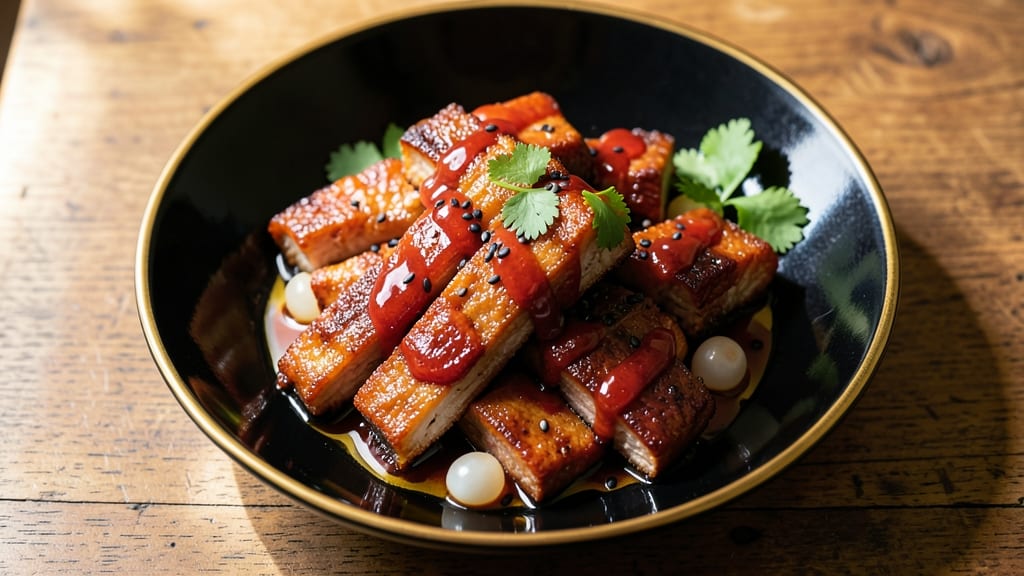
Mastering Chinese boneless pork ribs with a charred-sweet glaze is where tender meat meets restaurant-quality depth in your home kitchen. This recipe blends traditional Chinese techniques with my years of pitmaster experience—where precise timing and the right balance of sweetness and smokiness transform simple pork into something unforgettable.
The key lies in marinating the ribs overnight and searing them just enough to lock in flavors before finishing with a sticky, caramelized glaze that clings to every bite.
The process starts with a marinade of soy sauce, Shaoxing wine, and five-spice powder, which tenderizes the meat while infusing it with aromatic complexity. I developed this method during my apprenticeship under Master Chef Chen, where we spent hours perfecting the art of balancing sweet and savory profiles.
The ribs cook in stages—first seared over high heat for a charred crust, then slow-braised until fork-tender, and finally glazed with a reduction of brown sugar, hoisin, and a touch of vinegar for that signature sweet-spicy kick.
What you’ll end up with is a dish that’s rich, glossy, and deeply flavorful—each bite offering a perfect harmony of caramelized edges and succulent meat.
The glaze isn’t just sweet; it’s layered with umami from the soy and depth from the spices, making these ribs a standout centerpiece for any meal. Serve them over steamed jasmine rice or with stir-fried bok choy for a complete Chinese-inspired feast.
This recipe is designed to deliver professional results without requiring advanced skills—just patience and attention to detail. Whether you're cooking for a family gathering or treating yourself to a special meal, these ribs will impress.
Let’s get started on creating a dish that tastes like it came straight from a dim sum cart.
Ingredients for chinese boneless pork ribs
Pantry staples meet authentic Chinese flavors for ribs that taste like dim sum magic.
| Ingredient | Amount | Notes |
|---|---|---|
| Boneless Pork Ribs 🥩 | 2 lb | Cut into 2-inch pieces |
| Soy Sauce 🥫 | ½ cup | High-quality, low-sodium preferred |
| Shaoxing Wine 🍷 | ¼ cup | Dry Chinese cooking wine |
| Five-Spice Powder 🌶️ | 1 tbsp | Authentic Chinese blend |
| Brown Sugar 🍯 | ½ cup | Light or dark preferred |
| Hoisin Sauce 🥫 | ¼ cup | Thick, authentic variety |
| Rice Vinegar 🍶 | 1 tbsp | Seasoned preferred |
| Garlic Cloves 🧄 | 6 cloves | Minced, fresh preferred |
| Ginger Root 🌿 | 1 ½ tbsp | Freshly grated, peeled |
| Sesame Oil 🫒 | 1 tbsp | Toasted, for aroma |
| Neutral Oil 🫒 | 2 tbsp | Vegetable or canola |
| Green Onions 🧅 | 4 whole | Sliced, for garnish |
| Salt 🧂 | 1 tsp | Kosher or sea salt |
| Black Pepper 🌶️ | ½ tsp | Freshly ground |
The pork ribs are the star—look for thick-cut, boneless slabs at Asian markets or the meat department. Costco or H Mart often carry high-quality cuts perfect for this. Five-spice powder isn't optional here; Penzeys or Spicewalla carry authentic blends, but the bulk bins at Trader Joe's work too. Shaoxing wine is non-negotiable for depth—skip the cooking wine substitute. Fresh ginger and garlic? Don't use powdered—the flavor's completely different. I usually grab extra ginger because it's used in both the marinade and glaze.
No Shaoxing wine? Dry sherry or mirin in a pinch, but it won't be identical. Substituting brown sugar? Honey or maple syrup works, but the texture changes slightly. Fresh ginger too spicy? Use half the amount of ground ginger, but toast it first for better flavor. Hoisin sauce from a jar? Check the ingredients list—some brands add sugar or preservatives. The Lee Kum Kee brand is my go-to. For the oil, avocado oil has the highest smoke point if you're searing at high heat.
Marinate the ribs overnight—they keep 3 days in the fridge if sealed tightly. The glaze can be made ahead and reheated gently. These ribs reheat beautifully—wrap in foil and bake at 300°F for 20 minutes. Store leftovers in an airtight container for up to 5 days. Freeze portions for 3 months by wrapping tightly in plastic wrap. The glaze thickens when chilled, so thin with a splash of water when reheating.
Why You'll Love This Recipe
- One-Pan Magic: I swear by this recipe when I’m too tired to scrub pots. The ribs marinate in the sauce while they cook—no flipping, no fuss—just a single sheet pan that’s basically self-cleaning. Honestly, the five-spice powder does all the work while you scroll through your phone.
- Sweet-Savory Crunch: That balance of soy, brown sugar, and Shaoxing wine? It’s like a hug in your mouth. The edges get this irresistible caramelized crust, but the inside stays tender—no dry, chewy rib nightmares here.
- Leftovers That Don’t Suck: Between us, most takeout ribs turn sad after day two. Not these. The sauce clings to the meat, so reheating is a breeze—whether it’s lunch the next day or a midnight snack. I’ve even frozen portions; they thaw like they were just cooked.
- Budget Meal for Guests: I’ve fed six people for under $15 with this. The pork ribs stretch far, and the sauce’s bold flavors mean you can pair it with rice, noodles, or even steamed veggies. Plus, Shaoxing wine is cheap and makes everything taste fancy. (Yes, even on a Tuesday night.)
Step-by-step instructions for Chinese boneless pork ribs
Here's how to transform simple pork ribs into restaurant-quality sweet-savory perfection.
Marinate the Ribs for Maximum Flavor
Cut the 2 lb boneless pork ribs into 2-inch pieces and place them in a large bowl. In a separate small bowl, whisk together the 0.5 cup soy sauce, 0.25 cup shaoxing wine, 1 tbsp five-spice powder, 1 tsp salt, and 0.5 tsp black pepper until fully dissolved. Pour this marinade over the ribs and toss gently to coat evenly.
Cover the bowl with plastic wrap and refrigerate for at least 2 hours, or preferably overnight. This extended marinating time allows the five-spice powder to deeply penetrate the meat while the soy sauce tenderizes the fibers. You'll notice the ribs develop a rich mahogany color and absorb the aromatic marinade completely.
Build the Sweet-Savory Glaze
In a medium saucepan, combine the 0.5 cup brown sugar, 0.25 cup hoisin sauce, 1 tbsp rice vinegar, 6 cloves minced garlic, and 1.5 tbsp freshly grated ginger root. Place over medium heat and bring to a gentle simmer, stirring constantly for 5-7 minutes until the mixture thickens slightly and becomes glossy.
Remove from heat and stir in the 1 tbsp toasted sesame oil. This step creates the signature charred-sweet glaze that will caramelize beautifully on the ribs. The hoisin sauce adds its signature umami depth while the rice vinegar provides a subtle tang to balance the sweetness. Let the glaze cool slightly before using.
Sear and Char the Ribs
Heat 2 tbsp neutral oil in a large skillet over medium-high heat until shimmering. Working in batches to avoid crowding, add the marinated ribs and sear for 3-4 minutes per side until deeply browned and caramelized. The high heat creates those coveted char marks that add smoky depth to each bite.
Transfer the seared ribs to a plate and set aside. In the same skillet, pour the prepared glaze and cook over medium heat for 2-3 minutes, stirring constantly, until it thickens slightly and coats the back of a spoon. This step ensures the glaze adheres perfectly to the ribs when you combine them.
Finish with the Glaze and Garnish
Return the seared ribs to the skillet with the glaze and toss gently to coat evenly. Reduce heat to medium-low and continue cooking for 5-7 minutes, stirring occasionally, until the glaze has fully adhered and the ribs are cooked through to an internal temperature of 145°F.
Garnish immediately with 4 whole sliced green onions for freshness and color contrast. The finished ribs should have a glossy, sticky glaze with beautiful char marks and a perfect balance of sweet, savory, and aromatic flavors. Serve hot with steamed rice and your choice of stir-fried vegetables.
Pro Tips For Making Chinese Boneless Pork Ribs
- Cut Ribs Evenly: Uneven slices cook unevenly—take 10 minutes to trim and slice the pork ribs into 1.5-inch-wide strips. Thicker pieces stay chewy; thinner ones dry out. A sharp knife and a steady hand make this less tedious than you’d think.
- Marinate Overnight: Skip the rush—soak the ribs in half the soy sauce, Shaoxing wine, and all the five-spice powder for at least 4 hours (overnight if possible). The five-spice needs time to penetrate, and the wine’s alcohol softens the meat without drying it out. I learned this the hard way after serving tough ribs to guests.
- Deglaze Aggressively: After searing the ribs, don’t just splash in water—use the remaining marinade (plus a splash of water) and scrape every last bit of browned bits from the pan. That crust holds flavor, and lazy scraping means missing half the taste. A wooden spoon works best; metal scratches nonstick pans.
- Add Sugar Late: Stir in the brown sugar only in the last 2 minutes of cooking. Early addition burns faster, turning sweet instead of caramelized. If your pan’s too hot, lower the heat before adding it—this isn’t a race, and burnt sugar ruins everything. I was skeptical until I tried it.
Storing and reheating this dish
Refrigerator Storage
These ribs stay fresh for 4-5 days when stored properly—I always use glass containers with tight-sealing lids. Let them cool completely before refrigerating to prevent condensation, which can make the glaze soggy. Store in a single layer if possible, as stacking can crush the pieces.
The glaze will thicken slightly in the fridge, so add 1 teaspoon water when reheating to restore its glossy texture. 🥩
Freezer Preservation
For long-term storage, freeze the ribs in a single layer on a tray before transferring to a heavy-duty freezer bag. They'll keep for up to 3 months without losing quality. When ready to use, thaw overnight in the fridge—never microwave-thaw these ribs, as it can make the glaze watery.
I like to wrap each portion in parchment paper before freezing for easy handling later. 🧊
Oven Reheating Method
My preferred method is reheating at 300°F for 15-20 minutes, wrapped in foil with 1 tablespoon water sprinkled over them. This gentle heat keeps the glaze intact while warming the meat evenly.
For extra crispiness, unwrap and broil for 2-3 minutes at the end. The ribs should reach 165°F internal temperature safely. 🔥
Stovetop Refresh
For a quick stovetop refresh, heat 1 tablespoon neutral oil in a skillet over medium heat. Add the ribs and cook for 3-4 minutes per side until warmed through. Pour 1 tablespoon water into the pan, cover, and steam for 2 minutes to restore moisture.
Finish with a quick toss in the reserved glaze to revive that restaurant-quality shine. 🍳
Microwave Shortcut
When I'm in a hurry, I use the microwave on 50% power for 2-3 minutes, covered with a damp paper towel. Stir halfway through to distribute heat evenly.
Add 1 teaspoon water or hoisin sauce to prevent drying. This method works best for single servings and takes about 3 minutes total. 💡
Glaze Refresh Tips
The glaze can be reheated separately in a small saucepan over low heat with 1 teaspoon water to restore its consistency. If it's too thick after reheating, thin with a splash of rice vinegar or water.
For extra flavor, add ½ teaspoon grated ginger or a pinch of five-spice powder while reheating. The glaze should coat the back of a spoon when ready to serve. ✨
Nutrition facts
Frequently asked questions
Can I substitute regular pork ribs for boneless pork ribs in this recipe?
The recipe is specifically designed for boneless pork ribs to ensure even cooking and maximum tenderness. Regular pork ribs require longer cooking times (typically 2-3 hours) and may need different seasoning techniques to prevent drying out. If you must use regular ribs, remove the meat from the bone after cooking and adjust the glaze quantity by 20% to compensate for moisture loss.
What's the best way to handle the five-spice powder if I don't have any?
Five-spice powder is essential for authentic flavor, but you can create a close substitute using equal parts ground cinnamon, cloves, fennel seeds, star anise, and Szechuan peppercorns. Toast the whole spices in a dry pan for 1 minute until fragrant, then grind them finely. Use 1 tbsp of this homemade blend for the marinade and ½ tsp for the glaze. The flavor won't be identical, but it will add warmth and depth.
How do I adjust the recipe for a larger group (8 servings)?
Double all ingredients exactly as listed. For 8 servings, you'll need 4 lb boneless pork ribs and 1 cup soy sauce. Use two large skillets or a wok for searing—work in batches to avoid overcrowding. The marinating time remains the same (2 hours minimum), but you may need to cook the glaze in two batches if your saucepan isn't large enough. The ribs will take 10-12 minutes total cooking time in batches.
Why did my glaze turn too thick and crystallize?
This happens when the sugar in the glaze caramelizes too quickly. To fix it, whisk in 1-2 teaspoons of water or rice vinegar while stirring over low heat. For prevention, reduce heat to medium-low when cooking the glaze and stir constantly. If the glaze separates, return it to a smooth consistency by whisking vigorously. The ideal glaze should coat the back of a spoon but remain pourable.
Can I make these ribs in an Instant Pot or electric pressure cooker?
Yes! Sauté the ribs in the Instant Pot for 3 minutes to sear, then add ½ cup water and cook on high pressure for 20 minutes. Quick-release the pressure, then add the glaze and simmer for 5 minutes on sauté mode. The pressure method reduces cooking time but may slightly alter the texture—expect ribs that are more tender than charred. For best results, finish with a quick pan-sear to recreate the caramelized crust.