
Main Courses
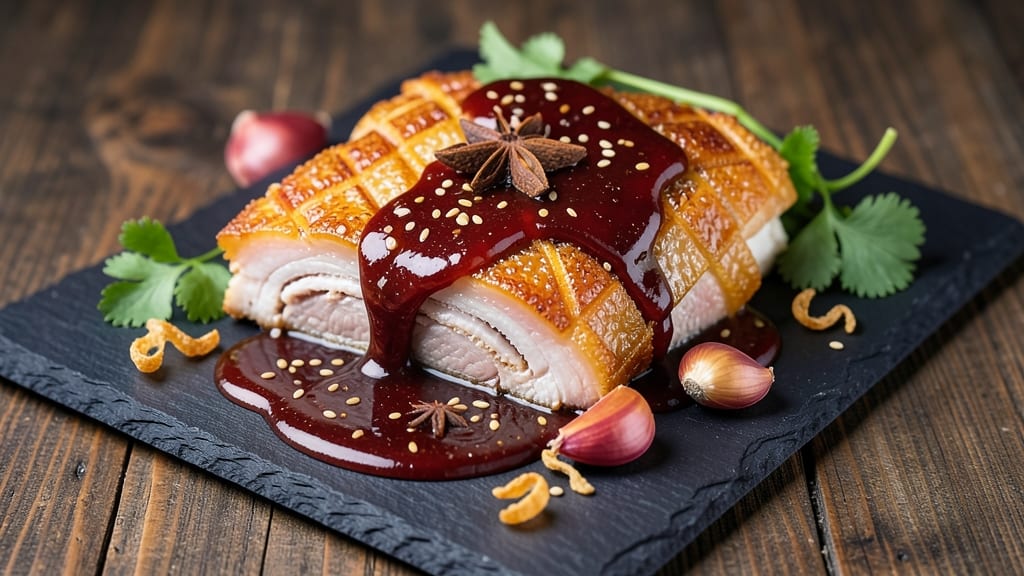
This Chinese braised pork belly recipe delivers melt-in-your-mouth meat with silky, crackling skin that transforms a simple dinner into a restaurant-worthy experience. The secret lies in marinating the pork belly for hours, then slow-braising it with star anise, cinnamon, and soy sauce until the meat practically falls apart.
I first learned this technique from a Cantonese chef in New York, and it’s become my go-to for special occasions.
The process requires patience—about 3 hours of hands-off cooking—but the result is worth every minute. The pork belly develops a rich, caramelized sauce that coats each tender bite, while the skin becomes irresistibly crispy. This dish pairs perfectly with steamed jasmine rice or stir-fried bok choy to complete the meal.
What makes this recipe special is the balance of textures and flavors: the meat is shred-worthy, the sauce is deeply aromatic, and the skin is crisp enough to stand up to a fork.
It’s a dish that feels luxurious yet is simple enough to prepare on a weeknight with the right technique.
The key steps—marinating, browning, and slow-braising—ensure the pork belly stays moist while developing layers of flavor. Once you try this method, you’ll never settle for anything less than restaurant-quality braised pork again.
Ingredients for Chinese braised pork belly
Restaurant-quality braising begins with these aromatic, time-tested ingredients for silky pork belly.
| Ingredient | Amount | Notes |
|---|---|---|
| Pork Belly 🥓 | 2 lb | Skin-on, cut into 1-inch thick slices |
| Soy Sauce 🥫 | ½ cup | High-quality, preferably Japanese |
| Brown Sugar 🍯 | ¼ cup | Packed, light or dark variety |
| Star Anise 🌿 | 2 whole | Whole pods for infusion |
| Cinnamon Sticks 🌿 | 2 whole | 1-inch pieces for aroma |
| Garlic Cloves 🧄 | 6 cloves | Peeled, smashed for infusion |
| Fresh Ginger 🌿 | ½ cup | Finely grated, aromatic |
| Shaoxing Wine 🍷 | ¼ cup | Substitute with dry sherry |
| Sesame Oil 🫒 | 1 tbsp | Toasted, for finishing |
| Green Onions 🧅 | ¼ cup | Sliced, for garnish |
| Water 💧 | 1 ½ cups | Filtered or spring water |
| Diamond Crystal Kosher Salt 🧂 | 1 ½ tsp | For seasoning |
| Black Peppercorns 🌶️ | ½ tsp | Crushed, for depth |
| Cornstarch 🌾 | 1 tbsp | For crisping skin |
The pork belly is non-negotiable—thick-cut, skin-on from a quality butcher ensures optimal texture. Whole Foods or local Asian markets carry premium cuts with superior marbling. Look for pieces with crisp, white fat and minimal bruising. If using frozen, thaw overnight in the fridge for even cooking. The skin should be intact—this is what becomes the coveted crackling. For best results, source from a trusted supplier like Crown Beef or your local Chinese market, where they often sell pre-sliced belly for braising.
Substitutions must respect the dish's integrity. Shaoxing wine can be swapped for dry sherry or mirin, though the flavor will differ slightly. Star anise and cinnamon are essential for the aromatic profile—omit them only if you have allergies. Fresh ginger should be vibrant yellow with no soft spots; if unavailable, use 1 tbsp ground ginger, but fresh is preferred. The brown sugar can be light or dark, but avoid artificial sweeteners. For a quicker prep, pre-grate the ginger and smash the garlic cloves with the flat side of a knife to release more flavor. The sesame oil should be toasted—Kadoya brand is ideal, but any premium toasted oil works.
Proper storage extends this dish's luxurious potential. The braised pork belly keeps 4-5 days in the fridge, with flavors deepening over time. For longer storage, freeze in portions for up to 3 months—reheat gently to preserve the skin's crispness. The aromatic spices (star anise, cinnamon) can be reused in broths or marinades after removal. Portion the sauce separately if you prefer to reheat the meat dry—it reheats beautifully with a splash of water. For restaurant-style presentation, serve with steamed jasmine rice and garnish with green onions just before serving to maintain freshness.
Why You'll Love This Recipe
- One-Pot Magic: The pork belly practically braises itself while you sip tea. Just sear, add the soy sauce and spices, then let it slow-cook—no flipping, no fussing, just hands-off perfection.
- Sweet-Savory Crunch: That caramelized brown sugar crust? It’s the star. The star anise and cinnamon add warmth, but it’s the contrast—tender, fatty pork with a sticky, slightly crispy exterior—that makes this dish dangerously good.
- Leftovers That Shine: Between us, this tastes better the next day. I make a double batch on Sundays, then use it for rice bowls, sandwiches, or even dumpling fillings—no one suspects it’s reheated (they’re wrong, but still).
- Budget Luxury: Pork belly might sound fancy, but it’s a cost-effective splurge. A slab feeds four, and the spices cost pennies. Plus, the leftovers stretch into meals that feel special without the restaurant price tag.
Step-by-step instructions for Chinese braised pork belly
Master this classic technique for perfectly tender, caramelized pork belly with crispy skin.
Prepare the Pork Belly for Maximum Flavor
Begin by scoring the skin of the 2 lb pork belly in a diamond pattern using a sharp knife, being careful not to cut into the meat. This creates channels for the marinade to penetrate and ensures even cooking. Pat the skin completely dry with paper towels—moisture is the enemy of crispy skin.
In a small bowl, combine the 0.5 cup soy sauce, 0.25 cup packed brown sugar, 0.25 cup shaoxing wine, and 1.5 tsp diamond crystal kosher salt. Whisk until the brown sugar dissolves completely. Rub this mixture generously over all surfaces of the pork belly, including the scored skin. Let it marinate uncovered in the refrigerator for at least 4 hours, or preferably overnight. This step develops deep umami flavors and prepares the skin for crisping.
Build the Aromatic Braising Base
Heat a heavy-bottomed Dutch oven or large pot over medium heat. Add the 1 tbsp sesame oil and let it shimmer. Add the 6 smashed garlic cloves and 0.5 cup finely grated fresh ginger, cooking for 1 minute until fragrant. Add the 2 whole star anise and 2 whole cinnamon sticks, stirring for 30 seconds to release their aromatic oils.
Pour in the 1.5 cups water and bring to a gentle simmer. Add the marinated pork belly, skin-side up, along with the crushed 0.5 tsp black peppercorns. The liquid should come about halfway up the sides of the pork belly. Bring to a full boil, then immediately reduce heat to low, cover tightly with a lid, and let it braise for 2 hours. This initial simmering helps remove impurities from the meat and begins breaking down the connective tissue.
Develop the Caramelized Sauce
After 2 hours, carefully remove the pork belly from the pot and transfer it to a plate. Strain the braising liquid through a fine-mesh sieve into a clean bowl, pressing on the aromatics to extract maximum flavor. Return the strained liquid to the pot and bring it to a boil over medium-high heat.
While the liquid reduces, sprinkle the 1 tbsp cornstarch over the pork belly to create a crispy skin. Return the pork belly to the pot, skin-side down, and let it crisp for 2-3 minutes. Then flip it once to crisp the other side. Immediately pour the reduced braising liquid back over the pork belly and return to a simmer. The sauce should coat the back of a spoon and have a glossy sheen. If it's too thick, add 1-2 tablespoons of water to reach your desired consistency.
Finish and Rest for Optimal Texture
Continue simmering uncovered for an additional 30-45 minutes, basting the pork belly occasionally with the sauce. The pork belly is done when it easily shreds with two forks and the skin is deep golden brown and crispy. The internal temperature should reach 205°F in the thickest part of the meat.
Transfer the pork belly to a cutting board and let it rest for 10 minutes before slicing. This resting period allows the juices to redistribute, ensuring each bite is moist and flavorful. While it rests, garnish with the 0.25 cup sliced green onions. To serve, spoon the caramelized sauce over the sliced pork belly or use it as a dipping sauce for steamed rice.
Pro Tips For Making Chinese Braised Pork Belly
- BLISTER THE BELLY FIRST: Hit that pork belly with a screaming-hot wok or skillet until the fat renders and the surface turns a deep golden-brown—almost black in spots. I learned this the hard way: skipping this step means your braise will taste flat and pale. A few minutes of high heat builds flavor that no slow simmer can replace.
- SALT THE PORK WELL: Generously coat the pork belly with salt before searing—at least 15 minutes ahead, or even overnight if you’re patient. This isn’t just for seasoning; it breaks down collagen faster, making the meat tender without overcooking it. (Yes, even if you’re using soy sauce, which is salty—trust me, double down.)
- LOW AND SLOW AFTER SEARING: Once the pork is in the braising liquid, reduce heat to the lowest setting possible—think of it like a lazy Sunday afternoon. Too much heat later = tough, stringy meat. Cover tightly and let it stew for 2+ hours, stirring occasionally. Pork belly needs time, not urgency.
- TOAST THE SPICES: Dry-toast the star anise and cinnamon sticks in the pot for 30 seconds before adding liquid—just until they smell like a spice shop. This wakes up their flavors way more than tossing them in raw. (Bonus: strain them out later if you hate chewing on them.)
Wine and beer pairings for this recipe
Rich Red Wine Pairings
For this deeply aromatic dish, I reach for a Chinese red wine like Cabernet Grapes from Ningxia—it mirrors the dish's bold flavors with its dark fruit and earthy undertones. A Shiraz from Australia also works beautifully, as its peppery notes complement the star anise and cinnamon in the braise.
Avoid heavy, oaky wines—they’ll overpower the delicate balance of sweet, savory, and umami in the sauce. 🍷
Light Beer Complements
A crisp Chinese lager like Tsingtao or Snow Beer cuts through the richness without competing. The light, clean profile lets the pork belly’s flavors shine while refreshing your palate between bites.
For craft beer lovers, a wheat beer with citrus notes (like Blue Moon) adds a bright contrast to the caramelized sauce. Just avoid heavy stouts—they’ll make the dish feel too heavy.
Rice Wine for Sipping
If you prefer spirits, serve Shaoxing wine (the same used in the recipe) as a digestif. Its nutty, slightly sweet profile echoes the dish’s flavors and ties the meal together beautifully.
For a non-alcoholic option, jasmine tea with a splash of lychee juice enhances the dish’s floral and fruity undertones while keeping it light. 🍶
Sauce as a Dipper
The caramelized braising sauce makes an excellent dipping sauce for steamed rice or mantou (Chinese steamed buns). Pair it with a light, effervescent white wine like Riesling to balance the sauce’s sweetness and umami. The wine’s acidity cleanses your palate, making each bite of pork belly even more satisfying.
Regional Wine Insights
In Cantonese cuisine, red wines from Yunnan province are traditionally served with braised dishes. Their high altitude and unique terroir create wines with earthy, mineral notes that harmonize perfectly with the pork belly’s deep flavors.
If you can’t find Chinese wines, a Pinot Noir from Oregon offers a similar earthy elegance. 🌏
Nutrition facts
Frequently asked questions
Why does the pork belly need to marinate overnight?
The overnight marinade is crucial for two reasons: it tenderizes the meat by breaking down tough fibers, and it infuses the skin with flavor so it becomes crispy and aromatic. The soy sauce, sugar, and wine penetrate deeply, creating that signature caramelized crust. Skipping this step risks dry, flavorless skin.
Can I use frozen pork belly for this recipe?
Yes, but thaw it completely in the fridge for 24 hours before marinating. Never thaw at room temperature, as this promotes bacterial growth. Pat the skin completely dry after thawing—any moisture will prevent proper crisping. The texture and flavor won't suffer if thawed properly.
What if my braising liquid evaporates too quickly?
This usually happens with high heat or small pots. Keep the heat at a gentle simmer (small bubbles) and cover tightly with a lid. If needed, add 1-2 tablespoons of water to maintain the liquid level. The goal is slow cooking—rushing it will make the meat tough.
How do I know when the pork belly is fully cooked?
It's done when the meat shreds easily with two forks and the internal temperature reaches 205°F. The skin should be deep golden brown and crispy. If the sauce reduces too much before the meat is tender, add a splash of water and simmer uncovered for the final 15-20 minutes.
Can I make this recipe in a slow cooker?
Yes! Brown the pork belly first in a skillet, then transfer it to the slow cooker with all aromatics and 1 cup of water. Cook on low for 6-8 hours until tender. Finish by crisping the skin in a skillet with cornstarch, then return it to the slow cooker with the reduced sauce. The texture will be slightly more tender than stovetop, but still delicious.