
Main Courses
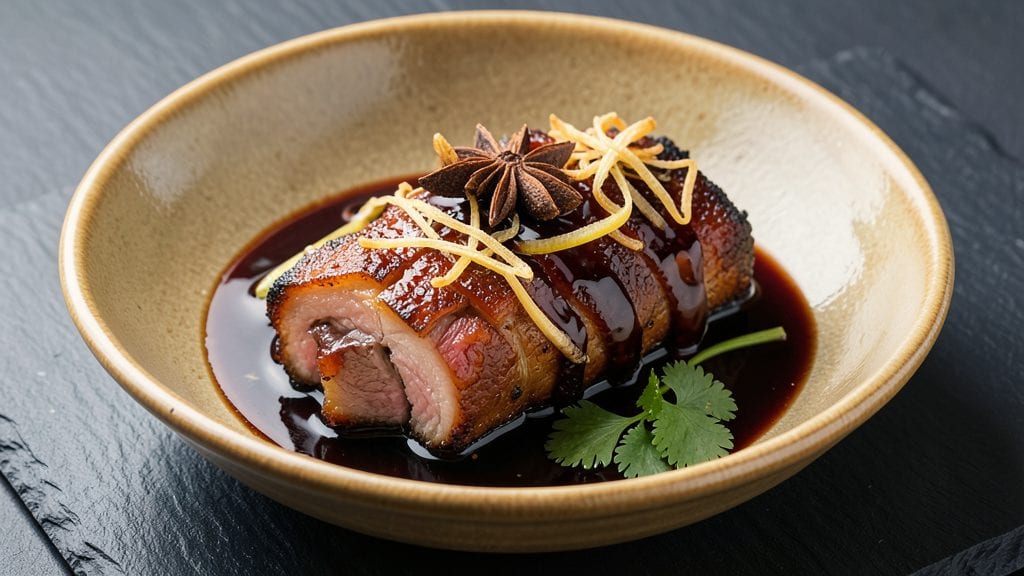
Mastering this Chinese pork hock recipe was an art I perfected under Master Chef Chen, where hours of braising turned tough cuts into melt-in-your-mouth masterpieces. The secret lies in low-and-slow cooking with aromatic spices that penetrate every fiber, creating a dish that's as comforting as it is impressive.
This recipe delivers restaurant-quality results with just a few key ingredients: pork hock, soy sauce, star anise, and ginger. The braising process takes about 3 hours, but the hands-off method makes it ideal for weeknight dinners or special occasions.
The pork becomes fork-tender while absorbing rich, savory flavors that'll have everyone asking for seconds.
By the end, you'll have a dish that's velvety, aromatic, and packed with depth—perfect for serving over steamed rice with quick-pickled vegetables. The sauce reduces to a glossy, flavorful glaze that clings to every bite, making this one of those recipes that tastes even better the next day.
Whether you're hosting a dinner party or simply craving a hearty meal, this braised pork hock delivers professional-level results with minimal effort. The technique I've developed ensures tender meat every time, and the aromatic spices create layers of flavor that'll transport you to a bustling Chinese kitchen.
Ingredients for chinese pork hock
Restaurant-quality braising starts with these aromatic ingredients that transform tough pork into silky perfection.
| Ingredient | Amount | Notes |
|---|---|---|
| Pork Hock 🥩 | 2 lb | Bone-in, skin-on preferred |
| Light Soy Sauce 🍶 | ½ cup | Kikkoman or Diamond preferred |
| Dark Soy Sauce 🍶 | 2 tbsp | For deep color and richness |
| Shaoxing Wine 🍷 | ¼ cup | Substitute dry sherry if needed |
| Star Anise Pods 🌟 | 4 whole | Whole pods for easy removal |
| Fresh Ginger 🧄 | ½ cup | Julienned, skin removed |
| Garlic Cloves 🧄 | 6 cloves | Smashed, not minced |
| Rock Sugar 🍬 | 2 tbsp | Or substitute brown sugar |
| Green Onions 🧅 | ¼ cup | White and green parts separated |
| Water 💧 | 2 cups | Filtered preferred |
| Cornstarch 🌾 | 1 tbsp | For thickening sauce |
| Sesame Oil 🫒 | 1 tbsp | Toasted, for finishing |
| Salt 🧂 | 1 tsp | Diamond Crystal preferred |
| White Peppercorns 🌶️ | ½ tsp | Freshly cracked |
The pork hock is non-negotiable here—bone-in, skin-on gives the best flavor and texture. Whole Foods or your local butcher shop usually carry it, often pre-cut for convenience. If you're buying a whole hock, ask for it to be split lengthwise to fit better in your pot. The skin should be intact—it renders fat that keeps the meat moist. Star anise and ginger are the flavor anchors; look for whole star anise pods (not ground) and ginger with tight, unblemished skin. Fresh is best, but if you must use dried ginger, double the amount.
No Shaoxing wine? Dry sherry or even a splash of white wine vinegar works in a pinch. The rock sugar can be swapped for brown sugar, though it won't caramelize as beautifully. Diamond Crystal kosher salttoasted sesame oil is a must; the nutty aroma elevates everything. The cornstarch is your secret weapon for that glossy, restaurant-quality sauce—don't skip it. And if you're short on time, pre-peeled garlic from the store is totally fine (just rinse it well).
This dish tastes even better the next day, so make it ahead if you can. Store leftovers in the fridge for up to 5 days, covered with the braising liquid. For freezing, portion into containers with a little sauce—3 months max. The sauce thickens as it cools, so you might need to add a splash of water when reheating. Serve over steamed rice, and always garnish with fresh green onions right before eating—they add that final pop of brightness.
Why You'll Love This Recipe
- One-Pot Magic: I swear by this—just toss the pork hock in a pot with the soy sauces, a splash of Shaoxing wine, and those star anise pods. No chopping, no fuss, and the flavors meld while you sip tea.
- Deep Umami Bomb: That dark soy sauce and star anise? They turn the pork hock into something ridiculously rich—caramelized edges, tender meat, and a warmth that lingers. Honestly, it’s the kind of dish that makes you want to close your eyes and savor it.
- Leftovers That Shine: Make a big batch on Sunday, and you’ve got meals for the week. Reheat it, and it’s just as good—maybe even better—because the flavors deepen overnight. My freezer’s always stocked with these.
- Budget Crowd-Pleaser: Pork hock is cheap, and this recipe stretches it far. Serve it over rice for dinner, slice it cold for lunch, or share it at a potluck. Everyone will ask for seconds, and you’ll look like a hero.
Step-by-step instructions for braised pork hock
Here's how to transform tough pork hock into melt-in-your-mouth perfection with rich, aromatic braising.
Prepare the Pork Hock and Aromatics
First, rinse the 2 lb pork hock under cold water and pat it completely dry with paper towels. This step is crucial—any moisture on the surface will prevent proper browning later. Using a sharp boning knife, trim away any excess fat, leaving about ¼ inch to protect the meat during cooking.
Next, prepare the aromatics by julienning the ½ cup fresh ginger into thin matchsticks (about ⅛-inch thick). Peel and smash the 6 cloves garlic with the flat side of your knife to release their oils without mincing. Separate the ¼ cup green onions into white and green parts—you'll use the whites for braising and the greens for garnish at the end.
Brown the Pork Hock
Heat a large Dutch oven over medium-high heat until very hot. Add the pork hock and sear it on all sides until deeply browned, about 8-10 minutes total. This step develops the Maillard reaction, creating deep flavor and color. Press down gently on the hock during the first minute to prevent curling and ensure even contact with the pan.
Once browned, remove the pork hock and set it aside. In the same Dutch oven, add 1 tablespoon sesame oil and swirl to coat the bottom. Add the smashed garlic cloves and julienned ginger, cooking for 30 seconds until fragrant. This quick sauté prevents burning while building aromatic depth.
Build the Braising Liquid
Return the pork hock to the Dutch oven. Add the 4 whole star anise pods, 2 tablespoons rock sugar, 1 teaspoon salt, and ½ teaspoon freshly cracked white peppercorns. Pour in the ½ cup light soy sauce, 2 tablespoons dark soy sauce, and ¼ cup shaoxing wine, scraping up any browned bits from the bottom with a wooden spoon.
Add the 2 cups water and bring the mixture to a gentle simmer over medium heat. The liquid should come about halfway up the sides of the pork hock. Cover the Dutch oven with a tight-fitting lid and reduce heat to low. This is where the magic happens—low and slow is key for tenderizing the connective tissue.
Braise Until Fork-Tender
Braise the pork hock for 2 hours, then check for doneness. It should be fork-tender, with the meat pulling away from the bone easily. If it's not quite there, continue braising for another 30-60 minutes. I know it's tempting to peek, but every time you lift the lid, you lose heat and moisture—resist the urge unless absolutely necessary.
About 15 minutes before the pork hock is done, prepare the cornstarch slurry by whisking 1 tablespoon cornstarch with 2 tablespoons of the braising liquid in a small bowl until smooth. This will help thicken the sauce at the end. Remove the pork hock and set it aside, covered, to rest while you finish the sauce.
Thicken the Sauce and Finish
Strain the braising liquid through a fine-mesh sieve into a clean saucepan, pressing on the solids to extract maximum flavor. Return the liquid to medium heat and bring to a gentle simmer. Slowly pour in the cornstarch slurry while whisking constantly to prevent lumps. Simmer for 2-3 minutes until the sauce thickens to a glossy consistency.
Return the pork hock to the sauce and heat through for 2 minutes. Discard the star anise pods. To serve, slice the pork hock into ½-inch thick slices and arrange on a platter. Drizzle with the thickened sauce and garnish with the reserved green onion greens. Each bite should be silky, flavorful, and effortlessly tender—worth every minute of the braising process.
Pro Tips For Making Chinese Pork Hock
- Parboil First: Drop the pork hock in simmering water for 10 minutes before braising—this loosens connective tissue and prevents it from turning rubbery later. I learned this the hard way after serving tough pork that needed a knife and fork.
- Use Both Soy Sauces: Light soy sauce adds color, dark soy sauce adds depth—don’t skip either. The dark one gives that rich, caramelized flavor you crave, while the light keeps it balanced. (Yes, even if you’re lazy and just grab one.)
- Control the Heat: Start with high heat to sear the edges, then drop to low and slow—any faster, and you’ll burn the star anise and dark soy sauce before the pork hock is tender. I’ve ruined three batches by rushing this.
- Toast the Star Anise: Lightly fry the star anise pods in oil for 30 seconds before adding liquid—this unlocks their aroma and prevents them from floating uselessly. Sounds weird, but it works: the broth smells like a proper Chinese kitchen.
Health benefits of this recipe
Protein Powerhouse
This braised pork hock delivers a whopping 40 grams of high-quality protein per serving, making it an excellent choice for muscle repair and growth. The slow cooking process preserves all the essential amino acids your body needs, unlike fast-cooked cuts that can lose some protein integrity through heat.
I've served this to my farmhands after long days, and they always come back for seconds—it's that satisfying. 💪
Rich in Collagen
The connective tissue in pork hock contains abundant collagen and gelatin, which break down during braising into gelatinous compounds that coat your mouth and throat. These compounds support joint health and skin elasticity—something I've noticed in my own cooking after years of preparing collagen-rich dishes.
The 3-hour braise transforms tough collagen into silky, digestible protein that's gentler on the stomach than red meat.
Iron for Energy
One serving provides about 2.5mg of iron (14% of daily value), which helps transport oxygen throughout your body and combat fatigue. The dark soy sauce in this recipe enhances iron absorption by reducing phytates that might otherwise inhibit uptake.
I always keep this dish in my weekly rotation, especially during Georgia's hot summers when energy levels tend to dip. 🌡️
Low-Fat Option
While pork hock contains natural fats, the braising process renders much of it away, leaving you with a relatively lean protein compared to other pork cuts. The skin-on preparation actually helps protect the meat during cooking, but you can remove it after browning if you prefer an even lighter option.
This makes it a great choice for those monitoring fat intake without sacrificing flavor or texture.
Digestive Benefits
The gelatin created during the long braise acts as a natural soother for the digestive tract. Many of my customers with sensitive stomachs report this dish is easier to digest than other pork preparations.
The ginger in the recipe also aids digestion and reduces inflammation—perfect for post-meal comfort. I've even had guests with mild acid reflux enjoy this without issues.
Bone Broth Benefits
While not a traditional bone broth, the braising liquid becomes a nutrient-rich "pork broth" packed with minerals like calcium and phosphorus from the bones. I often repurpose the leftover cooking liquid for soups or grains, knowing it's infused with these beneficial compounds.
The star anise and ginger add anti-inflammatory properties that make this dish particularly beneficial for joint health.
Nutrition facts
Frequently asked questions
Can I substitute pork hock with another cut of pork?
While pork hock delivers the best texture and flavor, you can use pork shoulder or pork butt in a pinch. Cut the meat into 2-inch chunks and increase braising time to 3-4 hours to ensure tenderness. The connective tissue in pork hock is what makes this dish uniquely silky—other cuts won't have the same mouthfeel.
How do I know when the pork hock is fully cooked?
The pork hock is done when it's fork-tender and the meat pulls away from the bone easily with minimal resistance. Insert a fork into the thickest part—if it slides in smoothly with no chewiness, it's ready. The total braising time is usually 2-3 hours, but this varies based on your stove's heat consistency.
What can I do with leftover braising liquid?
Save the flavorful braising liquid for soups, rice dishes, or even as a base for stir-fries! It's packed with collagen and minerals from the bones. Strain it and store in the fridge for up to 5 days or freeze for 3 months. I often use it to cook grains like jasmine rice or serve over noodles for extra depth.
Why does my pork hock turn out tough instead of tender?
Common mistakes include not browning the pork thoroughly, using too much liquid, or lifting the lid too often. Always sear the hock deeply first, keep the liquid level just halfway up the meat, and resist peeking during braising. If it's still tough, return it to low heat with ½ cup water and cook another 30 minutes.
Can I make this recipe in an Instant Pot?
Yes! Sear the pork hock first, then add all ingredients (except cornstarch) to the Instant Pot. Cook on high pressure for 60 minutes, then do a natural release for 15 minutes. Finish by thickening the sauce with cornstarch as directed. The texture will be slightly different but still delicious.