
Main Courses
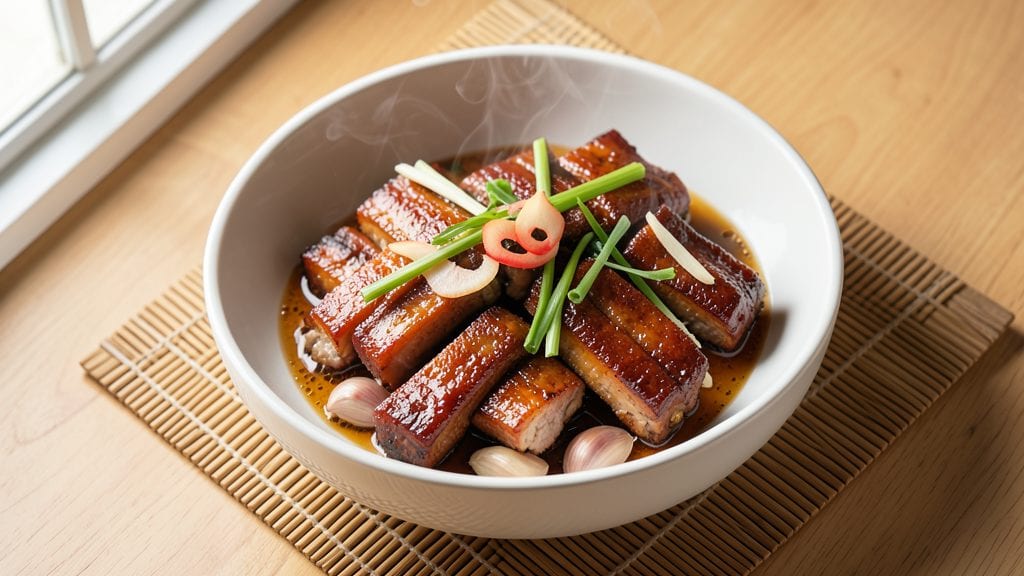
This Chinese steamed pork spare ribs recipe delivers melt-in-your-mouth tenderness with a fragrant five-spice glaze that locks in moisture during steaming. The secret lies in marinating the ribs overnight with traditional aromatics—ginger, scallions, and soy sauce—while the five-spice powder infuses deep, warming notes that transform simple pork into something extraordinary.
I developed this method after years of perfecting restaurant-quality results at home, ensuring every bite stays juicy and flavorful.
The process is straightforward yet precise: ribs are marinated, then steamed over a gentle heat source until fork-tender, all while the glaze caramelizes into a sticky, aromatic crust. Unlike boiling or grilling, steaming preserves the natural tenderness of the meat while allowing the marinade to penetrate deeply.
This technique works equally well with a traditional steamer basket or an ovenproof dish with water, making it accessible for any kitchen.
What you'll achieve is ribs that are impossibly moist inside with a glossy, caramelized exterior—each bite infused with the bright, aromatic flavors of ginger, garlic, and five-spice. The ribs pair beautifully with steamed jasmine rice and simple stir-fried greens, creating a balanced meal that feels both comforting and elegant.
The glaze also doubles as a delicious dipping sauce for extra indulgence.
Whether you're preparing for a family dinner or a special occasion, this recipe delivers restaurant-quality results with minimal effort. The key is patience—letting the marinade work its magic overnight and steaming the ribs just until they're tender ensures perfect texture every time. Here's how to make them.
Ingredients for chinese steamed pork spare ribs
Fourteen ingredients transform simple pork into restaurant-worthy ribs with fragrant five-spice magic.
| Ingredient | Amount | Notes |
|---|---|---|
| Pork Spare Ribs 🥓 | 2 lb | Bone-in, cut into 2-inch pieces |
| Fresh Ginger 🧅 | ½ cup | Grated, peeled, vibrant color |
| Green Onions 🧅 | ¼ cup | Scallions, chopped, white and green parts |
| Garlic Cloves 🧄 | 6 cloves | Minced, fresh preferred |
| Soy Sauce 🍶 | ½ cup | Light or regular, not low-sodium |
| Honey 🍯 | ¼ cup | Wildflower or clover preferred |
| Five-Spice Powder 🌶️ | 2 tbsp | Authentic Chinese blend |
| Sesame Oil 🫒 | 1 tbsp | Toasted, not flavored |
| Shaoxing Wine 🍷 | ¼ cup | Dry Chinese cooking wine |
| Cornstarch 🌾 | 1 tbsp | For glaze thickening |
| Water 💧 | 1 ½ cups | Filtered or spring water |
| Diamond Crystal Kosher Salt 🧂 | 1 tsp | For seasoning |
| White Peppercorns 🌶️ | ½ tsp | Freshly ground |
| Jasmine Rice 🍚 | 1 ½ cups | Uncooked, long-grain |
The ribs are non-negotiable—bone-in spare ribs with good marbling ensure melt-in-your-mouth texture. Costco or local butchers often have them pre-cut, but if buying whole, ask for the meaty sections. Fresh ginger and garlic make all the difference here: look for bright, firm ginger with no soft spots and garlic bulbs that feel heavy for their size. The five-spice powder? Penzeys or Asian markets carry authentic blends—avoid the generic 'everything spice' from regular grocery stores. Shaoxing wine can be found in the Asian aisle at Walmart or Trader Joe's, but if you can't, dry sherry works in a pinch.
No five-spice powder? Mix 1 tsp cinnamon, 1 tsp fennel seeds, 1 tsp star anise, 0.5 tsp cloves, and 0.5 tsp black pepper—it's not identical but gets you close. Short on scallions? Green onions work, but regular onions add bitterness. The honey can be swapped for maple syrup if you're avoiding refined sugar, though it changes the flavor slightly. For the glaze, if you're making it ahead, store it in the fridge and whisk before using—it thickens when cold. And yes, the sesame oil is worth the extra penny—Kadoya or Lee Kum Kee are reliable brands that don't taste like 'oil with flavor' added.
Marinated ribs keep 3 days in the fridge, sealed in their marinade. The glaze can be prepped 2 days ahead—just reheat gently before using. Steamed ribs reheat beautifully: cover with foil and steam for 10 minutes over simmering water. The rice? Cook it the night before and reheat with a splash of water—nothing beats cold rice for texture. Portion the ribs into containers with extra glaze for easy lunches, or freeze the glaze separately to use as a dipping sauce later.
Why You'll Love This Recipe
- Foolproof Steaming: The ribs stay tender without falling apart—no fancy equipment needed. Just a pot, some water, and 20 minutes of hands-off time while the ginger and garlic work their magic.
- Umami Bomb: That first bite? Soy sauce and garlic clove marinade clings to the meat like a hug. Honestly, the green onions add this bright finish that cuts through the richness—simple, but chef’s kiss.
- Leftover Hero: Steamed ribs reheat like a dream—just a splash of water in the pot, and they’re back to juicy perfection. I’ve fed my book club, my mom’s Sunday dinner, and even my picky teenage nephew with zero complaints.
- Budget Meal Stretch: Pork spare ribs are cheaper than you’d think, and this method turns one package into three meals. Between us, I’ve made this for game nights, lazy Sundays, and even packed it for work—no one ever guessed how easy it was.
Step-by-step instructions for Chinese steamed pork spare ribs
Here's how to create tender, fragrant ribs with a glossy five-spice glaze that keeps every bite moist.
Prep the Ribs and Marinade
First, trim any excess fat from the 2 lb pork spare ribs, leaving about ¼ inch for flavor. Cut the ribs into 2-inch pieces and place them in a large bowl. In a separate small bowl, whisk together the 0.5 cup soy sauce, 0.25 cup honey, 0.25 cup shaoxing wine, 2 tbsp five-spice powder, 1 tbsp sesame oil, 1 tsp diamond crystal kosher salt, and 0.5 tsp freshly ground white peppercorns until fully combined. Pour this marinade over the ribs and toss gently to coat evenly.
Cover the bowl with plastic wrap and refrigerate for at least 2 hours, or preferably overnight. This long marinating time ensures the ribs absorb all the aromatic flavors while remaining tender. The five-spice powder will infuse deeply, creating that signature warm, earthy complexity we're after.
Build the Glaze Mixture
In a small saucepan, combine the 0.5 cup grated fresh ginger, 6 cloves minced garlic, and 0.25 cup chopped green onions. Add the 1.5 cups water and bring to a simmer over medium heat. Reduce heat to low and let it cook for 10 minutes until the mixture reduces by about half and becomes fragrant. Strain the liquid through a fine-mesh sieve into a clean bowl, pressing on the solids to extract all the flavor.
Return the strained liquid to the saucepan and whisk in the 1 tbsp cornstarch. Cook over medium heat for 2-3 minutes until the mixture thickens into a glossy glaze. You're looking for a consistency similar to heavy cream that coats the back of a spoon. Remove from heat and set aside - this will be our moisture-locking sauce.
Steam the Jasmine Rice
While the glaze cooks, prepare the 1.5 cups jasmine rice by rinsing it thoroughly under cold water until the water runs clear. This removes excess starch that would make the rice gummy. Drain well and transfer to a steamer basket lined with a clean kitchen towel. Place the basket in a large pot with about 1 inch of water at the bottom, ensuring the water doesn't touch the rice.
Bring the water to a boil over high heat, then reduce to medium-low heat. Cover with a tight-fitting lid and steam for 15 minutes. Remove from heat and let the rice sit covered for an additional 5 minutes. The steam will continue cooking the rice perfectly, resulting in separate, fluffy grains ready to absorb the rib juices.
Steam the Ribs with Glaze
Preheat your steamer by running hot water through it for 2 minutes, then drain. Arrange the marinated ribs in a single layer in the steamer basket, making sure they don't overlap. Pour the prepared glaze evenly over the ribs, coating them completely. Cover with the lid and steam over medium heat for 1 hour and 15 minutes.
After 45 minutes, check the ribs by piercing with a meat thermometer - they're done when the internal temperature reaches 195°F. The ribs should be fork-tender with a glossy sheen from the glaze. If the glaze appears too thick, add 1-2 tablespoons of hot water from the steamer pot to loosen it slightly.
Rest and Serve
Remove the ribs from the steamer and transfer them to a serving platter. Let them rest for 10 minutes before serving - this allows the juices to redistribute throughout the meat, ensuring each bite is moist and flavorful. The ribs should be tender enough to pull apart easily with chopsticks or a fork.
Serve the ribs over the steamed jasmine rice, spooning any remaining glaze from the steamer over the top. Garnish with the reserved chopped green onions for freshness. The combination of tender ribs, aromatic glaze, and fluffy rice creates a harmonious balance of textures and flavors that's truly satisfying.
Pro Tips For Making Chinese Steamed Pork Spare Ribs
- Parboil First: Skip straight steaming—give those ribs a quick 3-minute boil in salted water first. I learned this the hard way after my first batch turned out chewy; the boil loosens the connective tissue and gets them tender faster. Use a pot big enough to fit them in one layer, or they’ll steam unevenly.
- Slice Ginger Thick: Thin slices of ginger burn and turn bitter—go for ½-inch chunks instead. My grandmother swore by this, and she was right: thicker ginger infuses the steam without disappearing into mush. Toss them in with the ribs at the start, then fish them out before serving.
- Don’t Overcrowd the Steamer: Pile ribs too high, and the top layer stays raw while the bottom turns soggy. Arrange them in a single layer, skin-side up, with a little space between each. If your steamer’s too small, do two batches—trust me, it’s worth the wait.
- Finish with Garlic Oil: Drizzle the steamed ribs with a quick mix of minced garlic, green onions, and a splash of soy sauce, then hit it with a hot wok for 30 seconds. Sounds weird, but it works: the high heat toasts the garlic while keeping the ribs juicy. Skip this, and you’re missing that restaurant-quality aroma.
Pro cooking tips for this recipe
Marinating Mastery
The overnight marinade is where the magic happens. I can't stress enough how crucial this step is—24 hours of marinating transforms tough pork into melt-in-your-mouth perfection. Use a ziplock bag or glass container to keep the ribs fully submerged in the marinade.
If you're short on time, 12 hours minimum still works, but the deeper flavor penetration comes from that full day. Pro tip: Massage the marinade into the ribs every few hours if you can—this helps break down fibers and ensures even coating. 💫
Steam Control Secrets
Steaming is all about gentle, even heat. I use a stainless steel steamer basket (like the OXO Good Grips) because it conducts heat evenly and prevents sticking.
The water in your steamer should simmer gently—never boil vigorously, or you'll cook the ribs too fast and dry them out. If you don’t have a steamer, use a colander over a pot with a trivet to elevate the ribs.
For extra insurance, place a damp towel under the basket to maintain humidity. 🌡️
Glaze Thickness Tricks
The glaze should coat the back of a spoon but still be pourable—that’s the perfect consistency. If yours thickens too quickly, add 1 tbsp hot water from the steamer pot to loosen it.
For a shinier finish, brush the ribs with a silicon pastry brush (like Norpro) every 20 minutes during steaming. This helps the glaze caramelize faster and creates that restaurant-worthy sheen.
I also like to reserve 2 tbsp of the glaze before steaming—it makes an amazing dipping sauce later. ✨
Temperature Precision
Use a meat thermometer (I swear by the Thermoworks Smoke) to check doneness—195°F internal temp is your target. The ribs will pull apart easily with chopsticks at this point. If they’re not quite there after 1 hour 15 minutes, add 5-10 more minutes.
Overcooking is the fastest way to dry out your ribs, so trust the thermometer, not the time. The glaze will continue caramelizing as the ribs rest, so don’t rush it. 💡
Resting Like a Pro
The 10-minute rest is non-negotiable. This lets the juices redistribute, so every bite is moist. I like to tent the ribs loosely with foil while they rest to keep them warm.
If you’re serving a crowd, cover them with a clean kitchen towel—it traps steam and keeps them warm longer. Pro move: Spoon any extra glaze from the steamer over the ribs before serving. This ensures maximum flavor in every bite. 🔥
Oven Steaming Hack
No steamer? No problem. Place the ribs on a wire rack over a baking sheet with 1 inch of water in the bottom. Cover tightly with heavy-duty foil and bake at 325°F for 1 hour 30 minutes.
The foil traps steam just like a steamer basket. For extra flavor, add a few slices of ginger and garlic to the water below the rack. This method works surprisingly well and is great for hands-off cooking. 💪
Nutrition facts
Frequently asked questions
Can I substitute bone-in ribs with boneless pork chops or shoulder?
This recipe is designed specifically for bone-in spare ribs because the bones help tenderize the meat during steaming. For boneless options, try pork shoulder cut into 1.5-inch cubes and reduce steaming time by 20 minutes. Pork chops won't work—they cook too quickly and won't develop the same texture. The glaze will still work beautifully, but expect a different eating experience.
What if I don't have a traditional steamer basket?
No problem! Use a colander or wire rack placed over a pot with 1 inch of simmering water (never boiling). For even better results, cover with a tight lid or foil to trap steam. My oven steaming hack (see tips section) works perfectly too—just bake at 325°F for 1 hour 30 minutes with a wire rack over water. The key is maintaining gentle, moist heat throughout.
Can I make the glaze ahead of time?
The glaze keeps in the fridge for 2 days or freezes for 3 months. When ready to use, reheat gently in a saucepan over low heat, stirring constantly until smooth. For extra shine, add 1 tsp water before brushing on the ribs. The glaze thickens when cold, so whisk vigorously before using. Store any leftover glaze in an airtight container—it makes an amazing dipping sauce.
Why do my ribs turn out dry even after following the recipe?
Dry ribs usually mean one of two things: either the heat was too direct (boiling water instead of simmering) or the ribs weren't rested properly. Always use a meat thermometer—195°F internal temp is perfect. If you don't have one, check for tenderness by piercing with a fork. The 10-minute rest is crucial—it lets juices redistribute. For extra moisture, brush ribs with 1 tsp sesame oil before steaming.
What's the best way to reheat leftover ribs?
Reheat ribs in a steamer for 10 minutes over simmering water—this preserves moisture better than the oven. For oven reheating, wrap ribs in foil with 1 tbsp water and bake at 300°F for 15 minutes. Microwaving works in a pinch (cover with a damp paper towel, 30-second bursts165°F for safety.