
Main Courses
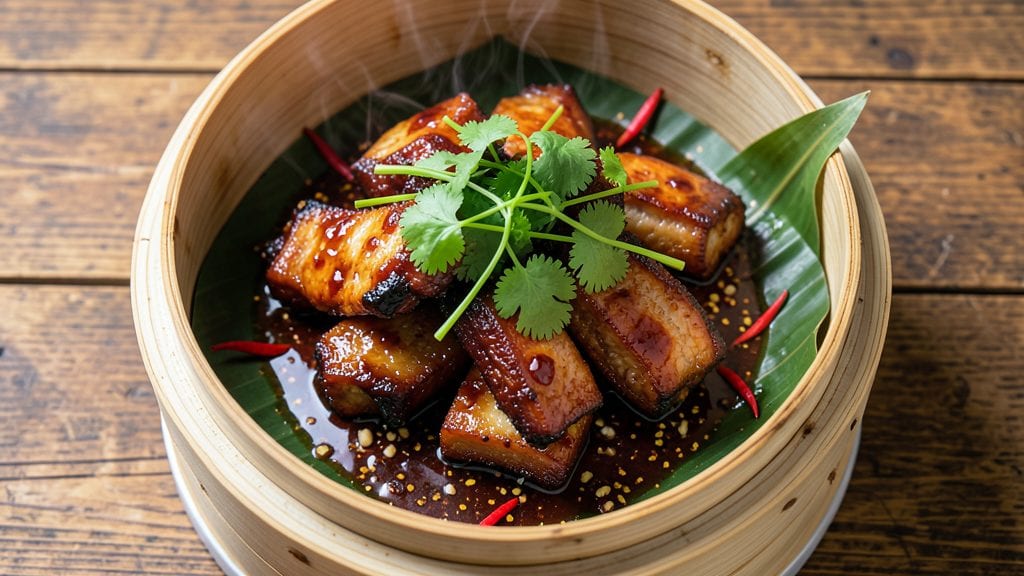
This dim sum steamed pork ribs recipe delivers the tender, aromatic experience you crave from your favorite Asian restaurant. The secret lies in marinating the ribs with five-spice powder and hoisin sauce, then steaming them to perfection—resulting in silky meat that practically melts in your mouth.
I perfected this technique after years of experimenting with dim sum flavors, and it never fails to impress.
The process begins with a flavorful marinade that combines traditional ingredients like soy sauce, honey, and garlic—each playing a crucial role in building depth. Steaming the ribs ensures they stay moist and tender, while the glaze caramelizes beautifully for that signature dim sum shine.
This method preserves the ribs' natural juiciness, making every bite rich and satisfying.
What you'll achieve is restaurant-quality dim sum pork ribs, served with a fragrant five-spice aroma that fills your kitchen. The glaze adds a touch of sweetness that balances the savory notes, creating harmony in every bite.
These ribs are perfect for dim sum gatherings, family meals, or even as a standalone appetizer with a side of steamed greens.
Ready to elevate your dim sum game? Let's get started with this foolproof method that delivers professional results at home. The key is patience—allowing the marinade to work its magic and the ribs to steam just long enough for tender perfection.
Trust me, the aroma alone will have everyone asking for seconds.
Ingredients for dim sum steamed pork ribs
Pantry staples plus a few Asian market finds—this is where the magic happens.
| Ingredient | Amount | Notes |
|---|---|---|
| Pork Ribs 🥩 | 2 lb | Baby back ribs, cut into 1-inch pieces |
| Hoisin Sauce 🍶 | ½ cup | Store-bought or homemade for authenticity |
| Five-Spice Powder 🌶️ | 2 tbsp | Traditional Chinese blend |
| Soy Sauce 🍶 | ¼ cup | Light or dark, your preference |
| Honey 🍯 | ¼ cup | Wildflower or clover preferred |
| Garlic Cloves 🧄 | 6 cloves | Minced for marinade |
| Ginger Root 🌿 | 1 tbsp | Freshly grated, aromatic kick |
| Sesame Oil 🫒 | 1 tbsp | Toasted for nutty aroma |
| Cornstarch 🌾 | 2 tbsp | For glaze, mixed with water |
| Green Onions 🧅 | 4 whole | Sliced for garnish |
| Salt 🧂 | 1 ½ tsp | Kosher or sea salt |
| Black Pepper 🌶️ | ½ tsp | Freshly ground for heat |
| Water 💧 | ½ cup | For cornstarch glaze |
The ribs are non-negotiable—baby back gives you that signature tenderness. Costco or your local butcher usually has them cut into manageable pieces, but if you're starting with a whole rack, ask for the meatier sections. Five-spice powder is the soul of this dish, so skip the pre-mixed packets—grab the whole spices from Asian markets or bulk bins and toast them yourself for maximum flavor. Hoisin sauce? Lee Kum Kee is the gold standard, but any good-quality bottle works. The garlic and ginger should be freshly grated or minced—no shortcuts here, trust me.
No five-spice powder? Mix 1 tsp each of cinnamon, fennel, clove, star anise, and Szechuan peppercorn—it’s the same thing. Short on hoisin? Substitute with 2 tbsp soy sauce plus 1 tbsp honey, but you’ll lose some depth. The sesame oil might be pricey, but Kadoya or Trader Joe’s have affordable options. For the glaze, if cornstarch isn’t handy, arrowroot powder works too. And if your green onions are past their prime, scallions from the freezer section are a solid backup—they won’t wilt during steaming.
Marinate the ribs overnight for best results, but at least 4 hours if you’re short on time. The glaze keeps for 3 days in the fridge, so make extra—it’s perfect for drizzling on rice or dumplings. Store leftover ribs in an airtight container with the glaze spooned over them; reheats beautifully in the steamer or oven. Freeze for up to 3 months if you’re planning ahead. Pro tip: Steam the ribs directly on the rack to avoid sogginess, and let them rest 5 minutes before slicing—keeps them juicy.
Why You'll Love This Recipe
- Five-Spice Magic: Honestly, that earthy five-spice powder—star anise, cinnamon, clove—transforms plain ribs into something aromatic and irresistible. The way it lingers on your tongue after each bite? Pure comfort in a bite.
- Steam-and-Go Simplicity: Not the prettiest, but the taste makes up for it. You marinate the ribs in hoisin and soy, wrap them in foil, and steam them—no flipping, no fuss. My lazy Sunday lunches just got an upgrade.
- Leftover Goldmine: Between us, these ribs reheat like a dream. Cold or warmed, they’re perfect for bento boxes, quick lunches, or even stuffed into bao buns later. I’ve fed a crowd twice with one batch.
- Sweet-Savory Flexibility: That honey glaze cuts through the richness, but you can dial it up or down. Serve them with rice for a weeknight meal or as a showstopper for dinner guests. My go-to when I need something reliable.
Step-by-step instructions for dim sum steamed pork ribs
Let's create tender, aromatic ribs with a glossy glaze that's perfect for dim sum gatherings.
Prepare the Pork Ribs and Marinade
Cut the 2 lb pork ribs into 1-inch pieces, removing any excess fat or membrane. In a large bowl, combine the 0.5 cup hoisin sauce, 0.25 cup soy sauce, 0.25 cup honey, 2 tbsp five-spice powder, 1.5 tsp salt, and 0.5 tsp black pepper. This marinade will infuse the ribs with complex flavors while keeping them tender.
Add the minced 6 cloves garlic and freshly grated 1 tbsp ginger root to the marinade. Mix well to distribute the spices evenly. Place the pork rib pieces in the bowl and turn to coat completely. Cover and refrigerate for at least 2 hours, or preferably overnight. This long marinating time ensures deep flavor penetration and silky texture.
Create the Glossy Cornstarch Glaze
In a small bowl, whisk together the 2 tbsp cornstarch and 0.5 cup water until smooth. This mixture will create the signature glossy glaze that makes dim sum pork ribs so appealing. Set aside while you prepare the steaming setup.
The glaze should be completely dissolved with no lumps. If you notice any clumps, strain the mixture through a fine-mesh sieve to ensure a perfectly smooth sauce. This step is crucial for achieving that restaurant-quality shine on your finished ribs.
Steam the Ribs to Perfect Tenderness
Set up a steamer by filling a large pot with 2-3 inches of water and bringing it to a boil. Place a heatproof plate or rack in the bottom of the steamer. Arrange the marinated pork ribs in a single layer on the plate, leaving space between pieces for even cooking.
Cover the steamer and steam over medium-high heat for 1 hour 15 minutes. The ribs are done when they're fork-tender and the internal temperature reaches 195°F. Don't peek during steaming—opening the lid releases steam and affects cooking time. The ribs should absorb all the marinade flavors while becoming incredibly tender.
Glaze and Garnish for Presentation
Carefully transfer the steamed ribs to a serving platter. Pour the cornstarch glaze over them, working quickly to coat each piece evenly. Return the platter to the steamer for 2-3 minutes to set the glaze. You'll see it transform from a thin sauce to a beautiful, glossy coating.
While the glaze sets, slice the 4 whole green onions into 1-inch pieces. Once the glaze is shiny and slightly thickened, garnish the ribs with the green onions. Drizzle any remaining glaze from the steamer over the top for extra shine. Serve immediately with steamed rice and a side of pickled vegetables for a complete dim sum experience.
Pro Tips For Making Dim Sum Steamed Pork Ribs
- Trim the Fat First: Cut off the thick white fat layers from the pork ribs before marinating—it melts into a greasy mess during steaming and ruins the clean, glossy finish you want. I learned this the hard way when my first batch looked like it had been deep-fried instead of steamed.
- Marinate Overnight (Yes, Really): Don’t rush the 4+ hour (or overnight) marinade with hoisin, soy, and five-spice—this is where the flavor actually penetrates the ribs. I used to skip it and wondered why my ribs tasted like they’d been slapped together last minute.
- Steam in Two Batches: Crowd the steamer and the ribs won’t cook evenly—they’ll either stay raw or turn rubbery. Split them into two layers, even if it means two trips to the kitchen. Trust me, your future self will thank you when every bite is perfectly tender.
- Finish with a Honey Glaze: Brush a thin layer of honey over the ribs right before the final 5 minutes of steaming—it caramelizes into a sticky, glossy crust that makes all the difference. Skip this, and your ribs will look dull and underwhelming.
Dietary considerations for this recipe
Gluten-Free Adaptation
The traditional marinade contains soy sauce, which is naturally gluten-free but often processed with wheat in many brands. For a truly gluten-free version, use tamari (a gluten-free soy sauce alternative) instead of regular soy sauce. San-J Tamari is my go-to brand—it has the same umami depth without the gluten.
You’ll need about 0.25 cup of tamari to replace the soy sauce in the marinade. Double-check labels on hoisin sauce too; Lee Kum Kee’s gluten-free version is available and works perfectly in this recipe. 🥢
Low-Sodium Option
If you’re watching your sodium intake, reduce the soy sauce or tamari to 0.125 cup and compensate with 1 tbsp extra honey for sweetness. Skip the added salt in the marinade entirely—1.5 tsp is already generous.
For the glaze, use 1 tbsp low-sodium chicken broth instead of water to maintain flavor without excess salt. The ribs will still be flavorful, just less salty overall. 💡
Vegetarian Substitution
For a vegetarian version, replace the pork ribs with extra-firm tofu or mushrooms (like king oyster or shiitake). Cut the tofu into 1-inch cubes and press out excess water before marinating. Use the same marinade (with tamari for gluten-free) and steam for 20-25 minutes until tender.
For mushrooms, slice them thickly and steam for 15 minutes. Garnish with the same glaze and green onions—it’s a surprisingly satisfying alternative! 🌱
Allergen-Friendly Adjustments
Sesame oil is a common allergen, so omit it if needed—1 tsp toasted sesame seeds (sprinkled at the end) still add aroma without the oil. For nut allergies, ensure your five-spice powder is nut-free (some blends contain ground nuts).
If cornstarch is an issue, swap the glaze for a 1:1 arrowroot powder mixture—it works just as well. Always check labels on store-bought sauces like hoisin for hidden allergens. Safety first! 🛡️
Dairy-Free Note
This recipe is naturally dairy-free, but if you’re serving alongside dim sum items that contain milk (like some egg tarts), keep these ribs separate. The marinade and glaze are both free of dairy, so no adjustments are needed here.
Just be mindful of cross-contamination if you’re prepping multiple dishes at once. 🧀
Keto-Friendly Tweaks
To make this keto-friendly, reduce the honey to 1 tbsp and increase the soy sauce (or tamari) to 0.3 cup for extra umami. Skip the cornstarch glaze and instead brush the ribs with 1 tbsp melted butter after steaming for a rich, glossy finish.
Garnish with green onions as usual—this keeps the carb count low while maintaining the dish’s signature flavors. 💪
Nutrition facts
Frequently asked questions
Can I use pork shoulder instead of baby back ribs for this recipe?
While baby back ribs are ideal for their tenderness, you can adapt this recipe for pork shoulder by cutting it into 1-inch cubes and marinating for 4-6 hours instead of overnight. The cooking time will increase to 2-2.5 hours of steaming, and you may need to add 10-15 minutes to ensure full tenderness. The texture will be slightly different but still delicious!
How do I prevent the ribs from sticking to the steamer?
Use a heatproof plate or rack in your steamer to elevate the ribs, allowing steam to circulate evenly. Lightly oil the plate with sesame oil or cooking spray before adding the ribs. Never overcrowd the steamer—arrange ribs in a single layer with space between pieces. This ensures even cooking and prevents sticking.
What's the best way to reheat leftover steamed pork ribs?
Reheat gently to preserve moisture: place ribs in a steamer over simmering water for 5-7 minutes until warmed through. Alternatively, reheat in a covered baking dish at 300°F for 10-12 minutes with a splash of water or broth. Avoid microwaving—they'll turn rubbery. Always glaze again with cornstarch mixture before serving for that restaurant-quality shine.
Can I make this recipe without a steamer?
Use a large pot with a tight-fitting lid and a heatproof plate or rack (or even a wire rack over a colander). Bring 1 inch of water to a boil, then reduce to a simmer. The ribs will steam just as effectively, though cooking time may extend by 5-10 minutes. The key is maintaining gentle steam—don't let it boil vigorously.
Why did my ribs turn out dry?
Overcooking is the most common cause—ribs are done when they reach 195°F internally. Another culprit is peeking during steaming, which releases steam and speeds up cooking. Always marinate overnight for maximum moisture retention. If using pork shoulder, check for doneness with a fork—it should slide in easily. For extra juiciness, baste ribs with marinade during the last 10 minutes of steaming.