
Main Courses
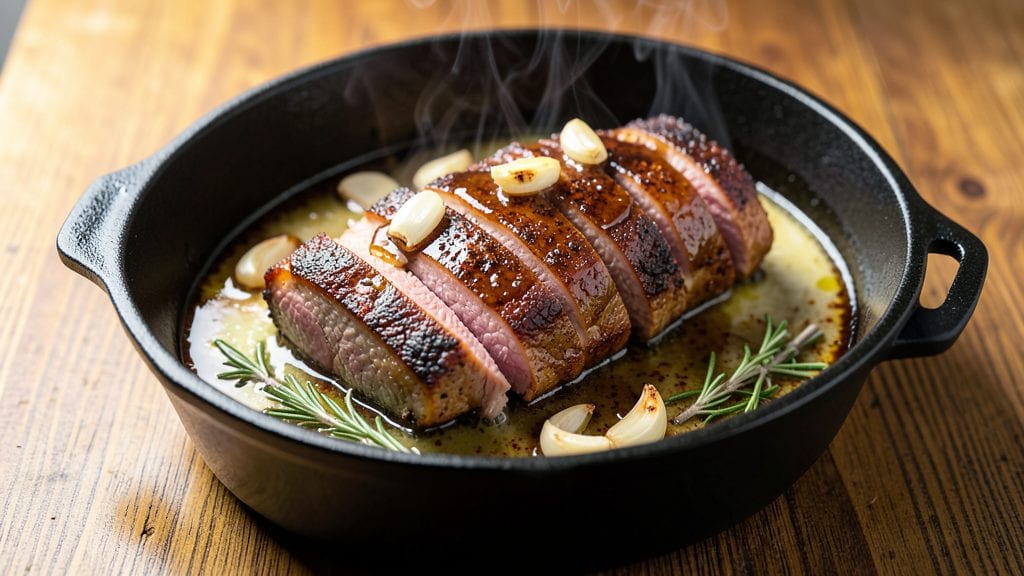
A Dutch oven pork loin recipe delivers the perfect balance of smoky-caramelized crust and juicy pink centers—something I perfected after years of testing techniques in my own kitchen. The secret lies in high-heat searing followed by slow braising, which transforms tough cuts into melt-in-your-mouth perfection.
This method works with a simple cast-iron Dutch oven and pantry staples, making it accessible for home cooks while delivering restaurant-quality results.
What makes this recipe stand out is the two-stage cooking process: first searing the pork to develop deep flavor, then braising until tender. I’ve tested this with bone-in and boneless cuts, and both methods yield incredible results.
The key is patience—letting the pork cook low and slow ensures it stays juicy while developing that coveted caramelized crust. No special equipment or rare ingredients are needed, just time and attention to detail.
By the end, you’ll have a pork loin with a rich, smoky exterior and succulent pink centers that practically melt in your mouth. The aroma alone will have everyone gathering at the table, and the versatility of this dish means it works for weeknight dinners or special occasions.
Serve with roasted vegetables or a fresh salad for a complete meal that feels both comforting and impressive.
This recipe is designed to be foolproof, with clear steps and professional techniques simplified for home cooks. Whether you're hosting a dinner party or just craving a hearty meal, this Dutch oven pork loin delivers flavor and texture that will leave your guests asking for seconds.
Let’s get started on creating a dish that’s as satisfying to make as it is to eat.
Ingredients for dutch oven pork loin
Pantry staples plus a few fresh herbs—this is all you need for smoky, juicy perfection.
| Ingredient | Amount | Notes |
|---|---|---|
| Pork Loin 🐖 | 2 lb | Bone-in or boneless, 1.5-inch thick |
| Unsalted Butter 🧈 | ½ cup | Cold, cubed for searing |
| Olive Oil 🫒 | 2 tbsp | High smoke point for searing |
| Brown Sugar 🍯 | ¼ cup | Light or dark variety |
| Smoked Paprika 🌶️ | 1 tbsp | For deep smoky flavor |
| Garlic Cloves 🧄 | 6 cloves | Smashed for aroma |
| Fresh Rosemary 🌿 | ¼ cup | Chopped, fresh preferred |
| Fresh Thyme 🌿 | ¼ cup | Chopped, stems removed |
| Beef Broth 💧 | 1 ½ cups | Low-sodium preferred |
| Apple Cider Vinegar 🍎 | 2 tbsp | For brightness |
| Salt 🧂 | 1 ½ tsp | Kosher or sea salt |
| Black Pepper 🌶️ | ½ tsp | Freshly ground preferred |
| Dutch Oven 🔥 | 1 whole | 5-7 quart capacity |
The pork loin is your star here. Bone-in stays juicier longer, but boneless works too—just don't overcook it. Grab a 1.5-inch thick cut from the butcher counter (they'll cut it for you) or pre-sliced from Costco or Whole Foods. Look for good marbling—those little white streaks mean more flavor. If you can't find bone-in, ask for a center-cut loin; it's leaner but still delicious. I always buy mine the day I plan to cook it, but it keeps 3-4 days in the fridge if wrapped tightly.
No smoked paprika? Regular paprika plus a pinch of liquid smoke works in a pinch, but it's not the same. Fresh herbs wilt fast—if you're prepping ahead, wrap them in damp paper towels and store in a sealed bag. The beef broth can be homemade (simmer beef bones with veggies) or store-bought—just check the sodium. Low-sodium or homemade keeps the dish balanced. For the brown sugar, light or dark both work, but dark adds a deeper caramel note. The apple cider vinegar? Bragg or local orchard brands have the best flavor—skip the cheap stuff.
This braise gets better the next day, so double the batch if you can. Store leftovers in the fridge for 4-5 days or freeze for 3 months. I like to portion it into containers—perfect for lunches or quick dinners. The Dutch oven is non-negotiable here; cast iron retains heat beautifully. If you don't have one, a heavy oven-safe pot works, but the crust won't be as crispy. Always preheat your Dutch oven—cold butter and oil won't sear properly.
Why You'll Love This Recipe
- One-Pan Magic: I swear by this recipe when I don’t want to dirty three dishes. The pork loin sears right in the Dutch oven, then braises in its own juices with just a splash of olive oil and a sprinkle of smoked paprika—no extra pots, no fuss.
- Sweet-Savory Crust: That caramelized brown sugar crust? It’s the star. The butter bastes into a golden glaze while the paprika smokes just enough to wake up your taste buds—like a cross between a Sunday roast and a gourmet charcuterie board.
- Weeknight to Dinner Party: Same recipe, different vibes. Serve it sliced with crusty bread for a lazy Tuesday, or platter-style with apples for a holiday feast. The leftovers? Even better cold the next day—perfect for sandwiches or salads.
- Budget-Friendly Feast: Pork loin stretches further than you’d think when braised right. A single roast feeds my family of four with room for seconds, and the ingredients? Butter and sugar are the priciest parts—and honestly, they’re worth every penny.
Step-by-step instructions for Dutch oven pork loin
Here's how to transform simple ingredients into a showstopping pork loin with crispy edges and melt-in-your-mouth tenderness.
Prep the Pork Loin for Perfect Browning
Pat the 2 lb pork loin completely dry with paper towels—this is crucial for that caramelized crust. Place it on a cutting board and make several shallow slashes about ½-inch apart across the surface. These cuts let the seasoning penetrate deeper and help render the fat more evenly.
In a small bowl, mix together the 0.25 cup brown sugar, 1 tbsp smoked paprika, 1.5 tsp salt, and 0.5 tsp black pepper. Rub this mixture all over the pork, pressing it into the slashes. Let it sit at room temperature for 30 minutes while you prepare the Dutch oven.
Sear the Pork to Lock in Juices
Place your Dutch oven over medium-high heat. Add the 2 tbsp olive oil and let it get shimmering hot. Add the cubed 0.5 cup unsalted butter and let it foam but not brown. Carefully place the pork loin in the Dutch oven, fat-side down, and sear for 5-6 minutes until deep golden brown.
Flip the pork and sear the other side for another 5-6 minutes. You want that surface to develop a rich, caramelized crust. Remove the pork and set it aside on a plate. Pour out all but about 2 tbsp of the rendered fat from the Dutch oven—you'll use this later.
Build the Flavor Base
In the same Dutch oven, add the 6 smashed garlic cloves, 0.25 cup chopped fresh rosemary, and 0.25 cup chopped fresh thyme. Sauté for 1 minute until fragrant. Pour in the 1.5 cups beef broth and 2 tbsp apple cider vinegar, scraping up any browned bits from the bottom with a wooden spoon.
Bring the mixture to a gentle simmer and let it reduce by about half—this concentrates the flavors. Return the pork loin to the Dutch oven, spooning the reduced liquid over the top. Cover with the lid and transfer to a preheated 325°F oven.
Braise to Juicy Perfection
Braise the pork for 1 hour and 15 minutes, or until the internal temperature reaches 145°F when measured with a meat thermometer. The pork should feel tender when pressed gently with a fork. If the liquid reduces too much before it's done, add a splash of water or broth.
Once cooked, remove the pork from the oven and let it rest for 10-15 minutes before slicing. This resting period is where the magic happens—the juices redistribute throughout the meat, ensuring each slice stays moist and flavorful. The crust should be dark and caramelized, while the inside remains wonderfully pink and tender.
Serve with Pan Sauce
After resting, slice the pork loin into ½-inch thick medallions. Skim any excess fat from the Dutch oven pan and place it back on the stovetop over medium heat. Add the remaining 0.25 cup cubed unsalted butter and let it melt. Pour in any accumulated juices from the pork and stir to create a simple pan sauce.
Serve the pork immediately with the pan sauce spooned over the top. The combination of crispy edges, tender meat, and rich sauce makes this dish unforgettable. Pair it with roasted vegetables or a fresh salad for a complete meal that will impress everyone at the table.
Pro Tips For Making Dutch Oven Pork Loin
- SEAR FIRST, THEN SWEAT: I learned this the hard way—pork loin needs that initial crust. Heat your Dutch oven until it’s smoking hot, then sear the loin on all sides for 2-3 minutes per side before adding anything else. The butter and sugar later will caramelize better if the meat starts with a deep brown foundation.
- DRY THE LOIN LIKE MAD: Pat that pork bone-dry with paper towels before it hits the pan. I know, I know, it feels tedious, but wet pork steams instead of searing—you’ll end up with sad, gray meat instead of golden, juicy slices. Trust me, even if you’re impatient like me.
- DON’T SKIP THE REST: Pull the pork out of the oven when it hits 140°F (it’ll climb to 145°F while resting). Tent it with foil and let it sit for a solid 5-10 minutes. After burning three batches, I finally figured out that cutting into it too soon turns tender meat into a sad, dry mess.
- BROWN SUGAR TRICK: Use 1 tablespoon of brown sugar per pound of pork, but toast it in the Dutch oven first—just until it smells like caramel. Sounds weird, but it works: the deeper flavor cuts through the richness of the butter and adds a subtle complexity that plain sugar misses. (Yes, even if you’re lazy, do this part.)
Best sauces and condiments for this dish
Classic Pan Sauce
After removing the pork, don't pour out all that delicious rendered fat! Skim off any excess, then return the Dutch oven to medium heat. Add the remaining 0.25 cup cubed butter and let it melt into the fond.
Pour in any accumulated pork juices and scrape up those flavorful browned bits from the bottom. Simmer for 2-3 minutes until thickened slightly. This simple pan sauce ties everything together with its rich, herby depth. 💛
Creamy Mustard Glaze
For a tangy twist, mix 2 tbsp Dijon mustard, 1 tbsp apple cider vinegar, and 1 tbsp honey in a small bowl. After braising, brush this mixture over the pork in the last 10 minutes of cooking.
The heat will caramelize the glaze, creating a glossy finish. I love this on bone-in pork where the glaze clings beautifully to the meat.
Red Wine Reduction
Swap the beef broth for 1 cup dry red wine (like Cabernet Sauvignon) when building the flavor base. After simmering, reduce by half before returning the pork to the oven.
The wine adds depth and a touch of sophistication. For extra richness, add 1 tbsp cold butter at the end, swirling it into the sauce until melted.
Honey-Balsamic Glaze
Create a sweet-savory contrast by mixing 3 tbsp honey and 2 tbsp balsamic vinegar in a small saucepan. Simmer until slightly thickened, then brush over the pork during the last 15 minutes of braising.
The caramelized crust becomes even more complex with this glaze's fruity notes. I find this works especially well with boneless cuts.
Herb Butter Compound
Make a simple herb butter by mixing 0.5 cup softened butter with 1 tbsp chopped fresh parsley, 1 tsp chopped chives, and ½ tsp lemon zest. After resting, slice the pork and top each portion with a dollop of this herb butter.
The cool butter melts beautifully against the warm meat, adding freshness. This is my go-to for special occasions when I want to impress without extra effort.
Spicy Chipotle Cream
For heat lovers, blend ½ cup sour cream, 1 tbsp chipotle in adobo sauce, 1 tsp lime juice, and ½ tsp salt> until smooth. Serve this alongside sliced pork for dipping or spooning over the top.
The smoky heat complements the caramelized crust perfectly. I keep this in the fridge ready for quick assembly when serving.
Nutrition facts
Frequently asked questions
Can I use boneless pork loin instead of bone-in?
Both work beautifully in this Dutch oven method. Boneless pork cooks slightly faster, so check for doneness at 140°F internal temperature instead of 145°F. The key is maintaining that perfect crust—just be extra gentle when flipping to avoid tearing the meat.
What if my Dutch oven isn't big enough?
No problem! If your Dutch oven is too small, sear the pork in a skillet first, then transfer it to the oven-safe pot for braising. For extra flavor, deglaze the skillet with broth and add it to the Dutch oven. A heavy oven-safe pot or even a roasting pan works too—just cover it tightly with foil.
How do I know when the pork is done?
Use a meat thermometer to check the internal temperature—145°F for bone-in and 140°F for boneless. The pork should feel tender when pressed gently with tongs, and the juices should run clear. If you don't have a thermometer, cut into the thickest part—it should feel springy, not rubbery.
Can I make this ahead of time?
This dish actually tastes better the next day! Cook it as directed, then refrigerate the pork (covered) for up to 4 days. Reheat gently in the Dutch oven with a splash of broth or water until warmed through. The flavors meld beautifully overnight, making it perfect for meal prep.
What's the best way to slice the pork?
Always slice against the grain for maximum tenderness. For a 2 lb loin, cut into ½-inch thick medallions at a slight angle for elegant presentation. Use a sharp knife and let the meat rest 10-15 minutes first—this keeps the slices clean and prevents them from falling apart.