Soups & Stews
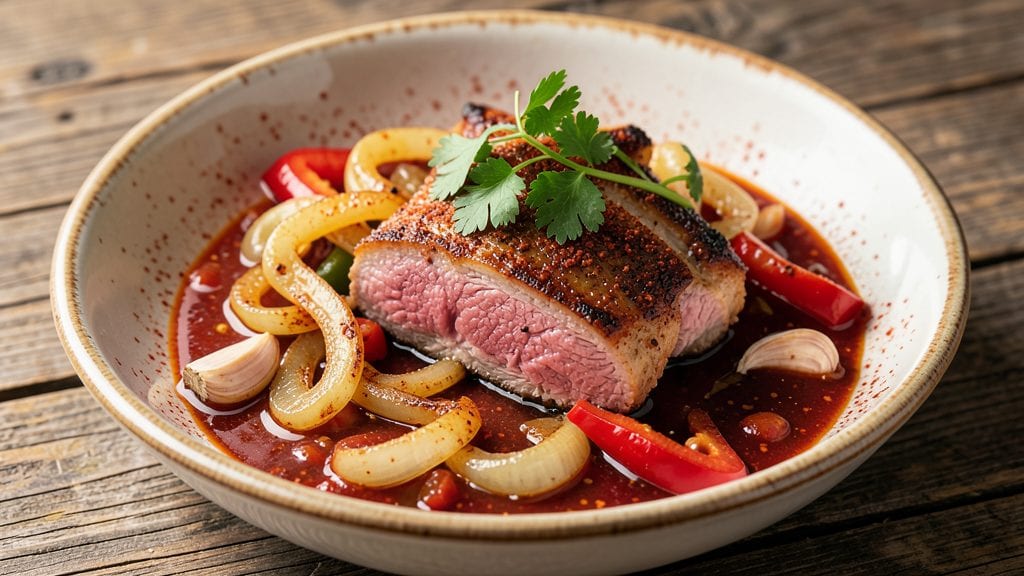
This Hungarian pork goulash recipe delivers the deep, smoky richness of traditional paprika stews with tender meat that practically melts in your mouth.
Standing on a step stool in my grandmother’s kitchen in Sicily, I first learned how spices transform simple ingredients into something extraordinary—this dish takes that lesson to heart. The secret lies in slow-cooked pork shoulder, caramelized onions, and sweet Hungarian paprika that infuses every bite with warmth and complexity.
What makes this recipe special is its balance of authenticity and adaptability. You’ll start with a rich browned base from seared pork and onions, then build layers of flavor through slow simmering with tomatoes, bell peppers, and aromatic spices.
The key is patience—the longer it cooks, the more tender the meat becomes and the deeper the sauce develops. This isn’t just a stew; it’s a hearty, comforting meal that tastes like home.
By the time you serve it, you’ll have a pot of deeply flavorful goulash with fork-tender pork, caramelized vegetables, and a sauce so rich it coats every spoonful.
The aroma alone will have everyone gathering at the table, and the first bite delivers that perfect balance of smoky, sweet, and savory. Serve it with crusty bread or egg noodles to soak up every last drop of that incredible sauce.
This recipe is designed to be your go-to for family dinners or cozy weeknights—authentic enough to honor Hungarian traditions but simple enough for modern kitchens. Let’s get cooking!
Ingredients for Hungarian pork goulash
Pantry staples meet bold Hungarian flavors for this comforting, slow-cooked pork goulash.
| Ingredient | Amount | Notes |
|---|---|---|
| Pork Shoulder 🥩 | 3 lb | Bone-in, cut into 2-inch chunks |
| Yellow Onions 🧅 | 2 whole | Medium size, sliced into half-moons |
| Bell Peppers 🌶️ | 2 whole | Red or green, sliced into strips |
| Garlic Cloves 🧄 | 6 cloves | Minced for depth of flavor |
| Sweet Hungarian Paprika 🌶️ | 2 tbsp | Essential for authentic flavor |
| Tomatoes 🍅 | 1 can | 14.5 oz, crushed or diced |
| Carrots 🥕 | 3 whole | Medium size, sliced into rounds |
| Beef Broth 💧 | 2 cups | Low-sodium preferred |
| Extra-Virgin Olive Oil 🫒 | 2 tbsp | For searing pork and onions |
| Bay Leaves 🌿 | 2 whole | For aromatic depth |
| Thyme 🌿 | 1 tsp | Dried or fresh, chopped |
| Black Pepper 🌶️ | 1 tsp | Freshly ground for heat |
| Salt 🧂 | 1 ½ tsp | Kosher or sea salt |
| All-Purpose Flour 🌾 | 1 tbsp | For thickening sauce |
The pork shoulder is the star here—bone-in gives extra flavor, but boneless works too. Look for well-marbled cuts at Costco or your butcher counter. Sweet Hungarian paprika is non-negotiable for that authentic taste; Penzeys or bulk bins at natural markets carry it. Caramelizing the onions (about 20 minutes) builds that deep, sweet base—don't rush this step. For the tomatoes, San Marzano cans make the biggest difference, but any good-quality crushed tomatoes work. Fresh thyme is ideal, but dried works at half the amount if you're in a pinch.
No Hungarian paprika? Smoked paprika plus a pinch of cinnamon gets you close. Short on beef broth? Water plus bouillon cubes works, but add a splash of vinegar for depth. The bell peppers can be swapped for mushrooms if you prefer—just increase to 3 cups chopped. For the carrots, baby carrots work perfectly if you're short on time. The flour at the end is just to thicken the sauce slightly—skip it if you prefer a looser stew. I always double the recipe because leftovers reheat even better the next day.
This goulash keeps for 5 days in the fridge, and freezes beautifully for 3 months. Portion into containers with a splash of broth to keep it moist. The sauce actually improves overnight as flavors meld. Serve with crusty bread or buttered egg noodles to soak up every last bit of that rich, smoky goodness. If you're making it ahead, the flavors develop even more after a day of resting.
Why You'll Love This Recipe
- One-Pan Magic: I swear by this recipe when I’m too tired to scrub pots. Brown the pork shoulder right in the same Dutch oven where it’ll simmer—no extra dishes, just layers of flavor building as you go.
- Paprika Powerhouse: That first sprinkle of sweet Hungarian paprika? It’s like a warm hug in a bowl. The smoky depth from the onions and peppers pairs perfectly with the paprika’s brightness—every bite tastes like a cozy Hungarian tavern.
- Leftovers That Beg for More: Between us, this goulash tastes even better the next day. The flavors meld into something richer, and I’ve been known to reheat it straight from the fridge for a lazy lunch—no one ever guesses it’s reheated.
- Budget-Friendly Feast: Pork shoulder is cheap, but it transforms into something luxurious. A single recipe stretches for four meals, and the bell peppers and onions bulk it up so you’re not just eating meat—it’s a full, satisfying dish.
Step-by-step instructions for Hungarian pork goulash
Here's how to create a rich, smoky goulash with melt-in-your-mouth tender pork every time.
Sear the Pork Shoulder for Deep Flavor
Pat the 3 lb pork shoulder dry with paper towels to remove any moisture. Heat the 2 tbsp extra-virgin olive oil in a large Dutch oven over medium-high heat until shimmering. Working in batches, add the pork pieces and sear for 3-4 minutes per side until they develop a deep golden-brown crust. This step builds incredible flavor through the Maillard reaction.
Don't overcrowd the pan—work in batches if needed. You'll know it's ready when the pork releases easily from the bottom. Transfer the seared pork to a plate and set aside. You want to keep that rendered fat in the pot for cooking the vegetables.
Cook the Vegetables and Build the Base
In the same Dutch oven, add the sliced 2 whole yellow onions and cook for 5-6 minutes until softened and lightly caramelized. Add the sliced 2 whole bell peppers and cook for another 4-5 minutes until they begin to soften. Stir occasionally to prevent burning.
Next, add the minced 6 cloves garlic cloves and cook for 30 seconds until fragrant. Here's where the magic happens: sprinkle the 2 tbsp sweet Hungarian paprika over the vegetables and stir constantly for 1-2 minutes. This creates the signature smoky flavor profile while preventing the paprika from burning.
Simmer the Goulash for Tender Pork
Return the seared pork to the Dutch oven. Add the 1 can tomatoes, sliced 3 whole carrots, 2 cups beef broth, 2 whole bay leaves, 1 tsp thyme, 1 tsp black pepper, and 1.5 tsp salt. Stir everything together until well combined. Bring the mixture to a gentle boil, then reduce heat to medium-low.
Cover the Dutch oven and let it simmer for 1 hour and 30 minutes. Here's the key: you want the pork to be fork-tender but not falling apart. Check the internal temperature occasionally—it should reach 195°F-200°F. The liquid should reduce significantly but still coat the pork pieces.
Thicken the Sauce and Finish
Once the pork is tender, remove it from the pot and set aside. In a small bowl, whisk together the 1 tbsp all-purpose flour with 2 tablespoons of the cooking liquid to create a slurry. Slowly pour this back into the Dutch oven while stirring constantly.
Return the pork to the pot and simmer uncovered for an additional 10-15 minutes until the sauce thickens to your desired consistency. Taste and adjust seasoning if needed. The goulash should be rich, smoky, and have a beautiful deep red color from the paprika.
Rest and Serve
Let the goulash rest for 10 minutes before serving. This allows the juices to redistribute throughout the meat, ensuring each bite is moist and flavorful. Serve hot with crusty bread or over egg noodles to soak up that delicious sauce.
This goulash tastes even better the next day as the flavors continue to develop. Store any leftovers in the refrigerator for up to 4 days or freeze for up to 3 months. Enjoy your homemade Hungarian pork goulash—it's worth every minute of the slow cooking process!
Pro Tips For Making Hungarian Pork Goulash
- BROWN THE PORK FIRST: Don’t skip the sear—cut the pork shoulder into 1.5-inch chunks, pat them very dry, and let them sizzle in a hot Dutch oven for 5-6 minutes until deep golden. I used to rush this, and the goulash always tasted flat; the Maillard reaction builds flavor that nothing else can.
- USE FRESH PAPRIKA: Sweet Hungarian paprika loses potency fast. Buy it in small jars or grind your own from paprika powder (just toast and grind dried peppers). A teaspoon of stale paprika won’t ruin it, but it’ll make the dish taste like it’s missing something—like a faded postcard of what it could be.
- SIMMER LOW AND COVERED: After adding the onions, peppers, and garlic, reduce heat to low and cover the pot. Let it bubble gently for 45 minutes—no peeking! I learned this the hard way when I kept checking and ended up with a thick, dry stew instead of a tender, saucy goulash.
- SOAK THE PEPPERS: Cut bell peppers into strips and soak them in cold water for 10 minutes before adding to the pot. This removes bitterness and keeps them from turning mushy. Sounds weird, but it works—your goulash will have bright, crisp peppers instead of sad, waterlogged ones.
Best sauces and condiments for this recipe
Paprika Variations
Sweet Hungarian paprika is non-negotiable for authentic flavor, but if you can't find it, smoked paprika with a pinch of cinnamon works beautifully. For extra depth, I sometimes add ½ tsp of fennel seeds when simmering—they add a subtle anise-like note that pairs perfectly with the pork.
If you're feeling adventurous, try 1 tsp of hot Hungarian paprika for a spicier kick, but reduce the sweet paprika to 1 tbsp to balance the heat. 🌶️
Tomato Sauce Enhancers
While crushed tomatoes work perfectly, I often boost the sauce with 1 tbsp tomato paste for richer depth. For a touch of sweetness, add 1 tsp brown sugar or 1 tbsp honey when simmering—the caramelization enhances the paprika's smoky notes.
If you love umami, a splash of 1 tbsp soy sauce (about ½ tsp) adds complexity without overpowering the dish.
Acid Balance
A squeeze of lemon juice (about 1 tbsp) brightens the sauce before serving, cutting through the richness. For a tangy twist, I sometimes add 1 tsp apple cider vinegar during the final 10 minutes of simmering.
If your tomatoes are particularly acidic, balance them with a pinch of sugar—this is a trick I learned from my grandmother in Sicily for similar stews. 💡
Herb Infusions
Fresh herbs elevate the goulash at the end. A sprinkle of chopped parsley or dill adds brightness, while fresh thyme sprigs tied with twine can simmer in the pot for 30 minutes before removing.
For a rustic touch, add ½ cup chopped marjoram—it pairs wonderfully with paprika and pork. I always taste the sauce with my Nonna's wooden spoon before serving to adjust seasoning.
Creamy Finish
For a modern twist, stir in ¼ cup sour cream or crème fraîche during the final 5 minutes of simmering. This adds a velvety texture that contrasts beautifully with the smoky paprika.
If you prefer dairy-free, use 2 tbsp coconut cream—just heat it gently to avoid curdling. A drizzle of olive oil over the top before serving also enhances richness. 🥄
Nutrition facts
Frequently asked questions
Why does my goulash taste bland after simmering?
This usually happens when the paprika burns or the broth lacks depth. Always stir constantly when adding 2 tbsp sweet Hungarian paprika—it burns quickly! For richer flavor, use low-sodium beef broth and add 1 tbsp tomato paste during cooking. A pinch of sugar or 1 tsp apple cider vinegar at the end can also brighten the sauce.
Can I make this with ground pork instead of shoulder?
Yes, but the texture will be different. Ground pork cooks much faster (30-45 minutes total) and won't develop the same tenderness. For best results, use 1 lb ground pork and add it directly to the pot after the onions and peppers. The sauce will still be rich, but the meat will be more like a thick stew than a pulled pork experience.
What's the best way to reheat leftover goulash?
Reheat gently on the stove over low-medium heat with a splash of water or broth to prevent drying. Never microwave directly from the fridge—this makes the sauce watery. For extra flavor, add a pinch of paprika or a splash of lemon juice when reheating. The sauce will thicken again as it warms.
How do I adjust this recipe for a slow cooker?
Brown the pork and vegetables in a skillet first, then transfer everything to the slow cooker. Use 3 cups beef broth instead of 2, and cook on low for 6-8 hours or high for 4-5 hours. The pork will be fork-tender when it reaches 195°F. Skip the flour slurry—slow cooking naturally thickens the sauce. Add it at the end if you prefer a thicker consistency.
Can I use chicken or beef instead of pork?
For chicken, use 2 boneless breasts or thighs and reduce cooking time to 45-60 minutes after simmering. For beef, try 1.5 lbs chuck roast and cook for 2-2.5 hours. The beef version benefits from a ½ cup red wine added during cooking for extra depth. Adjust seasoning—beef needs more salt and pepper to complement its stronger flavor.