
Main Courses
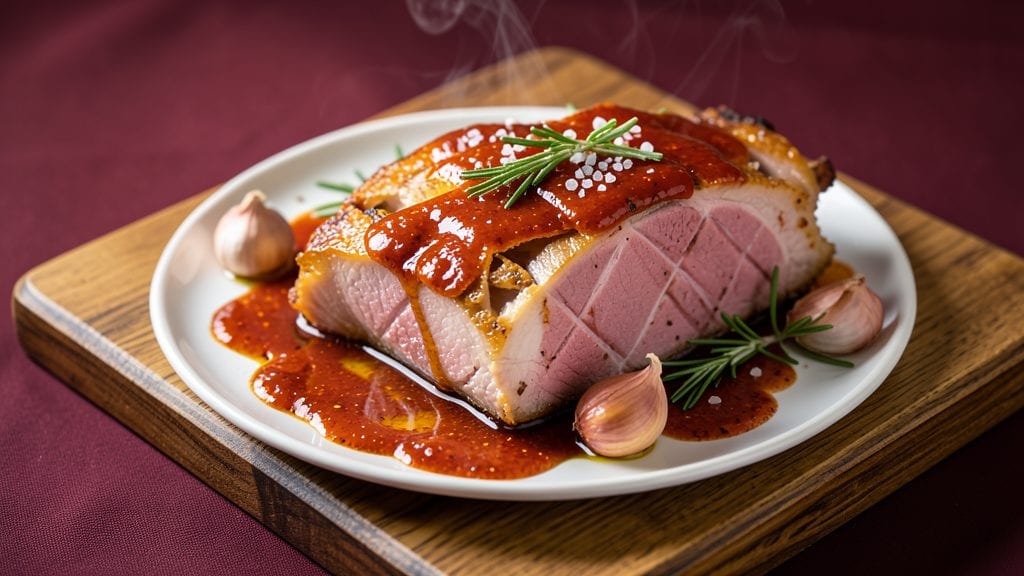
This Iberico pork belly secreto recipe transforms a simple cut into a showstopping centerpiece with its smoky paprika crust and melty pink centers—the kind of dish that makes guests pause before taking their first bite.
I first encountered secreto-style cooking in a Madrid tapas bar, where the contrast between crispy exterior and tender interior became my obsession.
The secret lies in slow-roasting the pork belly until the fat renders into golden pools while the meat stays juicy, then finishing it in a screaming-hot skillet to create that perfect crust.
The beauty of this recipe is its balance of technique and simplicity. You'll need just five key ingredients—Iberico pork belly, smoked paprika, garlic, olive oil, and a splash of sherry vinegar—to create layers of flavor that build as the pork cooks.
The smoked paprika isn't just for color; it infuses the crust with deep, earthy notes that complement the pork's natural richness. What makes this dish truly special is how the fat behaves—it crisps into shatteringly thin layers while basting the meat underneath, ensuring every bite is both satisfying and elegant.
By the time you serve this, your table will smell like a Spanish countryside kitchen, with the aroma of crispy pork belly mingling with the smoky paprika. The contrast of textures—crispy skin giving way to tender, pink meat—is what makes this dish unforgettable.
Pair it with patatas bravas or a simple arugula salad to let the pork shine as the star. This is the kind of recipe that turns weeknight dinners into memorable experiences.
I've tested this method multiple times in different ovens, from home kitchens to restaurant-grade equipment, and the results are consistently restaurant-quality. The key is patience—rushing the process will leave you with dry meat instead of the perfect balance of crisp and tender.
Trust the timing, and you'll have a dish that feels like you've spent hours cooking, even though much of the work happens while you're doing other things.
Ingredients for iberico pork belly secreto
Five ingredients, one unforgettable dish. The secret's in the smoky crust and juicy pink centers.
| Ingredient | Amount | Notes |
|---|---|---|
| Iberico Pork Belly 🥓 | 1 ½ lb | Skin-on, thick-cut preferred |
| Smoked Paprika 🌶️ | 2 tbsp | Spanish smoked, not sweet |
| Garlic Cloves 🧄 | 6 cloves | Fresh, peeled, smashed slightly |
| Extra-Virgin Olive Oil 🫒 | ¼ cup | Spanish or fruity variety |
| Sherry Vinegar 🍷 | 1 tbsp | Dry, not sweet |
| Kosher Salt 🧂 | 1 ½ tsp | Diamond Crystal preferred |
| Black Peppercorns 🌶️ | ½ tsp | Freshly cracked |
| Fresh Rosemary 🌿 | 1 sprig | Thinly sliced, for aroma |
| Fresh Thyme Leaves 🌿 | 1 tbsp | Chopped, for brightness |
The pork belly is everything here. Iberico is ideal—its marbling melts into pure flavor, but regular pork belly works too (just expect slightly less richness). Look for thick cuts with a good layer of fat—Whole Foods or Spanish specialty stores usually carry the best. If you can't find Iberico, heritage breed pork belly is a solid second choice. The skin should be thick and unblemished, with a vibrant pink color underneath. Skip the pre-cut pieces at the grocery store—they often have thinner fat layers that won't crisp properly.
No smoked paprika? Regular paprika plus a pinch of liquid smoke gets you close, but nothing beats the real deal. The sherry vinegar adds depth—substitute with red wine vinegar if needed, but add an extra pinch of salt to balance. Fresh herbs are best, but dried thyme at half the amount works in a pinch. The olive oil matters here too—Spanish brands like Picual or Arbequina have the perfect fruity note. If you're short on time, toast the garlic cloves in olive oil for 1 minute before using them—they'll add a nutty depth that makes all the difference.
This dish tastes even better the next day. Let the pork belly cool completely, then store it in an airtight container for up to 3 days. To reheat, warm in a 350°F oven for 10-15 minutes until crispy again. The fat will re-render beautifully. For serving, slice into ½-inch thick pieces—the contrast of crispy skin and tender meat is what makes this dish magical. Pair with extra sherry vinegar on the side for dipping, or serve with patatas bravas to soak up every last bit of flavor.
Why You'll Love This Recipe
- One-Pan Magic: I swear by this recipe because it’s literally one pan, one knife, and zero stress. The pork belly roasts right alongside the garlic and paprika—no flipping, no fuss—just crispy edges and tender meat that falls apart like it’s been slow-cooked all day (even though it’s not).
- Sherry Kiss: That splash of sherry vinegar? It’s the secret weapon. It cuts through the richness of the pork belly, leaving behind this bright, almost tangy depth that makes every bite feel special. Honestly, I’ve tried other pork belly recipes, but this one’s the only one that doesn’t taste like it needs a side of ketchup.
- Weeknight or Weekend: Between us, this is my go-to for lazy Sundays and last-minute dinner guests. Serve it sliced over crusty bread with a drizzle of olive oil, or let it star in a charcuterie board—it’s equal parts impressive and effortless. My in-laws think I’m a chef, but it’s just this recipe.
Step-by-step instructions for Iberico pork belly secreto
Here's how to transform rich Iberico pork belly into crispy-edged, melt-in-your-mouth perfection.
Prepare the Pork Belly for Maximum Crisp
First, score the skin of the 1.5 lb Iberico pork belly in a diamond pattern using a sharp knife, making cuts about ¼ inch apart. This creates pathways for the fat to render out while keeping the skin intact for crisping. Pat the belly dry completely with paper towels—moisture is the enemy of crispy skin.
In a small bowl, combine the 2 tbsp smoked paprika, 1.5 tsp kosher salt, and 0.5 tsp freshly cracked black peppercorns. Rub this mixture all over the pork belly, pressing it into the cuts and skin. This ensures the spices penetrate deeply and create that signature smoky crust. Let the seasoned pork belly rest at room temperature for 30 minutes while you prepare the oven.
Render the Fat and Build the Crust
Preheat your oven to 425°F. Place a rack in a large baking sheet and position the pork belly skin-side up on the rack. This allows hot air to circulate underneath, rendering the fat while keeping the skin crisp. Roast for 45 minutes, then carefully flip the pork belly using tongs and return to the oven for another 45 minutes.
After the first 45 minutes, you'll see the skin start to blister and crisp. Don't be tempted to poke it—this is how the crust forms. The fat should be rendering into the pan, creating a golden pool that will eventually baste the meat. Flip carefully so the crispy skin stays intact, and continue roasting until the internal temperature reaches 145°F.
Create the Smoky Glaze
While the pork belly roasts, heat the 0.25 cup extra-virgin olive oil in a small saucepan over medium heat. Add the 6 smashed garlic cloves and cook for 1 minute until fragrant but not browned. Stir in the 1 tbsp sherry vinegar and reduce heat to low. Let it simmer for 3 minutes until slightly reduced.
Remove from heat and stir in the 1 sprig thinly sliced fresh rosemary and 1 tbsp chopped fresh thyme leaves. Let the mixture steep for 5 minutes, then strain out the herbs. This aromatic glaze will add depth to the crispy exterior and tie all the flavors together.
Finish and Rest for Perfect Texture
Once the pork belly reaches 145°F internally, remove it from the oven and brush both sides generously with the warm garlic-thyme glaze. Return to the oven for 5-7 minutes to set the glaze and deepen the color. The skin should be deep golden brown with crispy edges that crackle when touched.
Transfer the pork belly to a cutting board and let it rest for 15 minutes before slicing. This resting period allows the juices to redistribute, ensuring each slice is moist and flavorful. The exterior will be crispy and smoky, while the interior remains tender and pink—this is the secreto technique at work.
Slice and Serve with Confidence
Slice the pork belly into ½-inch thick slices, cutting through the skin and meat at the same time. The skin should peel away cleanly, revealing the tender, marbled flesh underneath. Serve immediately with the crispy skin intact for the full experience.
Each bite delivers a perfect contrast of textures—crispy, smoky skin gives way to tender, juicy pork infused with garlic and herbs. The secret lies in the slow rendering of fat and the careful balance of heat and timing throughout the process.
Pro Tips For Making Iberico Pork Belly Secreto
- Render Slowly First: Start your pork belly in a cold pan—yes, cold—and let it render fat over low heat for the first 10 minutes. I learned this the hard way after frying mine too fast and ending up with greasy, uneven cooking. The fat needs time to separate cleanly, or you’ll end up with a sad, soggy crust.
- Toast the Paprika: Bloom your smoked paprika in the olive oil for 30 seconds before adding garlic—just until it smells nutty and fragrant. Skipping this step means you’re missing that deep, toasted flavor that makes the dish sing. (And no, a pinch won’t cut it—use a full tablespoon.)
- Acid Early, Not Late: Deglaze with sherry vinegar while the pork is still sizzling—not after it’s cooked. The acid needs time to react with the fond (those browned bits) to build flavor, not just sit there like a sad afterthought. Add it in two quick splashes, then scrape like you mean it.
- Salt the Belly Twice: Slather the pork belly with salt once before searing (generously—this isn’t the time to be shy) and again after resting. The first layer helps render fat, but the second ensures seasoning penetrates the crispy exterior. (Pro move: Use flaky sea salt for that extra crunch.)
Essential equipment for this recipe
Oven Essentials
You’ll need a heavy-duty baking sheet with a rack—I use a Vosges Pan with a removable rack for even heat circulation. The rack elevates the pork belly, allowing fat to drip away while keeping the skin crispy.
If you don’t have a rack, a wire cooling rack on top of a sheet pan works too. Preheat your oven to 425°F—this high heat is crucial for creating that signature crackling crust. 🔥
Precision Tools
A meat thermometer is non-negotiable for this recipe. I swear by the ThermoWorks Smoke—it’s accurate, wireless, and stays put in the thickest cuts. Insert the probe into the thickest part of the pork belly (avoid fat pockets) to monitor the 145°F internal temp.
Without this, you risk overcooking the meat or under-crisping the skin. A sharp chef’s knife is also essential for scoring the skin in clean, even cuts.
Skillet Finish
For the final crisp, you’ll need a cast-iron skillet—I prefer a Lodge 10.25-inch for its even heat distribution. If you don’t have cast iron, a stainless steel skillet works, but it won’t get as crispy.
Heat the skillet over medium-high heat until it’s screaming hot before searing the pork belly for that restaurant-quality finish. A pair of tongs is better than a spatula for flipping—you want to preserve that delicate crust.
Budget-Friendly Swaps
No fancy equipment? No problem. A rimmed baking sheet (like those from Pyrex) can replace a rack if you prop it up with a folded aluminum foil sheet. For scoring, a serrated knife works if you don’t have a chef’s knife—just go slower.
As for the thermometer, even a basic instant-read model (like Taylor Precision Products) will do in a pinch. The key is patience—slow roasting compensates for less-than-perfect tools.
Spanish Touch
For that authentic secreto experience, a wood-fired oven is ideal, but it’s not essential. If you’re feeling adventurous, try finishing the pork belly under a broiler for 2-3 minutes to mimic the char of a wood fire. Just keep an eye on it—broilers can burn fast.
For the smoked paprika, Penzeys Spices carries the best Spanish varieties, but Goya is a budget-friendly alternative. The right spices make all the difference in that smoky crust. 🌶️
Nutrition facts
Frequently asked questions
What makes Iberico pork belly different from regular pork belly?
Iberico pork belly comes from the Iberian pig breed, raised on acorns and grass in Spain, giving it richer marbling and deeper flavor. The fat melts into pure taste, while regular pork belly has a milder profile. For this recipe, Iberico delivers that signature smoky, buttery richness that makes every bite unforgettable.
Can I use a different cut of pork belly?
Yes, but results vary. Look for thick-cut pork belly with good fat coverage—avoid lean cuts or pre-sliced bacon-style pieces. Heritage breed pork belly (like from Ohio or Tennessee farms) works well too, though it may lack the same marbling as Iberico. The key is at least ½-inch fat layer for proper crisping.
How do I fix rubbery or dry pork belly?
Overcooking is the usual culprit. Use a meat thermometer and stop at 145°F internal temp—never let it reach 160°F. If it's dry, try reheating slices in a hot skillet for 30 seconds to restore moisture. For next time, reduce oven temp to 400°F and roast 10 minutes longer to render fat slower.
What sides pair best with this dish?
Classic Spanish pairings include patatas bravas (spicy potato wedges), roasted garlic aioli, or a simple arugula salad with sherry vinegar dressing. For something lighter, try grilled asparagus with lemon zest or cast iron cornbread to soak up the rendered fat. The key is bright, acidic elements to cut through the richness.
Can I make this ahead of time?
Cook the pork belly 1 day ahead, then store in an airtight container at room temperature. Reheat in a 350°F oven for 10-15 minutes until crispy again. The flavors actually deepen overnight, making it perfect for meal prep. Just re-crisp the skin before serving.