Main Courses
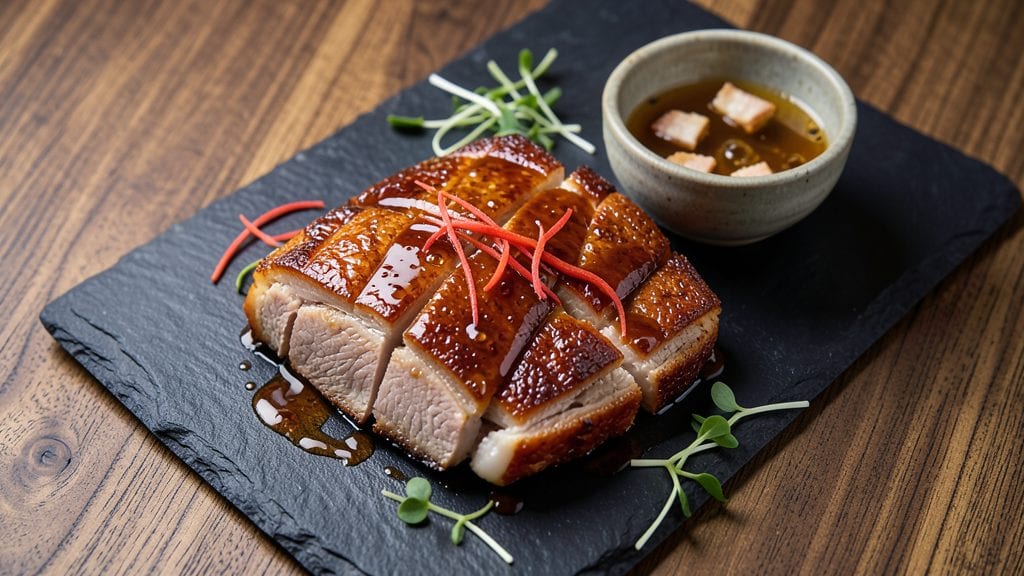
Mastering Japanese braised pork belly transforms a simple cut into a dish with silky fat layers and a savory miso glaze that’s worth every minute of effort. Growing up in small-town Georgia, I learned pork’s potential from my grandmother’s cast iron skillet—now this technique blends her patience with Japanese precision.
The secret lies in slow braising, where collagen-rich pork belly becomes tender while developing a caramelized crust that’s impossible to resist.
This recipe delivers restaurant-quality results with just five key ingredients: thick-cut pork belly, miso paste, dashi stock, mirin, and a touch of sugar. The braising process—simmering for hours—breaks down connective tissue into velvety texture, while the miso glaze adds depth that balances the richness.
Unlike quick-cooking methods, this dish rewards patience with layers of flavor that develop over time, making it perfect for special occasions or when you want to impress without fuss.
The final result is pork belly so tender it nearly melts in your mouth, topped with a glossy miso glaze that’s both sweet and umami-rich. Slice it against the grain for clean, elegant pieces that pair beautifully with steamed rice and quick-pickled vegetables.
The aroma alone will have everyone gathering at your table—this is the kind of dish that elevates a simple meal into something memorable.
For those who love hands-on cooking, this method lets you control every element—from the initial sear to the final glaze. The cast iron pot I use (part of my 47-piece collection) ensures even heat distribution, but any heavy-bottomed Dutch oven will work.
Whether you’re serving a holiday feast or treating yourself to a weekend project, this braised pork belly delivers satisfaction that’s hard to beat.
Ingredients for japanese braised pork belly
Five core ingredients transform simple pork belly into restaurant-worthy silkiness.
| Ingredient | Amount | Notes |
|---|---|---|
| Pork Belly 🥓 | 2 lb | Thick-cut, skin-on preferred |
| White Miso Paste 🍶 | ½ cup | Aged 1-2 years for balance |
| Dashi Stock 🍲 | 2 cups | Homemade or quality bottled |
| Mirin 🍶 | ¼ cup | Sweet cooking wine |
| Granulated Sugar 🍯 | 2 tbsp | Light brown sugar for depth |
| Fresh Ginger 🧄 | 2 tbsp | Finely grated, peel removed |
| Neutral Oil 🫒 | 2 tbsp | Avocado or vegetable oil |
| Diamond Crystal Kosher Salt 🧂 | 1 ½ tsp | For initial seasoning |
| Black Peppercorns 🌶️ | ½ tsp | Freshly cracked preferred |
| Sesame Oil 🥜 | 1 tbsp | Toasted for finishing |
| Green Onions 🧅 | 2 whole | Sliced for garnish |
| Japanese Rice Vinegar 🍶 | 1 tbsp | For balancing richness |
| Unsalted Butter 🧈 | 2 tbsp | Cold, for final touch |
The pork belly matters most—thick-cut, skin-on pieces from the butcher's case develop the best fat layers. Whole Foods or local butcher shops often carry the ideal cut, or ask for 'pork belly with fat cap intact'. If you can't find thick-cut, Costco's pre-sliced pork belly works in a pinch. Look for pieces with good marbling—the fat should be white and firm, not yellowed or soft. Fresh ginger is non-negotiable here; Trader Joe's sells great organic ginger that stays fresh longer. For the miso, Miso Master or Marukome brands deliver consistent quality—avoid the powdered miso substitutes that lack depth.
No white miso? Red miso at half the amount adds smokiness, though the color will differ. Running short on mirin? Dry sherry plus 1 tsp sugar mimics the sweetness, though it won't have the same acid balance. The dashi stock can be homemade (kombu and bonito flakes) or Hondashi brand bottled for convenience. For sugar, light brown adds subtle molasses notes—Domino brand works perfectly. Sesame oil should be toasted; Kadoya brand is my go-to, but any 'toasted' variety at the Asian market will do. The green onions? Substitute scallions or chives if that's what you have.
Pork belly keeps 3-4 days in the fridge, wrapped tightly in parchment and foil. The miso paste lasts 6 months unopened in the pantry, but once opened, store it in the fridge. Dashi stock freezes beautifully for up to 3 months. For leftovers, reheat gently in the braising liquid—never microwave, or the fat will separate. This dish actually improves the next day as flavors meld. I always make a double batch; the leftovers reheat perfectly for sandwiches or rice bowls.
Why You'll Love This Recipe
- One-Pot Magic: I swear by this recipe when I’m too tired to wash dishes—just sear the pork belly, toss in the miso, dashi, and mirin, then let it slow-cook. The pork belly practically melts into itself, and the sauce thickens right in the pan. No straining, no extra pots—just pure, sticky, flavorful satisfaction.
- Umami Bomb: That first bite? The miso and dashi create this deep, savory punch that hits different. The sugar and mirin balance it with just enough sweetness to make your taste buds do a happy dance, while the pork belly stays tender with a crispy edge. It’s the kind of dish that makes you close your eyes and think, “Yes, this is why I cook.”
- Leftovers That Lie: Between us, I make this on Sundays because the leftovers are that good. Cold pork belly slices on rice the next day? Life-changing. Or reheat it gently and serve it over noodles—suddenly, you’ve got a whole new meal. It’s the kind of dish that makes you feel like you’re feeding a crowd without actually stressing.
- Budget-Friendly Luxury: Pork belly can feel fancy, but this recipe stretches it into something special without breaking the bank. A little goes a long way, and the miso and dashi add layers of flavor that make it taste like a high-end meal. Plus, the ingredients are simple—no obscure spices or hard-to-find items. Just good, honest, crave-worthy food.
Step-by-step instructions for Japanese braised pork belly
Here's how to transform thick-cut pork belly into melt-in-your-mouth perfection with a rich miso glaze.
Prepare and Sear the Pork Belly
Begin by scoring the pork belly in a diamond pattern, cutting through the fat but not the meat. This creates channels for the braising liquid to penetrate and renders the fat beautifully during cooking. Pat the scored belly completely dry with paper towels—this ensures maximum crispiness when searing.
Heat a heavy Dutch oven over medium-high heat and add the 2 tablespoons of neutral oil. Once the oil shimmers, place the pork belly fat-side down and press gently to keep it flat. Sear for 8-10 minutes until the fat is golden brown and crispy, and the meat registers 140°F internally. Flip and sear the other side for another 5-7 minutes. Remove from the pot and set aside on a plate.
Build the Miso-Braising Base
In the same Dutch oven, reduce heat to medium and add the 2 tablespoons of finely grated fresh ginger. Sauté for 1 minute until fragrant. Pour in the 2 cups of dashi stock, scraping up any browned bits from the bottom—this captures all the flavor. Bring to a gentle simmer, then add the 0.5 cup white miso paste, stirring until fully dissolved and smooth.
Add the 0.25 cup mirin and 2 tablespoons granulated sugar, stirring to combine. The mixture should smell deeply savory with a touch of sweetness. Return the seared pork belly to the pot, fat-side up, and pour in just enough water to barely cover the meat. Bring to a gentle simmer again, then reduce heat to maintain a barely bubbling temperature.
Braise Until Tender and Silky
Cover the pot and braise for 2.5-3 hours, maintaining a gentle simmer. The pork belly is done when a knife slides in easily and the meat pulls apart with gentle pressure. I check doneness by inserting a meat thermometer—it should read 195-200°F internally, where the collagen has fully broken down into silky fat.
During the last 30 minutes of cooking, skim any excess fat that rises to the surface to prevent the pork from becoming greasy. The braising liquid should reduce to a thick, glossy glaze that clings beautifully to the meat. If the liquid reduces too quickly, add a splash of water to maintain coverage.
Finish with Butter and Sesame Oil
Remove the pork belly from the pot and transfer it to a cutting board. Let it rest for 10 minutes while you prepare the finishing sauce. Place the Dutch oven back on the stove over medium heat and add the 2 tablespoons of cold unsalted butter. Let it melt completely, then stir in the 1 tablespoon sesame oil and 1 tablespoon Japanese rice vinegar. Simmer for 1 minute until fragrant.
Pour this aromatic butter mixture over the rested pork belly, allowing it to absorb into the meat. Slice the pork belly into ½-inch thick slices and arrange on a platter. Garnish with thinly sliced green onions and serve immediately with the reduced braising sauce spooned over the top. The result should be tender, silky pork belly with layers of crispy fat and a deeply savory miso glaze.
Pro Tips For Making Japanese Braised Pork Belly
- Score the Belly First: Use a sharp knife to cut a crosshatch pattern (about 1/4-inch deep) on both sides of the pork belly before searing—this keeps it tender and lets the miso-pork sauce penetrate deeper. I used to skip this, and the meat always felt chewy, even after hours of braising.
- Bloom the Miso: Warm the white miso paste in the dashi stock low and slow (just until it melts, no boiling) before adding mirin and sugar—this prevents the miso’s delicate umami from turning bitter. After burning a batch, I learned to treat it like a temperamental friend: gentle heat only.
- Don’t Rush the Sear: Get the pork belly deep golden on all sides before adding liquid—high heat for 8-10 minutes, even if it means flipping it twice. The crust locks in flavor and prevents the belly from turning greasy later. (Yes, even if you’re impatient like me.)
- Reduce the Sauce Hard: Simmer the miso-dashi mixture until it coats the back of a spoon—this concentrates the flavor and balances the sweetness. If you’re short on time, skip the last 10 minutes of reduction, but the dish will taste noticeably lighter. (Your future self will notice.)
Troubleshooting this recipe
Pale Braising Liquid
If your braising liquid turns cloudy or murky during cooking, it’s likely from excess fat or undercooked ginger. Skim the surface fat more aggressively in the final 30 minutes—I use a fine-mesh strainer to remove it cleanly.
For cloudiness from ginger, strain the liquid through a cheesecloth-lined sieve before adding the pork belly back to the pot. This ensures a crystal-clear glaze. 🌡️
Fat Not Rendering
If the pork belly’s fat remains soft and uncrispy, your sear wasn’t hot enough or the meat wasn’t dry. Pat the belly extra dry with paper towels and sear it over higher heat (medium-high to high) until the fat sizzles vigorously.
For stubborn fat, finish under a broiler for 2-3 minutes post-braising to crisp it up. My Lodge cast iron handles this perfectly.
Miso Not Dissolving
Lumpy miso paste usually means it wasn’t fully incorporated or the liquid wasn’t hot enough. Whisk the miso into ¼ cup warm dashi stock first to create a smooth paste, then stir it into the simmering pot.
Avoid boiling—keep the heat at a gentle simmer (180°F) to prevent separation. If lumps persist, strain the liquid through a fine-mesh sieve before serving. 🍶
Meat Too Dry
Overcooking or insufficient braising liquid causes dryness. Maintain just enough liquid to cover the meat (about ½ inch above195°F. If the meat seems dry, add ¼ cup warm dashi stock during the last 30 minutes of cooking.
Resting the pork belly for 10-15 minutes after cooking also helps redistribute juices.
Skin Not Crispy
Crispy skin requires a hot sear and proper resting. After braising, broil the pork belly (fat-side up) for 3-5 minutes until the fat crisps. For extra crunch, score the skin in a crosshatch pattern before searing.
Let it rest on a wire rack for 10 minutes to prevent steam from softening the fat. 🔥
Weak Flavor Profile
If the dish lacks depth, your miso or dashi might be low-quality. Use aged white miso (1-2 years) and high-quality dashi (homemade or premium bottled). Boost umami by adding 1 tsp soy sauce or ½ tsp fish sauce to the braising liquid.
A splash of sake (instead of mirin) also enhances complexity. Taste as you go—adjust seasonings gradually.
Nutrition facts
Frequently asked questions
Can I substitute regular pork shoulder for pork belly in this recipe?
Pork belly is ideal for its fat content and tenderness, but you can use pork shoulder in a pinch. The texture will be leaner, so braise it 4-5 hours longer until fork-tender. Add 1 extra tablespoon of miso paste to compensate for the lower fat content. For best results, trim excess fat from the shoulder before cooking.
How do I know when the pork belly is fully tender?
Use a meat thermometer for precision—the pork belly should reach 195-200°F internally. It should also pull apart easily with a fork or knife, and the fat should separate cleanly from the meat. If you don't have a thermometer, check by inserting a knife—it should slide in smoothly without resistance.
Can I make this recipe in a slow cooker?
Yes, but with adjustments. Brown the pork belly in a skillet first, then transfer it to the slow cooker with all ingredients except the butter and sesame oil. Cook on low for 6-7 hours or high for 4-5 hours. Finish by melting the butter and sesame oil separately and drizzling over the top before serving. The texture will be slightly less crispy but still delicious.
What’s the best way to store leftovers?
Let the pork belly cool completely, then store it in an airtight container with any remaining braising liquid. It keeps for 4-5 days in the fridge. To reheat, warm gently in the braising liquid over low heat or in a steamer for 10-15 minutes. Avoid microwaving—it can make the fat greasy. For longer storage, freeze for up to 3 months.
How can I make this dish spicier?
Add 1 teaspoon of gochujang (Korean chili paste) or ½ teaspoon of red pepper flakes to the braising liquid for heat. For a smoky kick, stir in ½ teaspoon of smoked paprika or a dash of chili oil during the final 10 minutes of cooking. Adjust to taste—start with less and add more gradually.