
Main Courses
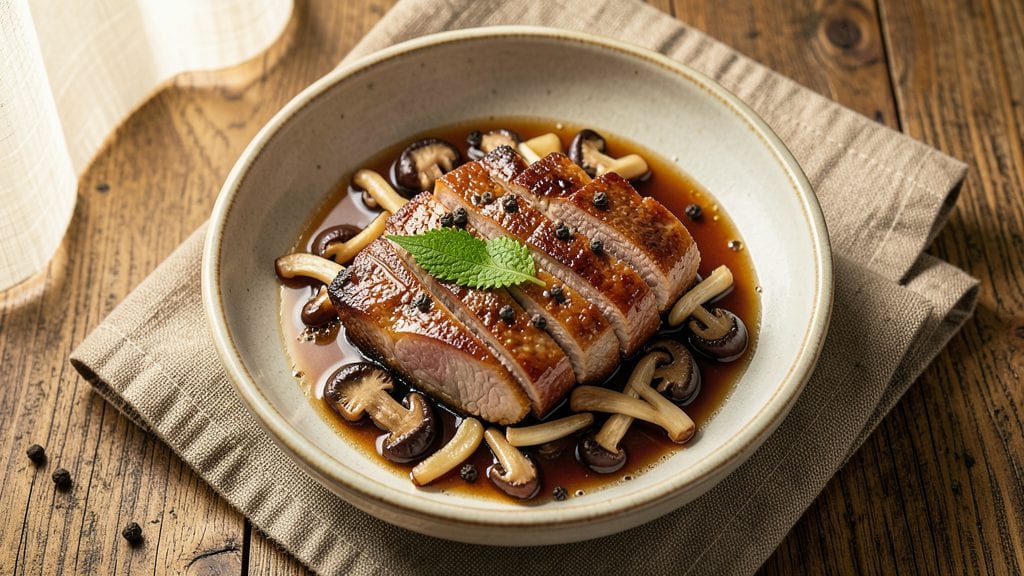
Mastering a Japanese pork loin recipe transforms ordinary weeknight dinners into restaurant-quality experiences. The secret lies in balancing sweet-savory teriyaki with precise cooking techniques that guarantee tender, juicy results every time.
Growing up in small-town Georgia, I learned pork deserves respect—this method honors that tradition while adapting it for modern kitchens.
This recipe delivers foolproof tenderness in just 30 minutes using a simple marinade of soy sauce, mirin, and sugar that tenderizes the meat while building deep umami flavor. The high-heat sear locks in juices, creating a caramelized crust that contrasts perfectly with the silky interior.
My years perfecting pork at Atlanta's Smoky Pig taught me how to control moisture and temperature for consistent results.
What you'll achieve is a dish that's elegant enough for dinner parties but simple enough for weeknights—golden-brown edges, glossy teriyaki glaze, and pork so tender it nearly melts in your mouth.
The aroma alone will have everyone gathered at your table before the timer even goes off. This is pork prepared with professional precision at home.
Serve with steamed rice and quick-pickled vegetables to complete the Japanese-inspired meal. The balance of textures and flavors creates a harmonious plate that showcases both the pork's natural qualities and the teriyaki's complexity. Let's create this restaurant-worthy dish together.
Ingredients for japanese pork loin
Restaurant-quality pork loin needs just 14 ingredients—no exotic finds, just smart choices.
| Ingredient | Amount | Notes |
|---|---|---|
| Japanese Pork Loin 🐖 | 1 ½ lb | Center-cut, 1-inch thick slices |
| Kosher Salt 🧂 | 1 tsp | Diamond Crystal preferred |
| Black Peppercorns 🌶️ | ½ tsp | Freshly cracked, coarse grind |
| Soy Sauce 🍶 | ½ cup | Kikkoman preferred, low-sodium |
| Mirin 🍶 | ¼ cup | Sweet cooking wine, not sub |
| Sake 🍶 | ¼ cup | Dry, not sweetened |
| Granulated Sugar 🍯 | ¼ cup | White or raw cane |
| Garlic Cloves 🧄 | 6 cloves | Fresh, peeled, minced fine |
| Fresh Ginger 🌿 | 2 tbsp | Grated, skin removed |
| Sesame Oil 🫒 | 1 tbsp | Toasted, not flavored |
| Vegetable Oil 🫒 | 2 tbsp | High smoke point |
| Cornstarch 🌾 | 1 tbsp | For thickening glaze |
| Water 💧 | 1 tbsp | Room temperature |
| White Rice 🍚 | 1 ½ cups | Uncooked, long-grain |
| Sesame Seeds 🌾 | 1 tbsp | Toasted, for garnish |
The pork loin is non-negotiable here. Center-cut, 1-inch thick slices ensure even cooking and maximum tenderness—butcher-cut at Whole Foods or your local meat counter guarantees quality. Look for good marbling, not bone-in pieces. I always ask for it to be trimmed of fat; too much renders and makes the glaze greasy. If you can't find Japanese pork loin, boneless pork loin chops work in a pinch, but trim excess fat. The Kikkoman soy sauce is worth the trip to the Asian market—it's the gold standard for teriyaki, with that perfect balance of salt and umami. For mirin, Happo Shu or Kikkoman are reliable brands; never substitute with sweet cooking wine.
Mirin out of stock? 1 tbsp sugar plus 1 tbsp dry sake mimics the sweetness, but you'll lose that delicate floral note. Fresh ginger and garlic are essential—dried just won't cut it. Need a shortcut? 1 tsp ground ginger plus 1 tsp garlic powder works, but toast the spices first to wake up their flavor. The sesame oil is for finishing—don't cook with it or it'll taste bitter. For the glaze thickening, arrowroot powder at half the amount works too, but cornstarch is more reliable if you're new to this. And if you're serving a crowd, double the glaze ingredients—it disappears fast.
Pork marinates best overnight, but 30 minutes minimum works if you're in a hurry. The glaze can be made ahead and reheated with a splash of water. Store cooked pork in airtight containers for 3 days or freeze for 3 months. I like to portion the glaze separately—just reheat it with the pork for that fresh-from-the-pan shine. For the rice, 1:1.5 rice-to-water ratio gives perfect fluffy grains. And always toast your sesame seeds in a dry pan first—they'll smell like autumn in Georgia, which is where this recipe's roots really are.
Why You'll Love This Recipe
- Five-Ingredient Magic: I swear, this recipe is my secret for nights when I’m too tired to think. Just salt, pepper, soy sauce, mirin, and pork—no fancy prep, no chopping mountains of veggies. Honestly, the only real effort is waiting for the oven to do its thing.
- Umami Bomb: That combo of soy sauce and mirin? It’s like a flavor explosion in your mouth. The pork stays juicy inside with just a hint of caramelized crust—crispy edges, tender middle, and a glaze that makes you want to lick the plate. (Yes, even on a Tuesday night.)
- Leftovers That Shine: This dish actually improves the next day. Slice it thin for bento boxes, toss it into fried rice, or serve it cold with rice and pickles. My kids beg for it at lunch, and I secretly love that I made enough for seconds.
- Weeknight Hero: No marinating overnight, no last-minute grocery runs. The pork cooks in under an hour, and the cleanup is a joke—one sheet pan, one spatula. Between us, this is the dish I turn to when I’ve got friends over but zero energy to impress.
Step-by-step instructions for Japanese pork loin with teriyaki glaze
Here's how to achieve melt-in-your-mouth pork with a glossy, balanced teriyaki glaze every time.
Prepare the Pork and Marinate for Maximum Tenderness
Slice the 1.5 lb Japanese pork loin into 1-inch thick pieces, cutting against the grain for maximum tenderness. Pat each slice completely dry with paper towels—this ensures a perfect sear later. In a bowl, combine the 0.5 cup soy sauce, 0.25 cup mirin, 0.25 cup sake, 0.25 cup granulated sugar, 6 cloves minced garlic, and 2 tbsp grated fresh ginger. Whisk until the sugar fully dissolves, creating a smooth marinade.
Place the pork slices in a shallow dish and pour the marinade over them, turning to coat evenly. Let it marinate for at least 30 minutes at room temperature—this allows the flavors to penetrate deeply. For best results, I like to marinate for up to 2 hours in the refrigerator, but even 30 minutes makes a noticeable difference in flavor development.
Sear the Pork for Irresistible Crust
Heat a large skillet over medium-high heat until it's smoking hot. Add 2 tbsp vegetable oil and swirl to coat the bottom evenly. Working in batches if needed, add the marinated pork slices and let them sear undisturbed for 2-3 minutes per side until they develop a deep golden-brown crust. This crust is what gives the dish its restaurant-quality appeal.
Real talk: Don't rush this step. You'll know it's ready when the edges are crisp and the pork releases easily from the pan. If the marinade starts to smoke before the pork is browned, reduce the heat slightly. Once all pieces are seared, transfer them to a plate and tent loosely with foil to keep warm.
Create the Perfect Teriyaki Glaze
In the same skillet (don't wipe it clean—those browned bits are pure flavor), reduce the heat to medium. Add 1 tbsp sesame oil and let it heat through for 30 seconds. Stir in 1 tbsp cornstarch and 1 tbsp water, whisking constantly for 1-2 minutes until the mixture thickens into a glossy glaze. This is your thickening agent—it transforms the remaining marinade into a rich, coatable sauce.
Pour in any remaining marinade from the bowl and scrape up all those delicious browned bits from the bottom of the pan. Let the glaze simmer for 2-3 minutes until it coats the back of a spoon. Taste and adjust seasoning with a pinch more kosher salt or soy sauce if needed. The glaze should be thick enough to coat the back of a spoon but still flow smoothly when poured.
Glaze and Rest for Optimal Texture
Return the seared pork to the skillet and spoon the glaze generously over each piece. Let it cook for 1-2 minutes until the glaze bubbles and coats the pork evenly. This final step ensures every bite has that signature teriyaki flavor. Transfer the pork to a serving platter and let it rest for 5 minutes—this crucial step allows the juices to redistribute, preventing them from running out when you cut in.
While the pork rests, prepare the 1.5 cups white rice according to package instructions. Fluff with a fork and sprinkle with 1 tbsp toasted sesame seeds before serving. The rice should be perfectly cooked—slightly firm but tender, with no hard grains. Serve the pork immediately with the rice, drizzling any remaining glaze from the pan over the top for maximum presentation.
Pro Tips For Making Japanese Pork Loin
- Sear at 400°F: Japanese pork loin needs a hot start—400°F is where the crust forms fast. I used to turn the heat down too early, and the exterior stayed pale. Lock in those flavors with a 3-minute sear on each side before dropping to 350°F.
- Use Cold Mirin: Pour cold mirin over the pork after searing—it’ll sizzle like magic and caramelize instantly. I learned this the hard way by adding it too soon; now I keep it chilled in the fridge until the last step.
- Salt the Night Before: Japanese pork loin stays juicier when salted 12–24 hours ahead. The salt penetrates deeper, and the meat holds up better during cooking. (Yes, even if you’re impatient like me.)
- Skip the Overcrowding: If you’re pan-searing, don’t stack the pork—it’ll steam instead of brown. Cook in batches if needed, and use a splash of water or mirin to deglaze between rounds. Your future self will thank you.
Troubleshooting your japanese pork loin
Overcooked Pork Fix
If your pork turns out tough instead of tender, it's likely overcooked. The key is timing—pork loin should reach an internal temperature of 145°F (measured with a meat thermometer). For thicker cuts, pull it out when it hits 135°F and let it rest; it'll carry over to 145°F while resting.
If you've already overcooked it, slice against the grain and serve with extra glaze to mask dryness. 🔥
Glaze Too Thin?
A runny glaze happens when cornstarch isn't cooked long enough. Simmer the glaze for 3-5 extra minutes until it thickens. If it's already too thin, whisk in ½ tsp cornstarch mixed with 1 tsp water and cook for another 1 minute.
For prevention, always use 1 tbsp cornstarch per ½ cup liquid—this ratio never fails me.
Marinade Not Sticking
If the glaze slides off instead of clinging, your pork wasn't dry enough before searing. Pat slices thoroughly with paper towels—no moisture means better adhesion. Another trick: Add 1 tsp honey to the marinade to help the glaze cling.
For extra insurance, broil the pork for 30 seconds after glazing to set the sauce.
Burnt Glaze Disaster
When glaze turns bitter or burns, you've cooked it too aggressively. Keep heat at medium-low while thickening—it should bubble gently, not boil violently. If it burns, whisk in 1 tbsp water or sake to dilute and cook for another 2 minutes at lower heat.
For future attempts, reduce heat to medium before adding cornstarch.
Uneven Cooking
Thicker edges cooking faster than thinner centers? Cut all pork slices to the same thickness before marinating. For extra insurance, sear thicker pieces first, then thinner ones.
If using a skillet, avoid overcrowding—cook in single layers with space between pieces. A cast-iron skillet handles this best due to even heat distribution.
Soy Sauce Overpowering
Too much saltiness? The balance is in the sugar—0.25 cup granulated sugar in the marinade balances the soy perfectly. If it's still too salty, dilute with 1 tbsp mirin or sake and simmer for 2 minutes to reduce.
For prevention, taste your marinade before using it—it should be slightly sweet with just a hint of salt.
Nutrition facts
Frequently asked questions
Can I substitute regular pork loin for Japanese pork loin?
Yes, but with adjustments! Use boneless pork loin chops (1-inch thick) and trim excess fat to prevent greasy glaze. Japanese pork loin has less connective tissue, so regular pork benefits from 10 extra minutes of marinating. The teriyaki flavors will still shine, but expect slightly firmer texture.
How do I know when the pork is fully cooked?
Use a meat thermometer! Japanese pork loin is safe at 145°F internal temperature. For 1-inch thick slices, this takes about 3-4 minutes per side after searing. The glaze should bubble but not burn when spooned over. Never rely on color alone—pork can look done but still be undercooked.
Can I make this recipe in a slow cooker?
Marinate the pork as directed, then place it in the slow cooker with 0.25 cup soy sauce, 0.25 cup mirin, and 1 tbsp honey. Cook on low for 4-5 hours or high for 2-3 hours. Finish with a quick pan sear for color. The texture will be more tender but less crispy than the stovetop method.
What's the best way to reheat leftovers?
Reheat gently in a skillet with 1 tbsp water or sake over low heat for 2-3 minutes until warmed through. Avoid microwaving—it makes the pork rubbery. For extra shine, brush with a little extra glaze reheated with 1 tsp cornstarch. Leftovers keep well in airtight containers for 3 days or frozen for 3 months.
Can I use this recipe for a special occasion?
Perfect for dinner parties! Double the recipe and prepare components ahead: marinate pork overnight, make glaze in advance, and cook rice separately. Garnish with sesame seeds and thinly sliced scallions for presentation. Serve with steamed bok choy or quick-pickled cucumbers to complete the Japanese-inspired menu. The aroma alone will impress your guests!