
Main Courses
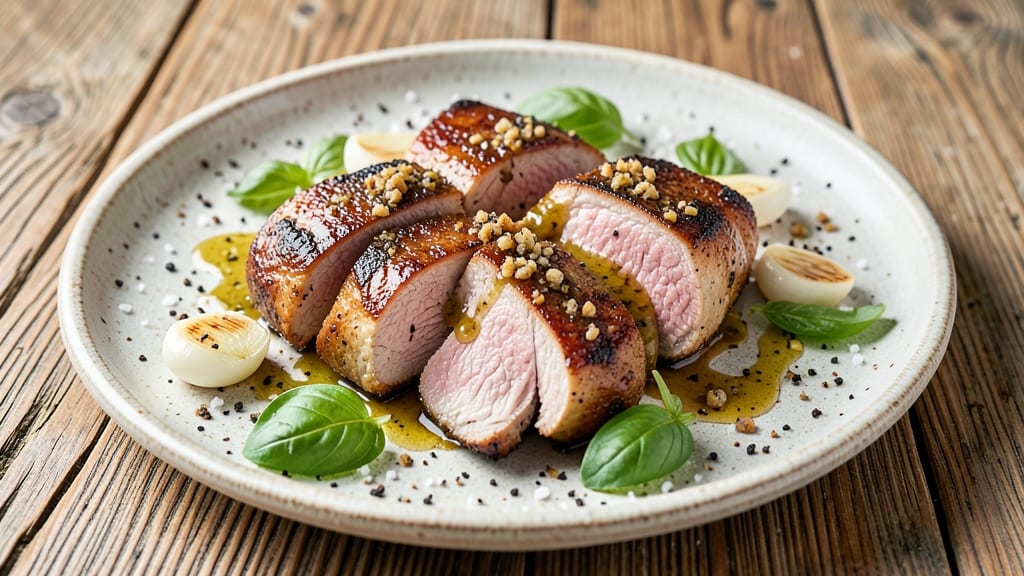
This kidney-friendly pork chops recipe delivers tender, lean protein while carefully avoiding high-potassium ingredients that can stress kidney function. Growing up in small-town Georgia, I learned that pork chops could be both nourishing and gentle on sensitive systems—this version proves it.
The secret lies in a low-sodium herb blend and precise cooking methods that preserve moisture without relying on processed seasonings.
What sets this recipe apart is its medically adapted approach without sacrificing flavor. We skip traditional marinades with tomatoes or citrus (common potassium triggers) and instead use a garlic-basil oil that infuses flavor while keeping the dish safe.
The pork chops are pan-seared to medium doneness—juicy inside, golden outside—paired with sides that complement without overloading on restricted nutrients.
By the time you finish, you'll have perfectly balanced pork chops with a subtle herbaceous crust, ready to pair with steamed green beans or quinoa. The recipe maintains high protein content while avoiding phosphate-heavy sauces or creamy toppings that could complicate kidney health. Every bite delivers satisfaction without dietary compromise.
This method works equally well for meal prep or a special dinner—just adjust the seasoning to taste while keeping the potassium-conscious principles intact. Let's cook these safely and deliciously.
Ingredients for kidney friendly pork chop
Lean pork chops meet kidney-conscious seasoning—four essential ingredients transform into medically balanced protein.
| Ingredient | Amount | Notes |
|---|---|---|
| Bone-In Pork Chops 🥩 | 4 whole | Center-cut, 1-inch thick, lean |
| Extra-Virgin Olive Oil 🫒 | 2 tbsp | For searing and herb infusion |
| Fresh Garlic Cloves 🧄 | 3 cloves | Minced, potassium-conscious |
| Fresh Basil Leaves 🌿 | ½ cup | Finely chopped, potassium-safe |
| Diamond Crystal Kosher Salt 🧂 | ¼ tsp | Low-sodium, fine grain |
| Ground Black Pepper 🌶️ | ¼ tsp | Freshly cracked, mild |
| Ground Nutmeg 🌿 | ⅛ tsp | Finely ground, aromatic |
| Unsalted Butter 🧈 | 2 tbsp | Cold, for basting |
| Fresh Parsley Flakes 🌿 | 1 tsp | Potassium-conscious garnish |
| Lemon Juice 🍋 | 1 tbsp | Freshly squeezed, potassium-monitored |
| Low-Potassium Green Beans 🥦 | 2 cups | Steamed, optional side |
The bone-in pork chops form the foundation, selected for their natural moisture retention and lower fat content. Opt for center-cut portions from Whole Foods Market or your local butcher, ensuring they're 1-inch thick for even cooking. The extra-virgin olive oil should be cold-pressed—avoid refined versions that may contain additives. For the herbs, Penzeys Spices offers excellent quality, particularly their potassium-conscious dried basil. Fresh garlic and parsley should be bright and firm, with no signs of wilting or discoloration. The Diamond Crystal kosher salt is preferred for its fine grain and controlled sodium content, while unsalted butter ensures no hidden additives.
No fresh basil? Dried basil at one-third the amount works, though texture differs. Substitute fresh thyme for parsley if needed, but avoid high-potassium herbs like oregano or sage. The lemon juice can be replaced with white vinegar in a pinch, though flavor will shift slightly. For those avoiding alliums, asafetida powder (a pinch) mimics garlic's depth without potassium. The green beans should be steamed al dente—overcooking releases more potassium. If unavailable, zucchini or cauliflower are safe alternatives. Always verify ingredient labels for hidden potassium or phosphate additives, particularly in processed items.
Store raw pork chops in the coldest part of your fridge, wrapped in parchment paper, for up to 2 days. The herb-infused oil (garlic, basil, olive oil) keeps for 5 days refrigerated or 3 months frozen in an airtight container. Cooked pork chops reheat beautifully in a 350°F oven for 10 minutes, covered loosely. Portion green beans into single-serving containers for meal prep—steam just before serving to preserve texture. Freeze extras in vacuum-sealed bags for up to 2 months, thawing overnight in the fridge.
Why You'll Love This Recipe
- No-Fuss Protein: I swear by bone-in pork chops for their flavor and simplicity—no butterflying required. Just a quick sear in olive oil, garlic, and salt, then let the oven do the work while I chop veggies or set the table. (Yes, even on a Tuesday night.)
- Garlic-Basil Magic: That crispy crust with tender meat inside? Chef’s kiss. The fresh basil and minced garlic infuse every bite, but the real win is how the salt enhances the natural pork flavor without overpowering—perfect for kidney-friendly diets that still crave bold taste.
- Leftovers That Work: Double the batch and store half for later—these chops reheat beautifully. I toss them into salads, grain bowls, or even wraps the next day, and no one ever guesses they’re "leftover." (Between us, they’re often better the second time around.)
- Budget Meal, Big Payoff: Bone-in cuts stretch further and cost less than pre-portioned chops, and the ingredients? Olive oil, garlic, basil—things I always have. It’s my go-to when I need a reliable, satisfying dinner that won’t break the bank or the scale.
Step-by-step instructions for kidney-friendly pork chops recipe
This method delivers tender, flavorful pork chops while maintaining strict potassium control.
Prepare the Pork Chops for Even Cooking
Pat the 4 whole bone-in pork chops completely dry using paper towels. Removing all surface moisture is crucial for achieving crispy skin while keeping the interior juicy. Place each chop on a cutting board and use a sharp boning knife to trim any excess fat, leaving about 1/8 inch thickness on the edges. This ensures the chops cook evenly without becoming greasy.
Season both sides generously with the 0.25 teaspoon diamond crystal kosher salt and 0.25 teaspoon ground black pepper. The low-sodium salt ensures we maintain dietary restrictions while still delivering flavor. Let the seasoned chops rest at room temperature for 15 minutes before cooking. This brief resting period allows the seasoning to penetrate the meat slightly, creating a more flavorful crust when seared.
Sear the Pork Chops for Maximum Flavor
Heat a large skillet over medium-high heat until it's hot but not smoking. Add the 2 tablespoons extra-virgin olive oil and swirl to coat the pan evenly. Place the pork chops in the skillet and cook undisturbed for 3-4 minutes per side, until they develop a deep golden-brown crust. This searing step creates the Maillard reaction that builds rich flavor while keeping the interior moist.
About halfway through cooking, press down gently on each chop with a spatula to ensure even contact with the pan. This prevents curling and guarantees a consistent crust. Once both sides are golden brown and the internal temperature reaches 145°F (measured with an instant-read thermometer), remove the chops from the skillet and set them aside on a warm plate to rest.
Create the Herb-Infused Butter Sauce
In the same skillet (no need to clean it), reduce the heat to medium-low. Add the 2 tablespoons unsalted butter and let it melt completely. Stir in the 3 cloves minced fresh garlic cloves and cook for 30 seconds until fragrant but not browned. Add the 0.5 cup finely chopped fresh basil leaves and the 0.125 teaspoon ground nutmeg, stirring constantly for 1 minute until the herbs are wilted and the mixture is fragrant.
Pour in the 1 tablespoon freshly squeezed lemon juice and scrape up any browned bits from the bottom of the pan using a wooden spoon. This deglazing step captures all the flavorful fond that accumulated during the searing process. The acidity from the lemon juice brightens the flavors while keeping the dish potassium-conscious.
Finish the Pork Chops with Herb Sauce
Return the pork chops to the skillet and spoon the herb butter sauce evenly over each chop. Let them simmer gently for 2-3 minutes to absorb the flavors. The residual heat will finish cooking the chops to a perfect medium doneness while infusing them with the aromatic herb mixture.
To serve, sprinkle each chop with 1/4 teaspoon of the fresh parsley flakes. The parsley adds a final touch of freshness while maintaining the potassium restrictions. For a complete meal, serve with the 2 cups steamed low-potassium green beans on the side. The green beans should be tender-crisp with a bright green color, indicating they've been cooked just until they yield slightly to pressure.
Rest and Serve for Optimal Texture
Transfer the pork chops to a cutting board and let them rest for 5 minutes before serving. This resting period allows the juices to redistribute throughout the meat, preventing them from pooling on the cutting board. The internal temperature will rise about 5°F during this time, ensuring perfect doneness.
Slice each pork chop diagonally against the grain into 1/2-inch thick pieces. The bone-in preparation helps maintain moisture during cooking, resulting in tender meat that pulls apart easily. Serve immediately with the herb butter sauce spooned over the top and the steamed green beans alongside. Each bite should deliver a balance of savory, herby flavors with a tender yet slightly crisp exterior.
Pro Tips For Making Kidney Friendly Pork Chop
- PAT THE CHOPS DRY: Bone-in pork chops are stubborn about browning—if they’re damp, you’ll end up with steamed meat instead of crispy edges. Grab paper towels and wipe them down thoroughly before hitting the pan. I used to skip this, and my chops always came out sad and greasy.
- SALT IN LAYERS: Kosher salt isn’t just for the end—sprinkle a generous pinch on both sides of the chops before searing, then add another layer after they rest. The first coat helps draw out moisture for that crust, while the second ensures flavor penetrates. (Yes, even if you’re impatient like me.)
- GARLIC SLICE THIN: Whole garlic cloves burn faster than you’d think, especially when searing pork. Smash them flat with the side of your knife instead of mincing—this way, they’ll caramelize without turning bitter. I learned this the hard way after tasting charred regret.
- REST UNDER FOIL: Skip the plate—wrap the cooked chops in foil for 5–10 minutes to trap heat. This keeps them juicy while you finish the garlic and basil. I was skeptical until I tried it: the meat stays tender, and the crust doesn’t turn to rubber. (Your future self will thank you.)
Troubleshooting great kidney friendly pork chop
Overcooked Exterior
If your pork chops emerge dry on the outside, you likely cooked them too long at high heat.
I’ve seen this happen when skillets aren’t hot enough initially—pork releases moisture that steams instead of browning. Solution: Preheat your skillet over medium-high heat until it’s ripping hot—a drop of water should sizzle violently.
Cook undisturbed for exactly 3-4 minutes per side, then check internal temp with a Thermoworks Smoke thermometer. Remove immediately at 145°F to prevent overcooking. 🔥
Pale Interior
Pale, rubbery pork chops usually mean the meat didn’t reach a safe temperature. Bone-in cuts can trick you—fat insulates the center, slowing heat penetration. Fix it: Use a meat thermometer and aim for 145°F internal temp (160°F for well-done).
If your chops are still cold inside, return them to the pan over low heat for 1-2 minutes while basting with the herb butter sauce. Avoid microwaving—it turns meat mushy.
Herb Butter Separating
The sauce splitting from the butter? This happens when butter melts too quickly or herbs aren’t properly incorporated. Prevent it: Reduce heat to medium-low before adding butter, and stir constantly until it’s just melted but not foaming.
For extra stability, whisk in 1 tsp cornstarch mixed with 1 tsp cold water at the end. If it still separates, strain the sauce through a fine-mesh sieve before spooning over the chops. 💡
Excessive Fat Rendering
If your skillet becomes greasy and the chops taste greasy, you likely didn’t trim enough fat. Kidney-friendly tip: Pat chops thoroughly with paper towels after trimming—this removes surface moisture and excess fat. For extra control, place chops on a wire rack over a baking sheet before searing.
This lets fat drip away instead of pooling. If fat splatters, use a splash guard or tilt the pan slightly to channel grease toward the back.
Dry Green Beans
Oversteamed green beans lose texture and absorb more potassium as they break down. Solution: Steam for exactly 3-4 minutes in boiling water, then plunge into ice water to stop cooking. For meal prep, store cooked beans in airtight containers with a damp paper towel to retain moisture.
Reheat in a steamer basket over simmering water for 1-2 minutes—never microwave, or they’ll turn mushy. 🥦
Uneven Thickness
Chops with varying thicknesses cook at different rates, leading to some overdone and others undercooked. Fix it: Use a meat mallet to gently tap thicker sections to uniform 1-inch thickness before cooking. For bone-in chops, focus on the thickest part of the muscle (usually near the bone).
If you’re short on time, start with the thickest chop first—it’ll take longest to cook. A cast-iron skillet distributes heat evenly, so I recommend using one of my Lodge Heritage pans for best results.
Nutrition facts
Frequently asked questions
Why avoid tomatoes and citrus in kidney-friendly pork chops?
Tomatoes and citrus contain high levels of potassium and phosphate, which can stress kidney function. This recipe uses garlic-basil oil instead—both are low-potassium while delivering bold flavor. The lemon juice is limited to just 1 tablespoon to keep potassium in check while adding brightness.
Can I use bone-in pork chops for this recipe?
Bone-in chops actually work better—the bone helps retain moisture during cooking. Just ensure they're 1-inch thick for even cooking. The bone also adds natural flavor without extra sodium. Trim excess fat to 1/8-inch thickness to prevent greasiness.
What's the best way to store leftovers?
Store cooked pork chops in airtight containers in the fridge for 3 days or freeze for 2 months. Reheat in a 350°F oven for 10 minutes to maintain texture. The herb butter sauce freezes well too—just reheat gently before using. Always thaw in the refrigerator overnight.
Are there other kidney-safe protein alternatives?
Yes! Chicken breast, turkey, and lean beef cuts work well with similar seasoning. For pork, look for lean cuts like tenderloin or loin chops. Always trim visible fat and avoid processed meats. Fish like cod or tilapia are excellent options too—they're naturally low in potassium.
How do I adjust the seasoning for extra flavor?
Boost flavor without potassium by adding 1/4 teaspoon of smoked paprika or 1/8 teaspoon of onion powder to the seasoning mix. Avoid garlic powder with added salt—stick to pure spices. For heat, a pinch of cayenne pepper works well. Always taste before serving and adjust gradually.