
Main Courses
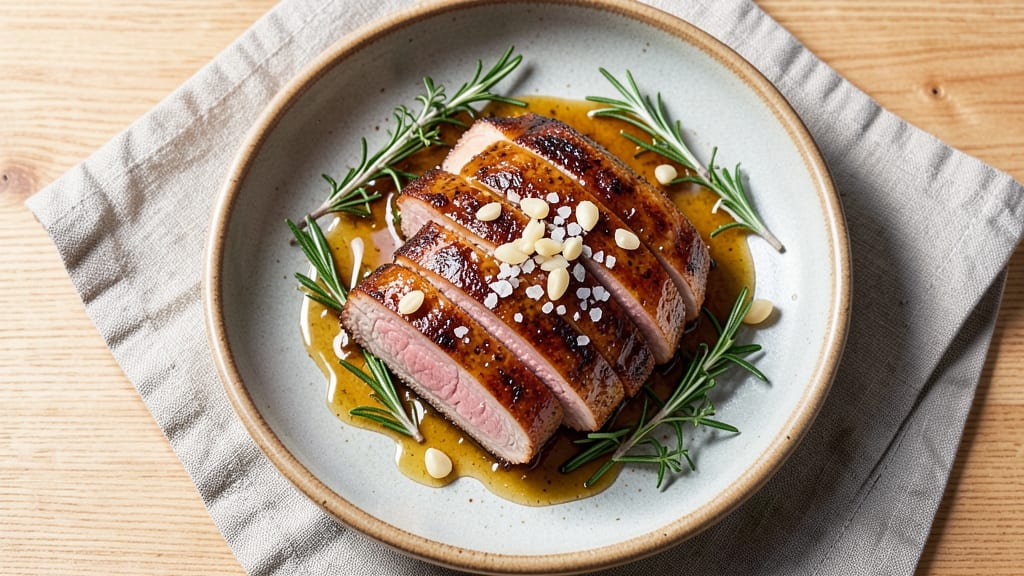
Mastering Lawry's pork tenderloin recipe transforms a simple cut into a showstopping centerpiece—juicy, aromatic, and kissed with vinegar for that signature crisp. Growing up in small-town Georgia, I learned pork deserves respect, and this method delivers restaurant-quality results at home with just a few key techniques.
The secret lies in balancing Lawry's seasoning with fresh herbs and a tangy vinegar brine that keeps the meat tender while building flavor.
This recipe delivers tender pork with a golden-brown crust, achieved through a simple marinade and precise roasting. Start by brining the tenderloin for 30 minutes to ensure moisture, then sear it in a hot pan to lock in juices before finishing in the oven.
The vinegar-kissed crisp comes from a final splash of apple cider vinegar in the last 10 minutes of roasting—trust me, it makes all the difference. Perfect for weeknight dinners or special occasions, this dish pairs beautifully with roasted potatoes or a rich wine reduction.
What you’ll end up with is a perfectly cooked pork tenderloin—tender throughout with a crisp exterior and fragrant garlic-herb notes. The internal temperature should reach 145°F, ensuring safety without drying out the meat.
Rest for 10 minutes before slicing to let the juices redistribute, and you’ll have a dish that’s elegant yet approachable, worthy of any table. Let’s get started on creating this crowd-pleaser.
For extra flair, garnish with fresh parsley and serve with a drizzle of pan juices—this elevates the presentation without extra effort. The recipe scales easily for guests, and leftovers reheat beautifully for sandwiches the next day.
Whether you’re feeding a family or hosting dinner, this pork tenderloin delivers professional results with minimal fuss. Here’s how to make it perfect every time.
Ingredients for lawry's pork tenderloin
Pantry staples meet fresh herbs—everything you need for restaurant-quality Lawry's pork tenderloin.
| Ingredient | Amount | Notes |
|---|---|---|
| Pork Tenderloin 🥩 | 1 ½ lb | Center-cut, trimmed of silver skin |
| Apple Cider Vinegar 🍎 | ¼ cup | Raw, unfiltered preferred |
| Fresh Garlic Cloves 🧄 | 6 cloves | Peeled, minced for marinade |
| Fresh Rosemary 🌿 | ¼ cup | Finely chopped, stems removed |
| Fresh Thyme 🌿 | ¼ cup | Leaves only, stems removed |
| Kosher Salt 🧂 | 1 ½ tbsp | Diamond Crystal preferred |
| Freshly Ground Black Pepper 🌶️ | 1 tsp | Coarsely ground |
| Lawry's Seasoning Salt 🧂 | 1 tbsp | Original blend for signature flavor |
| Unsalted Butter 🧈 | 2 tbsp | Cold, cubed for searing |
| Extra-Virgin Olive Oil 🫒 | 1 tbsp | High-quality, fruity |
| Fresh Parsley 🌿 | ⅛ cup | Chopped, for garnish |
The pork tenderloin deserves the best. Look for a center-cut piece—it's more flavorful and tender than the ends. Trim any silver skin before cooking, but don't worry about perfecting the shape. Whole Foods or local butchers often carry the best cuts, but your regular grocery store's meat department will have suitable options. Fresh herbs are non-negotiable here—rosemary and thyme should smell vibrant, not dried out. If you can't find fresh, dried works at one-third the amount, but the flavor won't be as bright. The Lawry's seasoning is the heart of this dish—grab the original blend if you're not sure which to choose.
No apple cider vinegar? White wine vinegar or lemon juice works in a pinch, though the flavor will differ slightly. Fresh garlic can be swapped for garlic powder at half the amount, but the texture won't be the same. Substitute dried herbs if needed, but reduce to one-third the quantity. For the butter, European-style unsalted butter adds more richness, but regular unsalted works fine. The olive oil should be extra-virgin—look for Italian or Spanish varieties for that fruity depth. If you're missing parsley for garnish, cilantro or chives add a nice contrast.
This pork reheats beautifully—sliced and warmed in a skillet with a splash of pan juices is perfect for sandwiches. Store leftovers in the fridge for up to 4 days, or freeze for 3 months by wrapping tightly in plastic wrap. The marinade can be prepped ahead and stored in the fridge for up to 24 hours. For extra crispiness, broil the pork for 2-3 minutes at the end—just watch it closely to avoid burning. The pan juices are worth saving—freeze them in ice cube trays for future flavor boosts.
Why You'll Love This Recipe
- Foolproof Seasoning: The rosemary and thyme practically stick to the meat like glue—no fancy marinating needed. Just a quick rub, and the flavors sink in while it roasts, giving you that restaurant-quality crust without the fuss.
- Apple Cider Magic: That splash of vinegar? It’s the secret weapon. It tenderizes the pork and adds a bright, almost caramelized depth when it cooks—like a little sweet-tangy hug for every bite.
- Weeknight to Dinner Party: Same recipe, zero stress. Serve it sliced over mashed potatoes for a lazy night or carve it whole for guests—no one will guess it took less than 45 minutes. (Yes, even on a Tuesday night.)
- Budget-Friendly Luxury: Pork tenderloin is lean, affordable, and this method makes it feel special without breaking the bank. Leftovers reheat beautifully—toss them in sandwiches or salads, and you’ve got three meals for the price of one.
Step-by-step instructions for garlic-herb roast with vinegar-kissed crisp
Here's the method for achieving perfectly tender pork with a crisp exterior and aromatic herb profile.
Prepare the Vinegar Marinade and Season the Pork
In a small bowl, combine the 0.25 cup apple cider vinegar, 6 cloves minced fresh garlic cloves, 0.25 cup finely chopped fresh rosemary, 0.25 cup fresh thyme leaves, 1.5 tablespoons kosher salt, 1 teaspoon freshly ground black pepper, and 1 tablespoon Lawry's seasoning salt. Whisk until the salt and seasoning fully dissolve. This marinade will tenderize the meat while infusing it with bright acidity and herbaceous depth.
Pat the 1.5 lb pork tenderloin dry with paper towels, removing any remaining silver skin. Rub the marinade evenly over all sides, pressing it into the meat so it penetrates. Place the pork on a plate and let it sit at room temperature for 30 minutes. This resting period allows the marinade to work its magic while bringing the meat to an even temperature for more consistent cooking.
Sear the Pork for Maximum Flavor
Preheat your oven to 400°F. Heat a large oven-safe skillet over medium-high heat until hot. Add 1 tablespoon extra-virgin olive oil and let it shimmer for 30 seconds. Add the 2 tablespoons cold cubed unsalted butter to the skillet and let it foam and melt completely.
Carefully place the pork tenderloin in the skillet, turning it to coat all sides with the butter and oil. Sear for 3-4 minutes on each side until the exterior develops a deep golden-brown crust. This step is crucial for building flavor through the Maillard reaction. Don't move the pork during searing—let it develop that beautiful crust undisturbed. The butter will baste the meat as it cooks, adding richness.
Roast to Perfect Doneness
Transfer the skillet to the preheated oven and roast for 15-20 minutes, or until the internal temperature reaches 145°F when measured at the thickest part of the meat. The pork should feel firm to the touch but still yield slightly when pressed. This temperature ensures tender meat without drying it out.
For best results, use a meat thermometer. The pork will continue cooking slightly after removal from the oven (carryover cooking), so pull it out when it reaches 145°F. If your oven runs hot, you may need to reduce the temperature to 375°F and increase the cooking time by 5 minutes. The exterior should be crisp while the interior remains juicy and tender.
Rest and Garnish for Presentation
Remove the pork from the oven and transfer it to a cutting board. Let it rest for 10-15 minutes before slicing. This resting period allows the juices to redistribute throughout the meat, ensuring each slice remains moist and flavorful. Tent loosely with aluminum foil to keep it warm during resting.
While the pork rests, spoon any pan juices from the skillet over the meat. Garnish with the 0.125 cup chopped fresh parsley just before serving. The parsley adds a fresh, bright contrast to the rich, herbed pork. Slice the pork into 1-inch medallions against the grain for the most tender texture. Serve immediately with the crispy exterior and tender interior intact.
Pro Tips For Making Lawry'S Pork Tenderloin
- Trim the Fat: Pork tenderloin is lean, but if yours has a thin fat cap, slice it off—it’s not flavorful and can make the meat dry faster. I learned this after serving a batch that was tougher than expected; the fat wasn’t helping, just slowing things down.
- Sear First, Roast Later: Don’t skip the sear in a hot pan—it locks in juices and builds flavor. After browning, transfer to the oven immediately (around 400°F) so the meat doesn’t steam in its own juices. I used to rush this, and the results were always less crisp and more soggy.
- Measure the Vinegar: The apple cider vinegar in the pan isn’t just for flavor—it tenderizes. Use the full 2 tablespoons called for, but reduce the heat to medium after adding it to avoid burning. I was skeptical until I tried it; the acid actually makes the meat more forgiving if you overcook slightly.
- Stuff the Garlic: Instead of mincing garlic into the pan, peel and smash 2-3 cloves flat, then tuck them under the pork before roasting. They’ll infuse the meat directly without burning. Sounds weird, but it works—no more bitter garlic flavor from charring.
Essential equipment for this recipe
Essential Skillet
An oven-safe stainless steel skillet like the All-Clad Stainless or Lodge pre-seasoned cast iron is non-negotiable for this recipe. I swear by my Lodge 10.5-inch—it sears pork to perfection and transitions seamlessly from stovetop to oven.
The heavy base maintains even heat distribution, preventing hot spots that can dry out the tenderloin. Avoid nonstick pans; they won’t develop that coveted crust. 🔥
Meat Thermometer
Invest in a digital instant-read thermometer—I use the ThermoWorks Smoke—to nail that 145°F internal temperature. Pork tenderloin cooks quickly, and guessing leads to overcooked, tough meat. The probe should go into the thickest part, avoiding bone or fat.
A cheap pop-up thermometer won’t cut it here; precision matters. Pro tip: Calibrate your thermometer annually for accuracy.
Cutting Board & Knife
A sharp chef’s knife and wooden cutting board are your best friends for slicing. I prefer a Wüsthof 8-inch for its balance and precision. Slice against the grain for 1-inch medallions—this maximizes tenderness.
A dull knife crushes fibers, making the meat tough. Keep your board clean and dry to prevent bacterial growth, especially when handling raw pork.
Marinade Bowl
Use a small glass or stainless steel bowl for the marinade—plastic can absorb flavors and degrade over time. I like Pyrex for its durability and even heat distribution if I ever need to warm the marinade.
Whisk the ingredients thoroughly to dissolve the Lawry’s seasoning salt completely. A fine-mesh strainer helps remove herb stems if you prefer a smoother texture. 💫
Resting Tools
After roasting, rest the pork on a wire rack (placed over a baking sheet) to allow air circulation. This prevents soggy slices. I keep a collapsible wire rack from OXO in my kitchen—it’s versatile and easy to store.
Tent loosely with aluminum foil to retain heat without trapping steam. A meat fork (like Jaccard) helps lift the pork without piercing it during resting.
Optional Upgrade
For extra crispiness, a broiler pan or cast-iron griddle works wonders for the final 2-3 minutes. I also keep apple cider vinegar spray bottles handy to mist the pork before broiling—this enhances the vinegar-kissed crisp.
A baster (like OXO Good Grips) collects and redistributes those precious pan juices for serving. These tools aren’t mandatory, but they elevate the dish to restaurant-level perfection.
Nutrition facts
Frequently asked questions
Can I substitute Lawry's Seasoning Salt with something else?
If you don't have Lawry's, use a mix of 1 teaspoon garlic powder, 1 teaspoon onion powder, 1/2 teaspoon dried thyme, and 1/2 teaspoon black pepper. For a similar savory depth, try 1 tablespoon of smoked paprika plus 1/2 teaspoon salt. The key is balancing saltiness with herbal notes to complement the pork's natural flavor.
What's the best way to ensure my pork tenderloin stays juicy?
Start by never skipping the 30-minute room temperature rest before cooking—this ensures even cooking. Use a meat thermometer and pull the pork at 145°F (it'll rise to 150°F while resting). Brining for 30 minutes in the vinegar marinade also helps retain moisture. Most importantly, let it rest for 10-15 minutes after roasting—this redistributes juices for perfect tenderness.
Can I make this recipe ahead of time?
Yes! Prep the marinade up to 24 hours ahead and store it in the fridge. For the pork itself, cook it completely, then refrigerate for up to 4 days or freeze for 3 months. Reheat sliced pork in a skillet with a splash of pan juices over medium-low heat until warmed through. The texture holds up beautifully for sandwiches or salads.
Why does my pork turn out dry?
Overcooking is the #1 cause—pork tenderloin cooks faster than you think! Always use a thermometer and remove it at 145°F. Cutting into it too soon after roasting releases juices, making it seem dry. Also, avoid thick cuts (>1.5 lbs) unless you're experienced with cooking times. A 1.5 lb tenderloin should cook in 20 minutes total (including searing).