
Main Courses
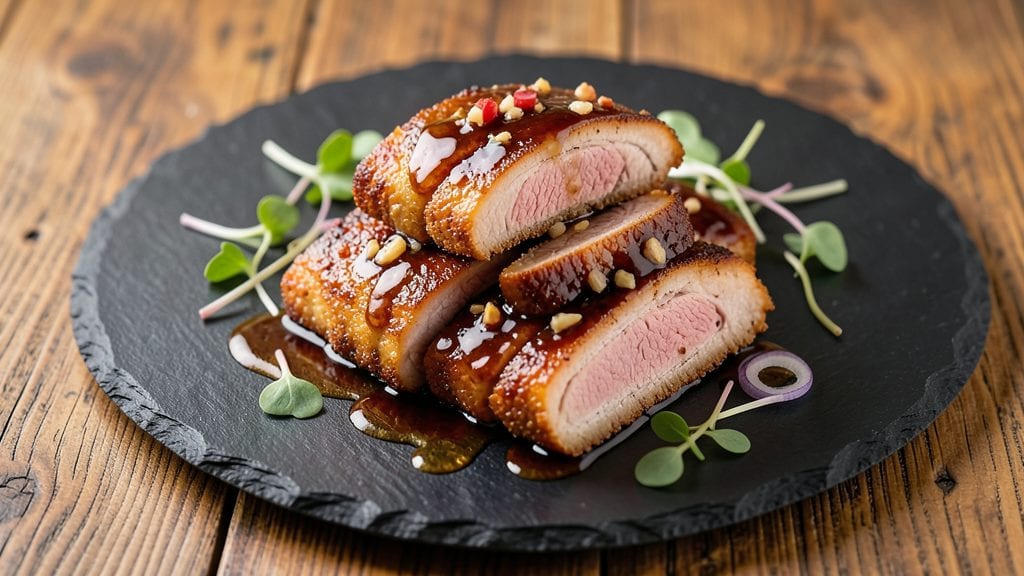
Transforming leftover pork belly into a restaurant-quality stir-fry is where this recipe shines—crispy skin and savory shreds that make every bite unforgettable. I developed this method after years of working with pork at The Smoky Pig, where we never let good meat go to waste.
The key lies in proper technique: high-heat searing for that crackling exterior while preserving the tender, fatty interior.
What sets this recipe apart is the balance of textures—crispy edges that shatter between your teeth and melt-in-your-mouth shreds that cling to every noodle or rice grain. We'll use a simple stir-fry approach with aromatics like garlic and ginger, but the real magic happens in the pork belly itself.
The fat renders beautifully, creating a glossy, flavorful sauce that coats everything in the pan.
By the time you're done, you'll have a dish that's rich, satisfying, and packed with umami—perfect for a weeknight dinner or a special occasion. The method is straightforward but delivers professional results, proving that leftovers can be just as impressive as the original meal.
Let's get started with a technique that transforms scraps into something extraordinary.
This recipe works equally well with rice, noodles, or even as a filling for dumplings. The versatility means you can adapt it to whatever's in your pantry, making it a go-to solution for repurposing pork belly.
The crispy skin adds a satisfying crunch, while the tender shreds soak up all the surrounding flavors—garlic, ginger, and a touch of soy for depth.
Ingredients for leftover pork belly
Pantry staples meet restaurant-quality pork belly—simple ingredients for extraordinary results.
| Ingredient | Amount | Notes |
|---|---|---|
| Leftover Pork Belly 🥓 | 1 lb | Cold or room temperature, skin intact |
| Extra-Virgin Olive Oil 🫒 | 2 tbsp | High smoke point for searing |
| Garlic Cloves 🧄 | 6 cloves | Minced, fresh preferred |
| Fresh Ginger 🌿 | 1 tbsp | Finely grated, peeled |
| Low-Sodium Soy Sauce 🥢 | 2 tbsp | For umami depth |
| Rice Vinegar 🍶 | 1 tbsp | White or seasoned |
| Honey 🍯 | 1 tbsp | For subtle sweetness |
| Sesame Oil 🫒 | 1 tsp | Toasted for aroma |
| Diamond Crystal Kosher Salt 🧂 | 1 tsp | For seasoning |
| Freshly Ground Black Pepper 🌶️ | ½ tsp | Cracked over top |
| Jasmine Rice 🍚 | 1 ½ cups | Uncooked, long-grain |
| Green Onions 🧅 | 3 whole | Thinly sliced, white and green parts |
| Toasted Sesame Seeds 🌾 | 1 tsp | For garnish |
The pork belly is the star here, so look for pieces with thick, unbroken skin—this is what creates that coveted crackling crust. If your leftover pork belly has already been partially cooked, even better; it'll shred more easily. For the best texture, pat it completely dry before searing—this helps the skin crisp up properly. I usually grab pork belly from Whole Foods or Costco when I'm planning ahead, but any quality butcher will have it. The fat content is what makes this dish rich and flavorful, so don't be tempted to trim it all off.
No fresh ginger? Ground ginger at half the amount works in a pinch, though fresh has more impact. Running out of rice vinegar? Substitute apple cider vinegar—it adds a slightly different tang but still cuts through the richness. The sesame oil is non-negotiable for that nutty aroma, but if you're avoiding it, toasted peanut oil can mimic some of that depth. For the rice, jasmine is ideal, but any long-grain variety will work. The green onions? Use the whole thing—white parts add flavor, green parts add color. If you're feeling fancy, swap the jasmine rice for forbidden black rice for a striking presentation.
Pork belly keeps well in the fridge for 3-4 days if properly stored in an airtight container with a paper towel pressed against the skin to absorb excess moisture. Once cooked, this dish reheats beautifully—just warm it gently in a skillet with a splash of water to keep everything moist. The crispy skin will soften slightly, but the shredded pork stays tender. Portion into containers with the rice and sauce separated so you can reheat just what you need. Leftovers actually taste better the next day as all the flavors meld together—perfect for meal prep.
Why You'll Love This Recipe
- I’ll be real: pork belly isn’t cheap, but this recipe stretches every last bit into something special. No fancy ingredients, just smart use of what you’ve got—plus, it’s way cheaper than takeout when you’re feeding a crowd. One pan, zero stress.
- No-Waste Magic: I swear by this trick—turning yesterday’s pork belly into today’s star dish with just a knife and a pan. Honestly, the crispy bits that would’ve gone straight to the trash? Now they’re the best part, crackling with every bite.
- Umami Bomb: That combo of soy sauce, ginger, and garlic? It’s like a flavor explosion for your taste buds. The pork belly soaks up the savory punch while staying tender, and the olive oil adds this silky richness that makes it feel like a restaurant dish.
- Lunchbox Hero: Between us, this is my go-to for packed lunches—especially when I’ve got a busy week ahead. Slice it up, pack it cold, and it’s still delicious hours later. (Yes, even on a Tuesday night when you’re craving something hearty but don’t want to cook.)
Step-by-step instructions for leftover pork belly with crispy skin
Transforming leftover pork belly into restaurant-quality stir-fry starters is easier than you think.
Render and Crisp the Pork Belly
Pat the 1 lb leftover pork belly completely dry with paper towels—this is non-negotiable for crispy skin. Cut into ½-inch thick slices, keeping the skin intact. Heat 2 tbsp extra-virgin olive oil in a cold skillet over medium heat. Place the pork belly slices skin-side down and let them render undisturbed for 8-10 minutes until the fat turns golden and begins to crisp.
Here's the thing—you'll see the fat pool in the pan, but don't drain it. That rendered fat is what creates the crispy exterior. Once the skin is golden brown and crispy, carefully flip the slices and cook for another 3-4 minutes until the meat reaches 145°F internally. Remove from the pan and set aside on a wire rack to drain excess fat for 5 minutes. This resting step prevents soggy skin when you stir-fry later.
Prepare the Aromatic Sauce Base
In the same skillet (don't wipe it clean—the browned bits are flavor gold), add the 6 cloves minced garlic cloves and 1 tbsp finely grated fresh ginger. Cook over medium heat for 1-2 minutes until fragrant but not browned. Add 2 tbsp low-sodium soy sauce, 1 tbsp rice vinegar, and 1 tbsp honey, stirring constantly for 30 seconds until the sauce begins to simmer.
This is where the magic happens—the soy sauce adds umami depth, the vinegar brightens the flavor, and the honey creates a subtle balance. Let the mixture reduce by half (about 2 minutes) until it coats the back of a spoon. Remove from heat and stir in 1 tsp sesame oil, reserving ½ tsp for garnish later. The sauce should be glossy and slightly thickened.
Cook the Jasmine Rice
While the pork belly crisps, rinse the 1.5 cups jasmine rice under cold water until the water runs clear. This removes excess starch that would make the rice mushy. In a separate pot, combine the rice with 3 cups water, 1 tsp diamond crystal kosher salt, and a pinch of the freshly ground black pepper. Bring to a boil, then reduce heat to low, cover, and simmer for 15 minutes.
I know it seems counterintuitive, but don't peek or lift the lid during cooking—steam is what creates fluffy grains. After 15 minutes, turn off the heat and let it steam covered for another 10 minutes. Fluff with a fork before serving to separate the grains. This perfectly cooked rice will soak up the pork belly juices beautifully.
Assemble and Finish the Dish
Thinly slice the 3 whole green onions and set aside. Return the crispy pork belly slices to the skillet with the sauce and warm through for 1 minute. The residual heat will make the pork belly irresistibly tender while keeping the skin crisp. Spoon the rice onto serving plates and arrange the pork belly slices on top, fanning them out for presentation.
Drizzle any accumulated juices from the pork belly over the rice, then sprinkle with the reserved ½ tsp sesame oil and 1 tsp toasted sesame seeds. Finish with a crack of the remaining 0.5 tsp freshly ground black pepper. The contrast of crispy skin, tender meat, and fragrant rice creates the perfect balance of textures and flavors.
Pro Tips For Making Leftover Pork Belly
- CRISP IT FIRST: Leftover pork belly is already fatty, but if it’s soft and limp, hit it with a hot cast-iron skillet for 2-3 minutes per side before shredding. The high heat jumpstarts the render, giving you that coveted texture—no need to start from scratch.
- MINCE THAT GINGER: I used to grate ginger and wonder why my dish tasted flat. Now I pulse it in a food processor with a pinch of salt until it’s a fine paste—no fibrous surprises. Works the same for garlic, but keep it rougher (2-3mm pieces) so it doesn’t turn to mush.
- SALT THE SOY: Low-sodium soy sauce is already mild, so add a ¼ teaspoon of flaky sea salt per tablespoon of sauce before mixing. It brightens the flavor without overpowering, and you’ll taste the difference immediately—no guessing if it’s bland.
- LOW AND SLOW FINISH: After searing, resist the urge to crank the heat. Simmer the pork belly in its rendered fat with aromatics on medium-low for 10-12 minutes. High heat turns the fat greasy; this keeps it glossy and infused—not soggy. (Yes, even if you’re impatient like me.)
Serving suggestions for leftovers
Rice or Noodle Base
Jasmine rice is my go-to for this dish because its delicate floral notes complement the pork belly's richness without overpowering it. Cook 1.5 cups of jasmine rice with 3 cups water and 1 tsp kosher salt for perfectly fluffy grains.
For a quicker option, swap rice for 8 oz udon noodles—simmer them in boiling water for 4-5 minutes until al dente. I've also used soba noodles for a lighter texture, especially when I'm feeling adventurous. 🍚
Garnish Game Changers
Freshly toasted sesame seeds add a nutty crunch that elevates every bite—just dry-toast 1 tsp in a small pan over medium heat for 1-2 minutes until golden. Thinly sliced green onions provide a bright contrast, so don't skip them.
For extra flair, I sometimes add pickled red onions (marinate ½ cup thinly sliced red onions in 1 tbsp rice vinegar and ½ tsp sugar for 15 minutes) for a tangy pop. 🌿
Sauce Variations
This basic sauce works wonders, but I love experimenting with variations. For a spicy kick, add ½ tsp gochujang (Korean chili paste) to the sauce base. A sweet and tangy twist?
Swap the honey for 1 tbsp hoisin sauce and add ½ tsp grated star anise while cooking the aromatics. For a herbaceous finish, stir in 1 tbsp chopped cilantro or thai basil at the end. 🌶️
Presentation Tips
Arrange the crispy pork belly slices in a fan shape over the rice to showcase that golden skin—it's the star of the dish! Drizzle the pan sauce generously over everything, then sprinkle with toasted sesame seeds and a pinch of flaky sea salt.
For a restaurant-worthy touch, serve in a wide, shallow bowl so guests can see all the textures at once. I also like adding a few edible flowers (like nasturtiums) for a pop of color when I'm feeling fancy. ✨
Side Dish Pairings
This dish stands alone, but it's even better with complementary sides. A simple cucumber salad (slice 1 English cucumber, toss with 1 tbsp rice vinegar, ½ tsp sugar, and 1 tsp sesame seeds) cuts through the richness.
For something heartier, serve with steamed bok choy or quick-pickled vegetables (like radishes or carrots). I also love adding a miso soup on the side for a lighter option. 🥒
Leftovers Reinvented
This dish reheats beautifully—just warm the pork belly and sauce in a skillet over medium heat for 2-3 minutes until heated through. Store components separately in airtight containers to maintain crispiness.
For a completely different take, shred the leftover pork belly and mix it into fried rice with scrambled eggs and peas. The crispy skin will soften slightly but still adds incredible flavor. Honestly, I've made this same base recipe at least 10 times with different ingredients—it's that versatile. 💡
Nutrition facts
Frequently asked questions
Can I use pork belly that's already been cooked once before?
This recipe is designed specifically for pre-cooked pork belly. The key is to pat it completely dry before searing to ensure that crispy skin. Cold pork belly works just as well as room temperature—just let it sit at room temp for 10-15 minutes before cooking to prevent chilling the pan. The fat content will render beautifully, creating that golden crust we're after.
What if my pork belly skin isn't crisping up?
Crispy skin is all about patience and heat control. Start with a cold skillet and let the pork belly render its own fat over medium heat—never high heat, or it'll burn before crisping. If it's not crisping, your pan might be too hot or the meat isn't dry enough. Try lowering the heat slightly and cooking undisturbed for 10-12 minutes on one side. A wire rack helps too—place the cooked slices on one to let excess fat drain away.
Can I make this dish ahead of time?
Yes, but with a few adjustments. Cook the pork belly and sauce as directed, then let it cool completely. Store the components separately in airtight containers—pork belly in one container, sauce in another, and rice in a third. Reheat the pork belly and sauce in a skillet over medium heat for 2-3 minutes until warmed through. The crispiness will soften slightly, but the flavor remains incredible. The rice can be reheated separately with a splash of water.
What are some other ways to use leftover pork belly?
This recipe is just the beginning! Shred the pork belly and mix it into fried rice with scrambled eggs and peas, or stuff it into dumplings with cabbage and scallions. For something heartier, slice it thin and use it in pho broth or ramen for extra richness. Even better, cube it and pan-fry with pickled vegetables for a quick banh mi-inspired bowl. The possibilities are endless—just let your creativity guide you!
How do I store leftover pork belly to keep it fresh?
Store cooked pork belly in an airtight container with a paper towel pressed against the skin to absorb excess moisture. Keep it refrigerated for up to 4 days or freeze for 3 months. When reheating, always warm it gently in a skillet with a splash of water to maintain moisture. The skin will soften slightly, but the flavor stays rich and delicious. For freezing, wrap individual portions tightly in plastic wrap before placing in a freezer bag.