
Soups & Stews
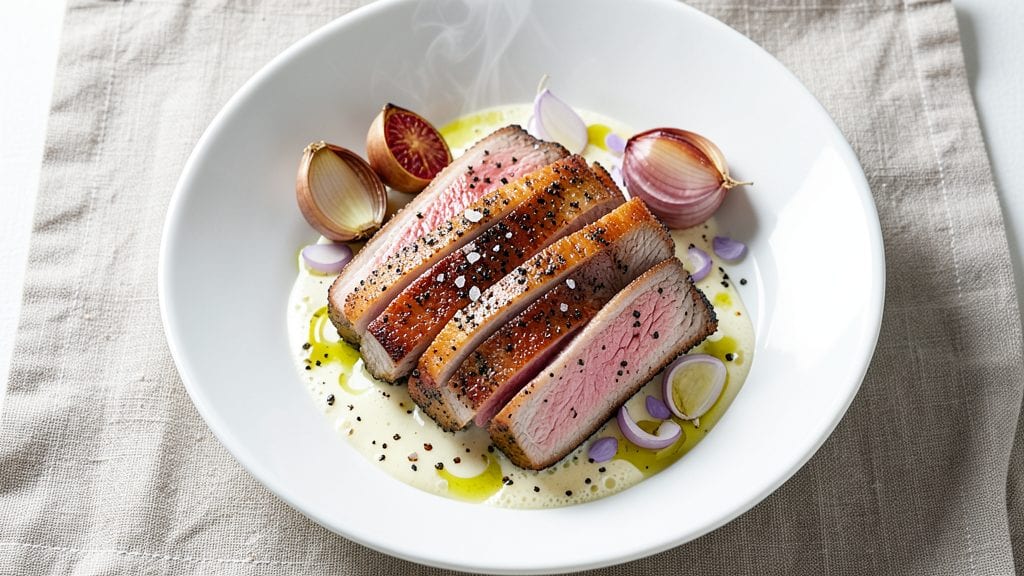
Martha Stewart's pork loin recipe delivers that perfect balance of crispy crust and juicy pink centers that makes every bite unforgettable. Growing up in small-town Georgia, I learned pork should be tender yet have a satisfying bite—this method nails it every time.
The secret lies in proper seasoning and precise cooking temperatures, ensuring restaurant-quality results at home.
What sets this recipe apart is its simplicity combined with professional techniques. You'll start with a dry-brined pork loin, then create a flavorful crust through careful searing in a hot cast iron skillet.
My own heritage Gloucestershire Old Spots pigs taught me how pork responds to heat—this method respects that natural tenderness while building that essential crust.
The result is a perfectly cooked pork loin with a golden-brown exterior that gives way to tender, pink centers. This cut stays moist thanks to the dry brine method, while the searing creates that satisfying snap.
Serve with roasted root vegetables or a fresh herb salad for a complete meal that feels special yet approachable.
Ready in just 30 minutes, this recipe transforms weeknight dinners into something memorable. The key is maintaining the right internal temperature—145°F for juicy perfection. Let's get started with this Martha Stewart-inspired method that delivers professional results every time.
Ingredients for martha stewart pork loin
Quality cuts, precise seasoning, and professional techniques transform pork loin into restaurant-worthy perfection.
| Ingredient | Amount | Notes |
|---|---|---|
| Center-Cut Pork Loin 🐷 | 1 ½ lb | Bone-in, 1.5-inch thick cut preferred |
| Diamond Crystal Kosher Salt 🧂 | 2 tbsp | For dry brine, coarse grain preferred |
| Freshly Ground Black Pepper 🌶️ | 1 tsp | Cracked peppercorns for optimal freshness |
| Extra-Virgin Olive Oil 🫒 | 2 tbsp | High smoke point for searing |
| Unsalted Butter 🧈 | 3 tbsp | Cold, cut into 1/2-inch cubes |
| Garlic Cloves 🧄 | 4 cloves | Minced, skin removed for purity |
| Fresh Rosemary 🌿 | 2 sprigs | Needles finely chopped, stems discarded |
| Fresh Thyme 🌿 | 2 sprigs | Leaves only, stems removed |
| Granulated Garlic 🧄 | 1 tsp | For additional flavor depth |
| Dried Oregano 🍃 | ½ tsp | Mediterranean variety preferred |
| Cast Iron Skillet 🔥 | 1 whole | 10-inch diameter, well-seasoned |
| Meat Thermometer 🌡️ | 1 whole | Instant-read preferred for accuracy |
The center-cut pork loin is non-negotiable for this recipe—look for bone-in cuts with visible marbling at specialty butchers like D'Artagnan or high-end grocery stores. Thickness matters: aim for 1.5 inches to ensure even cooking. For dry brining, Diamond Crystal kosher salt is ideal due to its coarse texture, which adheres better to the meat's surface. If your local market doesn't carry it, Morton kosher salt works as a suitable alternative. Fresh herbs are essential—Whole Foods Market or local farmers markets typically carry the freshest rosemary and thyme, which should have vibrant green needles and leaves with a strong, aromatic scent.
No extra-virgin olive oil? Avocado oil has a higher smoke point and works equally well for searing. Substituting butter with ghee eliminates the risk of burning while maintaining richness. For the garlic, granulated garlic powder can replace fresh minced garlic at half the amount, though it lacks the same depth of flavor. If you're short on fresh herbs, dried rosemary and thyme at one-third the quantity will suffice, though the aroma won't be as pronounced. The cast iron skillet is critical—ensure it's thoroughly seasoned to prevent sticking, and preheat it over medium-high heat for 5 minutes before adding the pork.
The dry-brined pork loin should be refrigerated uncovered on a wire rack for at least 4 hours, ideally overnight, to develop maximum flavor. Store any remaining herbs in damp paper towels within a sealed container to maintain freshness for up to 5 days. Leftover pork loin reheats beautifully—wrap it in foil and bake at 325°F for 10-15 minutes to preserve moisture. For meal prep, slice the pork into medallions and store in an airtight container with a drizzle of extra-virgin olive oil to keep it tender for up to 3 days. Freezing is possible for up to 3 months, though texture may slightly degrade.
Why You'll Love This Recipe
- No-Fuss Roast: I swear by this method—just season, sear, and let the oven do the work. That center-cut pork loin stays juicy while the crust gets golden and crispy, all with zero fussing.
- Butter-Basted Magic: The secret’s in the butter. Martha’s trick of basting with melted butter and olive oil while it roasts? That’s what turns it from good to ridiculously good—tender inside, rich and caramelized out.
- Weeknight to Dinner Party: Same recipe, different vibes. Serve it sliced for a quick weeknight dinner or carve it dramatically for guests. Honestly, the prep’s identical—just adjust the plating.
- Leftovers That Don’t Suck: This roast actually tastes better the next day. Thinly slice it for sandwiches, toss it into pasta, or reheat it in a skillet with a splash of broth—no one will guess it’s not fresh.
Step-by-step instructions for Martha Stewart's pork loin recipe
Here's the method for achieving a perfectly seared crust with tender, juicy pink centers every time.
Prepare the Pork Loin for Dry Brining
Pat the 1.5 lb center-cut pork loin completely dry with paper towels, pressing firmly to remove all surface moisture. This step is critical for achieving that signature crust. Place the pork on a plate and season both sides generously with the 2 tbsp diamond crystal kosher salt and 1 tsp freshly ground black pepper, pressing the seasoning into the meat to ensure even distribution.
Transfer the seasoned pork to a plate or tray and refrigerate uncovered for at least 4 hours, or ideally overnight. The dry brining process draws out excess moisture from the surface while simultaneously seasoning the meat deeply. This technique creates the perfect foundation for that crispy exterior while maintaining juicy pink centers. I've found that longer brining times—up to 24 hours—yield even better results, but 4 hours will still deliver excellent outcomes.
Sear the Pork Loin in the Cast Iron Skillet
Remove the pork from the refrigerator 30 minutes before cooking to bring it to room temperature. Heat the 10-inch cast iron skillet over medium-high heat until it's smoking hot. Add the 2 tbsp extra-virgin olive oil and swirl to coat the bottom evenly. Place the pork loin in the skillet, pressing down gently with a spatula to ensure full contact with the hot surface.
Sear for 3 minutes per side, or until a deep golden-brown crust forms. You'll know it's ready when you see the edges begin to pull away slightly from the skillet. This initial searing creates the flavorful crust while locking in juices. Don't move the pork during this time—allowing it to develop an even crust on each side is essential for that Martha Stewart signature look and texture.
Build the Herb Butter Sauce
While the pork continues to cook, reduce the heat to medium and add the 3 tbsp unsalted butter cut into ½-inch cubes. Let the butter melt completely, about 1 minute, then add the 4 cloves minced garlic, 2 sprigs finely chopped fresh rosemary, 2 sprigs fresh thyme leaves, 1 tsp granulated garlic, and 0.5 tsp dried oregano. Stir continuously for 30 seconds until the herbs are fragrant and the garlic is lightly golden.
This aromatic mixture will infuse the pork with incredible depth of flavor. The combination of fresh and dried herbs creates a balanced profile that complements the rich pork beautifully. I like to use a wooden spoon for stirring to avoid scratching the skillet's seasoning. Keep the heat at medium to prevent burning the delicate herbs while allowing their flavors to meld with the butter.
Finish Cooking to Perfect Doneness
Carefully flip the pork loin and spoon the herb butter mixture over the top, basting it generously. Continue cooking for an additional 3-5 minutes, depending on thickness, until the internal temperature reaches 145°F on the meat thermometer. This temperature ensures juicy pink centers while still being safe to eat. The pork should have a deep golden-brown crust and release easily from the skillet.
Once the pork reaches the proper temperature, transfer it to a cutting board and tent loosely with aluminum foil. Let it rest for 10 minutes before slicing. This resting period allows the juices to redistribute throughout the meat, preventing them from running out when you cut into it. The result will be slices that are perfectly juicy with that coveted pink center and crispy exterior.
Serve with Herb Butter Sauce
After resting, slice the pork loin into ½-inch thick slices against the grain. Spoon any remaining herb butter from the skillet over the top and serve immediately. The slices should be tender enough to cut easily with a fork but still hold their shape. Each bite should deliver that perfect combination of crispy crust and juicy pink interior with rich herb-infused flavors.
For an elegant presentation, arrange the slices on a warm platter and drizzle with any accumulated pan juices. The herb butter sauce will add a final layer of flavor that ties everything together beautifully. This method consistently delivers restaurant-quality results at home, with that signature Martha Stewart touch of perfection.
Pro Tips For Making Martha Stewart Pork Loin
- Use a Meat Thermometer: Martha’s recipe calls for medium-rare (145°F internal temp), but guessing leads to overcooked pork every time. I learned this the hard way—pork loin can go from perfect to dry in seconds. Stick that probe in and pull it at 145°F, then let it rest. No excuses.
- Salt the Pork Twice: Diamond Crystal kosher salt is lighter than table salt, so don’t eyeball it. Salt the pork loin generously 1–2 hours before cooking, then hit it again right before searing. The first coat tenderizes the meat; the second locks in flavor. (Yes, even if you’re impatient like me.)
- Don’t Rush the Sear: The recipe says to sear the pork in olive oil and butter, but I used to rush it—ending up with steamed pork instead of golden crust. Crank the heat to medium-high and let it sit undisturbed for 3–4 minutes per side. The butter should foam and turn nutty. That’s your signal.
- Rest Under Foil: Skipping the rest is the fastest way to dry pork out. After searing, transfer the loin to a plate, tent loosely with foil, and let it sit for 5–10 minutes. The residual heat finishes cooking while the juices redistribute. (Your future self will thank you.)
Storing and reheating your leftovers
Refrigerator Storage
After cooking your Martha Stewart-style pork loin, let it cool to room temperature for no more than 2 hours before refrigerating. I store leftovers in a glass Pyrex container with a tight-fitting lid—this maintains moisture better than plastic.
The pork stays fresh for 3-4 days when stored at 40°F or below, though the flavor actually deepens overnight as the spices meld. 🌡️
Freezer Prep
For longer storage, slice the pork into ½-inch medallions and freeze in a single layer on a tray before transferring to a quart-sized freezer bag. This prevents freezer burn and makes reheating easier.
I've found it keeps well for up to 3 months, though texture may slightly degrade after 2 months. Label the bag with the date to track freshness.
Stovetop Reheating
My preferred method for reheating is stovetop to preserve that perfect crust. Place slices in a 10-inch cast iron skillet over medium-low heat and add 1 tbsp butter and 1 tbsp water per serving.
Cover and heat for 3-4 minutes, then uncover to crisp the edges. This maintains the moisture while reviving that golden crust. 🔥
Oven Method
For larger portions, wrap slices in foil with 1 tbsp herb butter and bake at 325°F for 10-15 minutes. The foil prevents drying while the butter keeps the meat tender. I often reheat whole leftovers this way before slicing—it's perfect for feeding a crowd later in the week.
Microwave Shortcut
When I'm in a hurry, I use the microwave on 50% power for 1-2 minutes per serving, covered with a damp paper towel. Add 1 tbsp water to prevent drying.
While not ideal, it's a quick solution when you need to get food on the table fast. The texture won't be as perfect, but it's still delicious.
Serving Leftovers
Reheated pork loin makes fantastic sandwiches—pile it on ciabatta rolls with herb butter and arugula. For a warm dish, serve with roasted potatoes and steamed green beans. The flavors hold up beautifully, making this a great meal prep option for busy weeks.
The herb butter sauce reheats well too—just warm it in the skillet for 1 minute before serving. 💫
Nutrition facts
Frequently asked questions about Martha Stewart-style pork loin
Why does the recipe call for dry brining instead of wet brining?
Dry brining creates that signature crispy crust while keeping the interior juicy—wet brining would make the pork too moist for proper searing. The salt draws out surface moisture, which evaporates during cooking, forming that perfect golden-brown crust. Plus, it seasons the meat more evenly throughout.
Can I use a different cut of pork instead of center-cut loin?
For best results, stick with center-cut pork loin (1.5-inch thick) as it's leaner and more tender. Thinner cuts like tenderloin may overcook quickly, while thicker cuts like a whole loin roast would need adjusted cooking times. Bone-in cuts work best for flavor and presentation.
What if my pork loin comes out dry instead of juicy?
Overcooking is the most common cause—always use a meat thermometer and stop at 145°F for juicy pink centers. Let it rest 10 minutes before slicing to redistribute juices. If it's still dry, try brining longer next time (up to 24 hours) and avoid cutting into it too soon.
How can I make this recipe vegetarian-friendly?
While pork loin is the star, you can create a similar texture with portobello mushrooms or eggplant. Sear them in the same herb butter sauce, then slice and serve with the same sides. For a meat substitute, try seitan or extra-firm tofu marinated in soy sauce and garlic.
What sides pair best with this pork loin dish?
Roasted root vegetables (carrots, parsnips, sweet potatoes) or creamy mashed potatoes complement the rich pork beautifully. For freshness, try a simple arugula salad with lemon vinaigrette. The herb butter sauce also works well drizzled over grilled asparagus or sautéed green beans.