
Main Courses
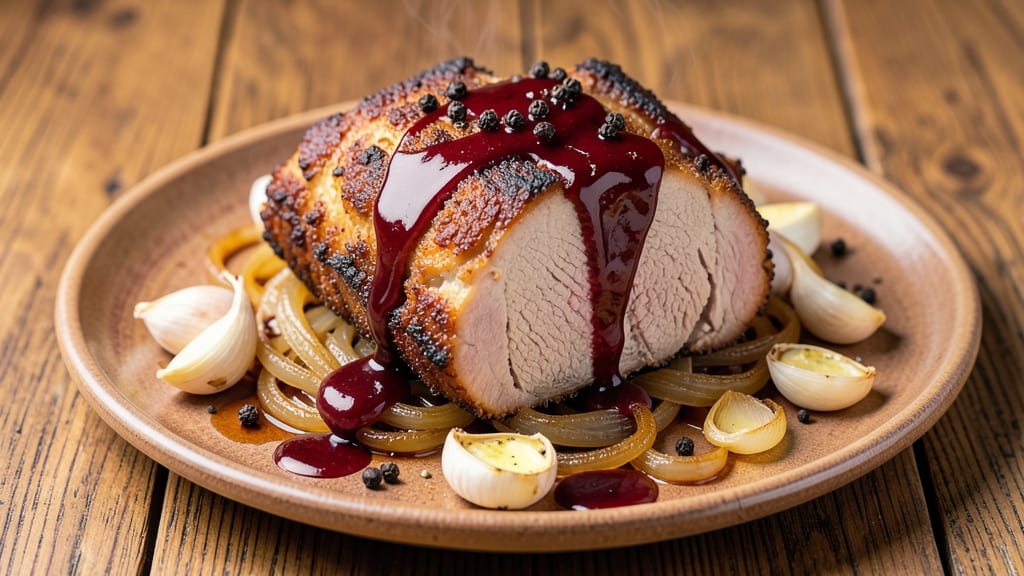
Mastering the perfect oven-cooked pork shoulder recipe transforms tough cuts into melt-in-your-mouth, pull-apart tenderness that rivals any competition BBQ. Growing up in small-town Georgia, I learned that patience and precision are everything when roasting pork—this method delivers restaurant-quality results without requiring a smoker.
The key lies in low-and-slow cooking at a precise temperature, ensuring every fiber becomes succulent while developing deep, smoky flavors.
This recipe uses a simple yet effective approach: a basic salt-and-pepper crust for texture, combined with optional modern twists like apple-cider glaze or BBQ rub for extra depth. Cooking at 250°F for hours breaks down collagen into rich, juicy meat, while a final crisp at 375°F adds that coveted bark.
A meat thermometer ensures perfect doneness—no guesswork, just foolproof results every time.
By the time you pull that pork from the oven, you'll have a shoulder so tender it practically falls apart at the touch. The meat stays moist and flavorful even when reheated, making it ideal for pulled pork tacos, sandwiches, or serving alongside mashed potatoes and coleslaw.
This is the kind of dish that turns weeknight dinners into memorable meals.
The beauty of this method is its versatility—whether you're feeding a crowd or meal prepping for the week, the same techniques apply. Let's get started on creating pork shoulder so good, it'll become your new go-to recipe.
Ingredients for oven cooked pork shoulder
Six ingredients for the crust, plus optional glaze twists—this is your Georgia-style pork shoulder shortcut.
| Ingredient | Amount | Notes |
|---|---|---|
| Bone-In Pork Shoulder 🐖 | 6 lb | With some fat cap for flavor |
| Kosher Salt 🧂 | 2 tbsp | Diamond Crystal preferred |
| Freshly Ground Black Pepper 🌶️ | 1 tbsp | Coarse grind preferred |
| Yellow Onion 🧅 | 1 whole | Cut into large chunks |
| Garlic Cloves 🧄 | 6 cloves | Smashed, not minced |
| Apple Cider Vinegar 🍎 | ¼ cup | For glaze option |
| Brown Sugar 🍚 | ½ cup | Packed, for glaze |
| Smoked Paprika 🌶️ | 1 tbsp | For BBQ rub option |
| Unsalted Butter 🧈 | ½ cup | Cold, cubed for basting |
| Fresh Thyme Leaves 🌿 | ¼ cup | From 4 sprigs |
| Fresh Rosemary 🌿 | ¼ cup | Chopped, from 2 sprigs |
| Extra-Virgin Olive Oil 🫒 | 2 tbsp | For basting |
| Apple Cider 🍎 | ½ cup | For glaze option |
| Honey 🍯 | 2 tbsp | For glaze option |
The pork shoulder is where it all begins. Look for a cut with good marbling—that fat renders down into flavor. Most grocery stores carry it pre-cut, but if you're buying a whole shoulder, ask the butcher to trim it to about 6 pounds. I usually grab mine from Costco or H-E-B—their prices are unbeatable, and the quality holds up. The fat cap stays on; it's what gives you that crispy bark later. Pat it dry before seasoning—wet skin won't crisp properly. For the salt, Diamond Crystal is my go-to; it's coarser and dissolves better into the meat.
No fresh thyme or rosemary? Dried works at half the amount, but fresh has that bright, piney aroma that makes this dish sing. Running low on apple cider vinegar? Balsamic vinegar in a pinch—it's sweeter but still adds depth. The brown sugar in the glaze can be swapped for white sugar if that's what you've got, but the molasses notes in brown sugar caramelize better. For the BBQ rub, if you're short on smoked paprika, regular paprika plus a pinch of liquid smoke gets you close. The butter for basting? Full-fat is non-negotiable here—it's what keeps the meat moist during that long cook.
This pork is a meal-prep dream. Once fully cooked, it stays juicy for 5 days in the fridge if stored properly—wrap tightly in foil, then plastic wrap. For longer storage, portion into freezer bags with a bit of its juices and freeze for up to 6 months. The glaze keeps well too; store it in a jar in the fridge for 1 week. I like to make extra glaze—it's perfect for drizzling over grilled chicken or even ice cream (yes, really). The meat gets even better the next day, so plan ahead if you're feeding a crowd.
Why You'll Love This Recipe
- One-Pan Wonder: I swear by this recipe because it’s literally just salt, pepper, onion, garlic, and pork—no fancy prep. Slice the onion, smash the garlic, rub the meat, and toss it in the oven. That’s it. No chopping boards full of mess.
- Crispy-Creamy Magic: The bone-in cut delivers that perfect contrast—tender, juicy center with edges so crispy they’ll make you groan. Honestly, the garlic and onion caramelize into this sweet, sticky glaze that’s ridiculously addictive.
- Leftovers That Save Me: This recipe makes way more than I need, and that’s a good thing. Shred it for tacos, sandwiches, or even breakfast hash the next day. My freezer’s always stocked with portions because it reheats like a dream.
- Budget-Friendly Hero: Pork shoulder is cheap, and this method turns it into something special without breaking the bank. Between us, I’ve fed six people for under $15 using this recipe—plus, the leftovers stretch further than any takeout.
Step-by-step instructions for slow-roasted pork shoulder
Here's how to transform a tough cut into melt-in-your-mouth perfection with minimal effort.
Prep the Pork for Maximum Flavor and Juiciness
Remove the pork shoulder from the fridge and let it sit at room temperature for 30 minutes—this ensures even cooking. Pat it dry thoroughly with paper towels, especially focusing on the fat cap. Moisture is the enemy of crispy bark, so don't skip this step. Trim any large fat chunks down to about ¼-inch thickness to help the rub adhere better.
In a small bowl, mix together the 2 tablespoons kosher salt, 1 tablespoon freshly ground black pepper, 1 tablespoon smoked paprika, ¼ cup fresh thyme leaves, and ¼ cup chopped fresh rosemary. Rub this mixture all over the pork shoulder, pressing firmly so the spices penetrate the meat. Let it sit uncovered on a wire rack set over a baking sheet for 30 minutes at room temperature before roasting—this helps the seasoning stick and the meat cook more evenly.
Roast Low and Slow for Tender Results
Preheat your oven to 275°F—this low temperature is key for breaking down collagen and rendering fat without drying out the meat. Place the seasoned pork shoulder fat-side up on a wire rack inside a roasting pan. The rack allows air to circulate underneath, preventing soggy skin. Roast uncovered for 4 hours, then reduce the heat to 250°F and continue cooking for another 4-6 hours until the internal temperature reaches 195-203°F and the meat is fork-tender.
Here's the thing—don't rush this. The pork needs time to become fall-apart tender. Every 30 minutes, use tongs to flip the shoulder and spoon any accumulated juices over the top. This basting keeps the meat moist and builds flavor. If the fat cap starts to render too much, you can tent it loosely with foil, but try to avoid it—those crispy edges are worth the effort.
Make the Glaze for Extra Flavor
While the pork roasts, prepare the glaze by combining the ½ cup apple cider, 2 tablespoons honey, ¼ cup apple cider vinegar, ½ cup packed brown sugar, and 6 smashed garlic cloves in a small saucepan. Bring to a simmer over medium heat and reduce until the mixture thickens slightly and coats the back of a spoon—about 10-12 minutes. Let it cool for 5 minutes so it doesn't burn the pork when applied.
This glaze adds a perfect balance of sweetness and tang, cutting through the richness of the pork. The apple cider vinegar tenderizes the meat further, while the honey caramelizes beautifully during the final broil. Keep the glaze warm until you're ready to use it.
Finish with a Crispy Bark and Glaze
Once the pork reaches 203°F internally, remove it from the oven and increase the heat to 425°F. Brush the pork shoulder generously with the glaze, making sure to cover all sides and the fat cap. Return it to the oven and broil for 10-15 minutes until the glaze caramelizes and the skin becomes deep golden brown. Watch it closely—you want it crispy, not burnt.
Let the pork rest for 30 minutes before slicing. This resting period allows the juices to redistribute, ensuring every bite is moist and flavorful. The bark should crackle when you press it, and the meat should pull apart effortlessly with two forks. Serve with the extra glaze drizzled over the top and any pan juices reduced into a sauce for dipping.
Pro Tips For Making Oven Cooked Pork Shoulder
- Pat Dry First: Skip the pat dry step and you’re fighting moisture loss from the start. Use paper towels to wipe down the pork shoulder—yes, even if it looks wet—so the salt and spices stick properly and the crust forms right away.
- Start Hot, Finish Low: After searing the pork shoulder in a hot oven (450°F for 20 minutes), drop the temp to 275°F. This two-stage approach gives you a crispy exterior while keeping the meat tender—no guessing games with internal temps.
- Don’t Crowd the Pan: If your onions and garlic are sizzling in the same pan as the pork shoulder, they’ll steam instead of caramelize. Cook them separately in a cold skillet first—this adds depth without burning them.
- Rest Before Slicing: Cutting into pork shoulder too soon turns it into a mushy pile. Let it rest under foil for at least 15 minutes—this lets the juices redistribute, so every bite stays juicy, not soupy. (Yes, even if you’re starving.)
Best sauces and condiments for this oven cooked pork shoulder
Classic BBQ Sauce
My go-to for this pork shoulder is a homemade tangy-sweet BBQ sauce that cuts through the richness beautifully.
Start with 1 cup ketchup, ½ cup apple cider vinegar, ¼ cup molasses, 2 tablespoons brown sugar, 1 tablespoon smoked paprika, 1 teaspoon garlic powder, and ½ teaspoon cayenne.
Simmer for 20 minutes until thickened, then brush it on during the last 30 minutes of cooking. I like to make a double batch—extra sauce is perfect for drizzling over pulled pork sandwiches or mac and cheese. 🌶️
Apple Cider Glaze
The glaze I mentioned earlier is a game-changer, but here’s the pro tip: reduce it longer than you think.
After combining ½ cup apple cider, 2 tablespoons honey, ¼ cup apple cider vinegar, and ½ cup brown sugar, simmer until it reaches 230°F on a candy thermometer—this ensures a deep caramel finish.
Brush it on in the last 15 minutes of cooking at 425°F for that glossy, crackling crust. Trust me, the extra effort turns this pork into a showstopper. 🍎
Honey-Mustard Drizzle
For a bright, tangy contrast, mix ¼ cup Dijon mustard, 2 tablespoons whole-grain mustard, 3 tablespoons honey, and 1 tablespoon apple cider vinegar. Whisk until smooth and drizzle over slices just before serving.
The mustard’s sharpness balances the pork’s richness, while the honey adds a touch of sweetness. This combo is especially great for pork shoulder tacos or sandwiches. 💛
Smoky Chipotle Cream
Creamy dips elevate this pork to another level. Blend 1 cup sour cream, 2 tablespoons mayonnaise, 1 tablespoon adobo sauce (from canned chipotles), 1 teaspoon smoked paprika, and ½ teaspoon garlic powder. Chill for 30 minutes before serving to let the flavors meld.
This dip is perfect for pulled pork sliders or as a side with roasted potatoes. The smoky depth complements the pork’s natural richness without overpowering it. 🔥
Classic Horseradish Sauce
A spicy kick is just what this pork needs sometimes. Mix ½ cup mayonnaise, 2 tablespoons prepared horseradish, 1 tablespoon apple cider vinegar, 1 teaspoon Dijon mustard, and ½ teaspoon black pepper. Adjust the horseradish to taste—this sauce is best when the heat is balanced.
Serve it on the side for guests who love a little bite. It’s a crowd-pleaser, especially with crusty bread or as a sandwich spread. 🌶️
Pan Juice Reduction
Never waste those flavor-packed pan juices! After removing the pork, place the roasting pan on the stovetop over medium-high heat. Add ¼ cup apple cider vinegar and 1 tablespoon butter, then scrape up all the browned bits. Simmer for 5 minutes until reduced by half.
Strain and drizzle over the pork or use as a quick sauce for mashed potatoes or cornbread. This is the secret to making every bite taste like it came from a pitmaster’s table. ✨
Nutrition facts
Frequently asked questions
Why does the pork shoulder need to rest after cooking?
Resting allows the meat's juices to redistribute evenly, preventing them from running out when you slice. For pork shoulder, a 30-minute rest at room temperature ensures every bite stays moist and flavorful. Skipping this step often results in dry, stringy meat—especially important for pulled pork applications.
Can I use boneless pork shoulder instead of bone-in?
Yes, but expect slightly faster cooking times and less flavor development. Bone-in cuts stay juicier longer because the bone acts as a natural insulator. If using boneless, reduce oven temperature by 10°F and monitor closely—it's more prone to drying out during the long cook.
What's the best way to reheat leftover pork shoulder?
For maximum tenderness, reheat in a 325°F oven for 15-20 minutes with a splash of broth or apple cider. Microwaving works in a pinch, but it can make the meat rubbery. Never reheat above 300°F—higher temps cause moisture loss and toughness.
How do I know when the pork is done without a meat thermometer?
Press the meat with tongs—if it's fork-tender and pulls apart easily, it's likely done. Look for a deep golden-brown crust and rendered fat pooling in the pan. For extra confidence, check if the internal temperature reaches 195-203°F in the thickest part (no bone).
Can I make this recipe in a Dutch oven instead of a roasting pan?
A Dutch oven works beautifully for even heat distribution. Place the pork on a wire rack inside the pot (to prevent steaming) and add 1 cup water or broth to the bottom. Cover loosely with the lid for the first 3 hours, then uncover to crisp the bark.