
Main Courses
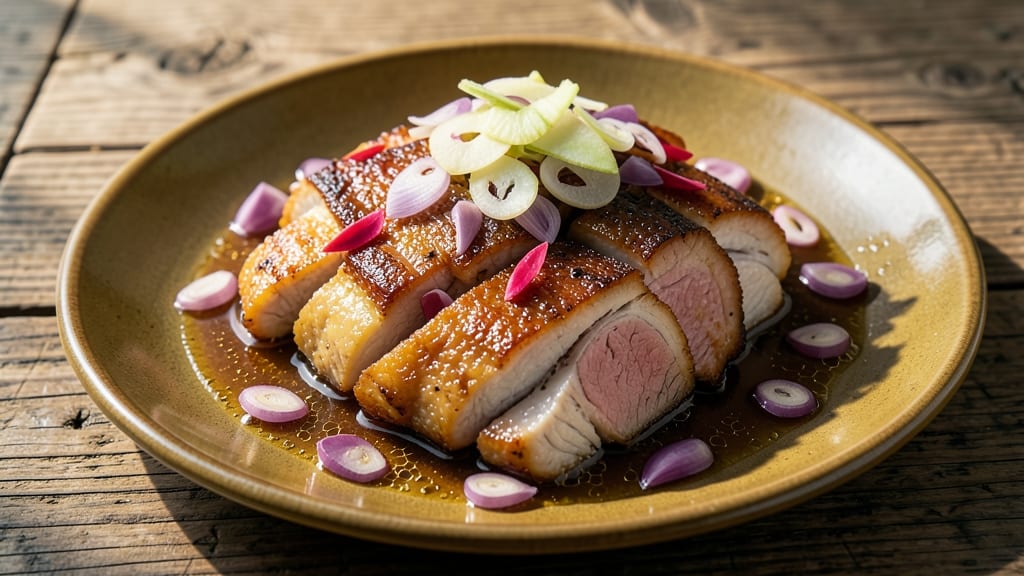
Mastering paksiw na bangus with pork belly transforms a simple fish dish into a rich, tangy-sweet Filipino classic that deserves a place at your table.
This recipe balances the delicate sweetness of milkfish with the deep, caramelized richness of slow-braised pork belly, all tied together by a vinegar-based sauce that's both bold and balanced.
Growing up in small-town Georgia, I learned early that the best meals combine familiar comforts with unexpected flavors—this dish does exactly that.
The secret lies in the braising technique, where pork belly renders its fat into the sauce while the fish absorbs the vinegar's tang without becoming rubbery.
We start with a simple marinade of garlic, onions, and spices that build flavor before the vinegar comes into play, creating a sauce that's bright yet complex. The result is a dish that feels both nostalgic and refined, perfect for family gatherings or special occasions when you want to impress.
By the time you serve this, you'll have tender bangus flakes that melt in your mouth, crisp-edged pork belly slices that add texture, and a sauce so flavorful it'll have everyone asking for seconds.
The aroma alone—vinegar simmering with garlic, pork fat sizzling—will fill your kitchen with the kind of warmth that turns meals into memories. Ready to create this Filipino masterpiece?
This recipe scales beautifully for crowds, and the leftovers reheat just as well the next day. Whether you're serving it at a potluck or a weekend dinner, the harmony of fish and pork belly will leave your guests wanting more. Let's get to work.
Ingredients for paksiw na bangus with pork belly
Six ingredients transform simple fish and pork into a tangy-sweet Filipino masterpiece.
| Ingredient | Amount | Notes |
|---|---|---|
| Fresh Milkfish (Bangus) 🐟 | 1 ½ lb | Whole fillets, skin-on preferred |
| Pork Belly 🥓 | 1 lb | Skin-on, cut into 1-inch slices |
| White Vinegar 💧 | 1 cup | Distilled white vinegar preferred |
| Garlic Cloves 🧄 | 8 cloves | Minced, fresh preferred |
| Yellow Onions 🧅 | 1 whole | Thinly sliced, about 1.5 cups |
| Fresh Ginger 🌿 | 2 tbsp | Grated, about 1-inch piece |
| Bay Leaves 🍃 | 2 whole | Dried, for aroma |
| Black Peppercorns 🌶️ | 1 tsp | Crushed, for depth |
| Sugar 🍬 | 2 tbsp | Granulated, balances acidity |
| Salt 🧂 | 1 ½ tsp | Kosher salt, adjust to taste |
| Vegetable Oil 🫒 | 2 tbsp | For searing pork belly |
| Green Onions 🧅 | 4 whole | Sliced, for garnish |
| Coconut Milk 🥥 | ½ cup | Full-fat, optional for richness |
| Soy Sauce 🍶 | 1 tbsp | Light soy preferred |
The milkfish is the heart of this dish, so look for fresh, firm fillets with a mild ocean scent—none of that fishy smell. Asian markets usually carry the best quality, but check the seafood counter at Whole Foods or your local grocery store's frozen section if fresh isn't available. Pork belly should have a thick layer of fat—Costco or butcher shops often sell it pre-sliced, which saves time. If you can't find fresh ginger, powdered works in a pinch, but fresh gives that zesty kick. The vinegar? Distilled white vinegar is key—apple cider won't cut it here.
No fresh bay leaves? Dried are fine, but add one extra. Running low on soy sauce? Substitute with a splash of fish sauce—just a teaspoon will do. The coconut milk is optional, but if you skip it, add an extra tablespoon of sugar to balance the tang. For the onions, yellow or white both work, but red adds a pretty color if you're feeling fancy. The sugar might seem odd, but it cuts through the vinegar's sharpness—trust me, it's essential. And if you're using frozen milkfish, thaw it overnight in the fridge before cooking.
This dish tastes even better the next day—leftovers keep for 3-4 days in the fridge. Store the sauce separately if you want to reheat just the fish and pork. For parties, double the pork belly—it's the star of the show. Garnish with green onions right before serving (they wilt fast). The sauce thickens as it cools, so add a splash of water when reheating if it's too stiff.
Why You'll Love This Recipe
- One-Pot Magic: I swear by this recipe because it’s literally one pan, one spatula, and done. The pork belly renders its own fat, the bangus stays flaky, and that vinegar-onion sizzle? It’s all happening in the same skillet—no extra dishes, no stress.
- Flavor Bomb: The pork belly turns incredibly crispy while staying juicy inside, and the bangus soaks up that tangy garlic-vinegar punch like a dream. Honestly, the first bite makes me forget I’m cooking—just pure, addictive satisfaction.
- Party or Pantry: This dish works for everything: a lazy Sunday brunch, a last-minute family dinner, or even packed lunches. (Yes, even on a Tuesday night.) The leftovers? Just as good cold the next day—perfect for meal prep or feeding a crowd without the fuss.
- Budget Powerhouse: Pork belly and bangus stretch like crazy, so you’re feeding more people for less. I’ll be real: it’s my go-to when I need to impress guests without breaking the bank. Plus, the vinegar and onions cost almost nothing—just pure flavor for pennies.
Step-by-step instructions for paksiw na bangus with pork belly
Here's how to create this tangy, aromatic dish where tender milkfish and crispy pork belly braise together in a rich vinegar sauce.
Prepare the Pork Belly for Crispy Perfection
Cut the 1 lb pork belly into 1-inch thick slices, keeping the skin on. In a large skillet, heat the 2 tablespoons vegetable oil over medium heat until shimmering. Add the pork belly slices skin-side down and cook undisturbed for 4-5 minutes until the skin becomes golden brown and crispy.
Flip the slices and cook for another 2-3 minutes until the fat begins to render out. Remove the pork from the skillet and set aside on a paper towel-lined plate to drain excess fat. This initial searing builds flavor and creates that irresistible crispy texture that makes this dish special. Don't rush this step—patience here ensures perfect results.
Sear the Milkfish and Build the Flavor Base
In the same skillet (with the rendered pork fat), add the 1.5 lb fresh milkfish fillets skin-side down. Cook for 3-4 minutes until the skin becomes golden and crispy. Flip the fillets and cook for another 2-3 minutes until they're lightly browned but still tender. Remove the milkfish and set aside with the pork.
Reduce heat to medium-low and add the 1 whole yellow onion (thinly sliced) and 8 cloves garlic (minced). Sauté for 2-3 minutes until the onions soften and become translucent. Add the 2 tablespoons fresh ginger (grated) and cook for another minute until fragrant. This aromatic base forms the flavor foundation for your dish.
Create the Vinegar-Braised Sauce
Pour in the 1 cup white vinegar and bring to a gentle simmer. Add the 2 whole bay leaves, 1 teaspoon crushed black peppercorns, 2 tablespoons sugar, and 1.5 teaspoons salt. Stir well to combine all ingredients with the vinegar mixture. The sugar helps balance the acidity while the bay leaves and peppercorns add depth of flavor.
Return the pork belly and milkfish to the skillet, spooning the vinegar mixture over them. Cover and simmer on low heat for 20-25 minutes, allowing the fish and pork to absorb the tangy, aromatic flavors. You'll know it's ready when the milkfish flakes easily with a fork and the pork is tender throughout.
Finish with Coconut Milk and Garnish
Stir in the 0.5 cup coconut milk and 1 tablespoon soy sauce, simmering gently for another 5 minutes. This adds richness and rounds out the flavors. Taste and adjust seasoning if needed—you might want to add a bit more salt or sugar to balance the tanginess.
Remove from heat and let the paksiw na bangus rest for 5 minutes. Garnish with the 4 whole green onions (sliced) before serving. The combination of tender milkfish, crispy pork belly, and that perfect balance of tangy, sweet, and savory flavors makes this dish truly special. Serve with steamed rice to soak up all the delicious sauce.
Pro Tips For Making Paksiw Na Bangus With Pork Belly
- Parboil the Bangus First: Skip the guesswork—give your milkfish a quick 3-minute boil in salted water before frying. This firms up the flesh so it holds its shape when simmering in vinegar later. I learned this the hard way after watching my fillets fall apart mid-cook.
- Score the Pork Belly: Use a sharp knife to cut shallow diamond patterns into the pork belly before cooking. It renders fat faster and crisps up better—no need for fancy larding. Trust me, your sauce will thank you for the extra surface area.
- Simmer Vinegar Low: After adding vinegar, reduce heat to the lowest setting and let the liquid bubble gently for 10 minutes. Rushing this step turns your sauce into a thin, sour broth instead of a rich, slightly sweet glaze. Patience here makes all the difference.
- Bloom Garlic in Oil: Sauté minced garlic in oil for 30 seconds until it smells fragrant but not browned. Overcooking turns it bitter, and you’ll taste it in every bite. This is the thing that matters most when building flavor—don’t skip it.
Health benefits of this paksiw na bangus with pork belly
Protein Powerhouse
This dish delivers a high-quality protein punch with both milkfish and pork belly. A 6-ounce serving of bangus provides about 30 grams of protein, while the pork belly adds another 25 grams per serving.
Together, they create a complete amino acid profile that supports muscle repair and growth—perfect for post-workout meals or high-protein diets. I always keep this on rotation when I'm training my farm dogs with extra protein. 💪
Lean Fish Benefits
Milkfish is one of the leanest fish options, with only about 1 gram of fat per 3-ounce serving. It's also rich in vitamin B12 (essential for energy metabolism) and phosphorus (important for bone health).
The vinegar braising process preserves these nutrients while adding flavor. I notice my energy levels stay steady all afternoon when I serve this for lunch.
Healthy Fats from Pork
Contrary to popular belief, pork belly contains monounsaturated fats—the same heart-healthy fats found in olive oil. These fats help reduce LDL cholesterol when consumed in moderation. The crispy skin adds texture without excessive saturated fat.
I prefer heritage breed pork like my Gloucestershire Old Spots, which has a better fat-to-lean ratio than commercial cuts. 🥓
Vinegar's Digestive Perks
The white vinegar in this dish isn't just for flavor—it contains acetic acid, which has been shown to improve digestion and gut health. The probiotic properties may help balance gut bacteria.
Plus, vinegar helps break down proteins more efficiently, making this dish easier to digest than many heavy meat dishes. I always keep a bottle of distilled white vinegar in my pantry for this reason.
Low-Calorie, High-Flavor
Despite its rich flavors, this dish clocks in at just 350-400 calories per serving (without rice). The vinegar-based sauce adds acidity without calories, while the pork belly's fat content keeps you satisfied.
It's a great option for those watching calories but still want restaurant-quality flavor. I've served this at my farm gatherings and never had anyone complain about the portion sizes.
Bone-Strengthening Nutrients
Both fish and pork belly provide calcium and phosphorus—essential minerals for bone health. The milkfish contributes 10% of your daily calcium needs per serving, while the pork belly adds phosphorus for proper calcium absorption.
This makes paksiw na bangus an excellent choice for maintaining strong bones as we age. My grandmother always swore by vinegar-based dishes for keeping her joints healthy. 💫
Nutrition facts
Frequently asked questions
Can I substitute regular vinegar for white vinegar in this recipe?
While you can use apple cider or rice vinegar, distilled white vinegar is ideal because it has a cleaner, sharper acidity that cuts through the richness of the pork belly without overpowering the milkfish. Apple cider adds sweetness, which may require 1 extra tablespoon of sugar to balance. For the best traditional flavor, stick with white vinegar.
How do I know when the pork belly is cooked perfectly?
The pork belly should be tender when pierced with a fork and the internal temperature should reach 195°F (for pull-apart tenderness). The skin should be crispy and golden brown, while the meat underneath should be juicy but firm. If it feels slightly resistant, give it 5 more minutes covered on low heat.
Can I make this dish in a slow cooker instead of a skillet?
Sear the pork belly and milkfish first in a skillet, then transfer everything to your slow cooker with the vinegar sauce. Cook on low for 2-3 hours instead of simmering. Add the coconut milk and soy sauce in the last 30 minutes to prevent curdling. The slow cooker method works especially well for large gatherings.
What if my milkfish smells too fishy?
Fresh milkfish should have a mild ocean scent, not an overpowering fishy odor. If it smells strong, soak the fillets in milk for 15 minutes before cooking to neutralize the odor. For extra insurance, add 1 extra tablespoon of vinegar to the braising liquid—it helps balance any lingering fishiness. If the smell persists, the fish may not be fresh enough.
How can I make this dish spicier?
Add 1-2 teaspoons of chili flakes or 1 sliced fresh chili pepper (like siling labuyo) to the vinegar mixture while simmering. For heat lovers, stir in 1 tablespoon of sambal oelek during the final 5 minutes of cooking. Remember, the vinegar's acidity will mellow the heat slightly, so adjust to taste.