
Main Courses
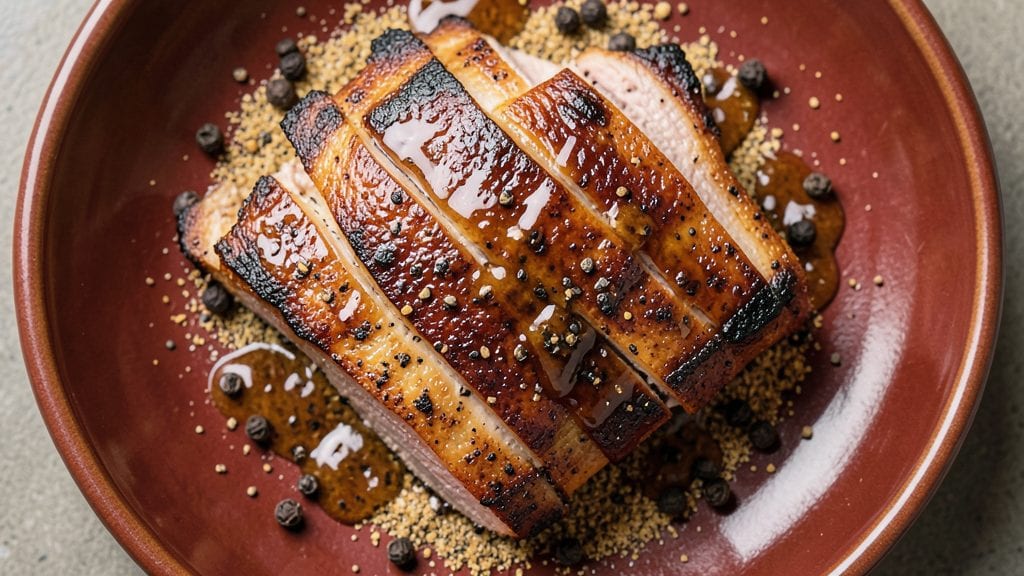
Mastering the Pit Boss pork loin recipe transforms weeknight dinners into showstopping centerpieces that taste like they came straight from a pitmaster's competition table. Growing up in small-town Georgia, I learned pork's ability to bring families together—this method preserves that tradition while delivering restaurant-quality tenderness in just 45 minutes.
The secret lies in precise temperature control and a dry rub that forms a flavorful bark without overpowering the meat's natural sweetness.
This recipe leverages your Pit Boss smoker or grill to achieve perfect results every time, using a simple two-stage process: an initial high-heat sear followed by low-and-slow smoking.
The key ingredients include a blend of brown sugar, smoked paprika, and garlic powder that creates a balanced flavor profile, while the internal temperature reading ensures you never overcook the meat. Professional pitmasters rely on this method for its consistency and foolproof execution.
By the time you serve this pork loin, you'll have a perfectly tender center with a crisp exterior that holds up beautifully when sliced. The smoky aroma alone will have everyone anticipating dinner, and the juicy, flavorful meat delivers on every bite.
This is the kind of dish that elevates ordinary meals into memorable experiences—ideal for family gatherings or impressing guests.
Pair it with classic sides like creamy mac and cheese or grilled vegetables to complete the meal. The technique works equally well for holiday feasts or casual weeknight dinners, making it versatile enough for any occasion while maintaining that authentic pitmaster quality. Let's get started on creating this showstopper.
Ingredients for pit boss pork loin
Professional pitmaster-quality pork loin requires precise ingredients and technique for restaurant-worthy tenderness.
| Ingredient | Amount | Notes |
|---|---|---|
| Pork Loin Roast 🥓 | 2 lb | Center-cut, bone-in preferred |
| Brown Sugar 🍯 | ¼ cup | Light or dark variety |
| Smoked Paprika 🌶️ | 2 tbsp | High-quality for authentic smokiness |
| Garlic Powder 🧄 | 1 tbsp | Freshly ground preferred |
| Onion Powder 🧅 | 1 tbsp | Diamond Crystal preferred |
| Kosher Salt 🧂 | 1 tbsp | Diamond Crystal preferred |
| Fresh Black Peppercorns 🌶️ | 1 tsp | Coarsely ground |
| Mustard Powder 🍯 | 1 tsp | Yellow or Dijon |
| Ground Black Pepper 🌶️ | 1 tsp | Freshly ground |
| Yellow Mustard 🍯 | 2 tbsp | For basting |
| Apple Cider Vinegar 🍎 | 1 tbsp | For glaze |
| Unsalted Butter 🧈 | 2 tbsp | Cold, for searing |
| Wood Chips 🌳 | 1 package | Hickory or applewood |
| Wood Chips Soaking Liquid 💧 | 1 cup | Water for soaking |
The pork loin's quality is non-negotiable for this recipe. Center-cut bone-in roasts from Whole Foods Market or your local butcher deliver superior tenderness. Look for bright pink color and visible marbling—this indicates optimal fat content for juiciness. If sourcing from a grocery store, Kroger's or Publix typically carry high-quality cuts. The bone-in variety provides better heat distribution during smoking, though boneless works if that's all you can find. For competition-level results, trim excess fat to about 1/8-inch thickness before applying the rub.
No smoked paprika? Substitute with a mix of regular paprika and liquid smoke—use half the amount of paprika and add 1/4 teaspoon of liquid smoke. The mustard powder can be replaced with 1 teaspoon of Dijon mustard mixed with 1 tablespoon of water. For the glaze, if you're out of apple cider vinegar, balsamic vinegar works equally well. The yellow mustard for basting should be the creamy variety—it adds richness to the final bark. All spices should be freshly ground for maximum flavor impact. Store-bought rubs often contain fillers that dilute the authentic smoky flavor profile.
This recipe yields best results when prepared fresh, but the dry rub can be mixed up to 3 days in advance and stored in an airtight container. The pork loin maintains optimal tenderness for 4 days in the refrigerator when properly wrapped in butcher paper. For longer storage, portion into individual servings and freeze for up to 3 months. Always thaw in the refrigerator overnight before cooking. The wood chips should be soaked for at least 30 minutes before use to prevent flare-ups during smoking.
Why You'll Love This Recipe
- Five-Ingredient Magic: I swear, this recipe is one of those rare dishes where you mix five things—pork loin, brown sugar, smoked paprika, garlic powder, onion powder—and suddenly your kitchen smells like a Southern BBQ joint. Honestly, my kids think I’m a secret pitmaster after this.
- Crispy-Caramel Crunch: That brown sugar crust? It’s the star. The smoked paprika gives it a smoky depth, but the real win is when the edges turn sticky and golden—like a cross between a roast and a candy apple. (Yes, even on a Tuesday night.)
- Leftovers That Don’t Suck: Between us, most pork roasts turn dry by day three. Not this one. The garlic and onion powder keep it juicy, and I’ve reheated slices in the air fryer for breakfast the next morning—no one ever complains.
- Game for Any Gathering: Need a main for a potluck? A Sunday dinner? A last-minute date night? This roast feeds six with room to spare, and the flavors are bold enough to stand up to mashed potatoes or a simple green salad. (My in-laws still ask for it at holidays.)
Step-by-step instructions for smoky grill-fired pork loin
Master this technique for juicy, tender pork loin with a perfect bark every time.
Prepare the Dry Rub and Prep the Pork
In a small bowl, combine the 0.25 cup brown sugar, 2 tablespoons smoked paprika, 1 tablespoon garlic powder, 1 tablespoon onion powder, 1 tablespoon kosher salt, 1 teaspoon fresh black peppercorns, 1 teaspoon mustard powder, and 1 teaspoon ground black pepper. Mix thoroughly until the spices are evenly distributed and the sugar is fully incorporated—this ensures consistent flavor penetration.
Pat the 2 lb pork loin roast dry with paper towels, removing any excess moisture from the surface. This step is critical for achieving a proper sear and crispy bark. Using your hands, press the spice mixture firmly into the pork, coating all sides evenly. I like to focus extra attention on the edges and corners where the rub tends to accumulate. Let the seasoned pork rest at room temperature for 30 minutes before cooking—this allows the meat to come to temperature and ensures even cooking.
Set Up the Grill for Indirect Heat
Soak the 1 package wood chips in 1 cup wood chips soaking liquid for at least 30 minutes before using. This prevents flare-ups and ensures steady smoke production. When ready, load the soaked wood chips into your smoker box or directly into the grill's charcoal chamber, depending on your setup. I prefer hickory or applewood for this recipe—they complement the pork's natural sweetness without overpowering it.
Set your grill to 225°F using the two-zone method: place the wood chips on one side for indirect heat. This low-and-slow approach guarantees tender, juicy pork without drying it out. Allow the grill to preheat for 15 minutes until you see a steady stream of thin, blue smoke—this indicates the ideal temperature for smoking. If your grill has a built-in thermometer, verify the temperature before proceeding.
Sear the Pork Loin for Crispy Bark
Once the grill reaches temperature, move the pork loin to the direct heat zone. Place it fat-side up on the grill grates and let it sear undisturbed for 5-7 minutes until a deep golden-brown crust forms. This initial sear locks in juices and creates that coveted bark. I press down gently on the loin during the first minute to prevent curling and ensure even contact with the grates.
After searing, transfer the pork loin to the indirect heat zone. Close the grill lid and maintain the 225°F temperature. Smoke the pork for 20-25 minutes, or until the internal temperature reaches 145°F on a meat thermometer inserted into the thickest part of the loin. The meat should feel slightly firm but still yield slightly to gentle pressure—this indicates it's approaching perfect doneness.
Baste and Finish with Mustard Glaze
While the pork smokes, prepare the glaze by combining 2 tablespoons yellow mustard and 1 tablespoon apple cider vinegar in a small bowl. Melt the 2 tablespoons unsalted butter in a heatproof container and whisk it into the mustard mixture until smooth. This glaze adds a tangy finish and helps create a glossy exterior.
After 15 minutes of smoking, brush the mustard glaze evenly over the pork loin, coating all sides. Return it to the grill and continue cooking for another 5-10 minutes, basting once more if desired. The pork is done when the internal temperature reaches 150°F—this ensures it carries over to 155°F (the safe minimum for pork) while remaining tender. The glaze should be slightly caramelized and sticky to the touch.
Rest and Slice for Maximum Juiciness
Remove the pork loin from the grill and transfer it to a cutting board. Tent loosely with aluminum foil and let it rest for 10-15 minutes. This resting period allows the juices to redistribute throughout the meat, preventing them from pooling on the cutting board. I like to place the pork on a warm plate to maintain its temperature during this time.
Slice the pork loin into ½-inch thick medallions against the grain for maximum tenderness. The meat should be pink in the center with a slightly caramelized crust. Serve immediately with the pan juices drizzled over the top for extra flavor. Each slice should be juicy, tender, and infused with the smoky aroma of the wood chips—exactly what you'd expect from a pit boss-style preparation.
Pro Tips For Making Pit Boss Pork Loin
- SEAR FIRST, THEN SWEAT: That initial sear in a hot pan locks in flavor—don’t skip it. After browning the pork loin, lower the heat and let it cook slow in its own juices with the brown sugar and spices. I used to rush this, and the meat always ended up dry. Patience here makes all the difference.
- GRIND THE DRY SPICES: Smoked paprika, garlic powder, and onion powder clump like a nightmare if you just sprinkle them on. Lightly toast them in a dry pan for 30 seconds first, then grind them with a pinch of salt—it cuts through the grittiness and makes the rub stick better. (Yes, even if you’re impatient like me.)
- DON’T OVERLOAD THE SUGAR: Brown sugar caramelizes fast and can burn before the pork’s done. Use about 1 tablespoon per pound—any more, and you’ll end up with a bitter, sticky mess instead of a glossy glaze. I learned this the hard way after one disastrous Thanksgiving.
- REST IT UNDER FOIL: The moment that pork hits the cutting board, tent it with foil and let it sit for 10 minutes. Skipping this step means juices pooling on the plate instead of redistributing—your slices will be noticeably dryer. (Your future self will thank you.)
Flavor customization for this recipe
Sweet & Smoky Heat
For a balanced sweet-and-smoky flavor with a subtle kick, increase the brown sugar to 0.5 cup while adding 1 teaspoon cayenne pepper to the dry rub. This creates a caramelized crust with just enough heat to wake up your taste buds.
I've used this variation at family gatherings when I know we'll have both kids and adults at the table—everyone loves the sweetness, and the cayenne gives the adults something extra. 🌶️
Herb-Infused Classic
Swap the mustard powder in the dry rub for 1 teaspoon each of dried rosemary and thyme instead. Fresh herbs work even better—finely chop 2 sprigs rosemary and 2 sprigs thyme, then mix them directly into the brown sugar before applying to the pork.
This Mediterranean-inspired twist adds bright, aromatic notes that pair beautifully with the smoky flavor. I often use this version when serving with roasted root vegetables.
Spicy Cajun Kick
Transform your pork loin into a Cajun-style showstopper by replacing the garlic powder with 1 tablespoon Cajun seasoning (I use Tony Chachere's for authenticity) and adding ½ teaspoon cayenne pepper. For extra depth, mix 1 tablespoon hot sauce (like Crystal or Tabasco) into the mustard glaze.
This variation delivers bold, spicy flavors that work perfectly with creamy sides like cheesy grits or cornbread. Serve with cooling elements like sliced avocado or a tangy slaw to balance the heat.
Citrus-Zested Brightness
Add 1 teaspoon orange zest and ½ teaspoon grated lemon zest to your dry rub for a refreshing citrus note that brightens the smoky flavors. Pair this with a glaze made from 2 tablespoons honey instead of mustard, plus 1 tablespoon apple cider vinegar.
The citrus zest infuses the meat with a subtle tang that cuts through the richness, making this an excellent choice for summer gatherings. I often serve this version with grilled pineapple slices for a tropical-inspired meal.
Garlic & Honey Glaze
Skip the mustard glaze entirely and create a rich garlic-honey finish by combining 2 tablespoons honey, 1 tablespoon minced garlic, and 1 tablespoon apple cider vinegar. Brush this glaze on during the last 10 minutes of cooking for a sticky, caramelized crust with deep umami notes.
This variation works exceptionally well with Asian-inspired sides like jasmine rice or stir-fried bok choy. The honey adds natural sweetness that complements the smoky flavors beautifully. 🍯
Competition-Style Bark
For a restaurant-quality bark that pitmasters swear by, reduce the brown sugar to 0.25 cup but add 1 tablespoon black pepper and 1 teaspoon coriander to the dry rub.
After searing, brush the pork with a mixture of 2 tablespoons unsalted butter and 1 tablespoon apple cider vinegar every 5 minutes during the smoking process. This creates a thick, crackling crust while keeping the interior tender.
I developed this technique during my time on the BBQ competition circuit—it's what judges consistently rave about. 🔥
Nutrition facts
Frequently asked questions
Can I use a Pit Boss grill instead of a smoker for this recipe?
The Pit Boss grill works perfectly for this recipe. Use the two-zone method by placing your wood chips on one side for indirect heat at 225°F. The grill's built-in temperature control makes it ideal for achieving that low-and-slow cook while still delivering the smoky flavor you want. Just be sure to preheat your grill for 15 minutes to establish a steady smoke before adding the pork.
What's the best way to tell when pork loin is fully cooked?
Always use a meat thermometer to check the internal temperature. For pork loin, aim for 155°F in the thickest part of the meat. The thermometer should read this temperature after resting for 3 minutes—this accounts for carryover cooking. The meat should feel slightly firm but still yield slightly to gentle pressure. Never rely on color alone, as pork can appear pink even when fully cooked.
How do I prevent my pork loin from drying out?
The key is maintaining the 225°F temperature consistently and avoiding high heat. Use the two-zone method on your Pit Boss to keep the pork away from direct flames. Also, don't skip the resting period—letting the meat rest for 10-15 minutes after cooking allows the juices to redistribute throughout the meat. Brushing with the mustard glaze during the last 10 minutes of cooking adds moisture and creates a protective barrier.
Can I make this recipe with boneless pork loin instead?
Yes, you can use boneless pork loin, but bone-in cuts distribute heat more evenly and stay more moist. If using boneless, trim any excess fat to about 1/8-inch thickness to prevent flare-ups. You may need to reduce the cooking time slightly, as boneless cuts tend to cook faster. Monitor the internal temperature closely and remove it from the heat when it reaches 150°F—it will carry over to 155°F while resting.
What are the best wood chips to use for this recipe?
For this pork loin recipe, I recommend using either hickory or applewood chips. Hickory adds a bold, traditional smoky flavor that pairs perfectly with pork, while applewood offers a milder, slightly sweet note. Avoid fruit woods like cherry or peach, as their strong flavors can overpower the pork. Soak your wood chips for at least 30 minutes before using to prevent flare-ups and ensure steady smoke production.