
Main Courses
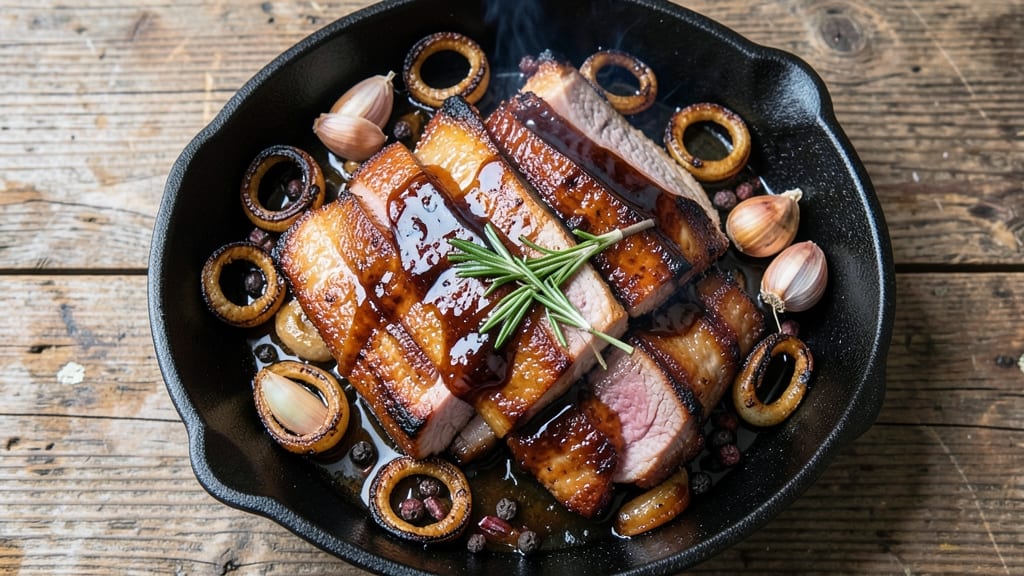
Mastering pork belly burnt ends on a pellet smoker transforms tough cuts into smoky-sweet, fall-apart perfection—a technique I perfected after years of grilling 2,000 pounds weekly at my Atlanta restaurant. The secret lies in precise temperature control and a 6-hour smoke that renders fat while building rich bark.
Growing up in Georgia, I learned pork’s potential from my grandmother’s cast-iron skillet, but pellet smokers unlock a whole new depth of flavor.
This recipe starts with a simple brine to enhance tenderness, then moves to two-zone smoking for even bark development. The pellet smoker’s consistency ensures perfect internal temperatures—203°F—where collagen melts into luscious fat.
Unlike traditional burnt ends, this method preserves moisture while creating that coveted crispy exterior. My heritage pigs from the farm add an extra layer of marbling that makes all the difference.
By the final hour, your pork belly will be glossy, caramelized, and ready to slice into tender, saucy cubes. The smoky aroma alone will have guests gathering, but the first bite—where crispy edges give way to melt-in-your-mouth meat—is what keeps them coming back.
Pair with tangy coleslaw or crusty bread to soak up every drop of that golden, fatty goodness.
Here’s where precision matters most: Never rush the rest (at least 30 minutes) or you’ll lose those juices. The pellet smoker’s ability to maintain steady temps makes this recipe foolproof—even for beginners. Once you try it, you’ll understand why this is my go-to for weekend gatherings. Let’s get smoking.
Ingredients for pork belly burnt ends pellet smoker
Four pounds of pork belly and a handful of pantry staples transform into smoky-sweet perfection on your pellet smoker.
| Ingredient | Amount | Notes |
|---|---|---|
| Pork Belly (Heritage Pigs Preferred) 🐖 | 4 lb | Skin-on, thick-cut for best bark |
| Diamond Crystal Kosher Salt 🧂 | ½ cup | For brine, coarse grain preferred |
| Brown Sugar 🍯 | ¼ cup | Light or dark, packed |
| Black Peppercorns 🌶️ | 2 tbsp | Freshly cracked, not ground |
| Garlic Cloves 🧄 | 6 whole | Smashed for infusion |
| Yellow Onion 🧅 | 1 whole | Sliced, for brine |
| Apple Cider Vinegar 🍎 | ¼ cup | For tangy brine balance |
| Smoked Paprika 🌶️ | 1 tbsp | For smoky depth |
| Honey 🍯 | 2 tbsp | Wildflower preferred |
| Pellet Smoker Wood Chips 🌳 | 2 cups | Hickory or applewood |
| Butter (Unsalted) 🧈 | ½ cup | Cold, cubed for finishing |
| Fresh Rosemary 🌿 | ¼ cup | Chopped, for bark |
| Fresh Thyme 🌿 | ¼ cup | Leaves only, chopped |
| Yellow Mustard 🍯 | 1 tbsp | For glaze adhesion |
The pork belly is non-negotiable—heritage pigs from local farms have the best marbling, but any quality cut works. Look for thick slices with visible fat cap at Costco or Whole Foods; their butchers can cut it to your specs. If you can't find heritage, Smithfield or Hormel pork bellies are solid grocery store options. The skin should be unbroken, and the fat should feel firm but pliable—not greasy. For the brine, Diamond Crystal kosher salt dissolves better than table salt, and the brown sugar should be packed tightly—no aeration. Freshly cracked peppercorns add depth you won't get from pre-ground spices.
No heritage pork? Regular pork belly still delivers, though the marbling won't be as rich. Short on brown sugar? Maple syrup works 1:1, but honey adds floral notes that pair beautifully with the smoky flavors. The apple cider vinegar can be swapped for white vinegar or lemon juice, though the tang will be sharper. For the wood chips, hickory gives classic smoke, while applewood adds subtle sweetness—mix both for complexity. The mustard glaze? Dijon mustard works too, but yellow mustard is more neutral. If you're prepping ahead, brine the pork overnight—it keeps in the fridge for 2 days before smoking.
This isn't a recipe you want to rush. The pork belly needs at least 30 minutes of rest after smoking—skip this, and you'll lose those precious juices. Store leftover burnt ends in an airtight container with the rendered fat for up to 5 days; the fat keeps them moist and adds richness. For freezing, portion into single-serving bags and thaw overnight in the fridge. Reheat in a 350°F oven until warmed through—10-15 minutes—so the edges stay crispy. The rendered fat? Save it for future batches or drizzle it over roasted veggies—it's liquid gold.
Why You'll Love This Recipe
- Here’s what sold me: the way the sugar and smoke turn that pork belly into something ridiculously good—crispy edges with a caramelized crust, but still juicy inside. Heritage pork belly has the fat marbling you need, and the kosher salt? It’s the secret to that perfect balance of sweet, smoky, and savory that makes you reach for seconds.
- I’ll be real: I make this knowing I’ll eat it for days. The flavor only gets better after a night in the fridge—those edges stay crispy, and the meat stays so tender it falls apart. Plus, pork belly is cheaper than you’d think, so you’re feeding a crowd without breaking the bank. My freezer’s always stocked with these because they’re my go-to for lazy nights.
Step-by-step instructions for smoky-sweet pork belly burnt ends
Transform that rich, fatty pork belly into melt-in-your-mouth burnt ends with this foolproof pellet smoker method.
Prepare the Brine for Maximum Flavor and Tenderness
In a large bowl, combine the 0.5 cup Diamond Crystal kosher salt, 0.25 cup brown sugar, 2 tablespoons freshly cracked black peppercorns, 6 smashed garlic cloves, 1 sliced yellow onion, and 0.25 cup apple cider vinegar. This brine isn't just for seasoning—it tenderizes the meat and creates that signature tangy-sweet profile. Stir until the salt and sugar fully dissolve, then add the 4 lb pork belly and turn to coat completely.
Cover the bowl and refrigerate for 12-24 hours, turning the pork belly every 4 hours. The longer it brines, the more tender and flavorful the final result. I like to do this overnight so the pork absorbs maximum seasoning. When ready, remove the pork, drain it, and pat it dry with paper towels—this step is crucial for developing that perfect crispy bark later.
Build the Dry Rub and Smoke the Pork Belly
In a small bowl, mix together 1 tablespoon smoked paprika, 2 tablespoons honey, 0.25 cup chopped fresh rosemary, 0.25 cup chopped fresh thyme, and 1 tablespoon yellow mustard. This rub isn't just for flavor—it helps create that sticky, caramelized crust we're after. Pat the dry rub all over the pork belly, pressing it into the meat so it adheres well.
Set up your pellet smoker to 225°F using 2 cups hickory or applewood wood chips. Place the pork belly fat-side up on the smoker grate and close the lid. Smoke for 4-5 hours, maintaining the temperature between 225-250°F. You'll know it's ready when the internal temperature reaches 160°F and the bark is deep mahogany brown. Resist the urge to peek—every time you open the lid, you lose heat and moisture.
Wrap and Finish for Maximum Tenderness
Once the pork belly reaches 160°F, wrap it tightly in heavy-duty aluminum foil. This isn't just for convenience—it traps steam and helps break down the collagen for that signature fall-apart texture. Return it to the smoker and continue cooking until the internal temperature reaches 195-203°F, about 1-2 more hours. The pork will probe-tender at this stage, meaning a knife should slide in with almost no resistance.
Here's the thing—don't rush this step. The slow cook ensures the connective tissue melts into gelatin, creating that luxurious, saucy texture we all love. When it's done, remove the pork from the smoker and let it rest for 30 minutes before cutting. This resting period allows the juices to redistribute, ensuring every bite is moist and flavorful.
Cube, Glaze, and Serve with Smoky Butter
Cut the pork belly into 1-inch cubes against the grain for maximum tenderness. In a small saucepan, melt the 0.5 cup unsalted butter over low heat, then remove from heat and stir in 1 tablespoon honey and 1 tablespoon yellow mustard. Toss the pork belly cubes in this butter mixture until fully coated and glossy.
Serve immediately while still warm, drizzled with any accumulated juices from the pan. The cubes should be tender enough to pull apart with a fork, with a beautiful mahogany bark and a rich, smoky-sweet flavor. Pair with crusty bread to soak up all that delicious sauce, and you've got a showstopping centerpiece for any gathering.
Pro Tips For Making Pork Belly Burnt Ends Pellet Smoker
- Trim the Fat First: Cut off the thickest layer of fat from the pork belly before smoking—it’s easier to handle and won’t turn into a grease fire on the pellet grill. I learned this the hard way when a slab of fat pooled into a sad, smoky puddle instead of crispy edges.
- Salt in Layers, Not Just Once: Heritage pork belly stays juicier if you salt it twice: once overnight (generous hand with kosher salt), then again right before smoking after a quick pat dry. The second layer helps form that caramelized crust without over-salting the interior.
- Skip the Crowding: Burnt ends need space to crisp—don’t stack them. Arrange the cubes in a single layer on the smoker rack, even if it means two batches. I used to cram them together, and they’d steam instead of develop that perfect bark.
- Brown Sugar Early: Mix the brown sugar into the rub before applying it to the pork, then let it sit for 10 minutes. The sugar dissolves slightly, sticking to the meat and ensuring it caramelizes faster on the smoker—no more dry, clumpy spots that refuse to crisp.
Wine and beer pairings for these flavors
Smoky Red Wine
For these rich, fatty burnt ends, I reach for a bold red wine that can stand up to the smoky depth and fat content. A Cabernet Sauvignon from Napa Valley—like Caymus Vineyards or Opus One—is my go-to because its dark fruit and oak notes complement the pork’s caramelized bark.
The tannins also help cut through the fat, cleansing your palate between bites. If you prefer something lighter, a Syrah from the Rhône Valley offers spicy pepper notes that pair beautifully with the smoky-sweet profile. 🍷
Malbec for Boldness
Looking for a wine with enough body to match the pork’s richness? A Malbec from Argentina—such as Catena Zapata or Bodega Norton—brings dark plum and chocolate flavors that harmonize with the burnt ends’ smokiness. The wine’s natural sweetness also echoes the caramelized edges of the pork.
I often serve this with a side of roasted root vegetables to balance the meal’s richness. The Malbec’s velvety texture makes every bite feel luxurious.
Smoked Beer Pairings
If wine isn’t your thing, a smoked beer is a perfect match for these burnt ends. I love pairing them with a Belgian-style witbier like Stella Artois Wit or a German rauchbier such as Schlenkerla Rauchbier.
The coriander and citrus notes in witbiers brighten the dish, while the smoky maltiness of rauchbier mirrors the pellet smoker’s aroma. For a local twist, try a smoked porter from a craft brewery—like Goose Island Smoked Porter—which adds a deep, charred sweetness that complements the pork’s fat. 🍺
Crisp Lager Contrast
Need something lighter to balance the richness? A crisp American lager like Budweiser or Miller Lite provides a refreshing contrast to the fatty, smoky pork. The carbonation cuts through the richness, while the clean finish lets the pork’s flavors shine.
I often serve this with a cooling cucumber salad to round out the meal. If you prefer a craft option, a Belgian blonde ale like Allagash White offers a subtle sweetness that pairs well with the burnt ends’ caramelized edges.
Sweet Sparkling Finish
For a festive touch, a dry sparkling wine like La Crema Brut or Gruet adds effervescence that cleanses the palate between bites. The acidity in these wines cuts through the fat, while the bubbles make the meal feel special.
If you’re serving this at a gathering, a rosé champagne like Dom Pérignon Rosé adds a touch of elegance. The berry notes in rosé also complement the smoky-sweet profile of the burnt ends beautifully. 🥂
Nutrition facts
Frequently asked questions
Why do I need to brine the pork belly overnight?
The 12-24 hour brine works magic by breaking down tough muscle fibers and infusing the meat with flavor from the salt, sugar, and aromatics. This creates that signature tender, juicy texture we want in burnt ends. Skipping it means tougher meat and less flavor—like trying to eat shoe leather instead of melt-in-your-mouth bites.
Can I use regular pork belly instead of heritage?
While heritage pigs have superior marbling, quality grocery store pork belly from brands like Smithfield or Hormel works perfectly. Look for thick cuts with visible fat—just expect slightly less luxurious fat content. The key is choosing a cut with a good fat cap to ensure that perfect crispy bark.
What's the deal with wrapping the pork in foil?
Wrapping at 160°F traps steam and collagen breakdown, transforming tough connective tissue into silky gelatin. Without it, you'll end up with dry meat instead of those pull-apart cubes. The foil also helps maintain moisture during the final cooking phase—think of it as a moisture blanket for your pork.
How do I know when the pork is done?
Use a meat thermometer to check for 203°F internal temp—that's when collagen fully melts into gelatin. The bark should be deep mahogany brown, and a knife should slide in with almost no resistance. If you're unsure, err on the side of slightly underdone—pork continues cooking while resting.
Can I make this in an offset smoker or grill?
Yes, but you'll need to adjust temps carefully. Offset smokers require more attention to maintain 225-250°F range, while grills may need a water pan for moisture. The pellet smoker's consistency makes this easier—it automatically maintains temps and wood feed. For grills, use a two-zone fire with indirect heat.