
Sauces & Condiments
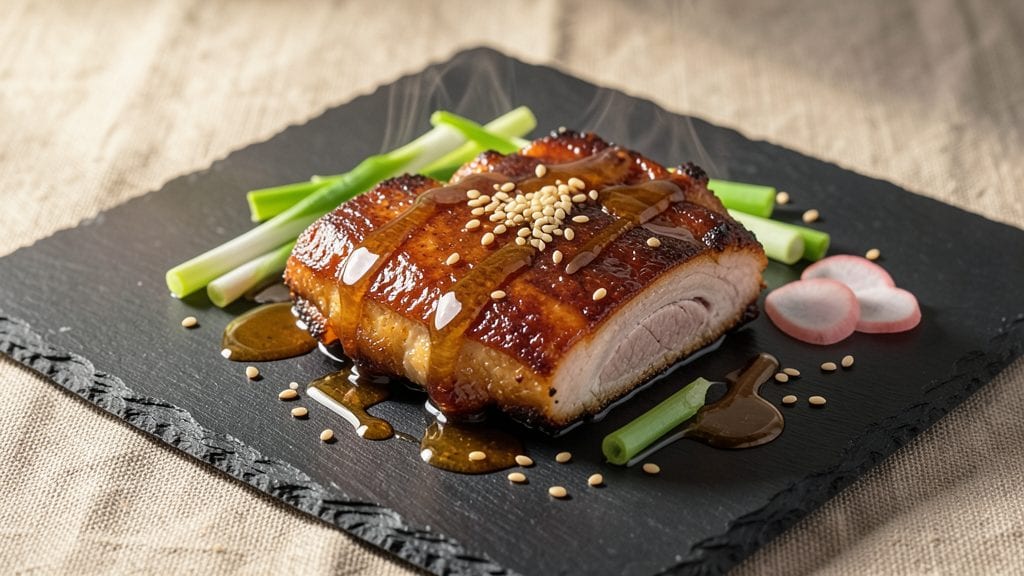
A pork belly honey glaze recipe transforms simple pork into a restaurant-worthy centerpiece with its deep caramelized shine and sticky-sweet perfection. Growing up in small-town Georgia, I learned that the secret to unforgettable pork wasn’t just the meat—it was the glaze that turned ordinary into extraordinary.
This recipe delivers that same magic with just five ingredients and a precise simmering technique.
The beauty of this glaze lies in its balance: rich honey provides natural sweetness while soy sauce and vinegar add depth, creating a sauce that’s both complex and foolproof.
Master Chef Chen taught me that reducing the glaze slowly develops caramelized flavors that cling to every crispy edge of the pork belly. The result? A glaze so addictive, it disappears faster than you can drizzle it.
What you’ll achieve is pork belly with a glossy, crackling exterior that shatters at every bite, revealing tender, melt-in-your-mouth meat beneath. The glaze caramelizes into a sticky, amber finish that’s worth every calorie—perfect for special occasions or when you want to impress without complicated techniques.
This sauce also works beautifully on chicken, duck, or even vegetables.
Ready in just 30 minutes, this glaze requires no special equipment beyond a saucepan and a whisk. The key is patience during reduction—don’t rush it. Once mastered, you’ll never buy store-bought again. Here’s how to make it shine.
Ingredients for pork belly honey glaze
Five ingredients transform into a glaze so addictive, it disappears faster than you can drizzle it.
| Ingredient | Amount | Notes |
|---|---|---|
| Raw Honey 🍯 | ¾ cup | High-quality, preferably clover or wildflower |
| Light Soy Sauce 🍶 | ½ cup | Kikkoman preferred for balance |
| Rice Vinegar 🍶 | ¼ cup | Seasoned for subtle sweetness |
| Fresh Ginger 🌿 | 1 tbsp | Finely grated, aromatic |
| Sesame Oil 🫒 | 1 tbsp | Toasted, for nutty depth |
| Diamond Crystal Kosher Salt 🧂 | 1 tsp | Fine grain for balance |
| Black Peppercorns 🌶️ | ½ tsp | Freshly cracked for heat |
| Garlic Cloves 🧄 | 2 cloves | Minced, aromatic foundation |
The honey is the heart of this glaze, so pick a high-quality, thick variety—clover or wildflower from a trusted brand like Local Honey Company or your local farmers' market. Raw, unprocessed honey has deeper flavor and better caramelization. The soy sauce? Kikkoman light soy is my go-to—it's balanced and widely available. For vinegar, seasoned rice vinegar adds a subtle sweetness that complements the honey beautifully. Fresh ginger and garlic are non-negotiable here; they're the aromatic base that prevents the glaze from tasting one-note. I always grab ginger from the Asian market section—it's fresher and more potent than the grocery store stuff.
No rice vinegar? Apple cider vinegar works in a pinch, but you'll lose that delicate sweetness. Skip the soy sauce? Coconut aminos or tamari add depth, though the flavor profile shifts slightly. Running low on honey? Maple syrup or agave nectar can substitute, but reduce the amount by 10% since they're thinner. The sesame oil is where you can get fancy—toasted sesame oil from Trader Joe's or Costco adds that nutty aroma that makes the glaze sing. For the peppercorns, if you don't have a grinder, pre-ground black pepper works, but freshly cracked adds a whole new dimension. The garlic? Fresh is non-negotiable here—jarred minced garlic has a completely different (and less desirable) flavor profile.
This glaze keeps beautifully—1 month in the fridge sealed in a jar, or 6 months in the freezer in ice cube trays for single-use portions. The texture thickens as it cools, so reheat gently with a splash of water if it becomes too stiff. I always make extra because it disappears so fast—double the batch if you're feeding a crowd. The glaze reheats beautifully, so it's perfect for meal prep. Just store it in the fridge and reheat on the stove over medium-low heat, stirring occasionally until smooth and glossy again.
Why You'll Love This Recipe
- Fewer Ingredients, Bigger Bang: The pantry already has most of this—just honey, soy, vinegar, and ginger. No specialty jars or confusing ratios. I swear by this combo: the ginger’s sharp bite cuts through the pork’s richness while the honey caramelizes into a sticky, golden blanket that doesn’t need fancy tools.
- Salty-Sweet Magic: That first bite? Crispy, fatty pork belly with a glaze so balanced it’s addictive—like a dessert you’d actually eat for dinner. The sesame oil adds a nutty depth, and the rice vinegar keeps it bright enough to stand up to anything, from steamed greens to crusty bread.
- Weeknight to Weekend: Same glaze, endless uses. Slather it on roasted pork for a Sunday feast, toss it with noodles for a Tuesday takeout fix, or even drizzle it over grilled shrimp when you’re feeling fancy. Honestly, I’ve made it three times this month and never once ran out of ideas.
- Leftovers That Don’t Suck: The glaze thickens beautifully when reheated—perfect for turning next-day pork into sandwiches, fried rice, or even a quick ramen upgrade. And because pork belly freezes well, this recipe basically lets you make one big batch and stretch it for meals you haven’t even planned yet.
Step-by-step instructions for pork belly honey glaze
This glaze transforms simple pork belly into a masterpiece of caramelized richness and umami depth.
Create the Glaze Base
In a medium saucepan, combine the 0.75 cup raw honey, 0.5 cup light soy sauce, and 0.25 cup rice vinegar. Bring to a gentle simmer over medium heat, stirring constantly to prevent scorching. You'll notice the mixture immediately begins to bubble and thicken—this is where the magic starts.
Simmer for 8-10 minutes until the liquid reduces by about half and becomes syrupy. Watch closely as the color deepens from golden to a rich amber hue. This reduction concentrates the flavors and creates that signature glossy finish we're after. If you see any dark spots forming, reduce the heat immediately to prevent burning.
Infuse with Aromatics
Add the 1 tablespoon finely grated fresh ginger, 2 minced garlic cloves, and 0.5 teaspoon freshly cracked black peppercorns to the reduced mixture. Stir well to distribute the aromatics evenly. The kitchen will fill with an intoxicating blend of citrusy vinegar, sweet honey, and warm spices—this is your quality control moment.
Simmer for an additional 3-4 minutes, allowing the ginger to soften slightly and release its essential oils. You should smell the garlic's pungency and the peppercorns' subtle heat. Remove from heat and let the mixture cool slightly—this resting period allows the flavors to meld completely before we incorporate the final element.
Finish with Sesame Oil
Once the glaze has cooled for 5 minutes, stir in the 1 tablespoon toasted sesame oil. The oil will immediately emulsify with the reduced mixture, creating a silky, glossy texture. This is where the glaze achieves its signature balance—sweet, salty, tangy, and nutty all in one perfect package.
Taste and adjust seasoning if needed. You might want to add a pinch more of the 1 teaspoon diamond crystal kosher salt if the soy sauce's saltiness needs balancing. The glaze should be thick enough to coat the back of a spoon but still flow smoothly when drizzled. If it's too thick, add 1 teaspoon water at a time until you reach the desired consistency.
Apply to Pork Belly
While the glaze cools completely, prepare your pork belly by patting it dry and scoring the fat in a diamond pattern. Brush the warm glaze generously over the pork, working in three stages: first application before roasting, second after the initial sear, and final application during the last 10 minutes of cooking.
The glaze should form a glossy, sticky coating that caramelizes beautifully as it roasts. For best results, roast the pork belly at 325°F for 2-2.5 hours, basting occasionally with any accumulated juices. The final internal temperature should reach 145°F for perfectly tender, crispy-skinned pork belly with a deep caramelized glaze that drips with every bite.
Pro Tips For Making Pork Belly Honey Glaze
- Simmer the Glaze Slow: Reduce that honey-soy mix on medium-low for at least 10 minutes—until it thickens enough to coat the back of a spoon. I used to rush it, and the glaze would just run off the pork belly like sad syrup. Patience here means sticky, caramelized perfection.
- Grate Ginger Fine: Use a microplane or the smallest holes on a box grater for the ginger—no chunks, no pulp. I learned this the hard way when I had to fish out a stubborn piece mid-cooking. The glaze needs smooth texture, not surprises.
- Dry the Pork First: Pat the pork belly thoroughly with paper towels before searing—wet fat equals steam, which turns your crispy skin into sad, limp rubber. Trust me, the extra 30 seconds of drying saves your dish.
- Balance the Vinegar: Add the rice vinegar last and taste as you go—too much and your glaze turns sharp. I usually start with half the recipe’s amount, then adjust. The honey’s sweetness needs a gentle nudge, not a knockout punch.
Common mistakes when making this recipe
Over-Reducing the Glaze
I’ve seen home cooks rush the reduction process, turning what should be a glossy, amber glaze into a bitter, caramelized brick. The key is patience—simmering too long or on high heat transforms the honey’s delicate sweetness into harsh, burnt notes.
Always maintain a gentle simmer and keep an eye on the color. When it reaches a deep amber (not dark brown), it’s ready. If you catch it burning, immediately remove from heat and stir in 1 teaspoon water to reset the texture. 🔥
Skipping the Resting Period
After adding the sesame oil, the glaze needs 5 minutes to cool and emulsify properly. I’ve made this mistake too—rushing to apply it straight to the hot pork belly causes the oil to separate, leaving a greasy, uneven coating.
The resting period lets the flavors meld and the texture stabilize. If you’re impatient, at least let it cool for 2 minutes, but you’ll sacrifice some of that silky perfection.
Using Low-Quality Honey
Not all honey is created equal, and cheap, overly processed honey can make or break your glaze. Thin, commercial honey won’t caramelize properly and may turn grainy during reduction. I always recommend raw, thick honey like clover or wildflower—brands like Local Honey Company or even your local farmers' market.
If you’re using a thinner honey, reduce the amount by 10-15% to compensate, or add 1 teaspoon cornstarch to thicken it during simmering.
Ignoring the Three-Stage Application
Applying the glaze all at once leads to uneven caramelization—some spots burn while others stay sticky and underdeveloped. The secret is the three-stage method: first before roasting, second after the initial sear, and finally in the last 10 minutes.
This ensures a deep, even glaze that clings to every crispy edge. Pro tip: Use a pastry brush for even distribution, and don’t skip the final basting—this is where the magic happens. 💫
Substituting Vinegar Without Adjusting
If you swap rice vinegar for apple cider or white vinegar, the glaze’s balance shifts dramatically. Apple cider vinegar adds a sharper tang, while white vinegar can make the glaze taste harsh.
If you must substitute, reduce the amount by 10% and add ½ teaspoon sugar to compensate for the loss of sweetness. I’ve also seen people skip vinegar entirely, but that removes the essential acidity that cuts through the honey’s richness.
Not Scoring the Pork Belly Properly
A diamond-pattern score isn’t just for looks—it helps the glaze penetrate deeper into the fat layers, creating pockets of flavor. Skimping on the score means the glaze pools on the surface, leaving the meat underneath bland. Use a sharp knife and cut ¼-inch deep, about ½-inch apart.
And for goodness’ sake, don’t skip the patting dry step—wet pork belly won’t crisp properly, and the glaze will steam off instead of caramelizing. 🌟
Nutrition facts
Frequently asked questions
Can I use this glaze on other meats besides pork belly?
This honey glaze works beautifully on chicken thighs, duck breasts, or even salmon fillets. For poultry, reduce the cooking time to 15-20 minutes to prevent overcooking. When using on fish, apply the glaze only in the last 5 minutes of cooking to avoid breaking down the delicate texture. The key is adjusting the heat level to match the protein's cooking time.
How do I fix a glaze that's too thick or too thin?
If your glaze is too thick after reduction, thin it with 1 teaspoon water at a time while stirring constantly over low heat. For a glaze that's too thin, simmer it for an additional 2-3 minutes to reduce further. Pro tip: The glaze should coat the back of a spoon but still flow smoothly when drizzled. If you've already added sesame oil and the texture is off, whisk in ½ teaspoon honey to restore balance.
Can I make this glaze ahead of time?
Yes! This glaze keeps for 1 month in the fridge when stored in an airtight container. For longer storage, freeze it in ice cube trays for single-use portions. Thaw overnight in the refrigerator before using. The texture will thicken as it cools, so reheat gently with a splash of water if needed. I always make extra because it disappears so fast during dinner parties!
What's the best way to reheat leftover glaze?
Reheat leftover glaze in a small saucepan over low heat, stirring constantly until smooth and glossy. If it's too thick, add 1 teaspoon water at a time. For microwave reheating, use 10-second bursts on low power, stirring between each interval. Never microwave it full strength—it can separate. The glaze reheats beautifully, making it perfect for meal prep or finishing dishes later.
Can I substitute maple syrup for honey in this recipe?
You can use maple syrup as a substitute, but reduce the amount by 10% since it's thinner than honey. Maple syrup will give a slightly different flavor profile—less floral and more earthy. For best results, use grade B maple syrup (the darker variety) as it has more complex flavors. The glaze will still caramelize beautifully, though the color may be slightly lighter.