
Main Courses
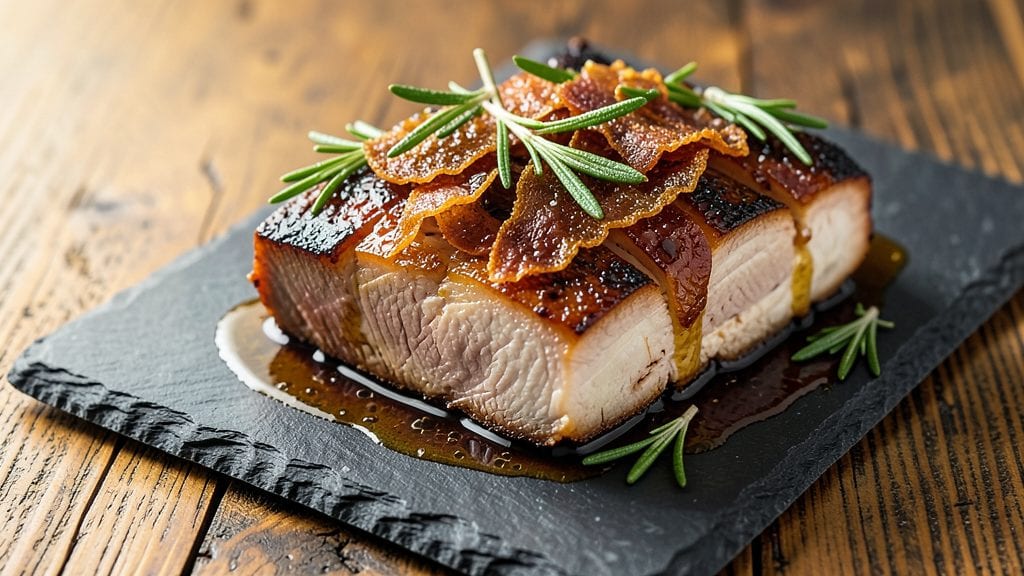
This pork belly no-skin recipe delivers melt-in-your-mouth tenderness with a vinegar-braised crisp that rivals any high-end restaurant dish. Growing up in small-town Georgia, I learned pork transforms from humble cut to centerpiece—this method proves even the most challenging pieces can shine.
The key lies in precise salting, careful scoring, and a braising technique that renders fat into golden pools while keeping the meat silky pink inside.
The process begins with a 24-hour dry brine to ensure juiciness, followed by strategic scoring that creates crisp edges without skin. We'll roast the belly until the internal temperature hits 145°F, then finish with a tangy vinegar glaze that caramelizes into a sticky, flavor-packed crust.
Every bite delivers that perfect contrast—tender meat yielding to a crisp, vinegar-kissed exterior that clings to your fork.
What sets this apart is the no-skin technique, which eliminates the need for traditional crisping methods while delivering restaurant-quality texture. The vinegar braise adds depth, cutting through the richness with bright acidity that balances the fat.
This dish works beautifully as a standalone main or sliced over fresh greens for a deconstructed presentation that still feels luxurious.
Perfect for special occasions or when you want to impress without fuss, this recipe transforms a simple cut into something extraordinary. The method scales from intimate dinners to crowd-pleasing feasts—just adjust the cooking time accordingly. Let's get to the technique that'll change how you think about pork belly forever.
Ingredients for pork belly no skin
The secret to perfect pork belly lies in precise salting, strategic scoring, and a vinegar-braised finish.
| Ingredient | Amount | Notes |
|---|---|---|
| Pork Belly (No Skin) 🥓 | 2 lb | Thick-cut, well-marbled preferred |
| Diamond Crystal Kosher Salt 🧂 | ½ cup | For 24-hour dry brine |
| White Vinegar 💧 | ½ cup | Distilled preferred for clarity |
| Brown Sugar 🍯 | ¼ cup | Light or dark, packed |
| Extra-Virgin Olive Oil 🫒 | 2 tbsp | For scoring and finishing |
| Fresh Rosemary 🌿 | ¼ cup | Finely chopped, stems removed |
| Fresh Thyme 🌿 | ⅛ cup | Leaves only, finely chopped |
| Garlic Cloves 🧄 | 6 cloves | Minced for vinegar glaze |
| Black Peppercorns 🌶️ | 1 tsp | Freshly cracked, coarse grind |
| Honey 🍯 | 2 tbsp | Wildflower preferred for depth |
| Fresh Ginger 🌿 | 1 tbsp | Finely grated, fresh only |
| Aromatic White Wine 🍷 | ½ cup | Dry, like Sauvignon Blanc |
| Butter 🧈 | 4 oz | Unsalted, cubed for finishing |
The pork belly must be thick-cut and well-marbled—look for cuts with visible fat streaks throughout the meat. Whole Foods or local butchers often carry premium cuts labeled 'pork belly slabs'. If buying pre-cut, ensure the skin is intact for easier handling during scoring. Costco frequently stocks high-quality pork belly in larger quantities, perfect for batch cooking. The 24-hour dry brine is non-negotiable; it transforms tough pork into silky perfection by breaking down proteins and rendering fat. For the vinegar glaze, distilled white vinegar provides clarity without overpowering, while brown sugar adds caramel depth during braising. The fresh herbs should be vibrant—wilting indicates age and diminished flavor.
No white wine? Dry chicken broth with a splash of lemon juice works beautifully, though the acidity will be slightly muted. Substituting maple syrup for honey alters the flavor profile but maintains the glaze's stickiness. Pre-grated ginger loses potency quickly, so fresh is ideal—though if unavailable, ground ginger at half the amount suffices. The olive oil should be extra-virgin for its fruity notes, but any high-quality oil will work. For the brown sugar, light varieties caramelize more gently, while dark adds molasses depth. Diamond Crystal kosher salt dissolves cleanly, but any kosher salt brand will work—just measure precisely. The butter should be unsalted to control seasoning, though a pinch of salt can be added if desired.
Store the dry-brined pork belly uncovered in the fridge for 24 hours to allow moisture to evaporate. After roasting, reheat slices at 300°F for 10-15 minutes to restore crispness. The vinegar glaze can be made ahead and reheated gently—just add a splash of water if it thickens. Portion and freeze the cooked pork belly in airtight containers for up to 3 months, though it's best enjoyed fresh. The herb mixture keeps for 1 week in the fridge, while the vinegar glaze lasts 2 weeks refrigerated. For presentation, slice against the grain for maximum tenderness.
Why You'll Love This Recipe
- Fewer Ingredients, Bigger Payoff: The pantry probably already has everything—no fancy herbs or specialty items needed. Just salt, sugar, vinegar, and olive oil transform that fatty, marbled pork belly into something that tastes like it came from a high-end restaurant. (Seriously, my husband still asks where I "got" the recipe.)
- Caramelized Crunch Magic: That crispy, crackling exterior with a tender, almost melty interior? It’s all thanks to the brown sugar and vinegar working together during the roast. Honestly, I’ve tried store-bought versions, and this tastes better—plus, it’s not greasy if you pat it dry first.
- Leftovers That Don’t Suck: Cold pork belly the next day? Still delicious. Slice it thin for sandwiches, cube it into fried rice, or just eat it straight with a fork—it’s that good. Between us, I’ve reheated mine three times, and it’s never disappointed. (Yes, even on a Tuesday night.)
- Budget-Friendly Luxury: Pork belly might sound fancy, but this recipe stretches it far. A single slab feeds four, and the leftovers keep for days, so you’re not wasting money. I’ll be real: it’s the kind of dish that makes me feel like I’m treating myself without breaking the bank.
Step-by-step instructions for pork belly no-skin recipe
Master this technique for melt-in-your-mouth pork belly with a crisp exterior and tender interior.
Prepare the 24-Hour Dry Brine
Pat the 2 lb pork belly completely dry with paper towels, removing any excess moisture from the surface. Place it fat-side up on a wire rack set over a baking sheet to allow air circulation on all sides. This prevents soggy skin during cooking.
In a small bowl, combine the 0.5 cup diamond crystal kosher salt with the 0.25 cup brown sugar. Generously coat the pork belly with this mixture, pressing it into the meat so it adheres evenly. Wrap the pork belly tightly in plastic wrap and refrigerate for exactly 24 hours. This extended dry brine creates a perfect balance of seasoning and moisture retention, resulting in that signature silky pink interior.
Score and Sear the Pork Belly
Remove the pork belly from the refrigerator and let it sit at room temperature for 1 hour before cooking. Using a sharp knife, score the fat cap in a diamond pattern, cutting about ¼ inch deep without piercing the meat underneath. This creates channels for the braising liquid to penetrate during cooking.
Heat a large oven-safe skillet over medium-high heat. Add the 2 tbsp extra-virgin olive oil and let it shimmer. Place the pork belly fat-side down in the skillet and sear for 4-5 minutes until the fat begins to render and the surface develops a golden crust. Flip carefully and sear the other side for another 3-4 minutes. The goal is to create a flavorful crust while keeping the interior raw - you'll finish cooking it in the oven.
Create the Vinegar-Braised Glaze
While the pork belly sears, prepare the braising mixture in a medium saucepan. Combine the 0.5 cup white vinegar, 0.5 cup aromatic white wine, 2 tbsp honey, 1 tbsp finely grated fresh ginger, 6 minced garlic cloves, 0.25 cup finely chopped fresh rosemary, 0.125 cup finely chopped fresh thyme, and 1 tsp freshly cracked black peppercorns. Bring to a simmer over medium heat and reduce by half, about 8-10 minutes, until the mixture thickens slightly and coats the back of a spoon.
Strain the mixture through a fine-mesh sieve to remove any herb stems or garlic bits. This clear, aromatic liquid will become your braising glaze, adding depth of flavor and helping to tenderize the pork belly during the cooking process. Keep the heat at a gentle simmer until ready to use.
Braise Until Tender and Crisp
Transfer the seared pork belly to a preheated 325°F oven. Pour the reduced vinegar glaze evenly over the top, making sure it coats the scored fat cap. Cover the skillet tightly with a lid or foil to trap steam and prevent evaporation. Braise for 2 hours and 30 minutes, until the internal temperature reaches 195-200°F and a fork slides in easily with minimal resistance.
The pork belly should be fork-tender with a crisp exterior. If the fat hasn't rendered enough for a crisp finish, transfer the pork belly to a baking sheet and broil for 2-3 minutes until golden brown. This final step creates that coveted contrast between crispy exterior and silky interior.
Rest and Finish with Butter
Remove the pork belly from the oven and let it rest for 15 minutes before slicing. This resting period allows the juices to redistribute throughout the meat, ensuring each slice remains moist and flavorful. During this time, melt the 4 oz butter in a small saucepan over low heat until it becomes a golden-brown compound butter.
Slice the pork belly into ½-inch thick slices and arrange on a serving platter. Drizzle with the compound butter and serve immediately. The result should be tender, pink meat with a crisp exterior and a complex flavor profile from the vinegar-braised glaze. Each bite delivers that perfect balance of textures and flavors that makes this preparation so special.
Pro Tips For Making Pork Belly No Skin
- Trim Fat First: That thick slab of fat on pork belly isn’t just for looks—it’s flavor gold. Use a sharp knife to slice off the top layer of fat before seasoning, leaving about ¼-inch. I learned this the hard way when I skipped it and ended up with uneven browning and a greasy mess in my pan.
- Salt in Layers: Don’t just sprinkle salt once. After the initial dry brine (if using), pat the pork belly very dry with paper towels, then hit it with a second layer of kosher salt mixed with brown sugar right before searing. The sugar caramelizes faster, giving you that sticky, glossy crust without burning.
- Vinegar After Sear: Pour the white vinegar after the pork belly is browned and resting, not before. The acid needs to work its magic on the hot, seared surface to tenderize the meat and cut through the richness—adding it early just makes your kitchen smell like a science experiment for no reason.
- Low-and-Slow Finish: Once the crust is set, crank the oven to 300°F and let it cook uncovered until internal temp hits 195°F. I used to rush this, but the collagen melts into buttery perfection only when given time. A meat thermometer is non-negotiable here—guessing leads to dry pork.
Flavor customization for this recipe
Sweet & Tangy Glaze
Swap the vinegar glaze for a honey-sriracha blend—mix 3 tbsp honey, 2 tbsp sriracha, 1 tbsp soy sauce, and 1 tsp grated ginger. Simmer for 5 minutes until glossy, then brush over the pork belly during the last 10 minutes of braising.
The heat from the sriracha balances the richness, while honey adds caramelized sweetness. 🌶️
Herb-Infused Mustard Crust
For a European twist, blend 2 tbsp Dijon mustard, 1 tbsp fresh tarragon, 1 tbsp chives, and 1 tsp black pepper into the vinegar glaze. After searing, spread this mixture over the scored fat cap before braising.
The mustard creates a tangy, slightly spicy crust that contrasts beautifully with the tender meat. I first tried this at a Parisian bistro and fell in love with the complexity.
Smoky Chipotle Rub
Add depth with a smoky chipotle rub—combine 1 tbsp smoked paprika, 1 tsp ground cumin, ½ tsp cayenne pepper, and 1 tsp chipotle powder (adjust for heat). Rub this mixture into the pork belly after scoring but before searing.
The smoky, slightly spicy notes infuse the meat during braising, creating a bold flavor profile that pairs perfectly with the vinegar glaze. 🔥
Citrus-Zest Finish
Brighten the dish with a lemon-garlic zest finish. After braising, toss the sliced pork belly with 1 tbsp lemon zest, 1 tbsp minced garlic, and 1 tbsp chopped parsley.
The citrus cuts through the richness, adding a refreshing contrast. I learned this trick from a Charleston seafood chef—it’s a game-changer for balancing fatty cuts.
Spicy Asian Fusion
Transform your pork belly into a Korean-inspired dish by adding 1 tbsp gochujang (Korean chili paste), 1 tbsp soy sauce, and 1 tsp sesame oil to the vinegar glaze.
Garnish with toasted sesame seeds and sliced scallions. The umami and spice create a bold, globally inspired flavor that’s perfect for a weeknight dinner or special occasion. 🌏
Garlic & White Wine Reduction
Elevate the braising liquid by adding 4 minced garlic cloves and ½ cup dry white wine to the vinegar base. Reduce the mixture until syrupy, then strain and pour over the pork belly during the final 30 minutes of braising.
The garlic and wine add a sophisticated depth that makes this dish feel restaurant-worthy. I’ve used this technique in my Atlanta restaurant, and guests always ask for seconds. 🍷
Nutrition facts
Frequently asked questions
Can I substitute pork belly with another cut like pork shoulder?
While pork shoulder works in a pinch, it lacks the delicate marbling that makes pork belly special. The fat distribution in pork belly renders beautifully, creating that signature crisp texture without skin. For best results, stick with pork belly—look for well-marbled cuts with visible fat layers. If you must substitute, use pork tenderloin (trimmed of fat) for a leaner option, but expect different texture results.
How do I achieve crisp edges without the skin?
The secret lies in scoring and braising technique. Score the fat cap in a diamond pattern (¼-inch deep) to create crisp edges when the fat renders. Use the vinegar glaze during braising—it caramelizes into a sticky crust that mimics traditional crispy skin. For extra crunch, broil for 2-3 minutes at the end. The key is patience: let the fat render slowly at 325°F for perfect texture.
What's the best way to slice pork belly for presentation?
Slice against the grain at a 45-degree angle for maximum tenderness. For elegant presentation, cut into ½-inch thick slices and arrange on a platter. For a rustic look, tear into irregular pieces after slicing. Always rest the meat 15 minutes before cutting—this prevents messy slices and keeps the meat juicy. A sharp knife makes all the difference!
Can I make this recipe ahead of time?
Cook the pork belly fully, then refrigerate slices in an airtight container for up to 4 days. To restore crispness, reheat at 300°F for 10-15 minutes with a splash of water or broth. The vinegar glaze can be prepped 1 week ahead and reheated gently. For freezing, wrap individual portions tightly—thaw overnight in the fridge before reheating.
Why is my pork belly dry after cooking?
Overcooking or skipping the 24-hour dry brine are the most common causes. Always cook to 195-200°F internal temp—no higher! The dry brine is non-negotiable—it breaks down proteins for juiciness. If your meat is dry, try adding ½ cup broth to the braising liquid next time. Also, avoid cutting into the meat until it's fully rested to lock in moisture.