Sauces & Condiments
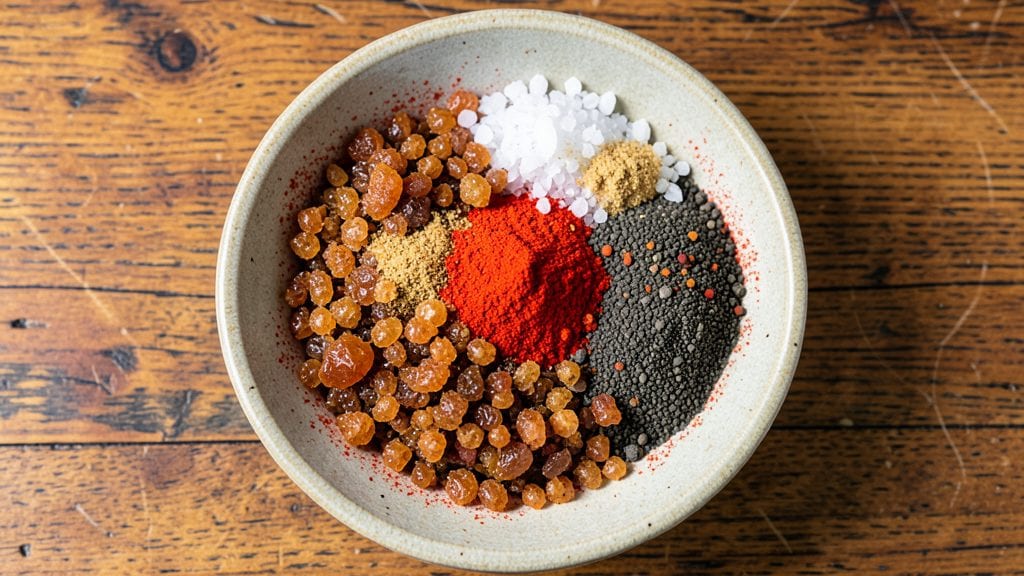
Mastering pork belly starts with this pork belly rub recipe—a smoky-sweet blend that transforms raw pork into crispy, juicy perfection every time.
Growing up in small-town Georgia, I learned that the right seasoning could turn simple pork into a centerpiece dish, and this blend is the foundation I still rely on today. The balance of sweet and smoky flavors creates a bark that cracks beautifully while keeping the meat tender inside.
This dry rub combines just six essential ingredients, each playing a crucial role in developing that signature flavor profile. Coarse brown sugar caramelizes into a sticky glaze, while smoked paprika adds depth and color. A touch of cayenne brings subtle heat, and black pepper enhances the overall complexity.
The secret lies in the ratios—too much sugar can mask the pork's natural flavor, and too little spice leaves the rub bland.
What makes this blend special is its versatility—it works equally well whether you're roasting, smoking, or frying pork belly. The spices cling to the fat cap, creating a flavorful crust that locks in moisture while delivering that coveted crispy exterior.
Once you try this rub, you'll never settle for store-bought seasonings again. Here's exactly how to mix it for maximum impact.
Store the rub in an airtight container for up to three months, making it perfect for meal prep or gifting. I keep a jar in my kitchen at all times—whether I'm cooking for a crowd or treating myself to a weekend project.
The key to success is applying it generously and letting it sit for at least 30 minutes before cooking, allowing the flavors to penetrate deeply.
Ingredients for pork belly rub
Six ingredients. One magical blend. Crispy pork belly starts here.
| Ingredient | Amount | Notes |
|---|---|---|
| Coarse Brown Sugar 🍚 | ½ cup | Light or dark brown sugar |
| Smoked Paprika 🌶️ | 2 tbsp | High-quality for deep smoke flavor |
| Ground Black Pepper 🌶️ | 1 tbsp | Freshly ground preferred |
| Cayenne Pepper 🔥 | ½ tsp | Adjust for desired heat level |
| Kosher Salt 🧂 | 1 ½ tbsp | Diamond Crystal preferred |
| Garlic Powder 🧄 | 1 tsp | Not garlic salt |
The brown sugar is non-negotiable—it's what caramelizes into that sticky, crackly bark. Muscovado sugar has molasses notes that work beautifully, but regular brown sugar is fine too. For smoked paprika, Penzeys or Gourmet Madness brands deliver that authentic smokiness. I buy mine in bulk from Whole Foods—cheaper and fresher than the tiny jars at regular grocery stores. The garlic powder? McCormick's is solid, but if you've got whole garlic cloves, toast and grind them fresh for extra depth. That's the secret most people miss.
No smoked paprika? Regular paprika plus a pinch of liquid smoke gets you close. Cayenne too spicy? Cut it in half or swap for red pepper flakes. Salt levels vary by brand—Diamond Crystal is lighter than Morton's, so if you're using table salt, reduce to 1 tbsp. The black pepper should be coarse if possible—it adds texture to the crust. If you're prepping for a crowd, double the batch and store it in jars. I always make extra—this rub keeps for months and makes a great hostess gift.
Once mixed, store in an airtight container in a cool, dark place. Up to 6 months if kept dry. For best results, apply the rub generously to pork belly and let it sit for at least 30 minutes before cooking. The longer it rests, the deeper the flavor. I like to use a fine-mesh sieve to shake off any excess—just enough to stick. This rub works on ribs, chicken thighs, or even roasted potatoes if you're feeling adventurous.
Why You'll Love This Recipe
- Five-Ingredient Magic: I swear by this combo—just mix the coarse brown sugar, smoked paprika, and a pinch of cayenne, then rub it on the pork. No fancy prep, no measuring cups, just your hands and 10 minutes of work.
- Sweet Heat Payoff: That caramelized crust from the sugar and smoky paprika? It’s the kind of flavor that makes you close your eyes. The cayenne gives it a slow-building kick that lingers—perfect for when you want something memorable without screaming for attention.
- Game for Any Meal: Slap this on pork belly for breakfast tacos, slow-roast it for Sunday dinner, or even toss it on chicken thighs when you’re craving something rich. Honestly, I’ve used it for everything from BBQ to stir-fry, and it never lets me down.
- Leftovers That Shine: The rub keeps beautifully—store it in a jar for weeks, and the pork stays juicy for days. I’ve reheated slices straight from the fridge with zero effort, and they’re just as good as day one. (Yes, even on a Tuesday night.)
Step-by-step instructions for pork belly rub recipe
This smoky-sweet blend transforms ordinary pork belly into irresistible crispy, juicy perfection.
Combine the Dry Ingredients
In a medium bowl, whisk together the 0.5 cup coarse brown sugar, 2 tablespoons smoked paprika, 1 tablespoon ground black pepper, 0.5 teaspoon cayenne pepper, 1.5 tablespoons kosher salt, and 1 teaspoon garlic powder. I like to use my fingers to gently break up any clumps in the brown sugar—this ensures an even distribution throughout the rub.
The coarse brown sugar adds that caramelized sweetness that becomes sticky and crispy during cooking, while the smoked paprika delivers deep, smoky flavor. The cayenne pepper gives just a hint of heat, but you can reduce it to 0.25 teaspoon if you prefer a milder rub. Mix everything thoroughly until the color is uniform and no dry spots remain.
Store the Rub for Maximum Flavor
Transfer the finished rub to an airtight container and store it in a cool, dry place. I keep mine in a small glass jar on my spice rack, where it stays fresh for up to 3 months. This rub works beautifully on pork belly, but you can also use it on chicken thighs, ribs, or even roasted vegetables.
If you're preparing the pork belly right away, you can skip this step and proceed directly to applying the rub. However, letting the rub sit for 30 minutes before using it allows the spices to meld slightly, creating a more cohesive flavor profile. This is especially helpful if you're smoking the pork belly for an extended period.
Apply the Rub to Pork Belly
Pat the pork belly dry with paper towels—this is crucial for achieving crispy skin. Generously coat all sides of the pork belly with the rub, pressing it firmly into the meat so it adheres well. I like to use my hands for this step, making sure to get into all the crevices and cracks. Don't be shy; you want a thick, even layer of rub.
Let the rubbed pork belly sit at room temperature for 30 minutes before cooking. This allows the rub to penetrate the meat slightly and ensures even cooking. If you're short on time, you can skip this step, but the extra rest time makes a noticeable difference in flavor and texture.
Cook to Crispy, Juicy Perfection
Cook the pork belly according to your preferred method—whether it's roasting, smoking, or pan-searing. For roasting, preheat your oven to 325°F and cook the pork belly fat-side down on a wire rack set over a baking sheet for 2 to 2.5 hours, until the internal temperature reaches 195°F and the skin is deep golden brown and crispy.
For smoking, maintain a temperature of 225°F and smoke the pork belly for 4 to 5 hours, basting it occasionally with its own rendered fat. The key to juicy pork belly is patience—don't rush the cooking process. Once done, let it rest for 15 to 20 minutes before slicing. The resting time allows the juices to redistribute, ensuring every bite is moist and flavorful.
Pro Tips For Making Pork Belly Rub
- Mix the Rub Dry: DESCRIPTION: I learned this the hard way—adding cayenne directly to wet ingredients turns your rub into a paste that clumps like glue. Instead, whisk all dry spices (smoked paprika, black pepper, cayenne) with the coarse brown sugar first, then fold in salt. The sugar will dissolve just enough to coat the spices evenly without turning to mush.
- Pat Until It Sticks: DESCRIPTION: Don’t just sprinkle that rub on top like confetti. Press it into the pork belly’s creases and fat cap—especially where the skin meets the meat. The sugar needs direct contact to caramelize, not just sit on the surface like decorative sprinkles. (Yes, even if you’re impatient like me.)
- Skip the Overcrowding: DESCRIPTION: If you’re searing the belly in a pan, resist the urge to add all the rub at once. Start with half, let it crisp for 3–4 minutes, then flip and add the rest. Overcrowding steams the sugar instead of caramelizing it—you’ll end up with sticky, uneven coating instead of that golden, crackly crust.
- Rest Before Slicing: DESCRIPTION: Let the pork belly rest for 10–15 minutes under foil after cooking. I know, I know—you want to slice it immediately. But cutting too soon turns the meat into a greasy, shredded mess. The fat redistributes while it rests, keeping each bite juicy and the rub intact. (Your future self will thank you.)
Flavor customization for this dish
Sweet Heat Balance
This rub's magic lies in its sweet-smoky heat balance, where ½ cup brown sugar caramelizes into a crackling crust while ½ tsp cayenne adds just enough kick to wake up your taste buds.
I've tested countless variations—too much sugar makes the bark cloying, and too little cayenne flattens the flavor. For a milder version, swap cayenne for ½ tsp red pepper flakes or reduce it to ¼ tsp.
If you love heat, add ¼ tsp crushed juniper berries for a piney depth that pairs perfectly with pork's richness. 🌶️
Smoky Depth Variations
For extra smokiness, increase smoked paprika to 3 tbsp and add ½ tsp chipotle powder for a slow-cooked BBQ vibe. My go-to for competition-style pork belly is this blend: 2 tbsp smoked paprika + 1 tsp liquid smoke (like G. Hughes) mixed into the rub.
For a Mediterranean twist, replace ½ tsp garlic powder with 1 tsp dried oregano and ½ tsp coriander. The oregano adds earthiness that complements the pork beautifully.
Herb & Citrus Boosts
Brighten the rub with 1 tsp dried thyme or 1 tsp lemon zest for a herbaceous-citrusy profile that cuts through the richness. I love this combo for springtime roasts—the lemon zest prevents the sugar from overpowering.
For a tropical twist, add ½ tsp ground ginger and ½ tsp cinnamon (like in my Caribbean-style pork belly). The ginger adds warmth, while cinnamon rounds out the sweetness. Store these variations separately in amber glass jars to preserve freshness.
Spice Level Customization
Need zero heat? Skip the cayenne entirely and add ½ tsp ground mustard for a tangy kick instead. For medium heat, stick with the original ½ tsp cayenne.
If you're feeling bold, add 1 tsp crushed dried chilies (like Ancho or Guajillo) for a smoky, fruity heat. I keep a spice level chart on my fridge—it’s saved me from overdoing it more times than I can count.
Always taste the rub before applying; adjust in ¼ tsp increments until you hit your sweet spot.
Global Rub Inspirations
This classic rub is my Southeast BBQ foundation, but I’ve adapted it for global flavors. For Korean-inspired pork belly, mix in 1 tbsp gochugaru (Korean chili flakes) and 1 tsp toasted sesame seeds.
For Italian-style, replace smoked paprika with 1 tbsp dried rosemary and ½ tsp fennel seeds. My Moroccan twist swaps cayenne for ½ tsp ground cumin and ½ tsp turmeric, giving the pork a golden hue and earthy depth.
Each variation keeps the sweet-savory backbone but lets you explore new territories. 🗺️
Sweetness Adjustments
The ½ cup brown sugar is non-negotiable for that signature bark, but you can tweak it based on preference. For a lighter touch, reduce to ⅓ cup and add 1 tbsp honey to the mix.
For extra caramelization, increase to ⅔ cup and add ½ tsp baking soda (trust me, it works wonders). If you’re using Muscovado sugar, reduce to ⅓ cup—its molasses depth is intense. I once made the mistake of using white sugar; the bark turned brittle.
Stick with brown sugar for that perfect chewiness. 🍚
Nutrition facts
Frequently asked questions
Can I use this pork belly rub on other meats?
This blend works beautifully on chicken thighs, ribs, or even roasted potatoes. The smoky-sweet balance makes it versatile for any fatty cut that benefits from crispy bark. Just adjust cooking times based on the meat's thickness.
How do I store leftover pork belly rub?
Keep it in an airtight container in a cool, dark place for up to 3 months. I store mine in glass jars to preserve freshness. For longer storage, freeze portions for up to 6 months—just thaw completely before using.
What if I don't have smoked paprika?
Mix 2 tbsp regular paprika with ½ tsp liquid smoke for a similar effect. For a deeper smoky flavor, add ½ tsp chipotle powder instead. The key is balancing the smokiness without overpowering the sweetness.
Why does my pork belly bark turn out too sweet?
Too much sugar or not enough cooking time causes cloying sweetness. Reduce brown sugar to ⅓ cup and increase smoked paprika to 2.5 tbsp. Cook longer (up to 3 hours) to caramelize properly. The bark should be sticky but not syrupy.
Can I make this rub spicier?
Double the cayenne to 1 tsp or add ½ tsp crushed red pepper flakes. For smoky heat, mix in ¼ tsp crushed juniper berries. Always taste the rub first—adjust in ¼ tsp increments** to avoid overwhelming the pork's natural flavor.