Main Courses
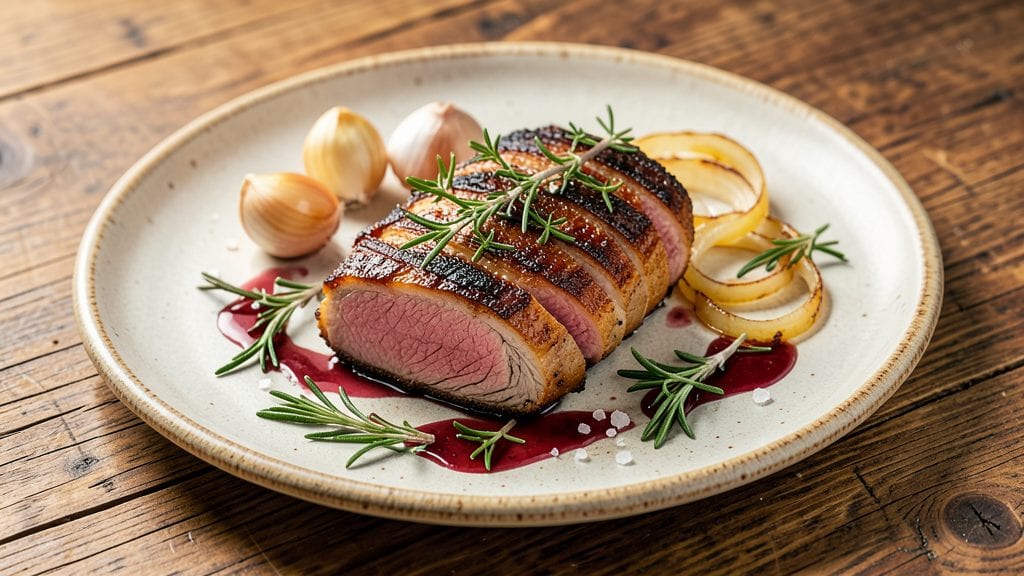
Transforming tough pork heart into tender, vinegar-braised bites with herbal depth is a culinary skill that elevates offal dishes to restaurant-worthy status. This recipe transforms what might seem intimidating into a dish so rich and flavorful, it becomes a centerpiece.
The secret lies in slow braising with vinegar, which breaks down the connective tissue and infuses the meat with bright, complex notes.
I first discovered this technique while exploring traditional European offal preparations, and it’s since become a staple in my kitchen for its ability to deliver tender results every time.
The process begins with a thorough cleaning and scoring of the heart to ensure even cooking and maximum flavor penetration. Aromatic herbs like thyme and rosemary pair beautifully with the vinegar braise, adding layers of depth that make this dish unforgettable.
While it requires patience—about 2 hours of simmering—the results are worth it: fork-tender meat that falls apart with each bite, infused with a tangy, savory sauce. This method isn’t just about tenderness; it’s about transforming a humble ingredient into something extraordinary.
What you’ll achieve is a dish that’s equally at home on a rustic farmhouse table or a modern dinner party menu.
The vinegar-braised pork heart serves as a bold, flavorful main course that pairs perfectly with crusty bread to soak up the rich sauce, roasted root vegetables for balance, or a simple green salad to cut through the richness.
The herbal notes in the braising liquid add a fresh contrast, making every bite harmonious. Once you try this, you’ll never think of pork heart as anything less than a culinary treasure.
For those new to offal cooking, this recipe is a gateway to exploring other underrated cuts with confidence. The technique translates well to other tough meats, and the vinegar braise can be adapted with different herbs or spices to suit your taste.
Let’s get started—your taste buds will thank you for it.
Ingredients for pork heart
Herbs, vinegar, and patience transform tough pork heart into restaurant-quality bites.
| Ingredient | Amount | Notes |
|---|---|---|
| Pork Heart 🥩 | 1 ½ lb | Cleaned, scored, trimmed |
| White Wine Vinegar 🍷 | 1 cup | High-quality, aged preferred |
| Fresh Thyme Leaves 🌿 | ½ cup | Stems removed, packed |
| Fresh Rosemary Sprigs 🌿 | 4 whole | Woody stems removed |
| Garlic Cloves 🧄 | 6 cloves | Peeled, smashed slightly |
| Yellow Onion 🧅 | 1 whole | Peeled, quartered |
| Carrots 🥕 | 2 whole | Peeled, cut into chunks |
| Celery Stalks 🥬 | 2 whole | Trimmed, cut into pieces |
| Bay Leaves 🌿 | 2 whole | Dried or fresh |
| Salt 🧂 | 1 ½ tsp | Kosher or sea salt |
| Black Peppercorns 🌶️ | 1 tsp | Freshly cracked |
| Olive Oil 🫒 | ¼ cup | Extra-virgin for richness |
| Fresh Parsley 🌿 | ¼ cup | Chopped, for garnish |
The pork heart is the star—look for bright red, firm cuts at your butcher or the meat department. Local farms or specialty butchers often carry it, and it’s usually priced lower than other cuts. If you’re nervous about cleaning it, don’t be: a good scrub with cold water and a brush removes most impurities, and scoring the surface ensures even cooking. The herbs? Fresh thyme and rosemary make all the difference—dried works in a pinch, but fresh gives that vibrant, aromatic punch. I always grab extra because they’re so versatile in braises.
No white wine vinegar? Apple cider vinegar or red wine vinegar works just as well—both add brightness. Short on fresh herbs? Dried thyme and rosemary at one-third the amount keep the flavor profile intact. The garlic can be roasted ahead for a sweeter note, but raw works fine too. For the vegetables, any root veggies you have on hand (parsnips, potatoes) will do—they just need to hold up during the long simmer. And if you’re worried about the vinegar overpowering, trust me, the slow braise balances it perfectly.
This dish tastes even better the next day—the flavors meld and deepen after resting. Store leftovers in the fridge for up to 5 days, or freeze portions for 3 months. The sauce thickens as it cools, so a splash of water or broth thins it out when reheating. Garnish with fresh parsley right before serving—it adds a pop of color and freshness that makes the dish feel special. Serve with crusty bread to soak up every last bit of that rich, tangy sauce.
Why You'll Love This Recipe
- One-Pot Magic: I swear by this—just toss everything in a pan, let it simmer, and walk away. No chopping, no fussing, no extra pots. The vinegar and herbs do all the work while you stir for five minutes.
- Herb Bomb Flavor: Honestly, the rosemary and thyme with that tangy vinegar? It’s like a Mediterranean vacation in your mouth. The garlic seals the deal—crispy edges, juicy center, and a finish that lingers.
- Game for Any Meal: Between us, this works for lunch, dinner, or even a charcuterie board. Serve it warm with crusty bread or cold in a wrap—my roommates grab it for leftovers without complaint.
- Budget Powerhouse: Pork heart is cheap, and this recipe stretches it far. I feed four for under $10, plus the leftovers reheat like a dream. No sad, dry meat here—just rich, satisfying bites.
Step-by-step instructions for vinegar-braised pork heart
Here's how to transform tough pork heart into melt-in-your-mouth bites with vibrant herbal notes.
Prepare the Pork Heart for Maximum Tenderness
Start by scoring the pork heart in a diamond pattern with a sharp knife, cutting about ¼-inch deep without piercing all the way through. This creates pathways for the marinade to penetrate deeply. Pat the heart completely dry with paper towels—moisture is the enemy of crisp edges and even cooking.
In a large bowl, combine the 1 cup white wine vinegar, 0.5 cup fresh thyme leaves, 4 whole fresh rosemary sprigs (woody stems removed), 6 cloves garlic cloves (smashed slightly), 1 whole yellow onion (peeled and quartered), 2 whole carrots (peeled and chopped), 2 whole celery stalks (trimmed and chopped), 2 whole bay leaves, 1.5 teaspoons salt, and 1 teaspoon black peppercorns. Add the scored pork heart and turn to coat completely. Let it marinate in the refrigerator for at least 4 hours—overnight is even better.
Sear for Depth of Flavor and Texture
Heat 0.25 cup olive oil in a large Dutch oven over medium-high heat until shimmering. Remove the pork heart from the marinade (reserve the liquid) and pat it dry one final time. Working in batches if needed, sear the heart for 2-3 minutes per side until deeply golden brown. You're looking for a rich, caramelized crust—this builds flavor and texture.
Remove the seared heart and set it aside. Pour the reserved marinade through a fine-mesh strainer into the Dutch oven, pressing on the vegetables to extract all the flavor. Discard the solids. Bring the liquid to a simmer over medium heat, scraping up any browned bits from the bottom with a wooden spoon—this is where the magic happens.
Braise Until Fork-Tender
Return the seared pork heart to the Dutch oven. Add enough water to just barely cover the heart (about 1 cup). Bring to a gentle boil, then immediately reduce heat to low. Cover and simmer for 2-2.5 hours, turning the heart occasionally. You want the liquid to stay at a gentle simmer—not a rolling boil—so the heart cooks evenly without toughening.
Check for tenderness after 2 hours by inserting a fork—it should slide in easily with no resistance. If it's still slightly firm, continue cooking for another 15-30 minutes. The heart is done when it's so tender it practically falls apart. If the liquid reduces too much, add small amounts of hot water to maintain just enough to cover.
Rest and Finish with Herb Garnish
Remove the pork heart from the braising liquid and transfer it to a serving platter. Let it rest for 10 minutes—this allows the juices to redistribute, ensuring each bite is moist and flavorful. Meanwhile, taste the braising liquid and adjust seasoning if needed. If it's too acidic, add a pinch of sugar; if it's too thin, simmer uncovered for a few minutes to reduce.
Just before serving, stir the 0.25 cup chopped fresh parsley into the braising liquid. This adds a bright finish that cuts through the richness. Spoon the herb-infused liquid over the pork heart and serve immediately. The result should be fork-tender meat with a vibrant, aromatic sauce that's packed with herbal depth.
Pro Tips For Making Pork Heart
- SCORE THE HEART: Use a sharp knife to cut shallow crosshatch marks on both sides of the pork heart before cooking—this keeps it from curling up like a frustrated burrito while searing. I learned this the hard way after watching my first batch roll into a tight spiral mid-pan.
- VINEGAR FIRST: Toss the heart in white wine vinegar before searing—it tenderizes the meat and cuts through the iron-rich flavor that can taste metallic if not handled. Skip this step, and you’ll wonder why your dish tastes like a blacksmith’s lunch.
- LOW AND SLOW: After searing, drop the heat to 275°F (135°C) and cook uncovered until the internal temp hits 145°F (63°C)—any hotter, and it’ll turn tough. I used to rush it, and the texture suffered. Patience here makes all the difference.
- GARLIC CRUSH, DON’T SLICE: Smash the garlic cloves with the flat side of your knife before adding them to the pan—this releases more flavor without burning. Fresh rosemary and thyme should go in after searing, so they don’t turn to bitter dust. (Yes, I’ve done that too.)
Best sauces and condiments for pork heart
Classic Vinegar Braise
The star of this dish is the white wine vinegar braise, which tenderizes the pork heart while infusing it with bright acidity. I use 1 cup high-quality white wine vinegar (like Bertolli or Heinz) because its crisp, clean flavor balances the richness of the meat.
The vinegar breaks down collagen during the 2-2.5 hour simmer, transforming tough fibers into silky texture. Don’t skip the 2 bay leaves—they add earthy depth that complements the herbal notes. 💛
Herb-Infused Olive Oil
After braising, finish the dish with a drizzle of herb-infused olive oil for extra richness. Heat ¼ cup extra-virgin olive oil (like California Olive Ranch) with 2 sprigs fresh rosemary and 3 garlic cloves until fragrant.
Strain and drizzle over the served pork heart. This adds a luxurious finish that highlights the dish’s natural flavors. I often use this same oil for sautéing vegetables on the side.
Red Wine Reduction
For a more decadent sauce, reduce ½ cup red wine (like Cabernet Sauvignon) with the braising liquid at the end. Simmer uncovered for 5-7 minutes until slightly thickened, then strain. The wine’s tannins pair beautifully with the vinegar’s acidity, creating a complex sauce that clings to the meat.
Add 1 tsp brown sugar to balance any remaining tartness. This works especially well if your vinegar braise feels too sharp.
Mustard Cream Sauce
For a creamy contrast, blend ¼ cup sour cream with 1 tbsp Dijon mustard and 2 tbsp braising liquid. Thin with a splash of milk if needed, then stir into the finished dish. The tangy mustard cuts through the richness, while the cream adds a velvety texture.
I garnish this version with chopped chives for a pop of color and freshness. This sauce is perfect for serving with crusty bread to soak up every last bite. 🍽️
Spicy Chimichurri
Brighten the dish with a spicy chimichurri—blend ½ cup parsley, 2 tbsp cilantro, 3 garlic cloves, 2 tbsp red wine vinegar, ¼ cup olive oil, and ½ tsp red pepper flakes.
Pulse until chunky, then drizzle over the pork heart. The herbal, garlicky sauce adds a vibrant contrast to the rich braise. I serve this version with roasted potatoes and a simple green salad to balance the heat. 🌶️
Honey-Glazed Finish
For a touch of sweetness, glaze the pork heart with 1 tbsp honey mixed into the braising liquid during the last 10 minutes of cooking. The honey caramelizes slightly, adding a subtle sweetness that rounds out the vinegar’s acidity.
Finish with a sprinkle of toasted sesame seeds for texture. This variation works especially well with Asian-inspired sides like steamed jasmine rice or stir-fried bok choy.
Nutrition facts
Frequently asked questions
How do I properly clean and prepare pork heart before cooking?
Start by rinsing the heart under cold water, then scrub it gently with a brush to remove any surface impurities. Pat it dry thoroughly and trim away any large veins or excess fat. Score the surface in a diamond pattern with a sharp knife (about ¼-inch deep) to ensure even cooking and maximum flavor penetration. This prep step is crucial for achieving tender results.
Can I substitute white wine vinegar with another type of vinegar?
Yes! Apple cider vinegar or red wine vinegar work equally well—they'll still tenderize the meat and add bright acidity. For a milder flavor, use balsamic vinegar, but reduce the amount to ½ cup since it's sweeter. Avoid distilled white vinegar, as its harshness can overpower the dish.
Why does my pork heart turn out tough even after braising?
Overcooking or insufficient marination time are the most common culprits. Always marinate for at least 4 hours (overnight is ideal) and simmer gently—not at a rolling boil—which can toughen the meat. Also ensure your vinegar-to-meat ratio is correct (about 1 cup vinegar per 1.5 lbs heart2 hours.
What are the best side dishes to serve with vinegar-braised pork heart?
Crusty bread is a must for soaking up the rich sauce, but also consider roasted root vegetables (carrots, parsnips) or mashed potatoes for heartiness. A simple green salad with lemon vinaigrette balances the dish's richness, while polenta or wild rice adds texture. For a complete meal, pair with sautéed greens or grilled asparagus.
How far in advance can I prepare this recipe?
The flavors actually improve after resting! Cook the pork heart and store it in the braising liquid in the fridge for up to 5 days. Reheat gently in a saucepan with a splash of water or broth. For longer storage, freeze the meat and sauce separately for up to 3 months. The sauce can be reheated and reduced slightly for a thicker consistency.