
Main Courses
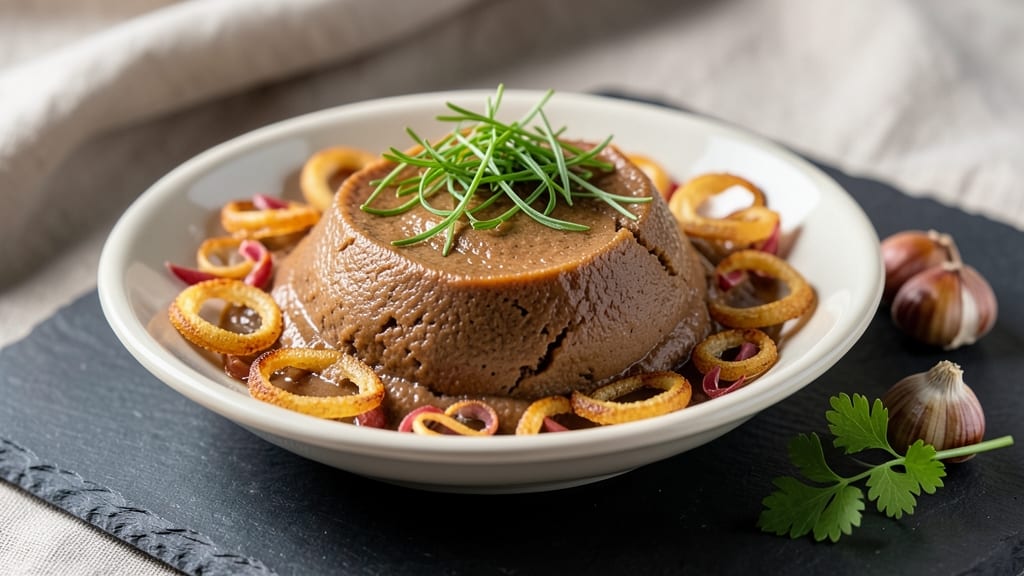
Mastering a pork liver pâté recipe transforms humble offal into a luxurious centerpiece that commands attention at any table. Growing up in small-town Georgia, I learned how pork livers—when handled with precision—yield a velvety, herb-infused spread that rivals gourmet shop offerings.
The secret lies in rendering fat properly and blending until silky, not pasty.
This recipe demands respect but rewards patience with a texture that’s both rustic and refined: smooth enough to pipe elegantly, yet rustic enough to hold shape when chilled. We’ll start with fresh pork livers cleaned meticulously, then simmered with aromatics until tender before blending with rendered fat and herbs.
No shortcuts here—just methodical technique honed over years of cooking for crowds at The Smoky Pig.
What you’ll achieve is a pâté so rich and flavorful it becomes the star of any meal. Serve it chilled on crispy toast points, alongside charcuterie, or even as a filling for delicate puff pastry.
The balance of silky liver, herby depth, and just a touch of sweetness makes this pâté unforgettable. Let’s get started with the steps that turn offal into art.
For those who prefer texture, a rustic version with visible herbs and slight graininess works beautifully with crackers or fresh bread. Store leftovers airtight in the fridge for up to five days, or freeze for longer preservation.
This isn’t just a recipe—it’s a skill that elevates your cooking from everyday to extraordinary.
Ingredients for pork liver pate
Fresh livers, rich butter, and aromatic herbs create a luxurious pâté that rivals gourmet shop offerings.
| Ingredient | Amount | Notes |
|---|---|---|
| Fresh Pork Livers 🍖 | 1 ½ lb | Trimmed of connective tissue |
| Unsalted Butter 🧈 | 1 cup | Cold, cut into cubes |
| Shallots 🧅 | 4 whole | Peeled, finely minced |
| Garlic Cloves 🧄 | 4 cloves | Peeled, finely minced |
| Fresh Parsley 🌿 | ¼ cup | Stems removed, finely chopped |
| Fresh Tarragon 🌿 | 2 tbsp | Finely chopped, stems removed |
| Fresh Thyme 🌿 | 1 tbsp | Leaves only, finely chopped |
| Dry White Wine 🍷 | ½ cup | Sauvignon Blanc preferred |
| Chicken Stock 💧 | ½ cup | Homemade or quality store-bought |
| Heavy Cream 🥛 | ¼ cup | Full-fat for richness |
| Salt 🧂 | 1 tsp | Diamond Crystal preferred |
| Freshly Ground Black Pepper 🌶️ | ½ tsp | Cracked peppercorns preferred |
| Granulated Sugar 🍚 | 1 tbsp | Balances liver richness |
The pork livers are the foundation—look for bright red, firm pieces with minimal connective tissue. Whole Foods or trusted butchers are best for quality. Trim any silverskin or veins before cooking. If you can't find fresh tarragon, dried works at one-third the amount, but fresh is ideal for that signature anise note. The butter should be cold and cubed—European-style unsalted melts more cleanly. For wine, a crisp Sauvignon Blanc cuts through the richness without overpowering.
No tarragon? Fresh basil or chervil adds brightness, though the flavor profile shifts slightly. Substitute chicken stock with vegetable stock for a vegetarian version, but the texture will differ. If you prefer a rustic texture, blend only until combined rather than silky smooth. The sugar can be omitted if you dislike sweetness, but it balances the liver's natural bitterness. For extra richness, add 1 tbsp of duck fat instead of some butter—trust me, it's worth the effort.
This pâté keeps beautifully—up to 5 days in the fridge when stored airtight. For longer storage, freeze in small portions for up to 3 months. The texture firms up slightly when chilled, making it perfect for piping onto toast points or spreading on crackers. If you prefer a smoother finish, pass through a fine-mesh sieve before serving. Leftovers reheat beautifully in a warm water bath for 10 minutes.
Why You'll Love This Recipe
- Foolproof Ingredients: I swear by this combo—just livers, butter, and a handful of shallots. No fancy gadgets, no stress. Honestly, the butter does 80% of the work melting into that rich, velvety texture.
- Garlic-Parsley Magic: That crispy shallot edge with the creamy liver center? Chef’s kiss. The parsley brightens it up so it doesn’t feel heavy—like a secret weapon in every bite.
- Party or Pantry: Slap this in a bowl for holiday appetizers or spread it on toast when you’re too tired to cook. My college friends called it “the fancy snack” and devoured it all—no one cared it was cheap.
- Leftovers? Better: This stuff tastes even better the next day. I make a big batch, store it in the fridge, and it’s my go-to for quick lunches or last-minute gifts. (Yes, even on a Tuesday night.)
Step-by-step instructions for pork liver pâté recipe
Here's the method for crafting a velvety pork liver pâté with balanced flavors and perfect texture.
Prepare the Pork Livers
Trim any connective tissue or silver skin from the 1.5 lb fresh pork livers using a sharp knife. Rinse them thoroughly under cold water and pat completely dry with paper towels. This step is crucial because any moisture will prevent proper browning later.
Cut the livers into ½-inch cubes and place them in a large bowl. Add the 1 tablespoon granulated sugar and toss gently to coat evenly. Let them sit for 10 minutes at room temperature while you prepare the aromatics. This sugar coating helps balance the natural richness of the livers.
Sauté the Aromatics
In a large skillet, melt 2 tablespoons of the 1 cup unsalted butter over medium heat. Add the 4 whole shallots and 4 cloves garlic cloves that have been finely minced. Cook for 5-6 minutes until the shallots become translucent and the garlic is fragrant but not browned.
Add the 2 tablespoons fresh tarragon and 1 tablespoon fresh thyme leaves, stirring for 30 seconds to infuse their flavors. Remove the skillet from heat and set aside. The herbs should be just warm enough to release their essential oils but not crispy.
Cook the Pork Livers
Increase the heat to medium-high and add the remaining 8 tablespoons unsalted butter to the skillet. Once the butter foams, add the sugar-coated pork livers in batches, allowing each batch to develop a golden crust before adding the next. This should take about 5 minutes total, working in batches to avoid overcrowding.
When the livers are browned on all sides and cooked through (they should be firm to the touch), transfer them to a bowl and set aside. The skillet should now have a rich, browned fond at the bottom—this is packed with flavor that will form the base of your pâté.
Deglaze and Simmer
Pour in the 0.5 cup dry white wine, scraping up all the browned bits from the bottom of the skillet with a wooden spoon. Add the 0.5 cup chicken stock and bring the mixture to a simmer. Let it reduce by half, which should take about 5 minutes, until you have about ½ cup of liquid remaining.
Stir in the sautéed aromatics and simmer for another 2 minutes. This step infuses the liver with all the aromatic flavors while concentrating the sauce. Remove from heat and let cool slightly for 5 minutes before proceeding.
Blend to Perfection
Transfer the cooked pork livers to a food processor along with the reduced sauce. Add the 0.25 cup heavy cream, 1 teaspoon salt, and 0.5 teaspoon freshly ground black pepper. Process in batches until completely smooth, scraping down the sides as needed. The texture should be silky and homogeneous.
For an ultra-smooth finish, press the pâté through a fine-mesh sieve into a clean bowl. This ensures there are no lumps and the texture is perfectly velvety. Taste and adjust seasoning if needed—you may need a bit more salt or pepper to balance the flavors.
Chill and Serve
Transfer the pâté to a serving dish and refrigerate for at least 2 hours to allow the flavors to meld and the texture to set slightly. This chilling step is essential for developing the pâté's characteristic richness and smoothness.
Serve the pâté chilled or at room temperature, accompanied by crusty bread or crackers. The pâté should be rich, silky, and perfectly balanced with herbal notes from the tarragon and thyme. Store any leftovers in an airtight container in the refrigerator for up to 5 days.
Pro Tips For Making Pork Liver Pate
- Blanching First: Drop those livers in ice water for 30 seconds before cooking—it stops the blood flow and keeps them from turning to mush. I used to skip this, and my pâté always had a weird, metallic aftertaste.
- Sweat Shallots Slow: Low heat only, and don’t let them brown—you’re building flavor, not caramel. I learned this the hard way when my first batch tasted bitter because I rushed it.
- Butter in Stages: Start with half the butter to render the livers, then add the rest at the end for richness. If you toss all the butter in at once, you’ll end up with a greasy mess instead of a silky texture.
- Pulse Parsley Twice: Rough-chop the parsley first, then pulse it in a food processor for 3 seconds—just enough to break it down, not turn it into paste. Over-processing makes the pâté taste like grass.
Dietary considerations for this pork liver pate
Gluten-Free Adaptations
This pâté is naturally gluten-free, but always double-check your ingredients—especially the chicken stock and wine. I use Better Than Bouillon gluten-free stock and Sutter Home dry white wine to ensure purity.
For serving, pair with gluten-free crackers like Simple Mills Almond Flour Crackers or gluten-free baguettes from your local bakery. 🌾
Dairy-Free Options
To make this pâté dairy-free, substitute the butter with duck fat or olive oil—I recommend Avocado oil for high-heat stability. Replace the heavy cream with full-fat coconut cream (chilled overnight to thicken).
The texture will be slightly lighter but still rich. Taste as you go, as coconut cream has a distinct flavor that may need balancing with extra herbs.
Vegetarian Substitutes
For a vegetarian version, swap pork livers for mushrooms (like shiitake or cremini) or hearts of palm. Sauté them with the aromatics until tender, then blend with vegetable stock and cashew cream (soaked cashews blended with water) for richness.
The texture will differ but still deliver a satisfying spread. I’ve tested this with Wild Garden Hearts of Palm for best results. 🌱
Low-Fat Considerations
If you’re watching fat intake, reduce the butter to ½ cup and replace the remaining ½ cup with unsweetened applesauce or pumpkin puree for moisture. The pâté will be lighter but still flavorful.
For extra protein, add 1 tablespoon nutritional yeast—it adds a cheesy, umami depth without fat. Store in an airtight container to prevent drying out. 💪
Allergen-Friendly Tips
For nut allergies, avoid cashew cream substitutes and stick with silken tofu blended with water for creaminess. If tarragon is a concern, use fresh basil or chives instead.
Always label your pâté clearly if sharing with guests—I keep a small whiteboard in my kitchen to track dietary notes during gatherings. Cross-contamination is key: use separate utensils and surfaces when prepping.
Sweetness Adjustments
Skip the sugar entirely for a low-sugar version, but expect a slightly bitter edge from the livers. Balance with 1 teaspoon honey or maple syrup if you prefer sweetness.
For diabetic-friendly options, use erythritol (a sugar alcohol) in a 1:1 ratio. The pâté’s richness will still shine, but the sugar content drops significantly. 🍯
Nutrition facts
Frequently asked questions
Why does the recipe call for sugar in pork liver pâté?
Pork livers naturally contain bitterness that needs balancing. The 1 tablespoon sugar in this recipe gently sweetens the liver while caramelizing slightly during cooking, creating depth of flavor. It also helps develop a richer, more complex taste profile that complements the herbal notes. Think of it as a flavor bridge between the earthy liver and aromatic herbs.
Can I use frozen pork livers instead of fresh?
Fresh livers are ideal for this recipe, but if you must use frozen, thaw them completely in the refrigerator overnight. Pat them thoroughly dry before cooking to prevent steaming. The texture may be slightly less tender, so cook them 1-2 minutes longer than fresh. For best results, ask your butcher for fresh livers whenever possible—they yield a more velvety pâté.
How do I know when the pâté is perfectly cooked?
The livers are done when they're firm to the touch and have developed a golden-brown crust. Cut into one piece—it should be opaque throughout with no pink centers. Overcooking makes pâté dry and tough, while undercooked liver can be bitter. The fond (browned bits) in the pan is flavor gold—don't skip scraping it up during deglazing!
What's the best way to serve this pâté?
This pâté shines when served chilled on toasted baguette slices, water crackers, or endive leaves for a fancy touch. For a rustic presentation, pipe it onto crispy prosciutto or spread on buttery brioche. Pair with a crisp Sauvignon Blanc or dry Riesling to cut through the richness. Garnish with extra herbs or a drizzle of truffle oil for elegance.
Why did my pâté turn out grainy instead of smooth?
Graininess usually means incomplete blending or undercooked livers. For silky texture, blend in short pulses while scraping down the sides, then press through a fine-mesh sieve if needed. If the livers weren't cooked long enough, they'll break down unevenly. Next time, ensure they're firm and golden-brown before blending. Patience pays off—this pâté should be velvety, not gritty!