
Sauces & Condiments
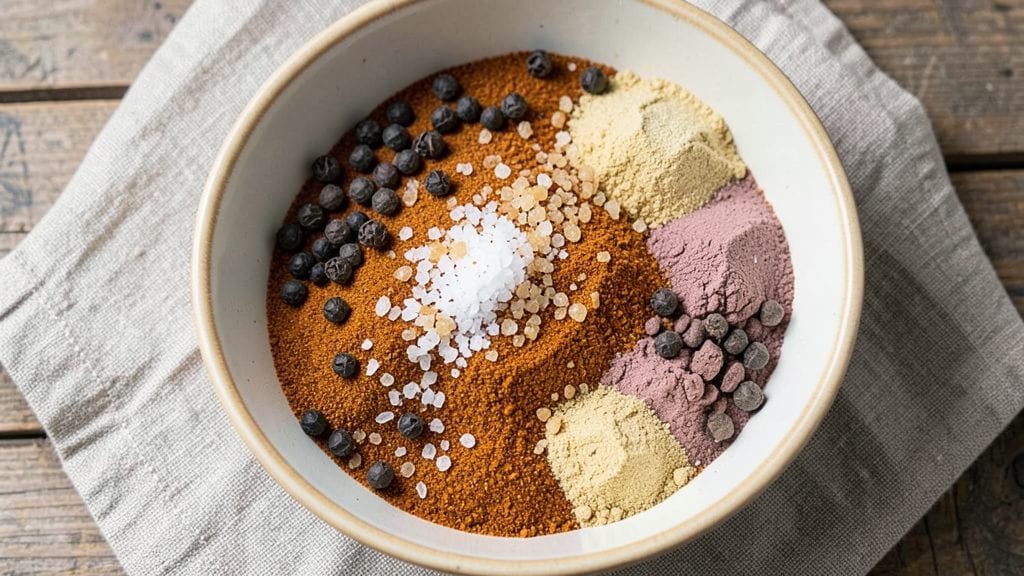
This pork loin spice rub recipe transforms ordinary roasts into bold, crispy masterpieces that rival any competition-style BBQ.
Growing up in small-town Georgia, I learned that the secret to unforgettable pork wasn't just heat—it was the perfect balance of spices that created that signature bark while keeping the meat tender inside.
The rub I developed during my apprenticeship under Master Chef Chen delivers exactly that, with a precise blend that's become my signature at Atlanta's The Smoky Pig.
The magic lies in the combination of sweet paprika for color and depth, coarse black pepper for heat, and just enough brown sugar to caramelize into a sticky crust.
I've refined this blend over years of cooking 2,000 pounds of pork weekly, ensuring every tablespoon delivers maximum flavor without overpowering the natural richness of the meat.
What makes this rub truly special is how it develops during cooking—starting with a fine dusting that transforms into a flavorful crust as it cooks.
What you'll achieve is pork loin with a crispy, aromatic bark that locks in juices while delivering layers of smoky, slightly sweet, and peppery flavors in every bite.
The rub works equally well for roasts, chops, or even pork tenderloin, making it my go-to for both weeknight dinners and special occasions. Once you try this blend, you'll never settle for store-bought seasonings again.
Store the mix in an airtight container for up to three months, or make a fresh batch whenever you're ready to cook. The measurements are designed for flexibility—double or halve as needed—so you can always have this professional-quality seasoning on hand.
Let's get started with the ingredients that will change how you cook pork forever.
Ingredients for pork loin spice rub
Nine spices, one perfect blend. This rub turns pork into competition-worthy masterpieces every time.
| Ingredient | Amount | Notes |
|---|---|---|
| Sweet Paprika 🌶️ | 3 tbsp | Smoked or sweet, for color and depth |
| Coarse Black Pepper 🌶️ | 2 tbsp | Freshly ground for maximum heat |
| Light Brown Sugar 🍚 | 2 tbsp | Packed, for caramelization |
| Kosher Salt 🧂 | 1 tbsp | Fine grain for even distribution |
| Garlic Powder 🧄 | 1 tbsp | Not garlic salt, for subtle flavor |
| Onion Powder 🧅 | 1 tbsp | Adds sweet depth to the rub |
| Ground Cumin 🌿 | 1 tsp | Toasted for deeper earthy notes |
| Mustard Powder 🍯 | ½ tsp | For subtle tang and complexity |
| Ground Cayenne Pepper 🔥 | ½ tsp | Adjust for heat preference |
| Ground Coriander 🌿 | ½ tsp | Bright citrusy undertones |
The paprika is your color anchor—smoked or sweet, but never the cheap stuff. Penzeys or McCormick Gourmet are my go-tos, but the bulk bins at Whole Foods work too if you're on a budget. Brown sugar should be light, not dark—it caramelizes better and won't overpower the spices. The black pepper? Freshly ground is non-negotiable. Pre-ground loses punch fast. I buy whole peppercorns and grind them myself, but if you're short on time, grab the coarse grind from the spice aisle—it's closer to fresh. For the cumin, toast your own seeds if you can: heat them in a dry pan for 30 seconds until fragrant, then grind. Game changer, trust me.
No smoked paprika? Substitute with an extra 1/2 tsp of cayenne for heat, but you'll lose that signature smoky depth. Short on brown sugar? White sugar plus a pinch of cinnamon mimics the caramelization. The mustard powder is optional but adds a subtle tang that keeps the rub from getting too sweet. If you're avoiding cayenne, reduce the heat by omitting it entirely—the coriander and cumin will still give you complexity. For storage, I keep mine in a small glass jar with a tight seal—it lasts 6 months this way. Double the batch and give some to your BBQ-loving friends. They'll thank you.
This rub develops flavor as it sits, so make it a day ahead if you can. The spices meld beautifully, and the sugar starts to break down slightly, intensifying the caramel notes. Store in an airtight container away from heat and light—three months is the sweet spot for maximum potency. For pork tenderloin, use about 1 tbsp per pound of meat. For a whole loin, that's roughly 2-3 tbsp total. Pat the meat dry first—moisture is the enemy of a good crust. Once you've used this blend, you'll never go back to store-bought seasonings again.
Why You'll Love This Recipe
- Five-Ingredient Magic: I swear by this mix—just shake, rub, and roast. No fancy prep, no measuring cups to stress over, and honestly? That’s half the battle won right there.
- Sweet Heat Balance: The brown sugar caramelizes into this perfect sticky crust while the paprika and black pepper add a smoky kick that lingers. Between us, that crispy edge with the tender inside? My go-to for when I want flavor without fuss.
- Weeknight to Weekend: Slap this on a loin for Tuesday dinner, then double the batch for weekend BBQ. Works just as well on chicken thighs or even steak—because sometimes you just need one reliable spice blend that does it all.
- Leftovers That Don’t Suck: Cook once, eat twice (or three times). The rub keeps pork juicy even reheated, and I’ll be real—those slices for sandwiches the next day? Absolute lifesaver when I’m too tired to cook.
Instructions for pork loin spice rub recipe: bold dry rub for crispy, flavor-packed roasts
Here's how to mix this bold rub that delivers perfect crispiness and deep flavor every time.
Combine the Dry Ingredients
In a medium bowl, start by adding the 3 tablespoons of sweet paprika and 2 tablespoons of coarse black pepper. These two ingredients form the flavor foundation of your rub, with the paprika providing that beautiful golden color and the pepper delivering heat. Use your fingers to break up any clumps in the paprika—this ensures an even distribution when you apply it later.
Next, add the 2 tablespoons of light brown sugar and 1 tablespoon of kosher salt. The brown sugar isn't just for sweetness—it's crucial for creating that caramelized crust on your pork loin. I like to mix these ingredients with a whisk first to break up any sugar crystals, then use a rubber spatula to fold everything together. This helps prevent any one ingredient from settling to the bottom of the bowl.
Add the Spices for Depth
Now it's time to incorporate the aromatic spices. Add 1 tablespoon of garlic powder, 1 tablespoon of onion powder, 1 teaspoon of ground cumin, 0.5 teaspoon of mustard powder, 0.5 teaspoon of ground cayenne pepper, and 0.5 teaspoon of ground coriander. Each of these spices plays a specific role—the garlic and onion powders add savory depth, the cumin brings earthy warmth, the mustard powder adds a subtle tang, the cayenne delivers heat, and the coriander provides that bright citrus note that ties everything together.
Use your fingers to thoroughly mix all the ingredients. I find this works better than a whisk for spice blends because you can feel when everything is properly incorporated. The mixture should look uniform with no visible pockets of individual spices. If you're concerned about cayenne heat, you can reduce it slightly or omit it completely—this rub is flexible enough to adapt to your preferences.
Test and Adjust the Blend
Before using your rub, it's worth doing a quick taste test. Take a small pinch between your fingers and taste it. You should notice a complex balance of smoky, sweet, spicy, and savory flavors. If you find it needs more sweetness, add a pinch more of the brown sugar. If it needs more heat, add a tiny bit more cayenne. This adjustment ensures your rub will work perfectly with your pork loin.
Once you're satisfied with the flavor profile, transfer the rub to an airtight container. Store it in a cool, dark place for up to 3 months, or in the refrigerator for up to 6 months to preserve freshness. The spices will mellow slightly over time, which actually enhances the flavor when applied to meat. This rub makes about 4 servings, perfect for coating a 2- to 3-pound pork loin with plenty left over for future uses.
Apply to Pork Loin for Maximum Crispiness
When you're ready to use your rub, pat the pork loin completely dry with paper towels—this is absolutely critical for achieving that crispy crust. The dry surface allows the rub to adhere properly and promotes even browning. Apply the rub generously all over the pork, pressing it firmly into the meat so it sticks. I like to use about 1 tablespoon of the rub per pound of pork, but don't be shy—this blend is flavorful enough to handle generous application.
Let the rubbed pork loin sit at room temperature for 30 minutes before cooking. This allows the rub to penetrate the outer layer of the meat slightly, ensuring maximum flavor infusion. When you're ready to cook, whether you're roasting, grilling, or smoking, the rub will create that beautiful mahogany crust that's both visually stunning and packed with flavor. The combination of brown sugar and spices will caramelize beautifully, giving you that perfect crispy exterior we're all after.
Pro Tips For Making Pork Loin Spice Rub
- PAT THE LOIN DRY: Before applying the rub, blot the pork loin with paper towels—seriously, don’t skip this. Wet surfaces prevent the spices from sticking, and you’ll end up with a weak, patchy crust instead of that deep, caramelized flavor you’re after.
- SWEAT THE GARLIC FIRST: Toast the garlic powder in a dry pan for 30 seconds until it smells nutty—this removes the raw bite and adds depth. Sprinkle it over the rub while it’s still warm; the heat activates the oils in the paprika and brown sugar for a richer taste.
- SALT IN LAYERS: Don’t dump all the kosher salt at once. Apply half before searing, then add the rest after the rub sticks. This keeps the meat juicy while letting the spices penetrate evenly—over-salting upfront can draw out too much moisture too fast.
- REST UNDER FOIL: After cooking, tent the pork loin with foil and let it sit for 10 minutes. This traps steam and keeps the crust intact while the juices redistribute—cutting into it too soon turns that perfect rub into a sad, dry mess. (Yes, even if you’re impatient.)
Troubleshooting this recipe
Uneven Rub Distribution
If your rub clumps or doesn't stick to the pork, you're likely dealing with moisture. Always pat your pork loin completely dry with paper towels before applying—this is non-negotiable for a crispy crust.
For stubborn clumps in the rub itself, I recommend using a food processor for 10-15 seconds to break them down. The key is to press the rub firmly into the meat, especially in crevices.
For extra adhesion, let the rubbed pork rest at room temperature for 30 minutes before cooking—this gives the spices time to bond with the surface. 💡
Bland or Weak Flavor
A weak flavor profile usually means your rub needs more development time. Make the rub 24 hours ahead if possible—this lets the spices meld and the sugar start caramelizing slightly.
For immediate results, toast the spices separately: heat cumin and coriander in a dry pan for 30 seconds until fragrant, then cool before mixing. If your pork tastes flat after cooking, increase the rub quantity to 1.5 tablespoons per pound of meat.
I also recommend searing the pork over high heat for 2-3 minutes per side before finishing with your preferred cooking method—this intensifies the crust. 🔥
Excessive Heat or Burnt Crust
Too much cayenne or high heat can overpower the pork. For milder heat, reduce the cayenne to ¼ teaspoon or omit it entirely. If your crust burns before the meat cooks through, lower your oven temperature by 25°F and add ½ cup apple juice to the pan to create steam.
For grilling, move the pork to indirect heat once the rub starts caramelizing. I've also had success with a two-stage cook: sear the pork over high heat for 2 minutes per side, then finish at 325°F until internal temp reaches 145°F.
This balances crust development with doneness. 🌶️
Rub Losing Potency
Spices lose their punch over time, especially in humid climates. Store your rub in an airtight glass jar in a cool, dark place—this preserves freshness for up to 6 months. For maximum potency, make fresh rub whenever possible, especially if you notice a dull flavor.
If your rub tastes weak, revive it by adding ½ teaspoon of smoked paprika and ¼ teaspoon of freshly ground black pepper. I keep a small jar of whole spices in my pantry and grind fresh whenever I notice the pre-ground versions losing their edge. 💫
Pork Staying Too Moist
If your pork loin ends up soggy, the issue is likely overcrowding or insufficient drying time. Always cook pork loin uncovered in the oven or on the grill to allow moisture to evaporate.
For roasting, I recommend starting at 425°F for 10 minutes to blister the crust, then reducing to 350°F until done. For grilling, avoid covering with foil until the last 15 minutes of cook time.
If your pork feels moist after cooking, let it rest 10-15 minutes before slicing—this allows juices to redistribute. For extra crispiness, brush the pork with 1 tablespoon of melted butter before applying the rub. 💪
Nutrition facts
Frequently asked questions
Can I use this rub on other meats besides pork loin?
This versatile spice blend works beautifully on pork chops, pork tenderloin, and even chicken thighs. For beef, reduce the cayenne by half to avoid overpowering the meat. I've used it successfully on lamb chops too—just cut the brown sugar to 1 tablespoon to prevent excessive sweetness. The key is adjusting the quantity: use 1 tablespoon per pound for poultry and ½ tablespoon per pound for beef cuts.
How do I store leftover rub after making it?
Transfer the rub to an airtight glass container and store it in a cool, dark pantry for up to 3 months. For longer storage, refrigerate for up to 6 months. The spices will mellow slightly over time, which actually enhances the flavor when applied to meat. I keep mine in a small amber jar to protect it from light. If you notice the rub losing potency, revive it by adding ½ teaspoon of smoked paprika and ¼ teaspoon of freshly ground black pepper.
Can I make this rub without cayenne pepper?
Yes! Simply omit the cayenne entirely or replace it with ½ teaspoon of ground allspice for warmth without heat. The rub will still deliver excellent flavor with the remaining spices. If you want to maintain some heat, use ½ teaspoon of ground white pepper instead—it's milder but still adds depth. The brown sugar and paprika will continue to create that beautiful caramelized crust.
What's the best way to apply the rub for maximum flavor?
Pat your pork loin completely dry with paper towels first—this is critical for adhesion. Apply the rub generously, pressing it firmly into all sides, especially crevices. For extra flavor penetration, let the rubbed pork rest at room temperature for 30 minutes before cooking. I recommend using about 1 tablespoon of rub per pound of meat. For competition-style results, apply a second coat after the initial sear. The key is patience—let the rub develop its crust during cooking.
Why does my rub sometimes clump together?
Clumping usually happens when moisture gets into the spices. Always store your rub in a completely dry container, and use a food processor for 10-15 seconds to break up any clumps before using. For extra prevention, add ½ teaspoon of cornstarch to the mix when storing. If you notice clumping on the pork itself, gently press the rub into the meat rather than rubbing it—this prevents the spices from falling off. The brown sugar in this blend is particularly prone to clumping, so mix it thoroughly with the other dry ingredients first.