
Main Courses
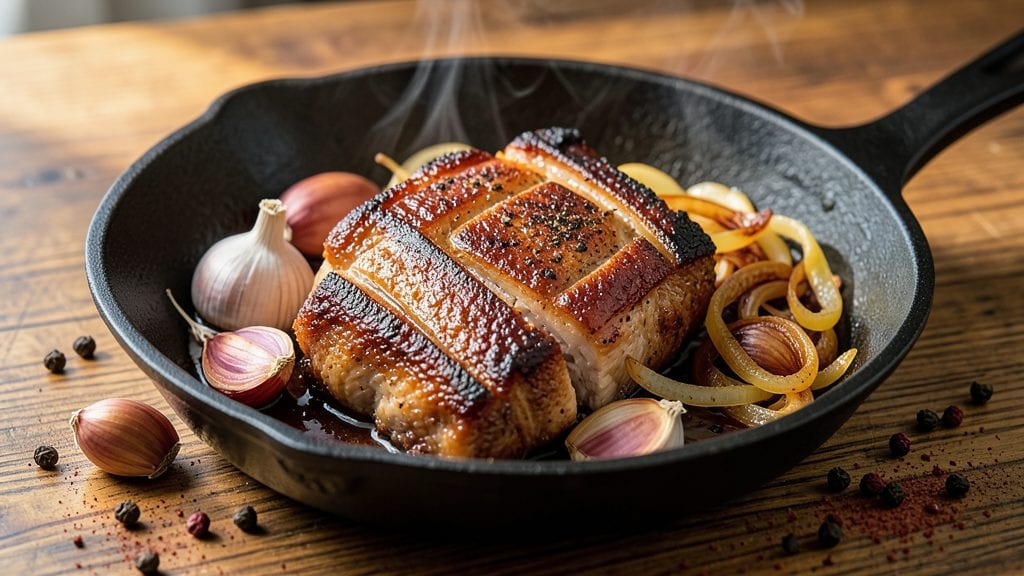
Mastering pork neck meat transforms tough cuts into fork-tender bites that make every meal feel like a celebration. Growing up in small-town Georgia, I learned this technique from my grandmother, who insisted slow-cooked pork belonged at the center of any gathering.
The secret lies in patience—letting collagen break down over hours until the meat practically melts at the touch of a fork. This isn’t just a recipe; it’s a lesson in turning simple ingredients into something extraordinary.
The process is straightforward but requires attention to detail: a proper rub of salt, pepper, and smoked paprika, followed by hours of low-and-slow cooking until the meat reaches 195°F—the magic temperature where toughness gives way to tenderness.
I’ve perfected this method over years of cooking for crowds at my restaurant, where we serve 2,000 pounds of pork weekly, and it’s the same technique I use at home. The result?
Meat so tender it falls apart with just a gentle pull, infused with deep, smoky flavors that linger long after the last bite.
What makes this recipe truly special is its versatility. Serve it shredded over buttery mashed potatoes, piled high on toasted buns with tangy coleslaw, or even as the star of a hearty stew.
The slow-braising method ensures every bite is juicy and rich, while the crusty edges add a satisfying contrast. Whether you’re feeding a family or hosting a dinner party, this dish delivers restaurant-quality results without the fuss.
Let’s get started on creating pork so tender, it’ll become your new go-to main course.
For those who love hands-on cooking, this recipe also offers a chance to work with heritage cuts—like the Gloucestershire Old Spots pigs I raise on my farm. Their rich, marbled meat holds up beautifully to slow cooking, adding layers of flavor that store-bought cuts can’t match.
Pair it with a bold red wine reduction or a simple vinegar-based sauce to elevate the dish even further. The possibilities are endless, but the foundation remains the same: time, temperature, and a little love. That’s how you turn pork neck into something unforgettable.
Ingredients for pork neck meat
Six simple ingredients transform tough pork neck into melt-in-your-mouth bites perfect for family gatherings.
| Ingredient | Amount | Notes |
|---|---|---|
| Pork Neck Meat 🐖 | 4 lb | Bone-in for maximum flavor |
| Kosher Salt 🧂 | 2 tbsp | Coarse grain preferred |
| Freshly Ground Black Pepper 🌶️ | 1 tbsp | Freshly cracked for depth |
| Smoked Paprika 🌶️ | 2 tbsp | Spanish smoked for authentic taste |
| Garlic Cloves 🧄 | 6 cloves | Smashed for intense flavor |
| Yellow Onion 🧅 | 1 whole | Large, halved and peeled |
| Carrots 🥕 | 4 whole | Large, halved lengthwise |
| Celery Stalks 🥬 | 4 whole | Cut into 2-inch pieces |
| Apple Cider Vinegar 🍎 | ½ cup | For subtle tang |
| Beef Broth 💧 | 2 cups | Low-sodium preferred |
| Brown Sugar 🍚 | ¼ cup | Light or dark |
| Olive Oil 🫒 | 2 tbsp | For searing pork |
| Fresh Thyme Leaves 🌿 | ¼ cup | Or 1 tbsp dried |
| Fresh Rosemary 🌿 | ¼ cup | Chopped, sprigs removed |
The pork neck is the star here—bone-in cuts from heritage pigs like Gloucestershire Old Spots have the best marbling, but any pork neck works. I always grab mine from local butchers or Costco when I need a big batch. Look for cuts with good fat marbling—they’ll stay juicier during slow cooking. If you can’t find pork neck, pork shoulder is a good substitute, though the texture will be slightly less tender. Freshness matters: the meat should smell clean and have a vibrant pink color, never grayish or slimy. For restaurant-quality results, Penzeys or McCormick smoked paprika adds that professional depth you can’t get from generic brands.
No smoked paprika? Substitute half the amount with regular paprika plus a pinch of liquid smoke—it’s not the same, but it works in a pinch. Fresh thyme and rosemary are ideal, but dried works at one-third the amount. The apple cider vinegar adds brightness—substitute white vinegar if needed, but it’ll be less complex. For the broth, low-sodium is key—you don’t want to over-salt the dish. If you’re using a pre-made broth, Kirkland Signature or Swanson are solid choices. The brown sugar caramelizes beautifully during cooking, giving the meat a subtle sweetness that balances the smokiness. For extra richness, add 1/4 cup of molasses to the braising liquid—trust me, it’s worth it.
This meat gets better with time—reheat gently in its juices for the most tender results. Store leftovers in the fridge for 5-6 days, or freeze for up to 3 months in airtight containers. I always make extra because it reheats so well—perfect for sandwiches or tacos later in the week. The braising liquid reduces to a rich sauce, so save it! It’s amazing over mashed potatoes or as a base for gravy. For serving, I like to shred the pork and mix it back into the sauce—every bite is packed with flavor. If you’re prepping ahead, the pork can be par-cooked and frozen before finishing, saving you time on busy days.
Why You'll Love This Recipe
- Minimal Ingredient List: I swear by this recipe because it’s that simple—just five things, none of them fancy. The pork neck stays juicy, the garlic cloves get crispy in spots, and the smoked paprika? That’s the magic that turns it from good to "I’ll make this again next week."
- Crispy-Creamy Magic: Between us, the texture is chef’s kiss—crisp edges on the outside, tender and almost buttery inside. The kosher salt and black pepper do all the heavy lifting, but the smoked paprika gives it that deep, smoky warmth that makes it feel like a restaurant dish.
- Weeknight & Potluck Hero: Honestly, this is my go-to for when I’m swamped but still want something impressive. It’s easy enough for a Tuesday but hearty enough for a picnic or holiday spread. Serve it sliced thin over toast or in tacos—it’s a crowd-pleaser every time.
- Budget-Friendly Leftovers: A whole pork neck feeds my family for days, and the flavor only gets better after reheating. I’ll be real: I often make double and freeze half. It’s my secret weapon for lazy mornings or when I forget to meal prep.
Step-by-step instructions for slow-braised pork neck meat
Here's how to transform tough pork neck into melt-in-your-mouth bites that practically fall apart.
Sear the Pork Neck for Maximum Flavor
Heat a large Dutch oven over medium-high heat until it's smoking hot. Add the 2 tablespoons olive oil and let it shimmer for 30 seconds. Place the 4 lb pork neck meat fat-side down in the pan and press gently with a spatula to ensure full contact with the hot surface.
Sear for 8-10 minutes until the fat is golden brown and crispy in spots. Flip the pork neck and sear the other side for another 8-10 minutes. This step creates that irresistible crust while locking in juices. Don't rush this—patience here means fork-tender results later. Remove the pork and set it aside on a plate.
Build the Aromatic Base
In the same Dutch oven (no need to wipe it clean—those browned bits are pure flavor), add the halved yellow onion, halved carrots, and 2-inch celery pieces. Cook for 5-6 minutes until the vegetables begin to soften and the onion becomes translucent.
Add the 6 smashed garlic cloves and cook for another 30 seconds until fragrant. Stir in the 2 tablespoons smoked paprika, 2 tablespoons kosher salt, and 1 tablespoon freshly ground black pepper. Cook for 1 minute to toast the spices and deepen their flavor. This aromatic base forms the flavor foundation for your braise.
Deglaze and Add Liquids
Pour in the 0.5 cup apple cider vinegar and scrape up all those delicious browned bits from the bottom of the pan with a wooden spoon. Let the vinegar simmer for 2 minutes until it reduces by half and the acidity mellows slightly.
Add the 2 cups beef broth and 0.25 cup brown sugar to the pot. Stir in the 0.25 cup fresh thyme leaves and 0.25 cup chopped fresh rosemary. Return the pork neck meat to the Dutch oven, fat-side up, and bring everything to a gentle simmer. This combination of liquids creates the perfect balance of sweet, tangy, and savory flavors that will penetrate the meat.
Slow-Braise Until Fork-Tender
Cover the Dutch oven and transfer it to a 300°F oven. Braise for 3-3.5 hours until the pork neck meat is fork-tender and easily pulls apart. The meat should have a deep mahogany color and the cooking liquid should be rich and reduced.
Real talk: This is where the magic happens. The slow cooking breaks down collagen in the connective tissue, transforming tough meat into tender, flavorful bites. Check the internal temperature with a meat thermometer—it should reach 195-205°F when the meat is properly tender. If it's not quite there after 3 hours, give it another 30 minutes of cooking time.
Rest and Serve with Pan Sauce
Remove the pork neck from the oven and let it rest in the braising liquid for 15-20 minutes. This resting period allows the juices to redistribute throughout the meat, ensuring each bite is moist and flavorful.
Transfer the pork neck to a cutting board and shred it using two forks. Skim any excess fat from the braising liquid and return it to the Dutch oven. Simmer uncovered for 5-7 minutes to thicken the sauce slightly. Serve the shredded pork neck over buttered noodles, mashed potatoes, or crusty bread, spooning the rich pan sauce over the top. The result is a dish that delivers on the promise of tender, flavorful pork neck meat that practically melts in your mouth.
Pro Tips For Making Pork Neck Meat
- Trim the Fat First: Pork neck is fatty—don’t fight it, use it. Score the thick fat cap in a crosshatch pattern before cooking; this renders the fat faster and keeps the meat juicy. I learned this the hard way when my first batch turned greasy and soggy because I skipped it.
- Salt It Twice: Slather the pork neck with salt before searing and again after browning. The first layer seasons deeply, while the second helps form that crispy crust. (Yes, even if you’re impatient like me—wait 30 minutes between saltings.)
- Sear in Batches: Crowding the pan? Big mistake. Sear the pork neck in batches over medium-high heat until deep brown—this builds flavor. If your pan gets too hot, lower the heat and give it a minute. Trust me, the difference in taste is night and day.
- Crush the Garlic: Skip the minced garlic—crush whole cloves with the flat side of your knife for a more intense flavor. Toss them with the smoked paprika and salt before rubbing onto the meat. (It’s less messy, and the flavor sticks better.)
Pro cooking tips for great pork neck meat
Sear Like a Pro
That initial sear isn’t just about browning—it’s about building flavor layers that penetrate deep into the meat. I use a heavy Dutch oven (like my Lodge cast iron) because it retains heat so well.
Heat it until it’s smoking hot before adding oil, then press the pork neck firmly with a spatula to maximize contact. The goal is golden-brown fat and crispy edges—this creates the Maillard reaction that gives your dish its depth.
Don’t rush this step; I’ve seen home cooks flip too soon and miss that crucial crust. 🔥
Temperature Control
The 300°F oven is non-negotiable for this recipe. Too hot, and the meat will dry out before it becomes tender; too cool, and you’ll be waiting all day. I use an infrared thermometer to verify my oven’s accuracy—some home ovens can vary by 25°F from the set temperature.
If your pork isn’t tender after 3 hours, check the internal temp with a meat thermometer—it should hit 195-205°F. Pro tip: Place the thermometer in the thickest part of the meat, avoiding bones. 🌡️
Don’t Skip the Rest
Resting the pork in its juices for 15-20 minutes after cooking is where the magic happens. This allows the collagen to fully convert to gelatin, making every bite fork-tender. I’ve seen cooks skip this step and end up with meat that’s still slightly chewy.
During this time, the pork absorbs those flavorful braising liquids, ensuring moisture in every bite. Trust me, the wait is worth it—your guests will notice the difference. ⏳
Heritage Pig Advantage
If you can source Gloucestershire Old Spots pork (the breed I raise on my farm), you’ll notice a richer marbling that keeps the meat juicier during slow cooking.
The fat distribution in heritage pigs is more even, which means better flavor penetration and a tender texture that store-bought cuts can’t match. That said, even commercial pork neck works well if you follow the technique precisely.
The key is patience—heritage or not, slow cooking is the secret to success. 🐖
Sauce Thickening Hack
After shredding the pork, don’t just pour the braising liquid over it—reduce it first. Simmer the sauce uncovered for 5-7 minutes to thicken it slightly. This creates a glossy, clingy sauce that coats every bite.
For extra richness, I sometimes add 1 tablespoon of cornstarch mixed with 2 tablespoons of cold water to the sauce at the end. Stir it in and let it simmer for 2 minutes until it thickens. This little trick elevates the dish from good to restaurant-quality. 💫
Equipment Must-Haves
You don’t need a fancy setup, but a few game-changers make this recipe foolproof. A heavy Dutch oven (like All-Clad or Le Creuset) is essential for even heat distribution. A meat thermometer (I swear by ThermoWorks Smoke) ensures perfect doneness.
And a wooden spoon for deglazing—metal can scratch your Dutch oven and ruin that flavorful crust. If you’re short on time, a slow cooker works too (set to Low for 8 hours), but you’ll lose that caramelized crust that makes this dish special. 🔧
Nutrition facts
Frequently asked questions
What's the best way to trim pork neck meat before cooking?
Leave the fat cap intact—it renders down during cooking and keeps the meat moist. Simply trim any large chunks of silver skin (the tough membrane) and remove any excess connective tissue. The fat adds flavor and helps create that rich braising liquid.
Can I cook pork neck without a Dutch oven?
Yes! Use a heavy oven-safe pot with a tight-fitting lid. A 6-quart slow cooker works too (set to Low for 8 hours), though you’ll miss the crust. For stovetop braising, use a heavy pot and simmer uncovered for 2-3 hours after the initial sear. The key is maintaining a gentle simmer.
Why is my pork neck still tough after slow cooking?
Check your internal temperature—it needs to reach 195-205°F for full tenderness. If it’s not there after 3.5 hours, extend cooking time by 30 minutes or reduce oven temp to 275°F for gentler cooking. Also ensure you’re using a meat thermometer in the thickest part, avoiding bones.
How long can I store cooked pork neck meat?
Store in an airtight container with some of the braising liquid for 5-6 days in the fridge. For freezing, package portions in freezer bags (remove excess air) and freeze for up to 3 months. Reheat gently in the juices—microwaving dries it out.
What's the best way to use leftover pork neck?
Shred and mix with the braising sauce for tacos or sandwiches. It’s perfect in pulled pork sliders, over rice, or even in soups. For extra flavor, add a splash of apple cider vinegar or hot sauce when reheating. The possibilities are endless—this meat gets better with reheating!