
Main Courses
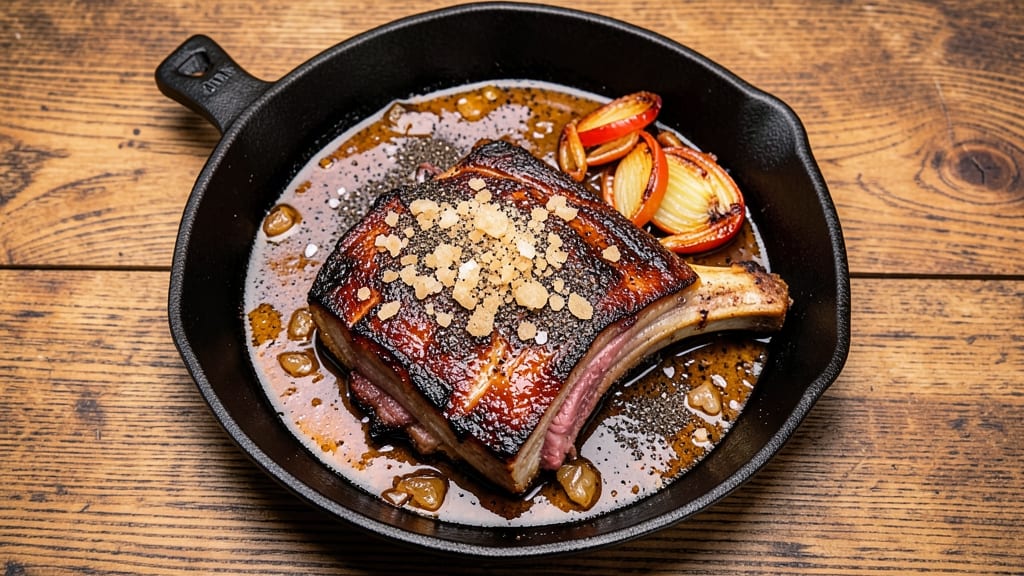
Mastering pork rib brisket bone transforms tough cuts into melt-in-your-mouth tenderness, and this Dutch oven method delivers restaurant-quality results at home. Growing up in small-town Georgia, I learned that slow-cooked pork connects families—its rich, smoky aroma turning ordinary meals into celebrations.
The key lies in patience and precision: a proper dry rub, low-and-slow cooking, and that critical internal temperature of 195°F where collagen dissolves into velvety perfection.
This recipe preserves the bone-in tradition that enhances flavor, using a simple yet effective seasoning blend of brown sugar, smoked paprika, and black pepper. The Dutch oven creates a self-basting environment, ensuring every bite stays juicy while developing a caramelized crust.
Unlike commercial cuts, heritage pork brisket bones deliver deeper flavor and texture—something you simply can't replicate with pre-packaged alternatives.
By the time you pull this brisket from the oven, it will fall apart at the touch, revealing tender meat clinging to every bone. The smoky-sweet glaze caramelizes beautifully, creating a sauce that pools in the pan for serving.
This dish isn't just about technique—it's about recreating that soul-warming experience of a Sunday supper where the centerpiece is pork so tender it melts between your fingers.
Serve with classic Southern sides like buttery cornbread or tangy coleslaw to complete the meal. The leftovers reheat beautifully, making this perfect for meal prep or gatherings. Let's bring that Georgia tradition to your kitchen—where every bite tells a story of time, care, and heritage cooking.
Ingredients for pork rib brisket bone
Heritage pork brisket bones transform into melt-in-your-mouth magic with these 13 ingredients.
| Ingredient | Amount | Notes |
|---|---|---|
| Pork Rib Brisket Bone 🍖 | 4 lb | Bone-in, heritage cut preferred |
| Light Brown Sugar 🍯 | ½ cup | Packed, turbinado preferred |
| Smoked Paprika 🌶️ | 2 tbsp | High-quality, not cayenne |
| Coarsely Ground Black Pepper 🌶️ | 1 ½ tbsp | Freshly cracked preferred |
| Diamond Crystal Kosher Salt 🧂 | 1 ½ tbsp | Coarse grain preferred |
| Yellow Onion 🧅 | 1 whole | Yellow or red, sliced |
| Garlic Cloves 🧄 | 6 cloves | Peeled, smashed |
| Apple Cider Vinegar 🍏 | ¼ cup | For tangy depth |
| Unsalted Butter 🧈 | ½ cup | Cold, cubed |
| Heavy Cream 🥛 | ½ cup | Full-fat for richness |
| Fresh Thyme Leaves 🌿 | ¼ cup | Or 1 tbsp dried |
| Dutch Oven 🍲 | 1 whole | Heavy, 5-7 quart |
| Beef Broth 💧 | 1 cup | Low-sodium preferred |
The brisket bone is non-negotiable—heritage cuts from local butchers or specialty grocers deliver the best flavor and texture. Look for cuts with good marbling and a vibrant pink color. Costco and Whole Foods often carry high-quality bone-in brisket, but if you're near a farm, ask for 'pork brisket with bone.' The bone adds depth to the flavor as it roasts, creating a rich, smoky aroma that fills your kitchen. For the dry rub, Penzeys or Spicewalla carry premium smoked paprika that elevates the dish—avoid the cayenne-laced varieties. Fresh thyme is ideal, but dried works at one-third the amount, so grab a small jar if fresh isn't available.
No smoked paprika? Substitute half with regular paprika and a pinch of liquid smoke—it won’t be identical, but it’ll get you close. Short on apple cider vinegar? White vinegar or lemon juice works in a pinch, though the flavor profile shifts slightly. For the butter, European-style unsalted butter like Plugrá or President melts beautifully, but any good-quality butter will do. The heavy cream can be swapped for half-and-half or whole milk, though the sauce won’t be as rich. If you’re avoiding sugar, reduce the brown sugar to 2 tbsp and add 1 tbsp of maple syrup for depth. The beef broth can be homemade or a high-quality low-sodium store-bought variety—Kitchen Basics or Pacific Foods are solid choices.
This brisket reheats like a dream—350°F for 20-30 minutes until warmed through, with a splash of broth or water to keep it moist. Store leftovers in the fridge for 4-5 days, covered tightly to preserve moisture. For longer storage, freeze portions in airtight containers for up to 3 months. The bones and meat separate beautifully when reheated, making it perfect for sandwiches or serving over rice. I always make extra—it’s the kind of dish that tastes even better the second day, when the flavors have had time to meld.
Why You'll Love This Recipe
- Five-Ingredient Magic: That’s all it takes—just the brisket, brown sugar, smoked paprika, and a pinch of salt. Honestly, I’ve made this while scrolling through my phone because there’s no fancy prep, just a quick rub and a slow cook.
- Smoky-Sweet Obsession: The brown sugar caramelizes into a sticky glaze while the smoked paprika adds that deep, smoldering warmth. Between us, the first bite makes you question why you ever bought pre-marinated ribs.
- Leftovers That Don’t Suck: This recipe actually improves the next day—tender, sticky, and perfect for sandwiches or reheated with a splash of broth. I’ve fed a houseful with just one brisket, and no one complained.
- Budget Crowd-Pleaser: A single brisket bone stretches to feed four or even six if you’re stretching portions. It’s the kind of meal where everyone asks for seconds, and your wallet stays happy. (Yes, even on a Tuesday night.)
Step-by-step instructions for smoky-sweet pork rib brisket
Here's how to transform a tough cut into melt-in-your-mouth perfection using just your Dutch oven.
Prepare the Brisket with Dry Rub
Begin by patting the 4 lb pork rib brisket bone completely dry with paper towels—this ensures maximum crispiness later. In a small bowl, whisk together the 0.5 cup light brown sugar, 2 tbsp smoked paprika, 1.5 tbsp coarsely ground black pepper, and 1.5 tbsp diamond crystal kosher salt until fully combined. This dry rub creates a perfect balance of sweetness and smokiness.
Generously coat the brisket on all sides with the rub, pressing it firmly into the meat so it adheres well. Place the brisket on a wire rack set over a baking sheet and refrigerate uncovered for at least 1 hour (or up to 12 hours for deeper flavor penetration). The sugar will begin caramelizing slightly, forming a sticky crust that locks in moisture during cooking.
Sear and Deglaze the Brisket
Preheat your Dutch oven over medium-high heat until very hot. Add the brisket fat-side down and sear undisturbed for 8-10 minutes until deeply browned and crispy. Flip and sear the other side for another 6-8 minutes, basting occasionally with the rendered fat. This step develops the rich, caramelized crust that makes this dish irresistible.
Remove the brisket and set it aside. Add the sliced yellow onion and 6 smashed garlic cloves to the Dutch oven, cooking for 3-4 minutes until softened and fragrant. Pour in the 0.25 cup apple cider vinegar and scrape up all the browned bits from the bottom using a wooden spoon—this deglazing captures all the flavorful fond that would otherwise be lost.
Slow Cook with Liquid and Cream
Return the brisket to the Dutch oven and pour in the 1 cup beef broth. Bring to a simmer over medium heat, then reduce to low heat and cover. Let it cook for 2.5 hours, turning the brisket occasionally to ensure even cooking. The liquid should reduce slightly, creating a rich, flavorful sauce that tenderizes the meat.
After 2.5 hours, remove the brisket and stir the 0.5 cup heavy cream and 0.25 cup fresh thyme leaves into the cooking liquid. Return the brisket to the Dutch oven and continue cooking uncovered for another 30-45 minutes until the internal temperature reaches 195-200°F and the meat is fork-tender. The cream adds luxurious richness while the thyme infuses subtle earthy notes.
Rest and Serve with Pan Sauce
Transfer the brisket to a cutting board and tent loosely with foil. Let it rest for at least 15 minutes (or up to 30 minutes) before slicing. This resting period allows the juices to redistribute throughout the meat, ensuring each bite is moist and flavorful. The internal temperature will rise another 5-10°F during this time, guaranteeing perfect doneness.
While the brisket rests, skim off any excess fat from the Dutch oven sauce and reduce it over medium heat until slightly thickened. Slice the brisket against the grain into ¼-inch thick pieces and serve with the pan sauce spooned generously over the top. The result is a dish that's tender, smoky, and sweet with a velvety sauce that ties everything together perfectly.
Pro Tips For Making Pork Rib Brisket Bone
- Trim the Fat First: Cut away the thick silver skin and any excess fat from the brisket bone before seasoning—it’s the only way the rub will stick properly. I learned this the hard way when my first batch looked like it was coated in dust instead of flavor.
- Salt in Layers: Don’t just dump the kosher salt all at once. After the initial dry rub, sprinkle a fresh pinch of salt and a light dusting of smoked paprika over the meat every 30 minutes while it rests. This keeps the crust from getting clumpy and builds deeper flavor.
- Skip the Crowding: If you’re searing in a pan, resist the urge to stack the brisket bones—even if they’re big. Cook them in a single layer over medium-high heat until they develop a deep brown crust, or you’ll end up with steam instead of caramelization. (Yes, it takes longer, but it’s worth it.)
- Brown Sugar Last: Save the light brown sugar for the final 5 minutes of cooking, not the start. Sprinkle it on after the meat has already seared—it’ll caramelize into a sticky glaze instead of burning into bitter bits. (Trust me, I’ve ruined a batch by adding it too early.)
Regional styles of pork rib brisket bone
Georgia Smoky Style
In my Georgia roots, we slow-cook pork brisket bones in cast iron until they practically fall apart—just like my grandma taught me. The secret? A dry rub of brown sugar, smoked paprika, and black pepper, then braising in a Dutch oven with apple cider vinegar for tangy depth.
I always add a splash of bourbon (about 2 tbsp) for that Southern touch—it caramelizes beautifully during cooking. Serve with cornbread and pickled okra for the full Georgia experience. 🍖
Charleston Low-Country Twist
Charleston chefs elevate brisket with shrimp stock instead of beef broth, giving it a briny, coastal flavor. I swap the heavy cream for half-and-half and finish with 1 tbsp hot honey for a touch of sweetness.
Add 1 bay leaf during braising for aromatic depth. This version pairs perfectly with she-crab soup—a true Lowcountry combo. The bones become so tender they crumble at the touch, making it ideal for sandwiches. 🌊
Texas-Style Brisket Bone
While Texas is famous for beef brisket, pork brisket bones shine with mesquite wood chips (soak 10 chips in water for 30 minutes before adding to the Dutch oven). Use chopped onions, garlic, and a splash of beer (like Shiner Bock) for the braising liquid.
The result? A smoky, slightly bitter edge that balances the sweetness. Serve with white bread and sliced jalapeños for heat. This method works best in a heavy cast iron skillet if you don’t have a Dutch oven. 🔥
Carolina Vinegar Braise
In the Carolinas, we love white vinegar for its sharpness—it cuts through the richness of the pork beautifully. After searing, deglaze with ½ cup white vinegar and add 1 tbsp brown sugar to balance. Simmer uncovered for 3 hours until the sauce reduces to a glossy glaze.
The vinegar also helps tenderize the meat faster. Garnish with fresh parsley and serve with buttermilk biscuits for dipping. This method is my go-to for quick weeknight dinners. 🍯
Heritage Pig Farm Adaptation
When I use my Gloucestershire Old Spots pork from my farm, the brisket bones are leaner but packed with flavor. To compensate, I add 2 tbsp olive oil to the Dutch oven before searing and use chicken broth instead of beef for a lighter base.
The bones infuse the broth with richness, so I reduce it longer—45 minutes uncovered—to concentrate the flavors. This version is lighter but just as tender, perfect for health-conscious eaters. 🐷
Modern Smoker Adaptation
For those with pellet smokers, transfer the seared brisket to a pellet grill at 225°F after the Dutch oven phase. Smoke for 1.5 hours with hickory pellets, then finish in the oven at 350°F until 195°F internal.
The smoker adds a deeper woodiness that pairs well with apple cider glaze brushed on during the last 30 minutes. This hybrid method keeps the Dutch oven’s tenderness while adding smoky complexity. 🌳
Nutrition facts
Frequently asked questions
Why does the recipe specify bone-in pork brisket?
The bone adds incredible depth of flavor as it roasts, infusing the meat with rich, savory notes. Unlike boneless cuts, the bone helps retain moisture and creates a more complex taste profile—something you simply can't replicate with pre-boned brisket. Heritage cuts with bones also tend to be more flavorful and tender.
Can I substitute the Dutch oven for another cookware?
Yes, but choose wisely! A heavy cast iron skillet or oven-safe Dutch oven substitute works well, though you may need to add 1 extra cup of liquid to prevent burning. Avoid thin, lightweight pans—they won't distribute heat evenly, leading to uneven cooking. For pellet smokers, transfer the seared brisket to 225°F after Dutch oven prep.
How do I know when the brisket is fully tender?
Use a meat thermometer—the internal temperature should reach 195-200°F in the thickest part. The meat should also pull away from the bone easily and feel fork-tender. If it's not quite there after 3 hours, add 15 more minutes covered. The resting time (15-30 minutes) is crucial for juiciness.
What's the best way to reheat leftovers?
Reheat in a 350°F oven for 20-30 minutes with a splash of beef broth or water to keep it moist. Microwaving works in a pinch (covered for 1-2 minutes), but oven reheating preserves texture better. Leftovers stay delicious for 4-5 days refrigerated or 3 months frozen.
Can I make this recipe without smoked paprika?
Yes! Mix 1 tbsp regular paprika with ½ tsp liquid smoke for a similar effect. For extra depth, add ½ tsp ground coriander or 1 tsp onion powder. The flavor won't be identical, but it'll still taste delicious. If you're avoiding sugar, reduce brown sugar to 2 tbsp and add 1 tbsp maple syrup instead.