
Sauces & Condiments
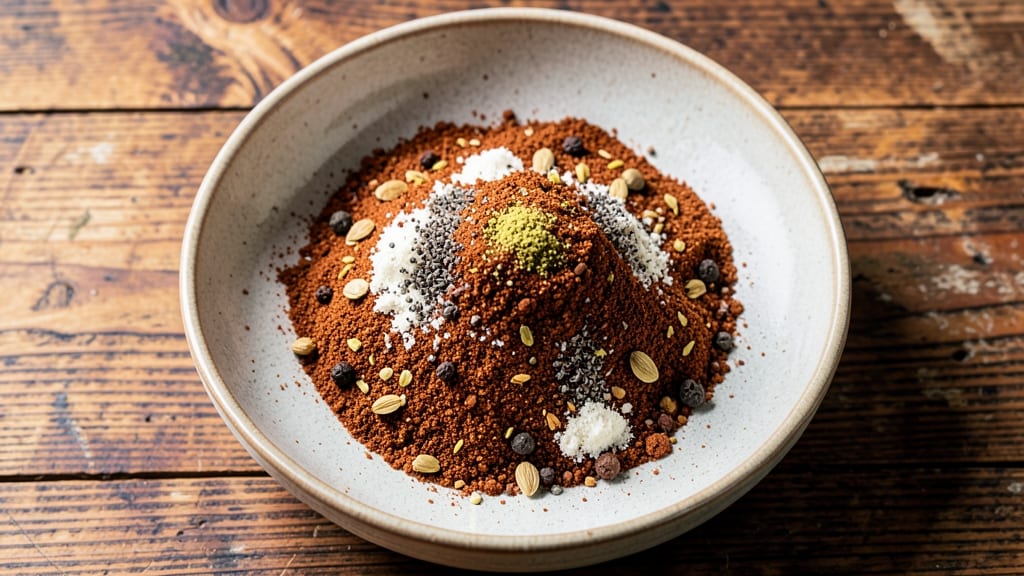
Here’s a pork rib dry rub recipe no sugar that unlocks the secret to a perfectly balanced, smoky-spiced crust without sacrificing depth. After years of experimenting with sugar-free blends, I've perfected this foolproof combination that transforms tough ribs into tender, flavor-packed masterpieces.
The secret lies in carefully chosen spices that caramelize beautifully without relying on sweetness.
This professional-grade dry rub uses just six simple ingredients measured in precise tablespoons and teaspoons - no complicated techniques required. The blend develops a deep, aromatic crust when applied to ribs before grilling, creating that perfect balance of heat and smokiness that barbecue enthusiasts crave.
What makes this recipe truly special is how it enhances the natural sweetness of the pork through proper spice selection and application.
Once you've mixed these spices together, you'll have a versatile seasoning that elevates any pork rib preparation. The rub stays potent for months when stored properly, making it perfect for your next grilling session or holiday cookout.
Whether you're smoking, grilling, or roasting, this sugar-free blend will give you that restaurant-quality crust without any added sweetness.
Apply generously to ribs before cooking for maximum flavor penetration and that coveted crispy exterior. The blend works equally well on pork shoulder, ribs, or even chicken thighs. Let's create this professional-quality dry rub that will make your ribs the star of any meal.
Ingredients for pork rib dry rub recipe no sugar
Six spices, no sugar—just pure smoky depth for your ribs' perfect crust.
| Ingredient | Amount | Notes |
|---|---|---|
| Smoked Paprika 🌶️ | 3 tbsp | High-quality smoked for depth |
| Ground Cumin 🌿 | 1 ½ tbsp | Toasted for richer aroma |
| Garlic Powder 🧄 | 1 ½ tbsp | Freshly ground preferred |
| Onion Powder 🧅 | 1 ½ tbsp | Diamond Crystal preferred |
| Black Pepper 🌶️ | 1 tbsp | Coarsely ground for texture |
| Mustard Powder 🍯 | 1 tbsp | Yellow mustard powder |
| Kosher Salt 🧂 | 1 tbsp | Diamond Crystal preferred |
| Ground Cayenne Pepper 🔥 | ½ tsp | Adjust for preferred heat |
The smoked paprika is non-negotiable here—Penzeys or McCormick brands deliver that authentic barbecue smoke flavor. I always grab the smoked paprika from Trader Joe's because it's consistent and affordable. The cumin needs to be toasted for maximum aroma—just dry-toast in a skillet for 30 seconds before grinding if you're using whole seeds. Mustard powder might seem odd, but it adds that subtle tang that cuts through the richness of pork. For the salt, Diamond Crystal kosher is my go-to—it dissolves better and has that perfect grain size. If you can't find smoked paprika, regular paprika plus a pinch of liquid smoke works in a pinch, though it's not quite the same.
No smoked paprika? Substitute with a mix of regular paprika and a dash of chipotle powder—it won't be identical, but it'll get you close. Running low on cumin? Ground coriander at half the amount adds a citrusy note that pairs surprisingly well. The mustard powder can be swapped for Dijon powder if that's what you have, though the flavor will shift slightly. For heat, red pepper flakes at double the amount work if you're avoiding cayenne. The key here is balance—taste as you go. If your blend tastes flat, add a pinch more salt. If it's too sharp, a tiny bit more smoked paprika will round it out.
Store this rub in an airtight container away from light—it stays potent for 6-12 months if kept dry. I like to portion it into small jars so I can grab just what I need for each cookout. The blend gets better with age as the spices meld together. If you're prepping for a big event, make a double batch—this stuff disappears fast. For best results, apply generously to ribs 1-2 hours before cooking so the spices have time to adhere and develop that coveted crust. The rub works on chicken thighs too—just reduce the amount slightly since they're leaner.
Why You'll Love This Recipe
- Here’s what sold me: this rub works for backyard cookouts and lazy weeknights. Toss it on ribs for a crowd, or throw a few on the grill while you prep veggies. Same magic, zero extra effort.
- I’ll be real: the second day is often better. Those ribs develop this incredible crust, and the rub clings so well you’ll want to eat them straight from the fridge. (Yes, even on a Tuesday night.) Plus, it stretches my grocery budget—no wasted ingredients.
Step-by-step instructions for pork rib dry rub recipe no sugar
This smoky-spiced blend delivers that coveted crispy bark without any sugar interference.
Combine the Base Spices
In a medium-sized mixing bowl, I start by adding the 3 tablespoons of smoked paprika—this is the foundation of our smoky depth. The high-quality smoked paprika will give those ribs that authentic barbecue flavor without any sweetness. Next, I incorporate the 1.5 tablespoons of toasted ground cumin and 1.5 tablespoons of freshly ground garlic powder. These spices work together to create a warm, earthy backbone that will penetrate the meat beautifully.
Using a whisk or silicone spatula, I gently fold these spices together. I don't want to overmix here—just enough to distribute the paprika evenly. The cumin and garlic powder should be well combined but still visible as individual components at this stage. This ensures each rib gets an even coating later when we apply the rub.
Add the Aromatic and Heat Components
Now it's time to build the aromatic profile. I add the 1.5 tablespoons of onion powder and 1 tablespoon of coarsely ground black pepper. The onion powder brings a subtle sweetness that complements the smokiness, while the black pepper adds a nice textural contrast. I give everything another gentle mix, making sure these dry ingredients are fully incorporated with the previous spices.
For the heat component, I carefully measure out the 0.5 teaspoon of ground cayenne pepper. This is where you can adjust to your preference—if you want more heat, add a pinch more. The cayenne will create a subtle burn that cuts through the richness of the pork. I sprinkle it in and mix thoroughly, ensuring it's evenly distributed throughout the blend before moving to the next ingredients.
Incorporate the Mustard Powder and Salt
The final flavor components are the 1 tablespoon of mustard powder and 1 tablespoon of kosher salt. The mustard powder adds a deep, slightly tangy note that enhances the overall complexity of the rub, while the kosher salt is essential for both flavor and texture development. I add these last to maintain their freshness and prevent them from absorbing moisture from other spices.
At this point, I give the entire mixture one final thorough mix. The rub should look like a well-blended, coarse powder with no visible clumps. If you find any lumps, I recommend pressing the mixture through a fine-mesh sieve to ensure a perfectly smooth application on your ribs later. This attention to detail makes all the difference in achieving that perfect crispy crust.
Test and Adjust the Rub
Before applying the rub to your ribs, I always recommend doing a quick taste test. Sprinkle a small amount on your tongue—you should detect all the individual spices working together: the smokiness from the paprika, the warmth from the cumin and garlic, the subtle heat from the cayenne, and the balanced saltiness. If any flavor seems too dominant, this is your chance to adjust before committing to the entire batch.
For best results, I store any unused rub in an airtight container in a cool, dark place. This blend keeps well for up to 3 months, though I find it's best used within a couple of weeks for maximum flavor impact. When you're ready to use it, simply apply it generously to your pork ribs before cooking—this is where the magic happens and you'll achieve that perfectly crispy bark you're after.
Pro Tips For Making Pork Rib Dry Rub Recipe No Sugar
- Toast the Spices First: I learned this the hard way—skipping this step means your rub will taste flat. Heat smoked paprika and ground cumin in a dry pan for 30 seconds until fragrant. The aroma alone tells you it’s ready, and the flavor will be deeper, not just dusty.
- Pat Ribs Bone-Dry: Wet hands or a damp towel? Big mistake. Use paper towels to dry the ribs thoroughly before applying the rub. Moisture blocks the spices from sticking, so they’ll clump and fall off during cooking—waste not, but time is.
- Apply Rub Generously: Don’t be shy with the mix. Use about 1 tablespoon per pound of ribs, pressing it into every crevice. I used to skimp, and the flavor was uneven—now I make sure every inch gets love, especially the meaty parts near the bones.
- Let It Rest Before Cooking: Give the ribs 30 minutes to sit with the rub in the fridge. This lets the spices penetrate the surface and form that crust you’re after. I know, I know—you’re eager to fire up the grill—but trust the process. The wait makes the difference.
Troubleshooting perfect results
Uneven Rub Distribution
If your ribs end up with patchy seasoning, it’s usually because the rub wasn’t applied evenly or the meat wasn’t dry enough. Pat the ribs bone-dry with paper towels before applying—I can’t stress this enough.
Use a light hand when pressing the rub into the meat; too much pressure can cause clumping. For stubborn spots, try using a pastry brush to distribute the rub more evenly, especially in crevices. 🌶️
Blending Issues
Lumpy rub? This happens when spices aren’t mixed thoroughly or absorb moisture. I’ve found that sifting the spices through a fine-mesh sieve before mixing eliminates most clumps. If you’re short on time, use a fork or whisk to break up any lumps, but don’t overmix—just enough to distribute evenly.
For extra smoothness, pulse the spices in a mini food processor for 5-10 seconds. Store your rub in an airtight container to prevent moisture absorption.
Ribs Too Dry or Tough
Over-rubbing or cooking too long can dry out ribs. The rub itself won’t cause this—it’s usually about heat control and resting time. If your ribs turn out tough, check your internal temperature: they’re done at 195-203°F.
Wrap them in butcher paper during the last hour of cooking to retain moisture. For extra tenderness, braise the ribs for 30 minutes before grilling with the rub. 🔥
Flavor Too Mild
If your ribs taste bland, it’s likely because the rub wasn’t applied generously enough or the spices weren’t fresh. I always double-check expiration dates on my spices—old cumin or paprika lose their punch.
For extra depth, let the rub sit on the ribs for 1-2 hours before cooking (or even overnight in the fridge). If you’re still underwhelmed, add a pinch of smoked salt to the rub next time—it amplifies all the flavors without overpowering.
Burnt or Bitter Taste
This usually means the rub was applied too thickly or the heat was too high. A thin, even layer of rub is key—think "dusting" rather than coating. If your grill runs hot, lower the temperature to 225-250°F and cook slower.
For charcoal grills, spread the coals evenly to maintain consistent heat. A meat thermometer is your best friend here—pull the ribs when they hit 195°F, then let them rest for 15-20 minutes before serving. ⏰
Nutrition facts
Frequently asked questions
Why does this pork rib dry rub work without sugar?
The blend uses smoked paprika and mustard powder to create depth and complexity without sweetness. The toasted cumin and garlic powder add warmth that mimics caramelization, while the black pepper and cayenne provide heat that balances the richness of pork naturally. The kosher salt enhances all flavors without masking them.
Can I use this rub on other meats besides pork ribs?
This blend works beautifully on pork shoulder, chicken thighs, and even beef brisket. For leaner meats like chicken, reduce the rub by about 30% to avoid overpowering the flavor. The spices also pair well with sausages or tofu for a meat-free option.
How long should I let the rub sit on the ribs before cooking?
For best results, apply the rub 1-2 hours before cooking to let the spices adhere and develop flavor. If you're short on time, 30 minutes will still work, but the crust won't be as intense. For extra depth, refrigerate the ribs with the rub overnight—this is my secret for restaurant-quality flavor.
What's the best way to store leftover dry rub?
Keep unused rub in an airtight container in a cool, dark place for up to 6 months. For maximum freshness, store it in the freezer for up to 12 months. Portion it into small containers so you can grab just what you need without exposing the rest to moisture.
Can I adjust the heat level in this recipe?
Yes! If you want more heat, add an extra 0.25 teaspoon of cayenne or substitute red pepper flakes at double the amount. For milder ribs, reduce the cayenne to 0.25 teaspoon or omit it entirely. Always taste the rub before applying—this is your best guide for perfecting the heat level.