
Appetizers
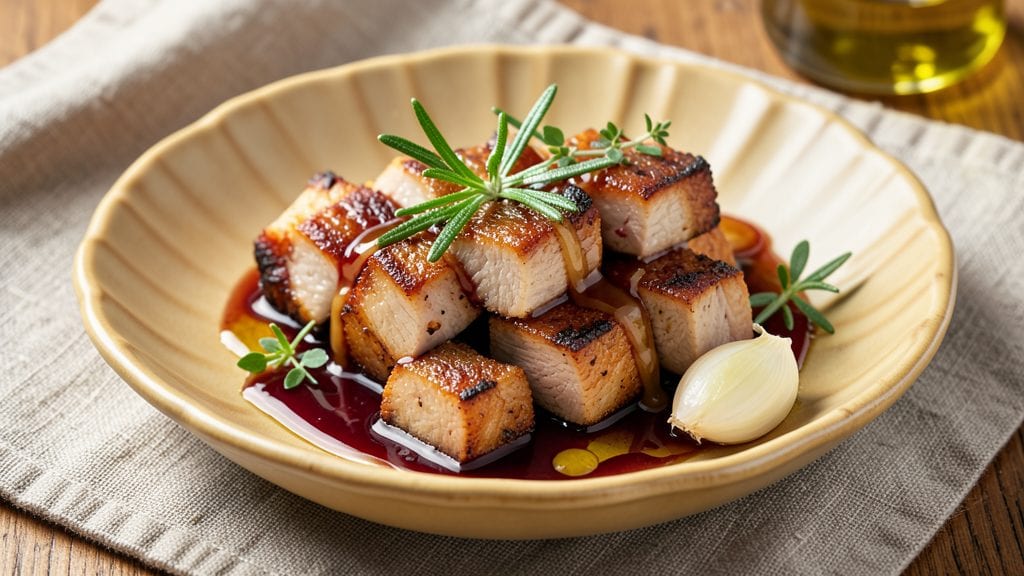
Transforming simple pork shoulder into luxurious pork rillettes requires patience and precision—a process I perfected after years of experimenting with French countryside techniques. The result is tender, melt-in-your-mouth pork shreds infused with a rich, buttery vinegar kiss that elevates any gathering.
Standing on a step stool in my grandmother’s kitchen in Sicily, I first learned how slow-cooked meats unlock their deepest flavors, and this recipe carries that same philosophy.
This method transforms tough cuts into velvety, buttery perfection through a slow braise, rendering fat that becomes the luxurious base for the rillettes. The key lies in the balance of vinegar and butter, which tenderizes the meat while adding a bright, tangy depth that cuts through the richness.
With just a few simple ingredients and a few hours of hands-off cooking, you’ll create a dish that’s both impressive and foolproof.
By the time you’re done, you’ll have a dish that’s as elegant as it is easy to serve—spoonable, shareable, and packed with flavor. The fat-rich texture makes it ideal for spreading on crusty bread, pairing with pickles, or serving alongside charcuterie.
This isn’t just an appetizer; it’s a centerpiece that transforms ordinary meals into memorable experiences.
Whether you’re hosting a dinner party or simply craving a taste of French bistro luxury, these pork rillettes deliver restaurant-quality results at home. Let’s get started on creating something truly special.
Ingredients for pork rillettes
Four ingredients transform tough pork into velvety, buttery rillettes that taste like French bistro magic.
| Ingredient | Amount | Notes |
|---|---|---|
| Boneless Pork Shoulder 🍖 | 3 lb | Well-marbled, cut into 1-inch cubes |
| Unsalted Butter 🧈 | ¾ cup | European-style preferred, cold |
| White Wine Vinegar 🍷 | ½ cup | Balsamic alternative works too |
| Fresh Thyme 🌿 | ¼ cup | Stems removed, loosely packed |
| Fresh Rosemary 🌿 | 2 sprigs | Heavy stems removed |
| Garlic Cloves 🧄 | 6 cloves | Peeled, smashed lightly |
| Coarse Sea Salt 🧂 | 1 ½ tsp | Diamond Crystal preferred |
| Freshly Ground Black Pepper 🌶️ | 1 tsp | None of that dusty jar stuff |
| Bay Leaves 🍃 | 2 whole | Fresh if possible |
| Extra-Virgin Olive Oil 🫒 | 2 tbsp | For finishing, fruity variety |
| Fresh Parsley 🌿 | ¼ cup | Chopped, for garnish |
The pork shoulder is non-negotiable—look for well-marbled cuts at Whole Foods or your butcher shop. A 3-pound bone-in shoulder gives you more flavor, but boneless works too. If you're buying pre-cut cubes, Costco's vacuum-sealed ones save time. The fat is what makes these luxurious, so don't trim it. For the butter, European-style (like Plugrá) has higher fat content—trust me on this. The vinegar should be white wine vinegar, but aged balsamic adds a caramel note if you're feeling fancy.
No fresh thyme? Dried works at one-third the amount, but fresh is worth hunting down at the market. The rosemary sprigs should be heavy—Trader Joe's sells great bundles. Garlic cloves can be roasted first for deeper flavor (just toss peeled cloves in the oven at 400°F for 10 minutes). For salt, Diamond Crystal dissolves better than table salt. The bay leaves? Fresh if you've got them, dried if you don't—no judgment. And if you're short on time, pre-minced garlic from the jar works, though fresh is always better.
This dish tastes even better the next day as flavors meld. Store in an airtight container in the fridge for up to 5 days, or freeze for 3 months in portions. I like to keep a jar in the fridge at all times—perfect for last-minute charcuterie boards. The rendered fat solidifies when chilled, so let it sit for 10 minutes before serving. Garnish with fresh parsley right before eating—it brightens everything up.
Why You'll Love This Recipe
- One-Pot Magic: I swear by this recipe because it’s that easy—just brown the pork, simmer with butter and herbs, then shred. No chopping, no fuss, and the vinegar does all the work while you sip your coffee.
- Herb-Butter Bliss: That rich, buttery pork with rosemary and thyme? It’s like a hug in your mouth. The vinegar cuts through the fat, leaving you with tender, fragrant bites that taste like a bistro dinner.
- Party in a Jar: Between us, this is my go-to for potlucks or last-minute gatherings. Slather it on crusty bread, pack it in jars for charcuterie boards, or even toss it with pasta—it’s the ultimate crowd-pleaser.
- Budget-Friendly Luxury: Pork shoulder stretches for miles, and a little butter and vinegar make it feel special. Honestly, it’s the kind of dish where you get restaurant-quality flavor without the markup. Plus, leftovers taste just as good the next day.
Step-by-step instructions for pork rillettes
Transform that humble pork shoulder into velvety, melt-in-your-mouth rillettes with this foolproof method.
Sear the Pork Shoulder for Deep Flavor
Pat the 3 lb boneless pork shoulder dry with paper towels—this is crucial for crispy edges. Heat a large Dutch oven over medium-high heat and add 2 tablespoons extra-virgin olive oil. Once shimmering, add the pork cubes in a single layer, working in batches if needed. Sear undisturbed for 4-5 minutes per side until deeply browned with a caramelized crust.
Don't rush this step—those browned bits (fond) are packed with flavor that will infuse your rillettes. Once all pieces are seared, transfer them to a plate. Here's where the magic begins: deglaze the pot immediately with the 0.5 cup white wine vinegar, scraping up every last bit of browned goodness. Let this simmer for 2 minutes until reduced by half.
Build the Aromatic Base
Return the pork to the pot and add the 0.75 cup cold unsalted butter, 6 smashed garlic cloves, 2 sprigs fresh rosemary, 2 whole bay leaves, 1.5 teaspoons coarse sea salt, and 1 teaspoon freshly ground black pepper. Stir gently to coat the pork in the buttery mixture. The butter should melt immediately, creating a luxurious coating.
Bring everything to a gentle simmer over medium-low heat, then reduce to a bare bubble. Cover partially and cook for 2-2.5 hours, turning the pork occasionally, until it's fork-tender. You'll know it's ready when the meat pulls apart easily and the juices run clear. This slow cook transforms tough pork into meltable perfection.
Shred and Finish with Herb Infusion
Remove the pork from the pot and let it rest for 10 minutes before shredding. Using two forks, pull the meat apart into fine, even shreds—you're aiming for that luxurious, spreadable texture. Return the shredded pork to the pot with the cooking juices and stir in the 0.25 cup fresh thyme. The thyme should steep in the warm liquid for 5 minutes to release its aromatic oils.
Taste and adjust seasoning if needed—this is where you can really make it your own. The butter and vinegar should create a bright, tangy contrast to the rich pork. For serving, transfer to a bowl and let it cool slightly. The rillettes will thicken as they cool, creating that perfect spreadable consistency.
Garnish and Serve with Confidence
Stir in the 0.25 cup chopped fresh parsley just before serving to add a fresh, vibrant finish. The parsley brightens the dish while maintaining its elegant presentation. Serve immediately on crusty bread with pickles, or let it cool completely for a luxurious charcuterie spread that will impress any crowd.
Pro tip: The rillettes keep well in the refrigerator for up to 5 days in an airtight container. They also freeze beautifully—just thaw in the fridge overnight before serving. Each bite should deliver that perfect balance of buttery richness, tangy brightness, and melt-in-your-mouth pork tenderness.
Pro Tips For Making Pork Rillettes
- Trim the Fat First: Pork shoulder comes with a stubborn layer of fat—scrape it off before cooking. I used to leave it on, thinking it’d render into flavor, but it just makes the rillettes greasy and uneven. A sharp knife and 10 minutes of work now save you from mushy texture later.
- Cook Low and Slow: Forget rushing it—this isn’t the time for high heat. Aim for 165°F (74°C) internal temp, and let it simmer for 3–4 hours. I learned the hard way that speeding it up turns the meat into shreds instead of tender, pull-apart perfection.
- Vinegar Last, Not First: Add the white wine vinegar after the pork is fully cooked, not at the start. Dumping it in early just makes the meat tough and the butter separate. Stir it in during the last 10 minutes—it brightens the flavor without wrecking the texture.
- Press, Don’t Pack, the Herbs: Fresh thyme and rosemary should be pressed into the butter, not chopped fine. Whole sprigs release aroma as they melt, while mincing them turns the butter into a muddy paste. Tuck them in loosely—they’ll soften on their own.
Perfect pairings for this recipe
Bread Pairings
Crusty baguettes are my go-to for serving rillettes—their crispy exterior contrasts perfectly with the buttery pork. I love toasting thick slices in the oven until golden, then slathering with the rillettes and a smear of Dijon mustard.
For something heartier, try sourdough or ciabatta—their open crumb structure soaks up the rich fat beautifully. 🥖
Pickled Vegetables
The bright acidity of pickles cuts through the richness of rillettes like nothing else. I keep a jar of cornichons or giardiniera on hand for this exact purpose. The classic French pairing is cornichons with their tiny, crunchy pickles, but spicy pickled jalapeños add a kick that’s irresistible.
Serve them alongside the rillettes for a perfect balance of flavors.
Cheese Boards
Rillettes belong on a charcuterie board with aged cheeses like Comté or Pecorino. The nutty, tangy notes of these cheeses complement the pork’s richness while the buttery texture creates a luxurious mouthfeel.
I like to add walnuts and fig jam to round out the board—sweet, salty, and savory all in one bite.
Wine Pairings
A crisp Sauvignon Blanc from Loire Valley is my top choice—its citrusy brightness mirrors the vinegar in the rillettes. For something red, a Pinot Noir with its earthy notes and gentle tannins works beautifully.
If you prefer beer, a Belgian witbier like Hoegaarden adds a refreshing contrast with its coriander and orange peel notes. 🍷
Breakfast Twist
Don’t stop at appetizers—rillettes make an incredible breakfast! Spread them on English muffins with a fried egg on top, or use them as a topping for avocado toast.
The buttery richness pairs perfectly with the creaminess of eggs, and the vinegar adds a bright wake-up call. Trust me, your morning just got a whole lot fancier.
Global Variations
For a Mexican-inspired twist, mix in 1 teaspoon chipotle powder and serve with blue corn tortilla chips. In Thai-inspired style, stir in 1 tablespoon fish sauce and 1 teaspoon lime zest, then serve with steamed rice and fresh herbs.
These global flavors take rillettes to new heights while keeping the core technique intact. 🌍
Nutrition facts
Frequently asked questions
Can I make pork rillettes without a Dutch oven?
A Dutch oven is ideal for even cooking, but you can use a heavy-bottomed pot or even a slow cooker. For stovetop alternatives, choose a pot with a tight-fitting lid to maintain moisture. If using a slow cooker, cook on low for 4-5 hours instead of 2-2.5 hours on the stovetop. The key is patience—rush it, and the texture won't be as luxurious.
Why do my rillettes taste too salty?
This usually happens when the pork is pre-salted (like many store-bought cuts) or if you're using too much salt in the recipe. Start by checking if your pork is labeled "enhanced" or "pre-salted"—skip adding salt if so. For future batches, taste as you go and adjust gradually. A splash of white wine vinegar or a pinch of sugar can also balance over-salted flavors.
How do I store leftover rillettes?
Transfer to an airtight container and refrigerate for up to 5 days. The fat will solidify slightly, but they’ll soften at room temperature. For longer storage, freeze in portions for up to 3 months. Thaw overnight in the fridge—never at room temperature—to preserve texture. The flavor actually improves after 24 hours as the ingredients meld!
Can I use chicken or turkey instead of pork?
While you can make rillettes with poultry, the texture and fat content won't be the same. Chicken thighs work best (for their fat content), but they'll be leaner and less rich. For a poultry version, increase the butter by 0.25 cup and add 1 tablespoon honey to mimic the pork's depth. Turkey is too lean—it'll dry out. Stick with pork for the classic experience!
What’s the secret to ultra-tender rillettes?
Three things: low-and-slow cooking, resting the meat, and proper shredding. Cook until the internal temp reaches 203°F (well past 165°F for pork) to break down collagen. Let the meat rest 10 minutes before shredding—this helps it pull apart cleanly. Use two forks to shred against the grain for that signature melt-in-your-mouth texture.