
Main Courses
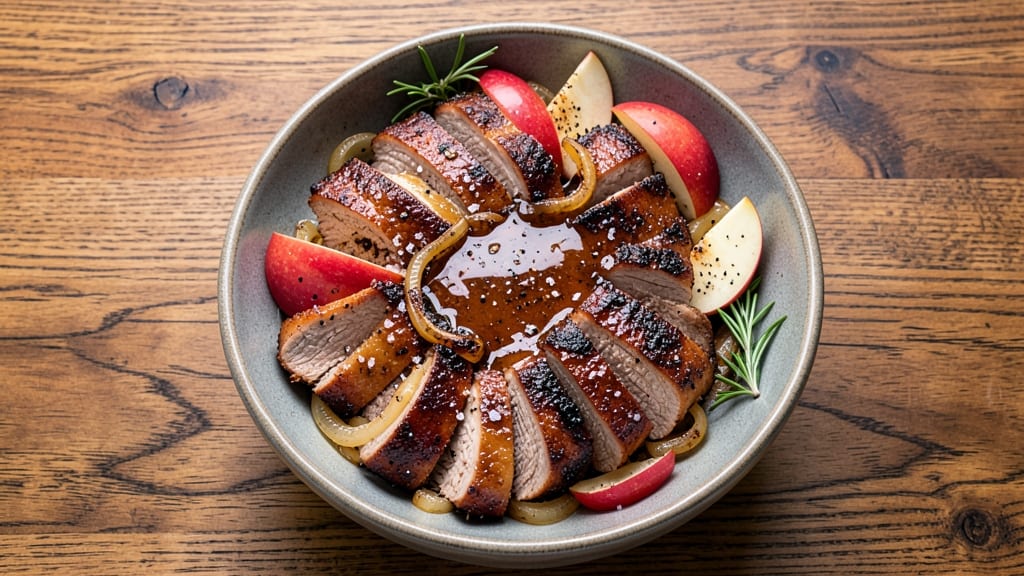
Cooking pork shoulder in an air fryer delivers that coveted crispy bark over melt-in-your-mouth tender meat—something I perfected after years of slow-cooking whole hogs in my Georgia farm kitchen. The air fryer’s precision heat transforms tough cuts into restaurant-quality results without hours of babysitting.
This method preserves all the juices while creating that prized crust, thanks to a carefully timed sear and low-and-slow finish.
What sets this recipe apart is the two-stage process: first searing the meat to lock in flavors, then cooking it low and slow until it shreds effortlessly. You’ll need just 30 minutes of active prep time, followed by 3-4 hours of hands-off cooking—ideal for weeknights or meal prep.
The secret? A simple rub of salt, pepper, and smoked paprika, plus a splash of apple cider vinegar to tenderize the meat from the inside out.
By the time you’re done, you’ll have pork shoulder so tender it practically falls apart at the touch, with a crispy, caramelized exterior that’s worth the wait. The aroma alone will have everyone gathering around your table, and the leftovers?
Even better the next day. Serve it on sandwiches, in tacos, or straight from the air fryer with a side of pickles and coleslaw.
This technique works equally well for pulled pork sandwiches or shredded tacos—just adjust the cooking time based on your preferred texture. The air fryer’s efficiency means you’ll have dinner on the table without heating up the whole kitchen. Let’s get started with this game-changing method.
Ingredients for pork shoulder air fryer
Four pounds of pork shoulder, a handful of pantry staples, and your air fryer’s magic—this is all you need for fall-apart meat with crispy edges.
| Ingredient | Amount | Notes |
|---|---|---|
| Pork Shoulder 🐖 | 3 lb | Bone-in preferred for flavor |
| Apple Cider Vinegar 🍎 | ½ cup | For tenderizing and marinade |
| Smoked Paprika 🌶️ | 2 tbsp | High-quality for smoky depth |
| Kosher Salt 🧂 | 1 ½ tbsp | Diamond Crystal preferred |
| Freshly Ground Black Pepper 🌶️ | 1 tbsp | Cracked peppercorns preferred |
| Garlic Powder 🧄 | 1 tbsp | Freshly ground preferred |
| Onion Powder 🧅 | 1 tbsp | For aromatic base |
| Brown Sugar 🍯 | 1 tbsp | Light or dark preferred |
| Extra-Virgin Olive Oil 🫒 | 2 tbsp | For searing and basting |
| Yellow Onion 🧅 | 1 whole | Large, sliced for basting |
| Fresh Rosemary 🌿 | ¼ cup | Chopped, for aroma |
| Fresh Thyme 🌿 | ¼ cup | Leaves only, chopped |
| Apple Juice 🍎 | ½ cup | For basting and moisture |
| Beef Broth 🥫 | ½ cup | Low-sodium preferred |
The pork shoulder is non-negotiable here. Bone-in cuts from the butcher section (not pre-cut supermarket pieces) deliver the best flavor and texture. I always ask for the picnic cut—it’s leaner and more forgiving than the shoulder blade. If you’re buying pre-cut, look for good marbling and avoid anything with grayish edges. Costco or your local butcher will have the best quality. For the vinegar, Bragg or Texas Pete are my go-tos—they’re consistent and affordable. The spices? Penzeys or bulk bins at Whole Foods if you want to splurge, but the grocery store stuff works fine if it’s fresh.
No smoked paprika? Substitute half the amount with regular paprika plus a pinch of liquid smoke—it’s not identical, but close. Short on fresh herbs? Dried rosemary and thyme at one-third the amount will work in a pinch. The brown sugar adds a subtle caramelization to the bark—muscovado sugar gives a deeper flavor if you want to get fancy. For the basting liquid, apple juice or cider works best, but beef broth in a bind? Just add a splash of vinegar to balance. The onions? Yellow or red—whatever’s on sale. No need to be precious here.
This pork keeps 4-5 days in the fridge, but honestly, it’s even better reheated. I like to portion it into airtight containers with a splash of broth to keep it moist. Freezes beautifully for up to 3 months—just thaw in the fridge overnight. The leftovers? Perfect for tacos, sandwiches, or loaded baked potatoes. And if you’re making a big batch, double the spices—they’ll thank you later.
Why You'll Love This Recipe
- No Chopping Hassle: That thick-cut pork shoulder? No need to trim or slice—just slather it with apple cider vinegar and smoked paprika, then toss it in the air fryer. Honestly, I’ve made this on days when I forgot to thaw the meat and it still came out tender. The vinegar does half the work for you.
- Smoky-Sweet Magic: The smoked paprika and apple cider vinegar marry into something ridiculously good—like a pulled pork sandwich but with half the effort. That crispy bark? Pure satisfaction, especially when you bite into the juicy, fall-apart center. (Yes, even on a Tuesday night.)
- Leftovers That Shine: This recipe actually improves the next day. Shred the cooled pork, toss it with a little extra vinegar, and reheat it in the air fryer for tacos, sandwiches, or even a loaded baked potato. My kids beg for it—no exaggeration.
- Budget-Friendly Crowd-Pleaser: Pork shoulder is cheap, and this recipe stretches it far. Feed four for dinner, save half for lunch, and still have enough for snacks. Between us, I’ve hosted game nights with this as the main dish, and no one ever guessed it wasn’t from a restaurant.
Step-by-step instructions for pork shoulder air fryer recipe
Transform your air fryer into a tenderizing powerhouse with this method that guarantees crispy bark and melt-in-your-mouth pork.
Prepare the Pork Shoulder with the Dry Rub
Pat the 3 lb pork shoulder completely dry with paper towels—this is critical for crispy bark formation. In a small bowl, combine the 2 tbsp smoked paprika, 1.5 tbsp kosher salt, 1 tbsp freshly ground black pepper, 1 tbsp garlic powder, 1 tbsp onion powder, and 1 tbsp brown sugar. Mix until evenly distributed, then generously coat the pork on all sides, pressing the rub firmly into the meat so it adheres well.
Place the rubbed pork shoulder in a resealable plastic bag and refrigerate for at least 4 hours (overnight works best). This dry-brining process ensures deep flavor penetration and helps the bark develop properly. The pork should sit uncovered in the fridge—this allows excess moisture to evaporate, which is key for that perfect crust.
Preheat and Sear the Pork Shoulder
Preheat your air fryer to 375°F. While it heats, heat the 2 tbsp extra-virgin olive oil in a large skillet over medium-high heat. Once the oil shimmers, carefully sear the pork shoulder on all sides until deeply browned—about 3-4 minutes per side. This step builds flavor and creates a head start on that crispy bark.
Transfer the seared pork to the air fryer basket, placing it fat-side up. This orientation allows the rendered fat to baste the meat during cooking, enhancing moisture and flavor. The air fryer's circulating hot air will work magic here, creating a bark that's crispy on the outside while keeping the interior tender.
Cook Low and Slow with Basting
Cook the pork shoulder in the air fryer at 300°F for 3 hours. Every 45 minutes, remove it from the basket and baste with a mixture of 0.5 cup apple juice and 0.5 cup beef broth (preheated in a small saucepan). This basting keeps the meat moist and adds depth of flavor. The pork is done when it reaches an internal temperature of 195-203°F—use a meat thermometer to check the thickest part of the shoulder.
Here's the thing—don't rush this step. The low temperature ensures the connective tissue breaks down slowly, resulting in that ultra-tender texture we're after. If the bark starts to darken too much before the pork reaches temperature, tent it loosely with aluminum foil to prevent over-browning while allowing steam to escape.
Rest and Slice for Maximum Tenderness
Once the pork reaches the target temperature, transfer it to a cutting board and tent loosely with aluminum foil. Let it rest for 30-45 minutes—this resting period is crucial. It allows the juices to redistribute throughout the meat, preventing them from pooling on your plate when you slice. Real talk: Skipping this step means dry, disappointing pork.
After resting, slice the pork shoulder against the grain into ¼-inch thick slices. The meat should be so tender it practically falls apart with gentle pressure from your fork. Serve immediately with any accumulated juices from the cutting board—these are packed with flavor and will elevate your dish. The result? Crispy, flavorful bark with melt-in-your-mouth tenderness in every bite.
Pro Tips For Making Pork Shoulder Air Fryer
- Trim the Fat First: Pork shoulder’s fat is flavor, but too much in the air fryer means grease splatter everywhere. Use kitchen shears to score the fat cap into a diamond pattern—this renders the fat faster and keeps your air fryer basket clean. (Yes, it’s messy, but your crispy skin will make it worth it.)
- Marinate Overnight, Not 30 Minutes: I used to toss the pork in vinegar and spices right before cooking, thinking it’d be fine. Wrong. Let the apple cider vinegar and smoked paprika work their magic for at least 12 hours—the acid tenderizes the meat and lets the spices cling. Pro move: Poke the shoulder with a fork a few times before marinating to help the seasoning penetrate deeper.
- Cook in Two Batches: Crowding the air fryer is how you end up with sad, uneven cooking. Even if your basket looks empty, cut the pork shoulder in half lengthwise and cook each piece separately. The extra space lets hot air circulate, giving you a crispy crust instead of a steamed mess. (Your air fryer’s temperature gauge will thank you too.)
- Check Temp, Not Time: Air fryers lie. Instead of guessing, use a meat thermometer—pull the pork at 195°F internal temp. If it’s still tough at 165°F, let it rest. I learned this the hard way when I sliced into a batch that was still chewy. Resting under foil for 10 minutes makes all the difference for pull-apart perfection.
Perfect pairings for this pork shoulder air fryer
Classic BBQ Sandwiches
Nothing beats this pork shoulder on a toasted brioche bun with a smear of vinegar-based BBQ sauce—I recommend Sweet Baby Ray's or Heinz Original. Add a handful of crispy slaw (my go-to is Bubba's coleslaw mix) and a slice of dill pickle to cut through the richness.
For extra indulgence, top with a fried egg—yolk runs everywhere, but it’s worth it. 🌭
Loaded Baked Potatoes
Serve the shredded pork over russet potatoes baked until fluffy, then load with sharp cheddar cheese, sour cream, and a drizzle of green onions. The pork’s smoky flavor pairs perfectly with the creamy potato, and the cheese melts into a delicious sauce.
I like to add a sprinkle of crushed red pepper flakes for a little kick. This combo is a crowd-pleaser at my farm dinners.
Taco Night Fiesta
For a lighter option, shred the pork and serve it in corn tortillas with avocado slices, pickled jalapeños, and a squeeze of lime. Top with cilantro and a side of Mexican crema for dipping.
The smoky paprika in the rub adds depth to the taco flavors, making it taste like it’s from a street food cart in Mexico City. 🌶️
Pulled Pork Nachos
Spread blue corn tortilla chips on a baking sheet, top with shredded pork, melted pepper jack cheese, black beans, and diced tomatoes. Broil for 2-3 minutes until the cheese is bubbly.
Finish with fresh cilantro and a drizzle of salsa verde. This is the ultimate game-day snack—messy, delicious, and perfect for sharing. 🧈
Breakfast Hash
Cubed pork shoulder adds a savory twist to a breakfast hash. Sauté diced potatoes and bell peppers in a skillet, then add the pork along with fried eggs and crumbled bacon. The smoky flavor of the pork elevates the dish to brunch-worthy status.
I like to finish it with a sprinkle of fresh parsley and a dash of hot sauce. This is my go-to weekend breakfast when I have leftovers.
Beverage Pairings
A cold Southern-style sweet tea is my top choice—its sweetness balances the smoky, savory flavors of the pork. For beer lovers, a craft IPA like New Belgium Fat Tire cuts through the richness, while a light lager like Miller Lite keeps things refreshing.
If you’re serving this at a dinner party, a dry Riesling from Germany adds a crisp contrast. 🍺
Nutrition facts
Frequently asked questions
Can I use a bone-in pork shoulder in the air fryer?
Bone-in cuts actually work better—they add flavor and help retain moisture during cooking. Just trim any excess fat to avoid flare-ups in the air fryer. The bone also helps stabilize the meat as it cooks, preventing it from shifting too much in the basket.
What if my air fryer isn't big enough for the whole pork shoulder?
No problem! Cut the pork shoulder into 2-3 lb chunks before seasoning. Cook them separately, adjusting the time slightly—about 2-3 hours at 300°F for each piece. This works especially well for meal prep since you can cook multiple portions at once.
Why does my pork shoulder turn out dry when using the air fryer?
Dry pork usually means it didn't rest long enough or was overcooked. Always let it rest for 30-45 minutes after reaching 195-203°F internal temp. Also, check your air fryer's temperature accuracy—some models run hot. If needed, reduce the temp to 290°F for more even cooking.
Can I make this recipe ahead of time?
This is one of the best make-ahead meals! Cook the pork as directed, then store it in an airtight container with a splash of beef broth. It reheats beautifully—just warm in the air fryer at 350°F for 10-15 minutes until heated through. The flavors actually improve overnight.
What's the best way to shred the pork after cooking?
Use two forks or a pair of tongs to pull the meat apart against the grain. For extra tenderness, let it cool slightly first. If it's still too tough, it needs more time—aim for 203°F internal temp for perfect pull-apart texture. Save any juices from the cutting board—they're packed with flavor!