
Main Courses
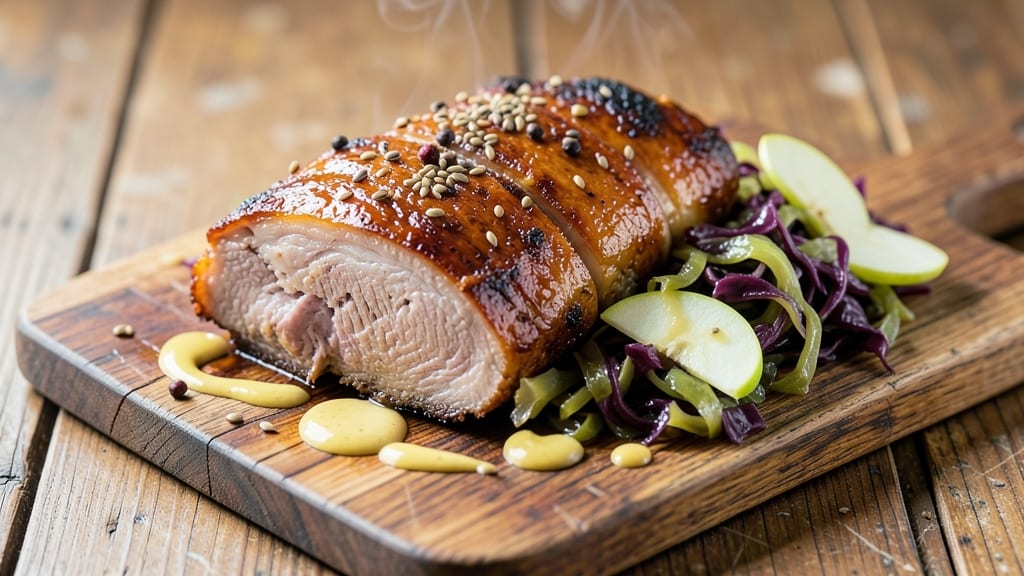
A pork shoulder blade roast with sauerkraut delivers the perfect marriage of German tradition and Southern comfort—smoky, crisp edges that give way to tender, juicy meat, paired with tangy fermented cabbage that cuts through the richness.
This recipe comes straight from my years perfecting whole-hog roasts, where the blade's natural fat and collagen transform into melt-in-your-mouth perfection when cooked low and slow. The sauerkraut isn't just a side; it's the secret weapon that elevates the dish from ordinary to unforgettable.
The key to this roast lies in the two-stage cooking process: first searing the blade to lock in juices, then braising until the meat falls apart with just a fork.
I use a simple dry rub of mustard, caraway, and black pepper—classic German flavors that let the pork shine without overpowering it. Meanwhile, the sauerkraut gets warmed with apples and juniper berries, turning its tangy bite into a harmonious complement rather than an afterthought.
By the time you pull this roast from the oven, you'll have a dish that smells like a Heidelberg kitchen and tastes like a Sunday feast—crispy on the outside, fork-tender inside, with sauerkraut that's sweetened just enough to balance the meat's depth.
The leftovers? Even better the next day, as the flavors meld into something truly extraordinary. This is the kind of recipe that turns weeknight dinners into memorable gatherings.
Serve it with buttery mashed potatoes or crusty rye bread to soak up every last bit of that smoky, tangy sauce. The blade's generous fat cap ensures every slice is moist, while the sauerkraut's acidity keeps the palate fresh.
This isn't just pork and cabbage—it's a restaurant-quality meal that belongs at your table. Let's get started on making it.
Ingredients for pork shoulder blade roast with sauerkraut
Six core ingredients transform into a showstopping German feast with smoky pork and tangy sauerkraut.
| Ingredient | Amount | Notes |
|---|---|---|
| Pork Shoulder Blade Roast 🥩 | 4 lb | Bone-in, fat cap intact |
| Sauerkraut 🥬 | 2 cups | Unopened jar preferred |
| Green Apples 🍎 | 1 medium | Peeled, diced (about 1 cup) |
| Juniper Berries 🌿 | 1 tsp | Crushed lightly |
| Yellow Mustard 🍯 | 2 tbsp | Dijon preferred for depth |
| Ground Caraway Seeds 🌶️ | 1 tbsp | Freshly ground if possible |
| Coarsely Ground Black Pepper 🌶️ | 1 tbsp | Freshly cracked |
| Kosher Salt 🧂 | 1 tbsp | For meat and sauerkraut |
| Extra-Virgin Olive Oil 🫒 | 2 tbsp | For searing |
| Beef Broth 💧 | 2 cups | Low-sodium preferred |
| Brown Sugar 🍚 | 1 tbsp | For sauerkraut balance |
| Fresh Thyme Leaves 🌿 | ¼ cup | Chopped for garnish |
| Crusty Rye Bread 🍞 | 1 loaf | For serving |
The pork shoulder blade is the star—look for one with a thick fat cap (about 1/2-inch) for that crispy, flavorful crust. Costco or Whole Foods usually carry these pre-cut, but if you're buying a whole hog, ask your butcher for the blade end. The fat renders down beautifully during cooking, so don't trim it. For the sauerkraut, Brauhaus or Reinhart brands are my go-to—they're fermented just right, not too sour. If you can't find them, any jarred sauerkraut works, but drain it well before using. The apples should be tart (like Granny Smith) to balance the sauerkraut's tang.
No juniper berries? Substitute 1/2 tsp ground allspice—it's not identical, but close. Short on caraway seeds? Celery seeds at half the amount add a similar earthy note. The mustard is crucial—Dijon gives more depth than plain yellow, but use what you've got. For the apples, pears work too if you're out of green apples. The beef broth can be swapped for vegetable broth, though the flavor will be slightly different. And if you can't find rye bread, dark pumpernickel makes a great substitute for serving.
This roast reheats beautifully—actually tastes better the next day as the flavors meld. Store leftovers in the fridge for up to 5 days, or freeze portions for 3 months. I like to portion the sauerkraut separately so it doesn't get soggy. The pork keeps well in its juices, so cover it tightly. For serving, toast the rye bread and rub it with a garlic clove—simple but perfect for soaking up all that smoky sauce.
Why You'll Love This Recipe
- One-Pan Magic: I swear by this—just toss the pork, sauerkraut, and apples on a sheet pan, add the juniper and mustard, and let the oven do the work. No chopping boards, no extra pots, and honestly? The cleanup is just wiping one pan.
- Tangy-Sweet Crunch: That first bite—crispy pork edge, creamy center, and the sauerkraut cutting through with a sharp tang while the green apples add just enough sweetness? It’s like a flavor hug you didn’t know you needed. The juniper? Tiny but mighty—earthy and bright, like a forest walk in every forkful.
- Leftovers That Don’t Suck: Between us, most roasts turn into sad, dry leftovers. Not this one. The pork stays juicy, the sauerkraut keeps its bite, and I’ve reheated slices in a pan with a splash of water for days. Pack it for lunch? Yes. Serve it cold on rye? Even better. It’s the kind of meal that gets better the second time around.
- Budget Feast for Crowds: A pork shoulder blade is cheap, sauerkraut lasts forever, and apples? You’ve got those in the fridge. This feeds six for under $20, and somehow, it always disappears faster than I can say “second helping.” My college friends still ask for the recipe—turns out, good food doesn’t need to break the bank.
Step-by-step instructions for German-style pork shoulder blade roast
This method delivers melt-in-your-mouth pork with crispy edges and a tangy, caramelized sauerkraut topping.
Prepare the Pork Shoulder Blade Roast
Remove the pork shoulder blade roast from the refrigerator and let it sit at room temperature for 30 minutes. This ensures even cooking throughout. Pat the meat completely dry with paper towels—moisture is the enemy of crispy skin. I press firmly all over, especially in the crevices where water tends to hide.
In a small bowl, combine the 2 tablespoons yellow mustard, 1 tablespoon ground caraway seeds, 1 tablespoon coarsely ground black pepper, and 1 tablespoon kosher salt. Rub this mixture generously over the entire surface of the pork, pressing it into the meat so it adheres well. The mustard adds depth while the caraway and pepper create that classic German flavor profile. Let the seasoned pork rest uncovered on a wire rack for another 15 minutes while you prepare the sauerkraut mixture.
Create the Tangy Sauerkraut Topping
In a medium saucepan, combine the 2 cups sauerkraut, 1 tablespoon brown sugar, and 1 teaspoon crushed juniper berries. Bring to a gentle simmer over medium heat and cook for 10 minutes, stirring occasionally. The sugar helps balance the acidity of the sauerkraut while the juniper berries add that distinctive piney aroma that's essential in German cuisine.
Add the 1 cup diced green apples and cook for another 5 minutes until the apples soften slightly. The apples introduce natural sweetness that complements the tangy sauerkraut beautifully. Remove from heat and set aside. The mixture should be thick but still saucy enough to cling to the pork when you add it later.
Sear the Pork for Maximum Flavor
Preheat your oven to 325°F. Heat a large oven-safe skillet over high heat until very hot. Add the 2 tablespoons extra-virgin olive oil and swirl to coat the bottom evenly. Place the pork shoulder blade roast in the skillet, fat-side down, and sear for 5 minutes without moving it. You'll see the fat begin to render and the skin start to turn golden brown—this is where all the flavor develops.
Carefully flip the pork and sear the other side for another 5 minutes. The goal is to create a deep, flavorful crust while keeping the interior juicy. Transfer the skillet to the preheated oven and roast for 3 hours, or until the internal temperature reaches 195°F when measured with a meat thermometer. This low-and-slow approach ensures tender, pull-apart meat.
Finish with Sauerkraut and Rest
After 3 hours, remove the pork from the oven and increase the heat to 425°F. Spread the prepared sauerkraut mixture evenly over the top of the pork, pressing it down gently so it adheres. Return to the oven for 15 minutes to allow the sauerkraut to caramelize and create a beautiful crust.
Remove from the oven and transfer the pork to a cutting board. Let it rest for 20 minutes before slicing. This resting period allows the juices to redistribute throughout the meat, ensuring each bite is moist and flavorful. During this time, you can prepare the 2 cups beef broth by heating it in a saucepan over medium heat—this will be perfect for serving alongside the pork.
Serve with Crusty Rye Bread
Slice the pork shoulder blade roast against the grain into ¼-inch thick slices. The sauerkraut topping should be slightly caramelized and clinging to the meat. Serve immediately with the warmed crusty rye bread and a generous drizzle of the pan juices. Garnish each serving with the ¼ cup chopped fresh thyme leaves for a pop of freshness that brightens the rich flavors.
This dish tastes even better the next day as the flavors meld and deepen. The combination of tender pork, tangy sauerkraut, and sweet apples creates a perfect balance of textures and flavors that's sure to impress your guests. Enjoy this hearty, German-inspired meal that's perfect for family gatherings or cozy weeknight dinners.
Pro Tips For Making Pork Shoulder Blade Roast With Sauerkraut
- Sear the Blade: DESCRIPTION: Get that pork shoulder blade screaming hot in a dry skillet—no oil needed at first. The crust forms faster when you start with just the meat and its natural fats, and it’ll hold up better when you later add the sauerkraut and apples.
- Rinse the Sauerkraut: DESCRIPTION: Drain the sauerkraut and give it a quick cold-water rinse to cut the sharpness. I learned this the hard way—skipping it leaves your dish tasting like a pickled punch to the face, especially when paired with sweet apples.
- Crush Juniper Whole: DESCRIPTION: Smash the juniper berries with the flat side of your knife before adding them—just enough to bruise, not pulverize. Whole berries release flavor slowly; crushed ones take over and turn your roast into a pine-scented experiment.
- Braise Low and Slow: DESCRIPTION: After searing, reduce heat to low and cover the pan. The pork needs 2–2.5 hours to tenderize, and rushing it turns the shoulder into chewy disappointment. Set a timer—this isn’t the part to eyeball.
Essential equipment for pork shoulder blade roast with sauerkraut
Oven-Safe Skillet
An oven-safe cast iron skillet is my non-negotiable tool for this recipe—it sears the pork beautifully and transitions straight to the oven without transferring. I use a 12-inch Lodge cast iron because it handles high heat like a champ and develops a natural nonstick crust over time.
If you don’t have cast iron, a stainless steel Dutch oven works too, though it won’t get quite as crispy. Just avoid nonstick pans—they can’t handle the searing heat needed for that perfect crust. 🔥
Meat Thermometer
You must use a meat thermometer to nail this roast—pork shoulder blade is forgiving, but hitting 195°F internal temperature is critical for that pull-apart tenderness. I swear by the ThermoWorks Smoke because it’s fast, accurate, and has a long probe for deep meat.
A cheaper alternative is the Taylor Precision Digital—both are worth the investment if you cook meat regularly. No thermometer? Stick a knife in and check for doneness, but you’ll miss the perfect window. ⏰
Wire Rack
A wire rack is essential for the resting phase—it lets hot air circulate underneath the pork, preventing soggy skin. I place mine on top of a baking sheet to catch any drippings.
If you don’t have one, a perforated baking sheet works in a pinch, but it won’t be as effective. Pro tip: Rest the pork on the rack before adding the sauerkraut topping—this keeps the skin crispy while the sauerkraut caramelizes. 💫
Heavy-Duty Mixing Spoon
For stirring the sauerkraut-apple mixture, grab a wooden or silicone spoon—metal can scratch your pan or react with the acidity. I keep a sturdy silicone spatula (like the OXO Good Grips) in my kitchen for this exact purpose.
It’s heat-resistant, won’t melt, and won’t scratch your cast iron. Stirring gently ensures the sauerkraut doesn’t break down into mush, so you get that perfect textural contrast when it tops the pork. 🥄
Crushers or Mortar & Pestle
Juniper berries need to be lightly crushed—not pulverized—to release their aromatic oils without turning bitter. A mini spice crusher (like the Spicewalla Juniper Berry Crusher) is a game-changer, but a mortar and pestle works too.
Avoid a blender or food processor—it’ll turn them into dust. The goal is to bruise the berries just enough to infuse flavor without overpowering the dish. 🌿
Optional: Smoker
For an extra layer of depth, finish the pork in a smoker at 225°F for the last 30 minutes instead of the high-heat oven finish. I use my Traeger Pellet Grill with applewood pellets for a subtle smokiness that pairs perfectly with the sauerkraut.
If you don’t have a smoker, skip this step—the oven method still delivers incredible results. Just save the smoker for your next brisket project! 💨
Nutrition facts
Frequently asked questions
Why does the pork shoulder blade need to rest before slicing?
Resting the pork for 20 minutes after roasting is crucial—it lets the juices redistribute throughout the meat instead of pooling on your plate. When you slice immediately, all that delicious moisture escapes, leaving you with dry, tough meat. The fat cap also firms up slightly, making it easier to slice cleanly.
Can I substitute bone-in pork shoulder blade for boneless?
but the cooking time may vary slightly. Bone-in pork stays more moist and requires about 30-45 extra minutes because the bone conducts heat differently. If using boneless, check for doneness at 190°F internal temperature—it'll be ready just a bit sooner. The flavor won't suffer, but the texture might be marginally less tender.
How do I fix sauerkraut that's too sour?
Balance the acidity by adding 1 extra tablespoon brown sugar or ½ cup diced apple while cooking. For a quicker fix, stir in 1 teaspoon honey or maple syrup off the heat. If it's still too sharp, serve it on the side with the pork so guests can adjust to their taste. The apples in this recipe naturally sweeten the mix as they cook.
What's the best way to reheat leftovers?
Slice the pork first, then reheat in a skillet with 1 tablespoon beef broth over medium-low heat for 5-7 minutes until warmed through. For sauerkraut, warm it separately in a saucepan with 1 tablespoon apple juice to prevent drying. Microwaving works in a pinch, but the skillet method keeps everything moist and flavorful.
Can I make this recipe in a slow cooker?
While possible, it won't deliver the same crispy crust. Sear the pork first in a skillet, then transfer to a slow cooker with 1 cup beef broth and cook on low for 8 hours. Skip the sauerkraut topping—serve it separately or warm it in a pan. The meat will be tender, but the texture won't match the oven method's perfect balance of crisp and tender.