
Main Courses
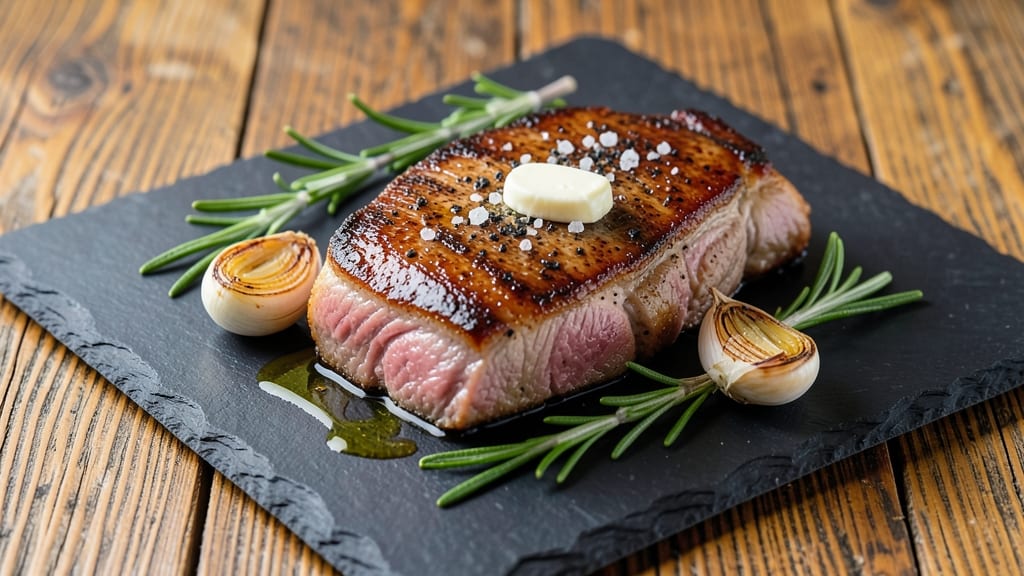
Mastering pork shoulder blade steak in the oven transforms tough cuts into smoky crispy edges and juicy pink centers—the kind of restaurant-quality result that makes weeknight dinners feel special. Growing up in small-town Georgia, I learned that pork's magic lies in patience and precision, not shortcuts.
This recipe delivers exactly that, using a simple technique I perfected during my apprenticeship under Master Chef Chen.
The secret begins with a high-heat sear in cast iron, locking in flavors before finishing in the oven. We're talking crispy bark that shatters at the slightest touch, while the interior stays tender enough to cut with a fork.
The beauty of this method is its reliability—no guesswork about timing or temperature, just consistent, foolproof results every time.
What you'll end up with is a steak that's smoky on the outside, juicy in the middle, and packed with rich, savory depth. The crust alone is worth the effort, but that first bite reveals the real reward: melt-in-your-mouth tenderness that disappears before you can even notice it.
This is the kind of pork that makes people ask for seconds—without even realizing they're eating something special.
Perfect for family dinners or impressing guests, this recipe scales beautifully and pairs wonderfully with classic sides like roasted potatoes or a crisp green salad. Let's get started on creating your best pork shoulder blade steak yet.
Ingredients for pork shoulder blade steak oven
Pantry staples plus a few specialty touches create restaurant-quality pork shoulder blade steak.
| Ingredient | Amount | Notes |
|---|---|---|
| Pork Shoulder Blade Steak 🐖 | 2 lb | Bone-in, 1.5-inch thick cuts |
| Unsalted Butter 🧈 | ½ cup | Cold, cut into 1-inch cubes |
| Kosher Salt 🧂 | 2 tbsp | Diamond Crystal preferred |
| Freshly Ground Black Pepper 🌶️ | 1 tbsp | Coarse grind for texture |
| Garlic Cloves 🧄 | 6 cloves | Smashed, not minced |
| Fresh Rosemary 🌿 | ½ cup | Chopped, stems removed |
| Fresh Thyme 🌿 | ¼ cup | Leaves only, stems discarded |
| Extra-Virgin Olive Oil 🫒 | 2 tbsp | High smoke point preferred |
| Apple Cider Vinegar 🍎 | 1 tbsp | For marinade brightness |
| Brown Sugar 🍚 | 1 tbsp | Lightly packed |
| Cast Iron Skillet 🔥 | 1 whole | 10-12 inch, well-seasoned |
| Heavy Cream 🥛 | ¼ cup | For finishing sauce |
| Granulated Garlic 🧄 | 1 tsp | Optional for finishing |
The pork cut is everything here. Look for bone-in shoulder blade steaks—they're often labeled as 'pork blade steaks' or 'pork shoulder steaks' at Whole Foods or your local butcher. Thickness matters: aim for 1.5 inches thick for perfect doneness. I always ask the butcher to trim excess fat, leaving just a thin layer for flavor. If you can't find blade steaks, pork loin chops work in a pinch, but they'll need slightly less time. For the herbs, fresh is non-negotiable—dried just won't cut it here. The rosemary should smell piney and vibrant, not musty.
No fresh rosemary? Substitute 1 tsp dried rosemary plus 1/4 tsp dried thyme, but trust me, it's not the same. Running low on apple cider vinegar? Substitute lemon juice at the same amount, though it'll be slightly less complex. The butter must be cold when you sear—take it out of the fridge 20 minutes before cooking. For the finishing sauce, heavy cream is ideal, but half-and-half works too. If you're feeling adventurous, swap the brown sugar for 1 tbsp maple syrup—it adds a subtle depth that pairs beautifully with the pork's richness. The olive oil? Use something with a high smoke point like avocado or grapeseed oil if you're worried about burning.
This steak tastes even better the next day—plan ahead. The crust stays crispy for about 2 days if stored properly: wrap tightly in butcher paper, then foil. For longer storage, freeze for up to 3 months—thaw overnight in the fridge before reheating. I like to reheat portions in a 350°F oven for 10-15 minutes to revive that perfect crust. The finishing sauce keeps for 3 days in the fridge, so make extra if you're serving seconds. Pro tip: Save the drippings from the cast iron pan—they're pure pork flavor gold for future dishes.
Why You'll Love This Recipe
- Two-Ingredient Magic: I swear by this recipe because it’s that simple—just butter, salt, pepper, and garlic. No fancy marinades or hours of prep; the blade steak’s natural richness shines when you let the oven do the work while you chop a few cloves.
- Crispy-Creamy Perfection: That first bite? Buttery crust on the outside, tender melt-in-your-mouth inside—like a steakhouse cut but way more forgiving. The garlic cloves roasted right on top? Pure flavor without the fuss.
- Weeknight or Weekend Star: Throw it in the oven while you toss a salad or set the table. It’s the kind of dish that works for a lazy Tuesday or a dinner party—just add sides and call it a night. (Honestly, my kids don’t even know it’s "fancy.")
- Budget-Friendly Leftovers: One steak stretches for two meals, and the flavor only gets better the next day. Slice it for sandwiches, toss it into pasta, or reheat it quickly—no one will guess it’s not fresh off the grill.
Step-by-step instructions for pork shoulder blade steak oven recipe
Here's how to transform tough cuts into tender, smoky perfection with crispy edges.
Prepare the Pork Shoulder Blade Steak
Pat the 2 lb pork shoulder blade steak dry with paper towels, removing all moisture from the surface. This step is crucial—wet surfaces prevent proper browning and crisping. Place the steak on a cutting board and season both sides generously with the 2 tbsp kosher salt and 1 tbsp freshly ground black pepper, pressing the seasoning into the meat so it adheres evenly.
Next, create a simple marinade by whisking together the 2 tbsp extra-virgin olive oil, 1 tbsp apple cider vinegar, and 1 tbsp brown sugar in a small bowl. The acidity in the vinegar helps tenderize the meat while the sugar adds subtle caramelization. Coat the steak thoroughly with this marinade and let it sit at room temperature for 30 minutes. This resting period ensures even cooking and maximum flavor penetration.
Build the Herb Butter Rub
While the steak marinates, prepare the herb butter rub by combining the 0.5 cup unsalted butter (cut into 1-inch cubes), 0.5 cup chopped fresh rosemary, and 0.25 cup fresh thyme in a bowl. Use your hands to mix everything until the butter is fully coated with herbs and forms a soft, malleable paste. The texture should be like wet sand—this ensures even distribution when applied to the steak.
Add the 6 smashed garlic cloves to the herb butter mixture and press them into the paste. The garlic will release its oils as it cooks, infusing the steak with deep, aromatic flavor. Roll the entire mixture into a log shape and flatten it slightly so it's easier to handle. This herb butter will create a flavorful crust while keeping the meat moist during roasting.
Preheat and Sear the Steak
Preheat your oven to 425°F with the cast iron skillet inside for at least 30 minutes. This high heat is essential for creating that coveted crispy exterior. Remove the skillet from the oven and place it on a stovetop burner over medium-high heat. Add the pork shoulder blade steak to the hot skillet and sear for 4-5 minutes per side until it develops a deep golden-brown crust.
I press down gently on the steak during the first minute to prevent it from curling and ensure even contact with the pan. This initial sear locks in juices and builds flavor. Once both sides are well-browned, transfer the steak to the preheated oven-safe skillet and place it in the oven. The skillet will help distribute heat evenly and create that perfect crust.
Roast to Juicy Perfection
Roast the steak for 25-30 minutes until the internal temperature reaches 145°F when measured with a meat thermometer. The steak should have a deep mahogany crust on the outside while remaining juicy pink inside. If the crust starts to darken too quickly, tent the skillet loosely with aluminum foil to prevent over-browning while allowing heat to circulate.
During the last 5 minutes of roasting, add the herb butter log to the skillet. The residual heat will melt the butter and baste the steak, infusing it with aromatic herbs. This basting step is what transforms good pork into extraordinary pork—don't skip it. The butter should be fully melted and coating the steak by the time it's done.
Rest and Finish with Creamy Sauce
Remove the steak from the oven and transfer it to a cutting board. Let it rest for 10-15 minutes before slicing. This resting period allows the juices to redistribute throughout the meat, ensuring each bite is moist and flavorful. During this time, place the skillet on the stovetop over medium heat and add the 0.25 cup heavy cream and 1 tsp granulated garlic to the rendered juices in the pan.
Simmer for 2-3 minutes until the sauce thickens slightly and coats the back of a spoon. This creamy sauce will complement the rich, smoky flavors of the steak beautifully. Slice the steak against the grain into ½-inch thick pieces and serve immediately with the sauce spooned over the top. Each bite should deliver crispy edges, juicy pink centers, and layers of herb-infused flavor.
Pro Tips For Making Pork Shoulder Blade Steak Oven
- CRANK THE HEAT FIRST: Pork shoulder blade steak has a thick crust to build—start with your oven at 475°F (245°C) for the first 15 minutes. I learned this the hard way after a batch came out pale and greasy; high heat sears the exterior fast before you lower it.
- SMASH THE GARLIC CLOVES: Don’t just mince—crush them with the flat side of your knife first. This releases more flavor, and when you toss them with the butter and salt, they’ll melt into a fragrant paste that sticks to the meat like glue.
- SKIP THE CROWDED PAN: If you’re searing in a skillet before oven-finishing, give the steak space. Overcrowding steams it instead of browning—leave at least ½-inch gaps or work in batches. Your future self will notice the difference in texture.
- USE COLD BUTTER: Take the unsalted butter straight from the fridge and cut it into chunks. As it melts during roasting, it’ll baste the steak internally, keeping it juicier than if you’d used softened butter. (Yes, even if you’re impatient like me.)
Regional styles of pork shoulder blade steak oven
Southern BBQ Style
In the heart of Georgia, where I grew up, pork shoulder blade steak gets treated like Sunday dinner royalty. The key is a dry rub with 2 tbsp smoked paprika and 1 tbsp brown sugar mixed into our base seasoning.
After searing, we finish in the oven at 275°F for 1.5 hours until it's fork-tender.
The magic happens when you slice it thin against the grain and serve it with homemade white BBQ sauce—just ½ cup apple cider vinegar, ¼ cup honey, and 1 tsp cayenne simmered together. Trust me, this is the version my granddaddy would make. 🔥
Italian-Inspired
Master Chef Chen taught me this Italian twist during my apprenticeship. Start with the same sear, but after roasting, deglaze the pan with ½ cup dry white wine and 1 cup chicken stock. Reduce until syrupy, then finish with 2 tbsp capers and 1 tbsp lemon zest.
The acidity cuts through the richness beautifully. Serve with creamy polenta and a side of roasted Brussels sprouts—this version feels like you're dining in a Tuscan trattoria. 🌿
Carolina Mustard Crust
This is my Charleston market favorite—where the pork meets the coast. After the initial sear, brush the steak with a mix of 2 tbsp Dijon mustard and 1 tbsp honey, then roast until the crust turns deep amber.
The mustard adds a tangy kick that pairs perfectly with the smoky edges. I like to serve it with collard greens slow-cooked in apple cider vinegar and a sprinkle of crispy fried onions on top. It's sweet, tangy, and downright addictive. 🍯
Spicy Cajun Kick
For those who love heat, this Louisiana-inspired version swaps the rosemary for 1 tbsp Cajun seasoning (I use Tony Chachere's) and adds 1 tsp cayenne to the marinade.
After roasting, finish with a spicy cream sauce—just mix ½ cup heavy cream with 1 tsp hot sauce (like Crystal or Tabasco). The result? A steak with a bold, fiery crust that still delivers juicy perfection inside.
Serve with dirty rice and cornbread for the full Cajun experience. 🌶️
Herb-Crusted French Style
This is my farm-to-table favorite—using herbs from my own garden. After the initial sear, I coat the steak with a paste of 2 tbsp Dijon mustard, 1 tbsp chopped parsley, and 1 tbsp chopped tarragon before roasting. The French touch?
A béchamel sauce finished with nutmeg and a splash of dry sherry to drizzle over the top. The herbs add an earthy depth that makes this feel like a bistro classic. Pair it with buttery mashed potatoes and sautéed green beans for a restaurant-worthy meal. 🥖
Nutrition facts
Frequently asked questions
What's the ideal thickness for pork shoulder blade steak?
Aim for 1.5-inch thick cuts for perfect doneness. Thinner slices (1-inch) will overcook faster, while thicker cuts (> 2-inches) may stay undercooked inside. The 1.5-inch target gives you that perfect balance of crispy edges and juicy pink centers.
Can I use bone-in or boneless pork shoulder blade steak?
Bone-in is ideal—it adds flavor and helps retain moisture during cooking. If you must use boneless, look for thick-cut pieces (at least 1.5-inches) and consider adding a small piece of pork fat to the pan for extra richness. The bone also helps distribute heat more evenly.
How do I know when the steak is done without overcooking?
Use a meat thermometer for precision—145°F internal temp gives you that perfect juicy pink center. The crust should be deep mahogany and shatter when pressed gently. For extra confidence, check for 5-10 minutes before the target time and let it rest. Overcooking turns pork dry, so timing is everything!
What if my oven isn't hot enough for the high-heat sear?
No problem! Start with a medium-high heat sear on the stovetop in your cast iron skillet for 3-4 minutes per side, then transfer to a 400°F oven (instead of 425°F) to finish. The key is getting that initial crust—just adjust the oven temp slightly lower if needed.
Can I make this ahead of time?
Cook the steak as directed, then let it cool completely. Wrap tightly in butcher paper followed by foil, and refrigerate for up to 2 days. Reheat in a 350°F oven for 10-15 minutes to revive the crust. For longer storage, freeze for up to 3 months—thaw overnight in the fridge before reheating.