
Main Courses
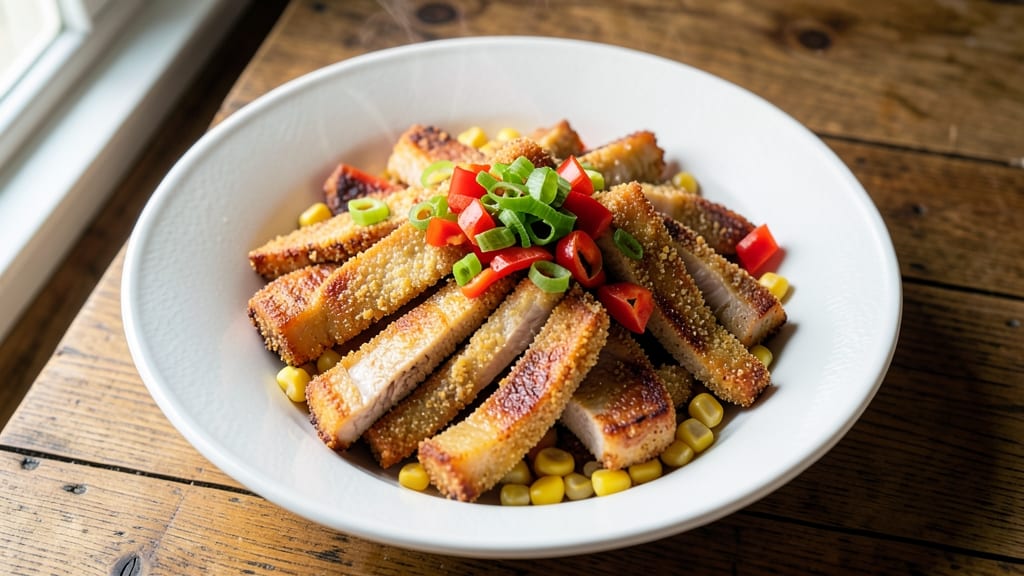
This crispy cornmeal-crusted pork strips recipe delivers the perfect balance of crunchy exterior and tender interior, elevated with a tangy glaze that makes every bite irresistible.
The secret lies in a simple cornmeal coating that stays crisp even after frying, while the glaze adds a bright contrast to the savory pork. I developed this method after years of testing different breading techniques, and it consistently delivers restaurant-quality results at home.
The process is straightforward but precise: thin pork strips are coated in a mix of cornmeal and spices, then pan-fried until golden brown before being tossed in a tangy glaze. This recipe works equally well for weeknight dinners or game day appetizers, and the leftovers reheat beautifully.
The cornmeal crust creates a satisfying crunch that holds up even after being coated in the glaze, ensuring you get that perfect texture with every bite.
What you'll end up with is a dish that's crispy on the outside, tender on the inside, and packed with flavor from the glaze. The tangy sweetness of the glaze cuts through the richness of the pork, creating a perfect balance that keeps people coming back for more.
Serve these with a side of roasted vegetables or a fresh salad for a complete meal that's sure to impress.
The beauty of this recipe is its adaptability—it works for grilling, pan-frying, or even baking, making it perfect for any cooking method you prefer. Whether you're feeding a crowd or just treating yourself, these crispy pork strips are guaranteed to be a hit.
Let's get started on creating this crowd-pleasing dish!
Ingredients for pork strips
Crispy cornmeal crust meets tangy glaze—this pork strips recipe delivers restaurant-quality bites every time.
| Ingredient | Amount | Notes |
|---|---|---|
| Boneless Pork Chops 🥩 | 1 ½ lb | Cut into 1/2-inch thick strips |
| Cornmeal 🌽 | 1 cup | Fine grind for even coating |
| All-Purpose Flour 🌾 | ½ cup | For extra crispiness |
| Garlic Powder 🧄 | 1 tbsp | Freshly ground preferred |
| Onion Powder 🧅 | 1 tbsp | For depth of flavor |
| Paprika 🌶️ | 1 tbsp | Smoked for extra richness |
| Salt 🧂 | 1 tsp | Kosher or sea salt |
| Black Pepper 🌶️ | ½ tsp | Freshly cracked for best flavor |
| Vegetable Oil 🫒 | ½ cup | High smoke point preferred |
| Honey 🍯 | ¼ cup | For the tangy glaze |
| Apple Cider Vinegar 🍎 | ¼ cup | For that bright tang |
| Soy Sauce 🍜 | ¼ cup | For umami depth |
| Garlic Cloves 🧄 | 2 cloves | Minced for the glaze |
| Fresh Ginger 🌿 | 1 tbsp | Grated for zing |
| Sesame Oil 🫒 | 1 tsp | For aromatic finish |
The pork chops are the star, so look for fresh, high-quality cuts—your local butcher shop often has the best selection. I prefer bone-in pork chops for extra flavor, but boneless works too. Cut them into 1/2-inch thick strips for even cooking. The cornmeal makes all the difference here—Bob's Red Mill fine grind is my go-to, but any fine cornmeal will work. For the glaze, local honey adds an extra layer of flavor, but store-bought is totally fine. Don't skip the apple cider vinegar—it's what gives that bright tang that cuts through the richness.
No cornmeal? Substitute crushed cornflakes or panko for a similar texture. Short on garlic powder? Fresh garlic works too—just use half the amount. The glaze is where you can get creative: swap soy sauce for hoisin or coconut aminos if you're avoiding soy. For a sweeter glaze, add a touch of maple syrup. If you're watching calories, use half the honey and double the vinegar. The sesame oil is optional but adds a nice aromatic finish—toasted sesame oil is best if you've got it.
Keep the pork strips in the fridge until ready to use, but don't thaw them first—cook them cold for extra crispiness. The cornmeal coating stays crispy for about 20 minutes after frying, so toss in the glaze right away. Store leftovers in an airtight container for up to 3 days, but they reheat best in a skillet with a splash of water. Freeze for up to 3 months—just thaw in the fridge overnight before reheating.
Why You'll Love This Recipe
- One-Pan Wonder: I swear by this for nights when I’m too tired to scrub pots—just toss the pork strips in cornmeal and flour, season with garlic and onion powder, and let the oven do the rest. No flipping, no fuss, and the sheet pan cleanup? Nonexistent.
- Crispy-Creamy Magic: That first bite—crunchy crust from the cornmeal, tender inside—is why I keep coming back. The garlic and onion powder work together like a secret handshake, giving it a savory punch without needing fancy marinades.
- Lunchbox Hero: Between us, these are my go-to for meal prep. Slice them up, pack with a side salad or roasted veggies, and they stay crispy for days. Honestly, my kids beg for leftovers more than I do—and that’s saying something.
- Budget-Friendly Powerhouse: Pork chops are cheap, and this recipe stretches them far. A single bag of cornmeal and flour covers multiple meals, and the spices? Already in my pantry. It’s the kind of dish that makes grocery day feel like a win.
Step-by-step instructions for crispy cornmeal-crusted pork strips
Here's how to achieve that perfect crunchy crust and sweet-tangy glaze every time.
Prepare the Pork Strips and Seasoning Mix
Cut the 1.5 lb boneless pork chops into ½-inch thick strips—this ensures even cooking and maximum crispiness. Pat them completely dry with paper towels, as any moisture prevents that golden crust from forming. In a shallow bowl, whisk together the 1 cup cornmeal, 0.5 cup all-purpose flour, 1 tablespoon each of garlic powder and onion powder, 1 tablespoon paprika, 1 teaspoon salt, and 0.5 teaspoon black pepper. This dry mix is your secret weapon for that addictive crunch.
I like to press the pork strips into the seasoning mix so they're fully coated—shake off any excess, but don't worry about getting it perfect. The key here is that even coating, which creates that satisfying crunch when you bite in. Let the seasoned strips sit for 10 minutes while you prepare the glaze—this gives the seasoning time to adhere properly.
Create the Sweet-Tangy Glaze
In a small saucepan, combine the 0.25 cup honey, 0.25 cup apple cider vinegar, 0.25 cup soy sauce, 2 minced garlic cloves, and 1 tablespoon freshly grated ginger. Bring to a gentle simmer over medium heat, then reduce to low and let it cook for 5 minutes until slightly thickened. You'll know it's ready when you can see the ingredients melding together—it should smell like a perfect balance of sweet, tangy, and savory.
Remove from heat and stir in the 1 teaspoon sesame oil. This aromatic oil adds that final layer of complexity that makes this glaze extraordinary. Keep the glaze warm while you cook the pork—you'll want to add it just before serving so it doesn't get too thick.
Fry to Golden Perfection
Heat the 0.5 cup vegetable oil in a large skillet over medium-high heat until it reaches 350°F—use a thermometer if you have one, but you'll know it's ready when a small piece of bread browns in 30 seconds. Working in batches to avoid crowding, add the seasoned pork strips and cook for 3-4 minutes per side until golden brown and cooked through to an internal temperature of 145°F.
Don't rush this step—the pork needs that time in the hot oil to develop that beautiful crust. If you see the oil smoking excessively, reduce the heat slightly. As the pork cooks, it'll release some of its juices, which helps create that crispy exterior while keeping the meat tender inside. Transfer the cooked strips to a paper towel-lined plate to drain excess oil.
Glaze and Serve Immediately
Return the skillet to medium heat and add the warm glaze, scraping up any browned bits from the bottom of the pan. Toss the crispy pork strips in the glaze until they're fully coated—this should take about 1 minute. The glaze will bubble slightly as it coats the pork, creating that beautiful glossy finish.
Serve immediately while the pork is still crispy and the glaze is warm. These strips are perfect for dipping in extra glaze or serving with a side of steamed vegetables. The contrast of that crunchy exterior with the sweet-tangy glaze is what makes this recipe truly special. Enjoy while they're hot!
Pro Tips For Making Pork Strips
- CRANK THE HEAT FIRST: Pork strips need a screaming-hot pan to seal the crust properly—don’t waste time warming oil gradually. After 2 minutes of sizzling, you’ll know it’s ready when the cornmeal-coating turns golden instantly (not brown). I used to cut the heat to avoid flare-ups, but that just makes the coating soggy.
- PAT DRY BEFORE DREDGING: Wet pork strips won’t stick to that cornmeal-flour mix no matter how hard you press. Wrap them in paper towels and squeeze out moisture like you’re wringing a sponge—this guarantees a crispy crust instead of a gluey mess. Yes, even if you’re impatient like me.
- SKIP THE CROWDING: Piling strips in the pan steams them instead of crisps them. Cook in batches—two at most—so they have room to brown. I learned this the hard way when my first batch came out greasy and limp. The extra 30 seconds waiting for the pan to reheat is worth it.
- USE COLD BUTTER FOR FLAVOR: Swap oil for cold butter (2 tablespoons) when frying—it adds richness and carries the garlic/onion powder flavors deeper into the meat. Let it melt slowly over medium heat after the initial sear, then finish with a splash of water to create a quick pan sauce. Sounds weird, but it works.
Troubleshooting great pork strips
Oil Too Hot?
If your oil starts smoking excessively, immediately reduce the heat to medium—this is your oil's way of telling you it's too hot. Smoking oil can burn the cornmeal coating and make your pork strips bitter.
I recommend using a candy thermometer to maintain 350°F—this ensures perfect crispiness without burning. If you don’t have a thermometer, test with a small piece of bread: it should brown in 30 seconds, not burn instantly. 🌡️
Pork Too Dry?
Overcooking is the #1 reason for dry pork strips. Use a meat thermometer to check for 145°F internal temperature—any higher and the meat will turn tough. Cook in batches if needed to avoid crowding the pan, which lowers oil temperature.
For extra moisture, add 1 tablespoon water or broth to the glaze before tossing the pork strips. This keeps them juicy even after reheating.
Glaze Too Thick?
If your glaze thickens too much while cooking, thin it with 1 teaspoon warm water or apple cider vinegar—this restores the perfect balance of sweet and tangy. I’ve found that simmering the glaze for no more than 5 minutes prevents over-thickening.
For a smoother finish, strain out the ginger and garlic after cooking if you prefer a cleaner texture. The glaze should coat the back of a spoon but still drizzle easily.
Crust Falling Off?
A soggy crust usually means moisture got trapped between the pork and coating. Pat your pork strips extra dry before seasoning—this is critical for crispiness. Let them sit in the seasoning mix for 10-15 minutes to help the coating adhere better.
If you’re short on time, chill the seasoned strips in the fridge for 30 minutes before frying to firm up the coating. This trick works like magic for restaurant-style results at home. 💡
Uneven Cooking?
Thin strips cook faster than thick ones, so cut all pieces to ½-inch thickness for consistency. If some strips brown too quickly, remove them and finish cooking in a 200°F oven for 2-3 minutes to ensure even doneness.
For extra insurance, use a kitchen scale to weigh your pork strips—aim for ¼-inch thick pieces. This prevents overcrowding and ensures each bite is perfectly cooked.
Glaze Not Sticking?
Cold pork strips won’t absorb glaze well, so toss them in the warm glaze immediately after frying while still hot. If your glaze isn’t clinging, add ½ teaspoon cornstarch to the saucepan while simmering—this thickens it slightly for better adhesion.
For a glossy finish, brush the strips with a little extra glaze before serving. The key is speed: work in small batches so the pork stays hot and the glaze stays warm. ✨
Nutrition facts
Frequently asked questions
Can I use boneless pork chops instead of pork loin for this recipe?
Boneless pork chops work perfectly—they're leaner and cut into ½-inch thick strips just like pork loin. For extra tenderness, score the fat cap lightly before cutting. Just be sure to pat them completely dry before seasoning to maintain that crispy crust.
How do I keep the cornmeal crust crispy after frying?
Work quickly—fry the strips in small batches to maintain oil temperature at 350°F. Toss them immediately in the warm glaze while still hot, then serve right away. The crust stays crisp for about 15-20 minutes after frying, so don't let them sit too long. For extra crunch, chill seasoned strips in the fridge for 30 minutes before frying.
What's the best way to reheat leftover pork strips?
Reheat in a skillet over medium heat for 2-3 minutes per side with a splash of water or broth to restore moisture. Avoid microwaving—they'll turn soggy. For crispiness, broil for 1-2 minutes after reheating. Store leftovers in an airtight container for up to 3 days.
Can I make this recipe without a deep fryer?
Yes! Use a large skillet with ½ inch of oil over medium-high heat. Maintain 350°F by testing with bread—it should brown in 30 seconds. Cook in single layers to avoid crowding. For an oven alternative, bake at 400°F for 12-15 minutes on a wire rack over a baking sheet. The cornmeal will still crisp beautifully!
How can I make this gluten-free?
Replace the all-purpose flour with ½ cup gluten-free flour blend and use 100% cornmeal for coating. For the glaze, ensure your soy sauce is tamari. All other ingredients are naturally gluten-free. The texture will be slightly different but still delicious. Test with a small batch first to adjust seasoning.