
Main Courses
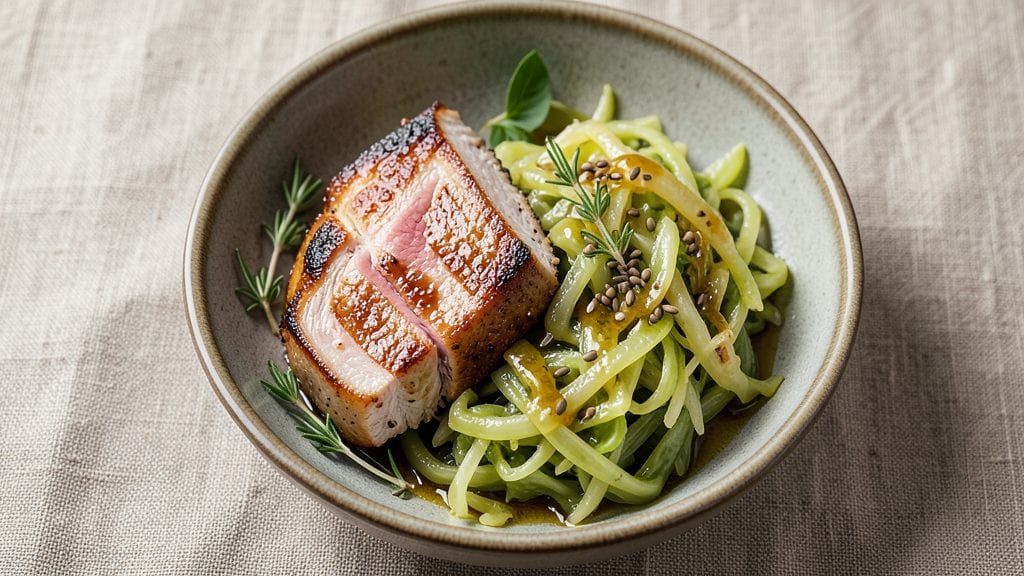
This pork tenderloin and sauerkraut recipe delivers a perfect balance of juicy, herb-crusted pork and tangy fermented cabbage that transforms a simple weeknight dinner into something memorable.
The secret lies in searing the pork to lock in moisture while building deep flavor through a simple yet effective seasoning blend—just salt, pepper, and fresh thyme.
I developed this dish after years of experimenting with German-inspired pairings, and the results speak for themselves: tender meat that melts in your mouth alongside crisp-tender sauerkraut with just the right bite.
The beauty of this recipe is its foolproof simplicity—no complicated techniques or rare ingredients required. You'll start with a 15-minute prep for the pork, followed by a 20-minute sear and roast that yields perfectly pink centers.
Meanwhile, the sauerkraut gets warmed with a splash of apple cider vinegar and a touch of caraway seeds, which enhances its natural tang without overpowering the dish. The combination of textures—tender pork, crisp cabbage, and caramelized edges—makes every bite satisfying.
What you'll end up with is a restaurant-quality meal that's ready in under an hour, yet feels like a special occasion dish. The pork stays moist and flavorful, while the sauerkraut adds a bright, fermented crunch that cuts through the richness.
This isn’t just a recipe; it’s a complete, balanced meal that pairs beautifully with roasted potatoes or a simple green salad. The best part? Leftovers reheat just as well, making it perfect for meal prep or feeding a crowd.
Whether you're serving this for a weeknight family dinner or a weekend gathering, the tender pork and tangy sauerkraut combination delivers bold, satisfying flavors without requiring advanced skills. Let’s get cooking—your taste buds will thank you.
Ingredients for pork tenderloin and sauerkraut
Juicy pork tenderloin meets tangy sauerkraut—just 13 ingredients for a restaurant-worthy weeknight meal.
| Ingredient | Amount | Notes |
|---|---|---|
| Pork Tenderloin 🥩 | 1 ½ lb | Center-cut, trimmed of silver skin |
| Fresh Thyme Leaves 🌿 | ½ cup | Stems removed, loosely packed |
| Kosher Salt 🧂 | 1 ½ tsp | Diamond Crystal preferred |
| Freshly Ground Black Pepper 🌶️ | 1 tsp | Coarse grind for texture |
| Unsalted Butter 🧈 | 2 tbsp | Cold for searing |
| Extra-Virgin Olive Oil 🫒 | 1 tbsp | For finishing drizzle |
| Sauerkraut 🥬 | 2 cups | Unopened jar, drained |
| Apple Cider Vinegar 🍎 | 1 tbsp | Raw, unfiltered preferred |
| Ground Caraway Seeds 🌾 | ½ tsp | Toasted for aroma |
| Yellow Onion 🧅 | 1 whole | Thinly sliced, for roasting |
| Garlic Cloves 🧄 | 3 cloves | Minced, for pork rub |
| Russet Potatoes 🥔 | 1 ½ lb | Cut into 1-inch cubes |
| Fresh Parsley 🌿 | ¼ cup | Chopped, for garnish |
The pork tenderloin is the star, so pick the plumpest cut you can find—center-cut with that gorgeous pink center. Whole Foods or your local butcher shop are great spots for this; ask for it trimmed of silver skin (the butcher can do this for you). Fresh thyme is a must here—dried won’t give the same bright aroma. I always grab extra because half gets torn over the finished dish. For the sauerkraut, look for the kind with no added vinegar—it’s got more natural tang. If you can’t find it, Reichardt’s or Bubbier’s are solid brands that ship nationwide. The caraway seeds? Penzeys sells them whole, and you can toast them in a dry pan for 30 seconds to wake up their flavor.
No fresh thyme? Dried works at one-third the amount, but it won’t be the same. Short on caraway seeds? Fennel seeds at the same quantity add a nice anise note. The apple cider vinegar can be swapped for white wine vinegar in a pinch, but the raw, unfiltered kind has more complexity. For the potatoes, Yukon Golds work too—just know they’ll be creamier. The pork rub is simple: salt, pepper, and minced garlic. Don’t skip the garlic—it’s what makes the crust stick. If you’re feeling fancy, add a pinch of smoked paprika to the rub for depth. The olive oil? Use something fruity and peppery—none of that bland supermarket stuff.
This dish reheats like a dream—better the next day as the flavors meld. Store the pork and sauerkraut separately in airtight containers for 3-4 days in the fridge. The potatoes? Keep them in a sealed container and reheat in the oven at 375°F for 10 minutes. For meal prep, I double the pork and sauerkraut, then portion into containers. The pork stays juicy when reheated gently—microwave in 30-second bursts with a splash of water to keep it moist. The sauerkraut can be frozen for up to 6 months, but it gets softer over time. Garnish with fresh parsley right before serving—it adds a pop of color and freshness.
Why You'll Love This Recipe
- One-Pan Magic: I swear by this trick—just sear the pork, toss in the sauerkraut, and let the thyme and butter work their magic. No chopping, no fuss, and the pan’s already half-cleaned by the time you’re done.
- Thyme for Something Rich: That first bite? The tenderloin stays juicy while the crispy edges sing, and the sauerkraut’s tang cuts through the richness like a bright note in a symphony. Honestly, the butter and thyme turn this into something restaurant-worthy without trying.
- Weeknight to Dinner Party: Serve it with mashed potatoes for a lazy Tuesday, or plate it with roasted apples for a cozy holiday meal. The same simple prep works for both—just adjust the sides, and suddenly you’re the hero of any table.
- Leftovers That Don’t Suck: Unlike so many pork dishes, this actually tastes better the next day. Slice the tenderloin thin, toss it back with a splash of pan juices, and reheat—it’s my go-to for quick lunches that don’t require thought. (Yes, even on a Tuesday.)
Step-by-step instructions for juicy pork tenderloin with fermented crunch
This method delivers melt-in-your-mouth pork with a perfect balance of crispy edges and succulent interior, paired with tangy sauerkraut that cuts through the richness beautifully.
Prepare the Pork with Herb-Rubbed Perfection
Pat the 1.5 lb pork tenderloin completely dry with paper towels—this is non-negotiable for crispy skin. In a small bowl, combine 0.5 cup fresh thyme leaves, 1.5 tsp kosher salt, 1 tsp freshly ground black pepper, 0.5 tsp toasted ground caraway seeds, and 3 minced garlic cloves. Rub this mixture all over the pork, pressing firmly so the spices adhere. Let it sit at room temperature for 30 minutes while you prep the rest—this ensures even cooking and maximum flavor penetration.
Here's the thing about pork tenderloin: it cooks quickly, so we want to maximize surface area contact with the spices. I like to make small slashes (about ¼-inch deep) along the sides of the tenderloin—just enough to let the rub sink in without letting the meat fall apart. This technique guarantees that every bite delivers that herbaceous, tangy punch we're after.
Roast Potatoes and Onions for Crispy Bedding
Preheat your oven to 425°F—this high heat is crucial for developing that satisfying crispiness in the potatoes. Toss 1.5 lb russet potatoes (cut into 1-inch cubes) and 1 whole yellow onion (thinly sliced) with 1 tbsp extra-virgin olive oil, 0.5 tsp kosher salt, and 0.25 tsp freshly ground black pepper. Spread them evenly on a rimmed baking sheet in a single layer—don't crowd them or they'll steam instead of crisp.
Roast for 25-30 minutes, stirring once halfway through, until the potatoes are golden brown and the onions are caramelized at the edges. You'll know they're done when they release easily from the pan and have developed a crispy exterior. This step creates the perfect textural contrast to the tender pork—crunchy bites that cut through the juicy meat with every forkful.
Sear the Pork for Maximum Flavor and Juiciness
While the potatoes roast, heat a large oven-safe skillet over medium-high heat. Add 2 tbsp unsalted butter and let it melt completely, then swirl to coat the pan. Place the pork tenderloin in the skillet, searing it for 3-4 minutes per side until it develops a deep golden-brown crust. This isn't just about looks—searing locks in juices and creates that irresistible crust that makes pork tenderloin so satisfying.
I press down gently on the fillet during the first minute to prevent curling, which ensures even contact with the pan. If the butter starts to smoke, reduce the heat slightly—you want it to brown, not burn. The pork should register 145°F internally at this point, but it'll carry over to 150°F while resting, giving you that perfect medium-rare finish.
Finish in the Oven with Sauerkraut
Transfer the skillet to the preheated oven and roast the pork for 10-12 minutes until it reaches 150°F internally. During the last 5 minutes, add 2 cups sauerkraut and 1 tbsp apple cider vinegar to the skillet. The sauerkraut will soften slightly from the residual heat, absorbing the pork's juices and developing a beautiful caramelized crust on the edges.
Here's where the magic happens: the tangy sauerkraut not only complements the pork's richness but also helps tenderize it further as it steams gently in the oven. The vinegar adds a bright acidity that cuts through the fat, balancing the dish perfectly. You'll smell that incredible aroma of caramelizing sauerkraut mixing with the pork's natural juices—this is your cue that everything's coming together beautifully.
Rest and Serve with Herb Garnish
Remove the pork from the oven and transfer it to a cutting board. Tent loosely with foil and let it rest for 10 minutes—this is absolutely critical for juicy slices. During this time, spoon the sauerkraut and any accumulated juices from the skillet onto a serving platter. The potatoes and onions can stay in the skillet until serving.
Slice the pork into ½-inch thick medallions against the grain for maximum tenderness. Garnish with 0.25 cup chopped fresh parsley and drizzle with any remaining pan juices. Serve immediately with the crispy potatoes and onions, and watch as everyone digs into this restaurant-quality dish that's surprisingly simple to make at home.
Pro Tips For Making Pork Tenderloin And Sauerkraut
- Sear Over High Heat: Get that pan screaming hot—cast iron or stainless steel—before adding the pork. I used to rush this, and the meat would steam instead of develop that golden crust. Two minutes per side, no peeking, or you’ll lose momentum.
- Pat Dry, Then Salt: Wipe the tenderloin with paper towels until it’s bone-dry, then season generously with kosher salt. Moisture is the enemy of a good sear, and the salt needs time to penetrate. (Yes, even if you’re impatient like me.)
- Skip the Sauerkraut Crowd: Don’t dump all the sauerkraut into the pan at once—it’ll steam instead of caramelize. Sear the pork first, then add half the sauerkraut, cook until it’s just starting to brown, and stir in the rest. This makes a real difference.
- Butter Bath at the End: After the pork rests, melt a pat of unsalted butter in the same pan, toss in the thyme leaves, and baste the meat for 30 seconds. The butter picks up all the fond left behind, and the thyme infuses like crazy. (Your future self will thank you.)
Essential equipment for this dish
Skillet Essentials
You’ll need a large oven-safe skillet (I use a 12-inch Lodge cast iron for its even heat distribution and natural non-stick properties after seasoning). Cast iron retains heat beautifully, which is crucial for that perfect sear.
If you don’t own one, a stainless steel skillet like the All-Clad Stainless works well too—just ensure it’s heavy enough to handle high heat without warping. 🔥
A meat thermometer is non-negotiable—ThermoWorks Smoke is my go-to for precision. It lets me monitor both the pork’s internal temperature and the oven’s heat simultaneously. Without one, you risk overcooking the pork or undercooking it dangerously.
A kitchen timer (like the OXO Good Grips) keeps track of those critical 10-12 minutes in the oven.
Prep Tools
For the herb rub, a small mixing bowl and a sharp chef’s knife (I prefer the Wüsthof Classic) are essential. The knife helps mince the garlic finely so it adheres to the pork.
A microplane comes in handy for zesting the lemon (if you add it) or grating the caraway seeds for a coarser texture. A wooden spoon helps toss the potatoes and onions without scratching your skillet.
Don’t overlook a rimmed baking sheet—it catches drips and prevents messes. I use half-sheet pans from Nordic Ware because they fit perfectly in my oven and distribute heat evenly.
A spatula (like the Mercer Culinary Genesis) helps flip the potatoes without breaking them, while a tongs makes it easy to transfer the sauerkraut to the skillet.
Sauerkraut Gear
For the sauerkraut, a wooden spoon (to avoid reacting with acids) and a small saucepan (if reheating separately) are useful. If you’re toasting the caraway seeds, a dry non-stick skillet on low heat works best—just 30 seconds max to avoid burning.
A fine-mesh strainer helps drain excess liquid if your sauerkraut is particularly wet. I also keep a small bowl nearby to mix the apple cider vinegar and any optional honey or mustard for extra depth.
For plating, a large serving platter and a small offset spatula make assembly easy. I like to arrange the pork slices first, then fan the sauerkraut around them, finishing with a drizzle of pan juices and a sprinkle of fresh parsley.
A twist of black pepper right before serving adds a final pop of flavor.
Nutrition facts
Frequently asked questions
How do I keep pork tenderloin from drying out?
Pork tenderloin cooks quickly, so the key is not overcooking and resting it properly. Use a meat thermometer to pull it at 145°F (it'll rise to 150°F while resting). Pat it dry before seasoning, and sear it in a hot skillet with butter to lock in moisture. Let it rest 10 minutes before slicing—this redistributes juices.
Can I substitute sauerkraut with another fermented vegetable?
Yes! Kimchi works beautifully—its spicy-sweet profile pairs well with pork. For a milder option, try fermented green beans or pickled beets. Just adjust the acidity: add 1 extra tbsp vinegar if using kimchi to balance the heat. The tangy crunch is what matters most.
What’s the best way to reheat leftovers?
Reheat pork tenderloin slices in a skillet over medium-low heat for 2-3 minutes per side with a splash of water or broth to keep them moist. For sauerkraut, warm it in a pan with a pat of butter for 5 minutes—don’t overheat or it’ll get mushy. Potatoes reheat best in a 375°F oven for 10 minutes until crispy again.
Why does my pork turn out gray inside?
This happens when pork cooks past 150°F—overcooking causes the proteins to tighten and squeeze out moisture, turning the center gray. Always use a thermometer and pull it at 145°F. If you’re unsure, cut into the thickest part: juices should run clear, not pink.
Can I make this dish ahead of time?
Cook the pork and sauerkraut separately, then store in airtight containers for 3-4 days. Reheat pork gently (see above) and warm sauerkraut with a splash of vinegar. Potatoes? Roast fresh for best texture, but you can reheat them in the oven. The flavors actually improve overnight as they meld!