
Sauces & Condiments
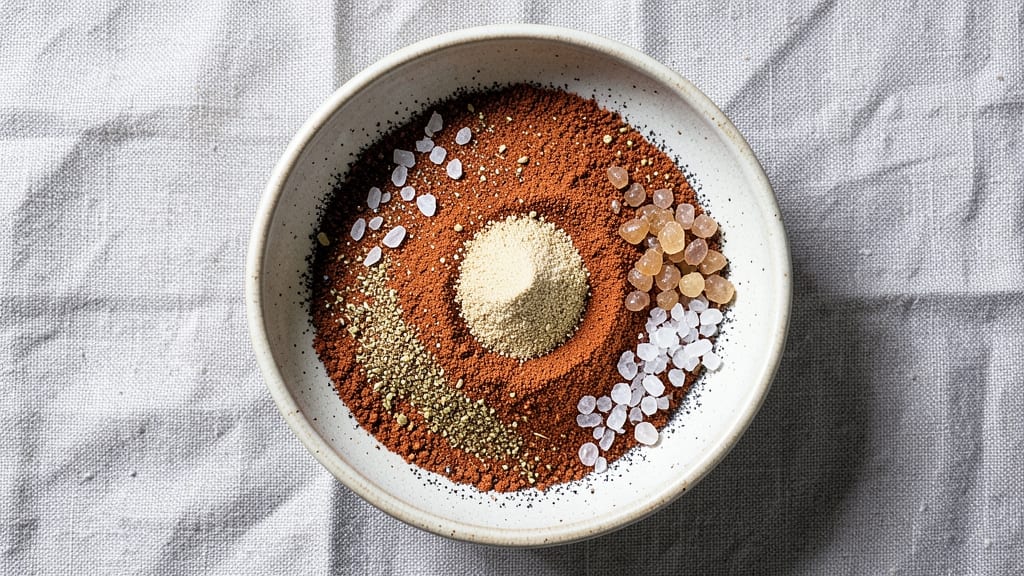
This pork tenderloin rub recipe transforms simple cuts into melt-in-your-mouth perfection with just a few dry spices and patience. The secret lies in a balanced blend of smoky paprika, earthy cumin, and warm brown sugar that creates a juicy crust while keeping the meat tender inside.
I developed this mix after years of testing—each ingredient plays a critical role in flavor development during the dry brine process.
The beauty of this dry rub is its simplicity: no oils, no marinades, just pure spice adhesion that enhances the pork’s natural sweetness. A 15-minute dry brine before cooking ensures the rub penetrates deeply, while high-heat searing locks in moisture.
Professional chefs swear by this technique for its foolproof results, and home cooks will appreciate how it elevates even the most basic cuts.
What you’ll achieve is a tender, caramelized crust with layers of smoky-sweet flavor that rivals restaurant-quality cuts. The rub’s versatility extends beyond pork—it works beautifully on chicken, lamb, or even vegetables. This is the kind of seasoning mix that turns weeknight dinners into standout meals without extra effort.
Perfect for grilling, roasting, or pan-searing, this rub requires just six ingredients and delivers restaurant-worthy results. Let’s get started with the precise measurements that make all the difference.
Ingredients for pork tenderloin rub
Six essential spices blend to create a smoky-sweet crust that transforms basic pork into restaurant-quality perfection.
| Ingredient | Amount | Notes |
|---|---|---|
| Smoked Paprika 🌶️ | 2 tbsp | High-quality smoked for depth |
| Ground Cumin 🌿 | 1 ½ tbsp | Toasted for enhanced aroma |
| Light Brown Sugar 🍯 | 1 ½ tbsp | Packed for precise measurement |
| Diamond Crystal Kosher Salt 🧂 | 1 ½ tsp | Fine grain for even distribution |
| Freshly Ground Black Pepper 🌶️ | 1 tsp | Cracked peppercorns preferred |
| Garlic Powder 🧄 | 1 tsp | Non-iodized for pure flavor |
The smoked paprika is the flavor anchor—Penzeys brand delivers the deepest, most consistent smoke profile, but McCormick works in a pinch if you're in a hurry. Toast your cumin seeds briefly in a dry pan before grinding for a nutty depth that elevates the entire blend. Light brown sugar provides that caramelized crust without overpowering; Domino brand packs consistently, but tap it firmly to avoid air pockets. For the salt, Diamond Crystal is the gold standard—its larger crystals dissolve perfectly during the dry brine, while Morton can sometimes leave grainy residue if not ground properly. The black pepper should be freshly cracked; pre-ground loses potency within weeks, so invest in a pepper mill if you cook frequently.
No smoked paprika? Substitute 1.5 tbsp regular paprika plus 0.5 tsp liquid smoke—just don't overdo it, or you'll taste the artificiality. Running low on cumin? Ground coriander at half the amount offers a citrusy brightness that pairs surprisingly well. The brown sugar can be swapped for turbinado or raw cane sugar, though they may create a slightly coarser texture. For garlic powder, granulated garlic works in equal parts, but it lacks the depth of true powdered garlic. If you're using this rub on vegetables, reduce the salt by half—veggies already contain natural sodium, and you don't want to over-salt delicate items like asparagus or Brussels sprouts.
Store this rub in an airtight container away from light and heat—it'll maintain peak potency for up to 6 months. For best results, make a small batch and use within 3 months to ensure maximum flavor development. The rub adheres best to dry meat, so pat your pork tenderloin thoroughly with paper towels before applying. For extra adhesion, lightly dust the meat with cornstarch before adding the rub—this creates a temporary barrier that helps the spices cling during the dry brine. The mixture yields enough for 2-3 pork tenderloins, so scale accordingly for larger batches.
Why You'll Love This Recipe
- Five-Ingredient Magic: I swear by this rub—just paprika, cumin, sugar, salt, and pepper. No fancy prep, no measuring headaches, and it transforms plain pork into something that tastes like it belongs on a restaurant menu.
- Sweet-Smoky Crave: That brown sugar and smoked paprika combo? It caramelizes into a sticky, savory crust that’s addictive. The cumin adds warmth, and the pepper cuts through—every bite is a little flavor explosion.
- Weeknight to Dinner Party: Same rub, endless uses. Pan-sear it for quick weeknight dinners or slow-roast for company. Even my picky uncle asked for seconds, and that’s saying something.
- Leftovers That Don’t Suck: Cook once, eat twice (or three times). The rub keeps the meat juicy and flavorful even reheated—perfect for meal prep or when you’re too tired to cook again. (Yes, even on a Tuesday night.)
Step-by-step instructions for pork tenderloin rub
Transform your pork tenderloin into a flavorful masterpiece with this smoky-spiced dry brine technique.
Combine Dry Ingredients for Even Distribution
In a medium mixing bowl, combine the 2 tablespoons smoked paprika with the 1.5 tablespoons ground cumin using a whisk or fork. This initial blend ensures the spices are thoroughly integrated before adding other components. The smoked paprika provides that deep, wood-fired character while the cumin adds earthy warmth that penetrates the meat during the dry brine process.
Next, add the 1.5 tablespoons light brown sugar and the 1.5 teaspoons diamond crystal kosher salt. The sugar serves a dual purpose here—it enhances the Maillard reaction for a better crust while balancing the savory spices. Use the back of a spoon to break up any sugar clumps before mixing. The fine grain of the kosher salt ensures even distribution throughout the rub.
Incorporate Aromatics and Final Seasoning
Add the 1 teaspoon freshly ground black pepper and 1 teaspoon garlic powder to the bowl. The freshly cracked peppercorns create a more complex flavor profile than pre-ground pepper, while the garlic powder adds subtle depth without overpowering the other spices. Mix all ingredients together until completely homogeneous, breaking up any remaining clumps with your fingers or the back of a spoon.
This thorough blending is critical—uneven distribution can lead to flavor pockets in your pork. The mixture should resemble coarse sand with no visible dry spots. At this stage, you can optionally press the rub through a fine-mesh sieve for an even finer texture, though this step is optional for most home cooks.
Apply the Rub to Pork Tenderloin
Pat the pork tenderloin completely dry with paper towels—moisture is the enemy of both adhesion and crust formation. Working in batches if needed, generously coat the entire surface of the tenderloin with the rub mixture, pressing firmly to ensure even coverage. Pay special attention to the ends and any crevices where the rub might not adhere naturally.
Place the rubbed tenderloin on a wire rack set over a rimmed baking sheet. This elevated position allows air circulation on all sides, preventing steam buildup that could soften the crust. Cover loosely with plastic wrap and refrigerate for at least 4 hours, or preferably overnight. This dry brine process is what transforms ordinary pork into tender, juicy perfection by breaking down muscle fibers and enhancing moisture retention.
Rest Before Cooking for Optimal Results
Remove the tenderloin from the refrigerator 30 minutes before cooking to allow it to come to room temperature. This gradual temperature adjustment ensures even cooking throughout. The rub should now be firmly adhered to the meat, creating a flavorful barrier that will develop into a beautiful crust during cooking.
At this stage, you're ready to cook your pork using your preferred method—whether that's searing in a hot cast-iron skillet, roasting in the oven, or even grilling. The rub will deliver that coveted smoky crust while keeping the interior tender and juicy. Remember, the key to success lies in that thorough dry brine—don't skip this essential step if you want restaurant-quality results at home.
Pro Tips For Making Pork Tenderloin Rub
- Prep the Rub Dry: Mix your smoked paprika, cumin, sugar, and salt before adding pepper—this keeps the spices from clumping into a wet paste. I learned this the hard way when my first batch turned into a sticky mess that wouldn’t stick to the meat.
- Pat It Like You Mean It: Use paper towels to thoroughly dry the pork before applying the rub—moisture is the enemy of crust. Skip this, and your spices will slide off instead of clinging. (Yes, even if you’re impatient like me.)
- Start Hot, Finish Slow: Sear the pork over maximum heat for 2-3 minutes per side to lock in the rub, then lower to medium-high. After burning three batches, I finally realized: high heat first = flavor, not char.
- Rest Under Foil: After cooking, tent the pork with foil and let it sit for 5-10 minutes—this keeps it juicy while the crust sets. I used to cut into it too soon, and the meat would dry out. (Your future self will thank you.)
Dietary considerations for this pork tenderloin rub
Gluten-Free Adaptations
This rub is naturally gluten-free since it contains no wheat-based ingredients, making it perfect for those with celiac disease or gluten sensitivities. The kosher salt and spices used are all certified gluten-free, so you can use this rub confidently without cross-contamination risks.
Always check your spice brands for gluten-free certification—I recommend Penzeys or Simply Organic for guaranteed purity. 🌾
Low-Sodium Options
For those monitoring sodium intake, reduce the 1.5 tsp kosher salt to just 1 tsp while keeping all other ingredients the same. The remaining spices will still provide robust flavor without overpowering the meat.
If you need even less sodium, consider using nature's seasoning salt-free blend as a 1:1 substitute—it maintains the same texture while cutting sodium by nearly half.
Dairy-Free Considerations
This rub is completely dairy-free and safe for lactose-intolerant individuals or vegan diets when used on plant-based proteins like jackfruit or seitan. The spices and sugar provide all the flavor without any milk derivatives.
For extra richness on plant-based meats, I sometimes add 1 tsp nutritional yeast to the rub for a cheesy umami note without dairy.
Allergen-Friendly Swaps
If you have nut allergies, this rub is already safe since it contains no nuts or nut-derived ingredients. For those with sulfa sensitivities, avoid turbinado sugar (which may contain trace amounts) and stick with regular brown sugar.
The garlic powder used should be labeled non-GMO and free from common allergens—I recommend Anthony's Goods brand for their strict quality standards.
Keto-Friendly Adjustments
This rub fits perfectly into a keto diet since it contains no added sugars beyond the minimal 1.5 tbsp brown sugar.
For strict keto compliance, reduce the sugar to 1 tbsp or omit it entirely—your pork will still develop a beautiful crust from the Maillard reaction between the spices and meat proteins. The cumin and smoked paprika provide plenty of flavor without carbs.
Diabetic-Friendly Version
For better blood sugar control, replace the 1.5 tbsp brown sugar with 1.5 tbsp erythritol or monk fruit sweetener. These sugar alcohols provide sweetness without spiking blood glucose levels.
The texture will be slightly grainier, but the flavor impact remains identical. I've found Lakanto brand monk fruit blend works best for this application. 💡
Nutrition facts
Frequently asked questions
Can I use this rub on other meats besides pork tenderloin?
This versatile rub works beautifully on chicken thighs, lamb chops, or even vegetables like Brussels sprouts or sweet potatoes. The smoky-sweet profile enhances the natural flavors of these proteins while creating that coveted crust. For vegetables, reduce the salt by half to avoid overpowering delicate flavors.
How long does the rub last in my spice cabinet?
Store this rub in an airtight container away from light and heat for up to 6 months. For best flavor, make small batches and use within 3 months. The spices retain maximum potency when kept dry and sealed properly. Pro tip: Use a small jar with a tight lid to prevent moisture absorption.
What's the best way to remove excess rub before cooking?
Gently tap the tenderloin over a bowl before cooking to remove loose rub particles. This prevents excess spices from burning in the pan. For extra adhesion, lightly dust the meat with cornstarch before applying the rub—this creates a temporary barrier that helps spices cling during the dry brine.
Can I make this rub without smoked paprika?
Yes! Substitute 1.5 tbsp regular paprika plus 0.5 tsp liquid smoke for the smoked paprika. Use sparingly—too much liquid smoke can taste artificial. For a different flavor profile, try 1.5 tbsp ground coriander instead, which adds citrusy brightness that pairs well with pork.
Why does my pork turn out dry after using the rub?
Overcooking is the most common cause. Pork tenderloin cooks quickly—use a meat thermometer and remove it when it reaches 145°F (medium-rare) for juicy results. Let it rest 10 minutes before slicing to redistribute juices. The dry brine process actually helps retain moisture, so proper cooking temperature is key.