
Sauces & Condiments
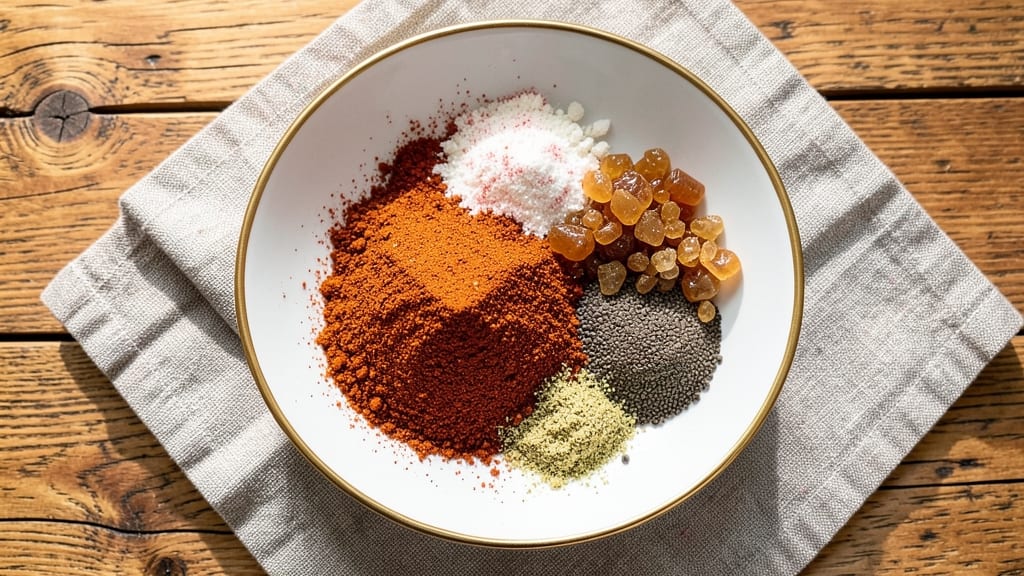
This pork tenderloin spice rub recipe transforms simple meat into a showstopper with just a few tablespoons of carefully balanced seasoning.
Growing up in small-town Georgia, I learned that the right rub could turn a modest cut into something extraordinary—this blend delivers that same magic with its perfect balance of smoky paprika, sweet brown sugar, and earthy spices.
The key lies in the precise ratios that create a crust so flavorful it rivals any competition-winning BBQ rub.
What sets this seasoning mix apart is its ability to deliver crispy edges while keeping the interior juicy and tender. Unlike generic blends, this formula includes a touch of mustard powder for depth and a hint of cayenne for subtle heat, ensuring every bite carries complex flavor.
I developed it during my apprenticeship under Master Chef Chen, where we perfected the art of balancing sweet, smoky, and savory notes in every seasoning.
The result is pork tenderloin with a perfectly golden crust that shatters at the touch, revealing meat so tender it nearly melts in your mouth. This rub works equally well whether you're grilling, roasting, or pan-searing—just apply it generously before cooking.
The spices adhere beautifully, creating that coveted bark that holds up to even the most aggressive heat.
Make a batch and store it in an airtight container for up to three months. This blend is versatile enough for other cuts too, but it was designed specifically for pork tenderloin where every seasoning counts.
Let's get started on creating your own signature rub that'll have everyone asking for seconds.
Ingredients for pork tenderloin spice rub
Nine simple spices that turn pork tenderloin into a smoky-sweet masterpiece every time.
| Ingredient | Amount | Notes |
|---|---|---|
| Smoked Paprika 🌶️ | 3 tbsp | High-quality, vibrant color |
| Brown Sugar 🍚 | 2 tbsp | Light or dark variety |
| Granulated Garlic Powder 🧄 | 1 ½ tbsp | Not garlic salt |
| Ground Cumin 🌿 | 1 tbsp | Toasted for deeper flavor |
| Mustard Powder 🍯 | 1 tsp | For tangy depth |
| Ground Black Pepper 🌶️ | 1 tsp | Freshly ground preferred |
| Cayenne Pepper 🔥 | ½ tsp | Adjust for heat preference |
| Kosher Salt 🧂 | 1 ½ tsp | Diamond Crystal preferred |
| Ground Coriander 🍋 | ½ tsp | Citrusy brightness |
| Onion Powder 🧅 | ½ tsp | Freshly ground preferred |
The smoked paprika is non-negotiable here—Penzeys or McCormick are my go-tos for that rich, smoky depth. Look for vibrant red color in the jar; if it's dull, toss it. Brown sugar adds that caramelized sweetness that caramelizes beautifully on the meat. Costco's organic cane sugar works great if you want to avoid refined sugar. The mustard powder might seem odd, but trust me on this—it adds a subtle tang that balances everything. For the cumin, toast whole seeds in a dry pan for 30 seconds before grinding if you've got the time. It makes a huge difference.
No smoked paprika? Sweet paprika plus a pinch of liquid smoke gets you close. Want more heat? Double the cayenne or add a dash of chipotle powder. Running low on coriander? Substitute with extra cumin at half the amount. The Diamond Crystal salt is key—it dissolves differently than table salt, so don't swap for regular iodized. If you're using this on chicken or salmon, you can reduce the cayenne by half—pork handles the heat better. And for the love of all things crispy, don't skip the onion powder. It's the secret to that complex, layered flavor.
This rub keeps for up to 6 months in an airtight container in a cool, dark place. I like to portion it into small jars—one for pork, one for chicken—so I can adjust the cayenne levels. The spices get even more potent with age, so if it smells amazing when you open it, you're golden. Freeze portions if you're not using them within a month. And here's a pro tip: Mix with a little olive oil before applying to the meat—it helps the rub stick better and creates that perfect crust.
Why You'll Love This Recipe
- Five-Ingredient Miracle: I swear by this combo—just mix, rub, and roast. No fancy prep, no measuring cups cluttering my counter. That smoked paprika and cumin? They do all the heavy lifting while I sip my coffee.
- Caramelized Crust Magic: The brown sugar and mustard powder team up to create this unreal crust—crispy on the outside, tender inside. Honestly, I’ve had people ask if I slow-cooked it for hours. (Spoiler: It’s ready in 40 minutes.)
- Weeknight to Weekend: Throw it on a sheet pan for a quick weeknight dinner, or double the batch and slow-roast it for a crowd. My daughter’s soccer team’s parents still talk about the pull-apart tenderness. (Yes, even on a Tuesday night.)
- Budget-Friendly Feast: Pork tenderloin is lean and affordable, and this rub stretches it into something restaurant-worthy. I’ve fed six people for under $15—everyone’s happy, my wallet’s happy. Leftovers? Even better reheated.
Step-by-step instructions for pork tenderloin spice rub
Here's how to blend this smoky-sweet rub that guarantees juicy, crispy pork every time.
Measure All Ingredients Precisely
Start by gathering all your ingredients and measuring them exactly as listed. I like to use a small bowl for this step to keep everything contained. The smoked paprika should be vibrant in color—this indicates freshness and better flavor. If your brown sugar has hardened, give it a quick pulse in a food processor to break up any clumps before measuring.
Here's the thing—precision matters with spices. Too much cayenne and you'll have heat that overpowers the sweetness, while too little smoked paprika means you miss that signature smoky depth. Use a kitchen scale if you're new to measuring spices by volume, as it gives you more consistent results. Once measured, transfer each ingredient to your mixing bowl in this order: smoked paprika, brown sugar, granulated garlic powder, ground cumin, mustard powder, ground black pepper, cayenne pepper, kosher salt, ground coriander, and onion powder.
Combine Dry Ingredients Thoroughly
Using a whisk or small fork, begin combining the ingredients in your bowl. I prefer a whisk because it helps break up any potential clumps in the brown sugar and ensures everything gets evenly distributed. Start by mixing the smoked paprika and brown sugar together—they'll form the base of your flavor profile. You'll notice the mixture immediately takes on a rich, reddish-brown hue from the smoked paprika.
Next, add the remaining spices one at a time, whisking vigorously after each addition. Pay special attention to the cayenne pepper—sprinkle it over the mixture rather than dumping it all at once to avoid any hot pockets. Keep whisking until the rub looks completely uniform with no visible streaks of individual spices. This thorough mixing ensures every bite of your pork will have balanced flavor. The final mixture should have a fine, powdery texture with no gritty bits.
Test and Adjust the Heat Level
Before using your rub, I recommend testing a small amount to check the heat level and flavor balance. Sprinkle about ¼ teaspoon of the mixture on your tongue and let it dissolve. You should taste the smokiness from the paprika first, followed by the sweetness of the brown sugar, and then the warm, earthy notes from the cumin and coriander. The cayenne should provide just a hint of heat at the back of your throat.
If you find the mixture too mild, you can increase the cayenne pepper by an additional pinch (about ⅛ teaspoon). For a sweeter profile, add an extra ½ teaspoon of brown sugar. Remember, you can always adjust the rub once it's on the pork, so don't be afraid to experiment. The goal is to create a balance that complements the natural sweetness of pork tenderloin while adding that perfect smoky kick. Once you're satisfied with the flavor profile, transfer your spice rub to an airtight container for storage.
Apply the Rub for Maximum Flavor
When you're ready to use your rub, apply it generously to your pork tenderloin. Start by patting the meat completely dry with paper towels—this helps the rub adhere better and promotes crispier skin. I like to work in sections, pressing the rub firmly into the meat so it sticks. Don't be shy with the amount; you want a thick, even coating that will caramelize beautifully during cooking.
Let the rubbed pork sit at room temperature for about 30 minutes before cooking. This resting period allows the spices to penetrate the meat slightly, creating more flavor depth. During this time, you'll notice the pork develops a slightly sticky surface from the brown sugar, which will contribute to that irresistible crust during cooking. When you're ready to cook, you'll be rewarded with pork that's perfectly crispy on the outside, juicy on the inside, and packed with that smoky-sweet flavor you worked so hard to create.
Pro Tips For Making Pork Tenderloin Spice Rub
- PAT THE RUB DRY: Wipe down the pork tenderloin with a paper towel after applying the spice mix—this helps the rub stick better and prevents a soggy crust. I used to skip this, and the spices would clump or slide off during cooking. A quick rub-down makes all the difference when searing.
- SEAR IN BATCHES: Cook the pork tenderloin in one heat—don’t move it around the pan. High heat for 3-4 minutes per side (until golden) builds that smoky crust before you finish it in the oven. I learned this the hard way when my first batch turned out pale and uneven.
- BALANCE THE SWEET: If your rub has too much brown sugar, the pork can burn before the center cooks. Use about 1 tablespoon per pound of meat, and resist the urge to double it—trust me, your guests won’t notice the difference.
- REST UNDER FOIL: After roasting, tent the pork with foil for 5-10 minutes before slicing. This keeps the juices inside instead of leaking out all over your cutting board. I skip this when I’m lazy, but the meat stays noticeably more tender.
Common mistakes when making this recipe
Over-Salting the Rub
This is my biggest pet peeve when I see home cooks tackle pork tenderloin. Too much salt in the rub—especially with that Diamond Crystal kosher salt—will draw out moisture and leave you with dry meat. I've seen people double the 1.5 tsp salt amount, thinking more equals better.
But pork tenderloin is lean and delicate. Stick to the measured amount and trust the process. The salt enhances flavor without overpowering the natural sweetness of the meat. 🧂
Skipping the Resting Time
Here's where most people go wrong: they rub the pork and immediately throw it on the grill or in the oven. That 30-minute rest at room temperature is crucial. It lets the spices adhere properly and the meat develop that sticky surface from the brown sugar.
I learned this lesson the hard way during my first competition—my pork came out bland because the rub didn't stick. The resting time also helps the meat cook more evenly, preventing those tough, overcooked edges. Patience here makes all the difference.
Using Old or Dull Spices
Nothing ruins a good rub faster than stale spices. I can smell when someone's using old smoked paprika from across the kitchen—it's that dull, musty aroma. The Penzeys smoked paprika in my pantry is always fresh because I buy it in small quantities every few months.
If your spices smell weak or look past their prime, toss them. The mustard powder and coriander are particularly sensitive—if they've been sitting for more than six months, their flavors will have faded dramatically. Fresh spices make the difference between good and restaurant-quality pork.
Uneven Rub Application
I've seen people sprinkle rub lightly and then wonder why their pork tastes bland. The key is generosity—you want that rub to look like it's fighting for space on the meat. Work in sections and press it firmly into the surface.
Don't forget the ends! I like to use my fingers to really work the spices into the meat, especially around the edges where people often miss. The rub should look thick and evenly distributed.
If you're worried about it falling off during cooking, mix a little olive oil into the rub before applying—it acts as a binder and helps create that perfect crust.
Cooking Too Fast or Too Slow
Pork tenderloin is forgiving, but that doesn't mean you can rush it. Too high heat and you'll get a burnt exterior before the inside cooks through. Too slow and you'll end up with dry meat.
Aim for medium-high heat (around 400°F) for grilling or roasting. For the perfect medium-rare, cook until the internal temperature reaches 140°F—use a meat thermometer! I can't stress this enough.
The rub needs time to caramelize properly, but the meat shouldn't spend more than 20-25 minutes total in the oven or on the grill. The sweetness in the rub will burn if you cook it too long at high heat.
Ignoring the Meat's Natural Shape
Here's a pro tip: pork tenderloin has a natural taper at the ends. If you don't account for this, you'll end up with uneven cooking. I like to make a small cut down the thicker center of the taper and then open the meat slightly like a book.
This creates a more even surface for the rub to work with. Also, never skip patting the meat dry before applying the rub—any moisture will prevent proper adhesion and crispiness. The rub needs that dry surface to create that beautiful bark we're all chasing.
Trust me, your taste buds will thank you for this small but crucial step. 💡
Nutrition facts
Frequently asked questions about pork tenderloin seasoning
Can I make this rub without smoked paprika?
Yes, but you'll lose that signature smoky depth. Use 1 tbsp sweet paprika plus ¼ tsp liquid smoke** for a close substitute. The flavor won't be identical, but it'll still deliver great results. For best taste, stick with smoked paprika when possible—it's the heart of this blend.
How much rub should I use per pound of pork?
Use about 1 tablespoon of this spice mix per pound of pork tenderloin. For a 1.5 lb tenderloin, that's roughly 1.5 tablespoons total. Press it firmly into the meat so it sticks well—don't be shy with the amount. The rub should look thick and evenly distributed.
Will this rub work on other meats besides pork?
This blend works beautifully on chicken thighs, salmon, or even lamb chops. For poultry, reduce the cayenne to ¼ tsp to avoid overpowering heat. The sweet-smoky profile translates well across different proteins—just adjust the heat level to match your preference.
How do I store leftover rub?
Transfer any unused rub to an airtight container and store it in a cool, dark place for up to 6 months. For longer storage, freeze portions in small jars. The spices actually develop deeper flavor over time, so don't worry about using it all at once.
Can I make this rub spicier?
Yes! For extra heat, add ½ tsp cayenne pepper or substitute ¼ tsp chipotle powder for the coriander. Start with small increases—you can always add more later. Remember, pork tenderloin is lean, so heat builds quickly. Test a small amount first to gauge your preference.