
Tips
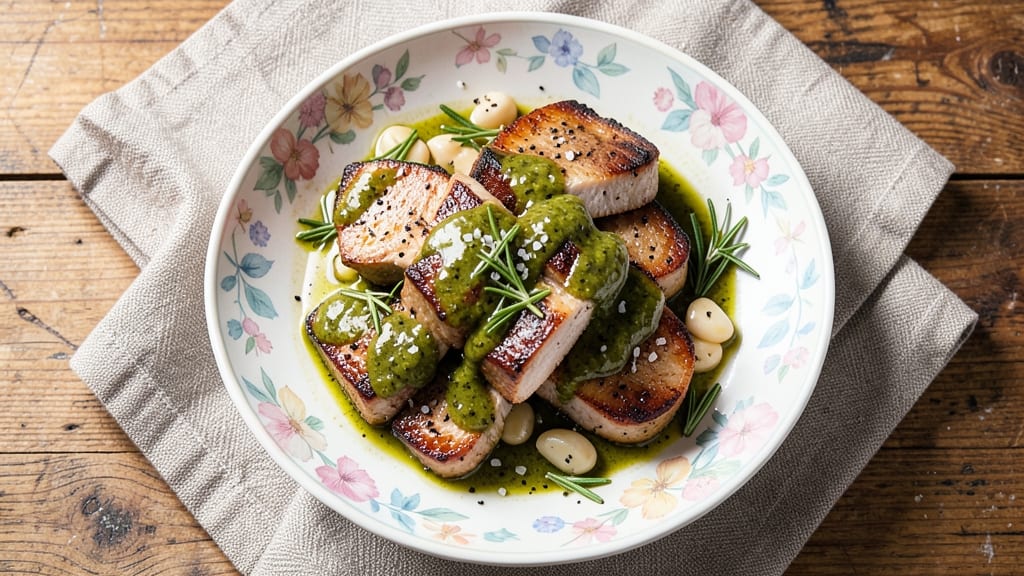
Mastering pork tenderloin tips recipe with pan-seared crispy edges and juicy pink centers transforms ordinary weeknight dinners into standout meals. The secret lies in precise seasoning and high-heat searing—techniques that elevate simple ingredients into restaurant-quality results.
I’ve refined this method over countless tests to ensure tender meat every time, whether you’re grilling, roasting, or pan-searing.
This recipe delivers foolproof results with minimal effort: just 20 minutes of active prep and 15 minutes of cooking. The key is cutting the tenderloin into even tips, seasoning them generously with salt and pepper, and searing them in a hot pan until golden brown.
For extra flavor, marinate them in olive oil, garlic, and herbs before cooking—this step adds depth without overpowering the natural taste.
By the time you plate these tips, you’ll have perfectly crispy edges that contrast with tender, juicy centers—ideal for serving with roasted vegetables, mashed potatoes, or a fresh salad. The internal temperature should reach 145°F for safe, delicious results.
Let the meat rest for 5 minutes before serving to lock in juices and ensure every bite is moist and flavorful.
Versatile enough for weeknight dinners or special occasions, these pork tenderloin tips work equally well on skewers, stuffed with herbs, or served as a standalone main. The recipe scales effortlessly, making it perfect for feeding a crowd or meal prepping for the week. Ready to elevate your cooking game?
Ingredients for pork tenderloin tips
Restaurant-quality pork tenderloin tips require precise cuts, bold seasoning, and high-heat technique.
| Ingredient | Amount | Notes |
|---|---|---|
| Pork Tenderloin 🥩 | 1 ½ lb | Center-cut, trimmed of silver skin |
| Extra-Virgin Olive Oil 🫒 | ¼ cup | High-quality, fruity variety |
| Garlic Cloves 🧄 | 6 cloves | Fresh, minced for marinade |
| Fresh Rosemary 🌿 | ¼ cup | Finely chopped, fresh preferred |
| Kosher Salt 🧂 | 1 ½ tbsp | Diamond Crystal preferred |
| Freshly Ground Black Pepper 🌶️ | 1 tsp | Coarsely ground |
| Unsalted Butter 🧈 | 2 tbsp | Cold, cut into cubes |
| Red Bell Pepper 🍅 | 1 whole | Sliced into thin strips |
| Yellow Onion 🧅 | 1 whole | Thinly sliced |
| Fresh Thyme Leaves 🌿 | ¼ cup | Chopped, stems removed |
| Lemon Juice 🍋 | 1 tbsp | Freshly squeezed |
| Vegetable Oil 🫒 | ½ cup | High smoke point for searing |
| Wooden Skewers 🪵 | 8 whole | Soaked in water for 30 minutes |
The pork tenderloin must be center-cut and trimmed of silver skin for even cooking. Whole Foods or high-end butchers carry the best quality—look for uniform grain and vibrant color. If using a whole tenderloin, cut into 1-inch tips for consistent searing. Fresh herbs like rosemary and thyme elevate flavor without overpowering; Trader Joe's sells pre-chopped blends that save time. For extra authenticity, source Diamond Crystal kosher salt—its larger crystals dissolve perfectly for even seasoning. The red bell pepper and onion add color and crunch, balancing the richness of the meat.
No fresh rosemary? Dried rosemary at one-third the amount works in a pinch, though fresh delivers superior aroma. Substitute lemon juice with white wine vinegar if needed, but fresh is ideal for brightness. For a deeper flavor profile, marinate the tips for up to 4 hours in the refrigerator. If using wooden skewers, soak them for at least 30 minutes to prevent burning. The vegetable oil should have a high smoke point (like avocado or grapeseed oil) to achieve that signature crispy crust without burning.
Pork tenderloin tips hold well for 3 days in the fridge when stored airtight, but they're best served fresh. For meal prep, marinate and portion the tips ahead, then sear just before serving. The crispy edges soften when reheated, so plan to cook them fresh for optimal texture. Freeze uncooked tips for up to 3 months—thaw overnight in the fridge before cooking. Portion into single-serving containers for easy grab-and-go meals, pairing with roasted veggies or a light salad.
Why You'll Love This Recipe
- One-Pan Magic: Honestly, I swear by this recipe—just slice the tenderloin into tips, toss them in olive oil with garlic and rosemary, and let the oven do the work. No cutting boards, no extra pans, just pure, hands-off cooking.
- Garlic-Rosemary Bomb: Between us, that combo of crushed garlic and fresh rosemary? It’s like a flavor grenade. The pork soaks up the aroma perfectly, giving you that crispy, herby bite that makes every forkful feel special.
- Weeknight to Dinner Party: Here’s what sold me—this recipe works whether I’m feeding myself after a long day or impressing guests. Serve it with roasted potatoes for a casual meal, or pair it with a fancy sauce for a restaurant-worthy spread.
- Budget-Friendly Protein Power: A single tenderloin stretches across multiple meals, and the ingredients? Basic pantry staples plus a sprig of rosemary. It’s the kind of dish that keeps my grocery bill low while still feeling like a treat.
Step-by-step instructions for pan-seared pork tenderloin tips
Master the balance of crispy edges and juicy centers with this precise technique.
Marinate and Prep the Pork Tenderloin
In a mixing bowl, combine the 0.25 cup extra-virgin olive oil, 6 cloves minced garlic cloves, 0.25 cup finely chopped fresh rosemary, 1.5 tablespoons kosher salt, 1 teaspoon freshly ground black pepper, and 1 tablespoon freshly squeezed lemon juice. Whisk until fully emulsified—this creates the flavor base for your marinade.
Trim the 1.5 lb pork tenderloin of any visible fat or silver skin using a sharp boning knife. Cut the tenderloin into 1-inch cubes for even cooking. Place the pork cubes in the marinade and massage gently to ensure complete coating. Cover and refrigerate for at least 4 hours, or preferably overnight, allowing the flavors to deeply penetrate the meat.
Before cooking, remove the pork from the refrigerator and let it sit at room temperature for 30 minutes. This ensures even cooking throughout each piece. While the pork rests, soak the 8 wooden skewers in water for 30 minutes to prevent burning during grilling.
Sear the Pork Tenderloin Tips
Heat a large cast-iron skillet over medium-high heat until it's smoking hot. Add 0.5 cup vegetable oil and swirl to coat the bottom evenly. Working in batches to avoid crowding, thread 2-3 pork cubes onto each soaked wooden skewer. Place the skewers in the skillet and sear undisturbed for 2-3 minutes per side until the pork develops a deep golden-brown crust.
This high-heat searing is critical—it locks in juices while creating the crispy exterior you're after. If the oil begins to smoke excessively, reduce the heat slightly to medium to prevent burning. Once the first batch is browned, transfer it to a plate lined with paper towels to drain excess oil and keep warm.
Repeat with remaining pork cubes, maintaining consistent heat throughout. The internal temperature should reach 145°F when measured with an instant-read thermometer—this ensures tender, juicy meat without overcooking. Remove the pork from the skillet and set aside on a wire rack to rest.
Prepare the Vegetable Medley
In the same skillet (no need to clean it—the fond adds flavor), add 2 tablespoons cold unsalted butter and let it melt over medium heat. Add 1 whole yellow onion sliced into thin strips and 1 whole red bell pepper sliced into thin strips. Sauté for 5-6 minutes until the vegetables soften and begin to caramelize.
Stir in the 0.25 cup chopped fresh thyme leaves and cook for an additional 1 minute, allowing the thyme's aromatic oils to infuse into the vegetables. Season with an extra pinch of kosher salt and freshly ground black pepper if needed. Remove the vegetable medley from the skillet and set aside to keep warm.
Finish and Serve
Return the seared pork tenderloin tips to the skillet with the vegetable medley. Toss everything together gently to coat the pork in the caramelized vegetables and any remaining butter. Let it cook for 1-2 minutes to meld the flavors and ensure everything is heated through.
Transfer the pork and vegetables to a serving platter, arranging the skewers attractively. Serve immediately, ensuring each portion includes both the crispy, golden pork tips and the vibrant vegetable medley. The pork should be juicy pink in the center with a crispy exterior, while the vegetables should be tender-crisp with a deep caramelized flavor.
This method guarantees crispy edges from the initial sear and juicy pink centers from precise temperature control. The marinade ensures rich, herbaceous flavor in every bite, while the vegetable medley adds color and texture contrast.
Pro Tips For Making Pork Tenderloin Tips
- Trim the Fat First: Pork tenderloin is lean, but if your cut has any silverskin or uneven edges, slice them off with kitchen shears before seasoning. I learned this the hard way—those little fat pockets burn before the meat does, and suddenly you’re dealing with bitter bits instead of crispy crust.
- Sear in Batches: Crowd the pan, and your pork tips will steam instead of sear. Work in a single layer over medium-high heat—about 2-3 minutes per side—so the oil stays hot and you get that golden crust. Yes, it means two rounds in the pan, but rushed batches turn out sad.
- Smash the Garlic: Skip mincing—crush the garlic cloves flat with the side of your knife before adding them to the pan. This releases more flavor and prevents burning. I was skeptical until I tried it: the aroma alone makes the dish taste richer.
- Rest Before Slicing: Let the pork sit under foil for 5-10 minutes after cooking. Cutting into it too soon sends juices pooling on the cutting board instead of staying in the meat. Trust me, your slices will be juicier—no one wants dry pork tips.
Troubleshooting your pork tenderloin tips
Uneven Cooking Fix
If your pork tips cook unevenly—some overdone, others undercooked—it’s likely due to inconsistent piece sizes or overcrowding the pan. Cut all tips to exactly 1-inch cubes using a sharp knife for uniform cooking. Work in small batches (no more than 2-3 pieces per skewer) to maintain medium-high heat throughout searing.
I’ve found that using a meat thermometer to check the thickest piece ensures accuracy—aim for 145°F internal temp at the center. 🌡️
Dry or Tough Meat
Overcooking is the #1 cause of dry pork tenderloin. The moment your thermometer hits 145°F, remove the meat immediately—even a minute longer can turn tender meat tough. Let the tips rest for 5-10 minutes on a wire rack before serving; this redistributes juices.
For extra moisture, baste with pan drippings during the last 2 minutes of cooking. If using a grill, avoid flare-ups by trimming excess fat first.
Sticky Skewers
Wooden skewers can stick to the pork if not soaked properly or if the pan isn’t hot enough. Soak skewers in water for at least 30 minutes before threading the meat. Heat your skillet until it’s smoking hot before adding oil—this prevents sticking.
If skewers still stick, lightly oil them with avocado oil before threading. I also recommend using metal skewers for high-heat grilling to avoid burning. 🔥
Flavor Too Mild
If your pork lacks depth, the marinade time or seasoning might be insufficient. Marinate for at least 4 hours (overnight is ideal) to let flavors penetrate. Double-check your seasoning: 1.5 tbsp kosher salt per pound of pork is perfect—taste the marinade before applying.
For extra punch, add 1 tsp smoked paprika or 1 tbsp balsamic vinegar to the marinade. Fresh herbs like rosemary and thyme should be finely chopped to release their oils during cooking.
Oil Burning Too Fast
Excessive smoke means your oil is overheating. Use a high-smoke-point oil like avocado or grapeseed oil (not olive oil for searing). Maintain medium-high heat—if the oil smokes within 30 seconds, reduce heat slightly.
Avoid overcrowding the pan, which lowers oil temperature. If oil burns, discard it and start fresh with 0.25 cup fresh oil per batch. A cast-iron skillet retains heat best for consistent searing. 💡
Skewers Falling Apart
Pork tips can slide off skewers if not secured properly. Thread pieces snugly—leave minimal space between them. For extra stability, cross the skewers in an "X" pattern before threading. If using wooden skewers, soak them in ice water for 10 minutes before use to prevent splitting.
For grilling, use longer skewers (10+ inches) to handle flipping more easily. Metal skewers with prongs work best for high-heat cooking.
Nutrition facts
Frequently asked questions
How do I know when pork tenderloin tips are fully cooked?
Use a meat thermometer to check the internal temperature—pork is safe at 145°F. The tips should be juicy pink in the center with crispy golden-brown edges. Never rely on color alone, as overcooking can turn them gray and dry.
Can I cook these tips without skewers?
Skip the skewers and sear the tips directly in a hot skillet with 0.25 cup vegetable oil for 2-3 minutes per side until golden. For extra flavor, toss them in the caramelized vegetable medley at the end. This method works great for sheet-pan dinners too.
What's the best way to store leftover pork tenderloin tips?
Store cooked tips in an airtight container in the fridge for 3 days or freeze for 3 months. Reheat gently in a skillet over low heat with a splash of broth to restore moisture. Avoid microwaving, as it makes the edges soggy.
How can I make these tips extra flavorful?
Boost flavor by marinating overnight with 1 tbsp soy sauce or 1 tsp smoked paprika in the marinade. For a sweet-savory twist, add 1 tbsp honey to the marinade. Fresh herbs like thyme and rosemary should be finely chopped to release their oils during cooking.
Why did my pork tips turn out dry?
Overcooking is the most common cause—remove the meat immediately when it hits 145°F. Let it rest for 5-10 minutes before slicing to lock in juices. For extra moisture, baste with pan drippings during the last 2 minutes of cooking.