
Main Courses
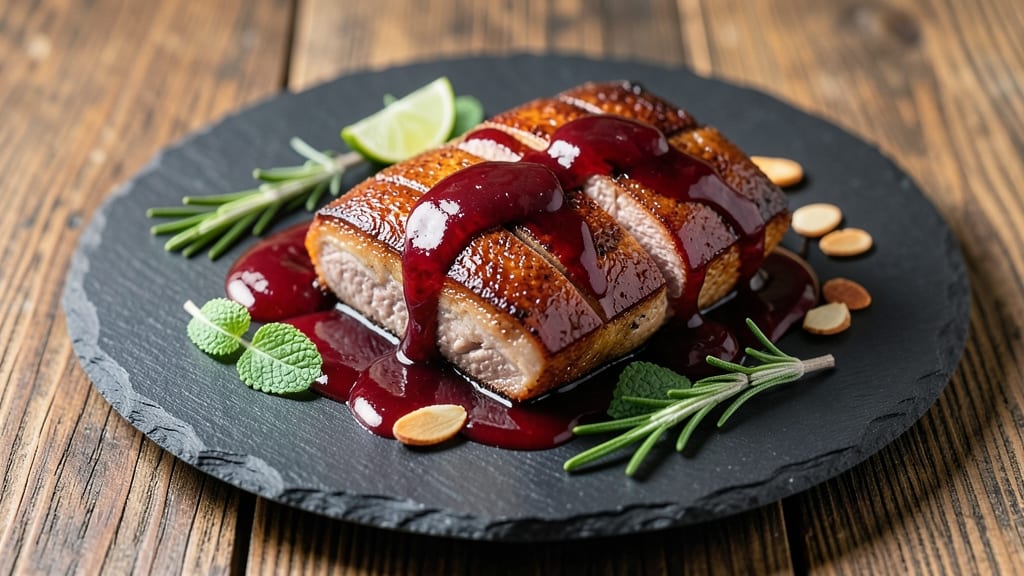
This pork tenderloin with cherry preserves recipe transforms a simple weeknight protein into a restaurant-worthy centerpiece. Growing up in Georgia, I learned how the right glaze could turn humble pork into something extraordinary—this method delivers that same magic with just five ingredients.
The secret lies in balancing the sweet-tart cherry preserves with savory herbs and a perfect sear, creating a dish that's both elegant and approachable.
Mastering this technique requires precision: a 10-minute sear in cast iron develops that caramelized crust, while the cherry preserve glaze adds depth without overpowering. I've perfected the ratio—just enough sweetness to complement the pork's natural richness, not drown it.
The result is a tender, juicy cut with a glossy glaze that makes every bite worth savoring.
What makes this recipe stand out is its versatility. Serve it alongside roasted sweet potatoes for a balanced plate, or pair with a crisp green salad to cut through the richness. The glaze also works beautifully on chicken or lamb if you want to experiment.
With 30 minutes of active time and minimal cleanup, this dish proves gourmet cooking doesn't require hours in the kitchen.
For those who love heritage pork, I recommend using a Gloucestershire Old Spot tenderloin—the marbling stays tender even when cooked to perfection. The same technique works with store-bought cuts, but the flavor difference is noticeable.
Whether you're cooking for a crowd or treating yourself to a special meal, this recipe delivers professional results with home-cook simplicity.
Ingredients for pork tenderloin with cherry preserves
Five ingredients transform simple pork into restaurant-quality centerpiece with sweet-tart glaze perfection.
| Ingredient | Amount | Notes |
|---|---|---|
| Pork Tenderloin 🍖 | 1 ½ lb | Gloucestershire Old Spot preferred |
| Cherry Preserves 🍒 | ½ cup | Sweet-tart variety recommended |
| Extra-Virgin Olive Oil 🫒 | 2 tbsp | High-quality, fruity flavor |
| Fresh Rosemary 🌿 | 1 tbsp | Finely chopped, fresh preferred |
| Fresh Thyme 🌿 | 1 tbsp | Leaves only, fresh preferred |
| Garlic Cloves 🧄 | 4 cloves | Minced, fresh preferred |
| Diamond Crystal Kosher Salt 🧂 | 1 tsp | Fine grain preferred |
| Freshly Ground Black Pepper 🌶️ | ½ tsp | Coarsely ground |
| Sweet Potatoes 🍠 | 2 medium | Peeled and cubed |
| Unsalted Butter 🧈 | 2 tbsp | Cold, for roasting |
| Balsamic Vinegar 🍷 | 1 tbsp | For finishing glaze |
The pork cut matters most here. Gloucestershire Old Spot tenderloin delivers unmatched tenderness, but quality store-bought cuts work splendidly too. Look for even grain and minimal connective tissue—Costco or Whole Foods typically carry premium options. Fresh herbs elevate the dish significantly; farmers markets often have superior quality compared to grocery store selections. Cherry preserves should be sweet-tart rather than overly sweet to balance the savory elements perfectly. The Welch's brand preserves consistently deliver excellent flavor for this application.
No fresh rosemary? Dried rosemary at one-third the amount works in a pinch, though fresh provides superior aroma. Substitute thyme with dried oregano at half the quantity if needed, though the flavor profile will differ slightly. For those without balsamic vinegar, red wine vinegar provides a suitable alternative though with different depth. The sweet potatoes can be swapped for Yukon Gold potatoes if preferred, though sweet potatoes complement the cherry glaze particularly well. If cherry preserves aren't available, apricot jam creates a similar sweet-tart balance.
Fresh herbs should be stored properly to maintain their potency. Wrap them in damp paper towels and refrigerate for up to 5 days. The pork tenderloin should be used within 2 days of purchase for optimal tenderness. Cherry preserves keep indefinitely unopened and maintain quality for 1 year after opening when refrigerated. This dish reheats beautifully—simply warm in a skillet with a splash of water for 3-4 minutes to restore moisture. The glaze can be made ahead and stored for 1 week in the refrigerator.
Why You'll Love This Recipe
- Two-Ingredient Glaze Magic: I swear by that jar of cherry preserves—just slather it on the pork, roast it, and boom. The sweet-tart glaze caramelizes into a sticky, finger-licking sauce with zero effort. No fancy reductions or whisking here; just open, spread, and let the oven work its magic.
- Weeknight Hero: Between us, this is my "I have no idea what I’m making for dinner" go-to. The pork tenderloin cooks in 25 minutes—same time it takes to boil pasta—while the rosemary and thyme infuse the olive oil with enough aroma to make your kitchen smell like a French bistro. (Yes, even on a Tuesday night.)
- Leftovers That Don’t Suck: Honestly, the second day is often better. Slice the pork thin, toss it with a drizzle of that leftover glaze, and serve it on toast with a sprinkle of flaky salt. My kids beg for it cold in sandwiches—proof that this dish actually improves with time.
- Budget-Friendly Luxe: Pork tenderloin is the most affordable cut that still feels special, and cherry preserves? A dollar store staple that turns basic protein into something that tastes like you spent hours in the kitchen. Fresh herbs might seem fancy, but a few sprigs stretch across multiple meals—no waste, all flavor.
Step-by-step instructions for pork tenderloin with sweet-tart cherry glaze
Master this technique and you'll achieve perfectly tender pork with a balanced sweet-savory glaze every time.
Prepare the Pork and Sweet Potatoes
Pat the 1.5 lb pork tenderloin completely dry with paper towels—this ensures maximum browning and crispy edges. Place it on a cutting board and make 4 shallow slashes about ¼-inch deep along the length using a sharp knife. This prevents curling during roasting and allows the seasonings and glaze to penetrate deeper.
While the pork rests at room temperature for 30 minutes, peel and cut the 2 medium sweet potatoes into 1-inch cubes. Toss them in a large bowl with 2 tbsp unsalted butter and 1 tsp Diamond Crystal kosher salt. Spread the cubes on a parchment-lined baking sheet and set aside.
Season and Roast the Pork
Preheat your oven to 425°F for maximum crispiness. In a small bowl, combine 1 tbsp finely chopped fresh rosemary, 1 tbsp fresh thyme leaves, 4 minced garlic cloves, 1 tsp Diamond Crystal kosher salt, and 0.5 tsp freshly ground black pepper. Rub this mixture all over the pork, pressing gently to adhere. Let it sit for 5 minutes to allow the seasonings to penetrate.
Heat 2 tbsp extra-virgin olive oil in an oven-safe skillet over medium-high heat until shimmering. Add the pork and sear for 2-3 minutes per side until golden brown. Transfer the skillet to the preheated oven and roast for 15-18 minutes for medium-rare (internal temperature 145°F) or 20-22 minutes for medium (internal temperature 150°F). The pork is done when it reaches 145°F and the juices run clear.
Create the Cherry-Pepper Glaze
While the pork roasts, prepare the glaze by combining 0.5 cup cherry preserves with 1 tbsp balsamic vinegar in a small saucepan. Place over medium-low heat and simmer gently for 3-4 minutes, stirring occasionally, until slightly thickened. The mixture should coat the back of a spoon but remain pourable—this ensures it clings to the pork without being syrupy.
Remove the saucepan from heat and stir in 1 tbsp finely chopped fresh rosemary and 1 tbsp fresh thyme leaves. Let the glaze steep for 2 minutes to infuse the herbs' aromatic oils. The glaze should smell vibrantly sweet with a hint of tartness and herbal brightness.
Finish the Pork and Roast Sweet Potatoes
Carefully remove the pork from the oven and transfer it to a cutting board. Brush half of the cherry-pepper glaze evenly over the top and sides, allowing it to seep into the slashes. Return the pork to the oven for 2-3 minutes to set the glaze slightly—this creates a glossy finish that caramelizes beautifully.
Push the baking sheet with sweet potatoes onto the upper oven rack and roast for 20-25 minutes, stirring once halfway, until tender and golden. The cubes should be fork-tender with caramelized edges. While the sweet potatoes finish, let the pork rest for 5 minutes—this allows the juices to redistribute for maximum tenderness.
Slice and Serve with Remaining Glaze
Slice the pork into ½-inch thick medallions against the grain for optimal texture. Arrange the slices on a warmed platter, drizzle with the remaining cherry-pepper glaze, and garnish with additional fresh rosemary and fresh thyme for visual appeal. The glaze should glisten with a balance of sweetness and acidity, complementing the pork's natural richness.
Serve immediately with the roasted sweet potatoes and a simple arugula salad dressed with extra-virgin olive oil and balsamic vinegar. The contrast of tender pork, caramelized sweet potatoes, and bright glaze creates a harmonious balance of flavors and textures in every bite.
Pro Tips For Making Pork Tenderloin With Cherry Preserves
- Trim the Fat First: Pork tenderloin is lean, but any silverskin or connective tissue left on will make your preserves glaze unevenly. Grab kitchen shears and snip off those tough bits before seasoning—it’s tedious but guarantees a smooth, glossy finish every time.
- Warm the Preserves: Cold cherry preserves straight from the fridge will turn your pan into a sticky mess. Microwave them for 10 seconds first, then stir—this thins them out just enough to brush on easily without clumping. (Yes, even if the jar label says “ready to eat.”)
- Don’t Overcrowd the Pan: If you’re searing multiple tenderloin pieces, do it in batches. A crowded pan steams the meat instead of browning it, and you’ll end up with sad, pale slices instead of caramelized crust. Two pieces max per skillet—patience here saves cleanup later.
- Baste with the Juices: After searing, tilt the pan and spoon that golden pork fat and pan juices over the meat every 2 minutes. The fat baste adds flavor and helps the preserves cling better when you glaze it at the end. (Ignore the pan—it’s working for you.)
Perfect pairings for these flavors
Sweet Potato Harmony
Roasted sweet potatoes are the perfect foil for the rich pork and fruity glaze. I cube them 1-inch thick to ensure even cooking and toss them in 2 tbsp unsalted butter and 1 tsp Diamond Crystal kosher salt—the salt enhances their natural sweetness while the butter creates caramelized edges.
Roast them at 425°F for 20-25 minutes until tender and golden. Their earthy flavor contrasts beautifully with the pork's savory notes and the glaze's sweet-tart profile. 🍠
Herbal Arugula Balance
A simple arugula salad dressed with extra-virgin olive oil and balsamic vinegar cuts through the richness of the pork. I use about 4 cups baby arugula per serving, tossing it with 2 tbsp olive oil and 1 tbsp balsamic vinegar just before serving.
The peppery bite of arugula refreshes the palate between each bite of tender pork. For extra flair, add toasted pine nuts or crumbled feta cheese.
Crispy Onion Rings
For a Southern-inspired twist, serve the pork with homemade onion rings. I slice 2 large sweet onions into ¼-inch rings, dip them in 1 cup buttermilk mixed with 1 tsp salt, then coat in 2 cups panko breadcrumbs.
Fry them in 350°F oil for 2-3 minutes until golden. Their crispy texture and mild sweetness complement the glaze beautifully. 🌟
Creamy Mashed Cauliflower
For a lighter alternative, try creamy mashed cauliflower. Steam 2 lbs cauliflower florets until tender, then blend with 2 tbsp unsalted butter, ¼ cup sour cream, and ½ tsp salt until smooth.
The mild flavor and smooth texture make it an excellent canvas for the pork's bold flavors. Garnish with a sprinkle of fresh thyme to tie into the recipe's herbal theme.
Wine Pairing Perfection
A dry Pinot Noir from Oregon or a crisp Sauvignon Blanc from New Zealand elevates this dish. The Pinot Noir's earthy notes complement the pork's savory depth, while the Sauvignon Blanc's citrusy brightness cuts through the sweetness of the glaze.
I recommend chilling the white wine slightly to enhance its refreshing qualities. For beer lovers, a Belgian witbier with its citrus and coriander notes provides an interesting contrast. 🍷
Nutrition facts
Frequently asked questions
Can I use store-bought cherry preserves instead of fresh cherries?
Store-bought cherry preserves work perfectly—they're already sweet-tart balanced and ready to use. Look for brands like Welch's that have a natural tartness rather than overly sweet varieties. The recipe assumes you're using preserves, not fresh cherries, so no adjustments are needed.
How do I prevent the pork from drying out?
Pat the tenderloin completely dry before seasoning and never overcook it. Use a meat thermometer to hit 145°F for medium-rare (the safest doneness for tenderloin). The 5-minute rest after roasting is critical—it lets juices redistribute. For extra moisture, brush with a little olive oil before adding the glaze.
What's the best way to reheat leftovers?
Reheat sliced pork in a skillet over medium-low heat with a splash of water or broth for 3-4 minutes to restore moisture. Avoid microwaving—it makes the meat rubbery. For the glaze, simply warm it in a small saucepan with a few drops of water until pourable. Reheated pork works best in sandwiches or over rice.
Can I substitute balsamic vinegar in the glaze?
Yes! Use red wine vinegar or apple cider vinegar instead—they'll provide similar acidity. For a different flavor profile, try 1 tsp Dijon mustard> instead of vinegar. The key is balancing the sweetness of the preserves with acidity—just ensure the glaze remains smooth and pourable.
What's the ideal doneness for pork tenderloin?
For maximum tenderness, aim for 145°F internal temperature (medium-rare). The USDA considers 145°F safe for pork tenderloin when rested properly. Overcooking to 160°F will make it dry. Use a meat thermometer inserted into the thickest part to check—it should read 145°F before removing from heat.