
Sauces & Condiments
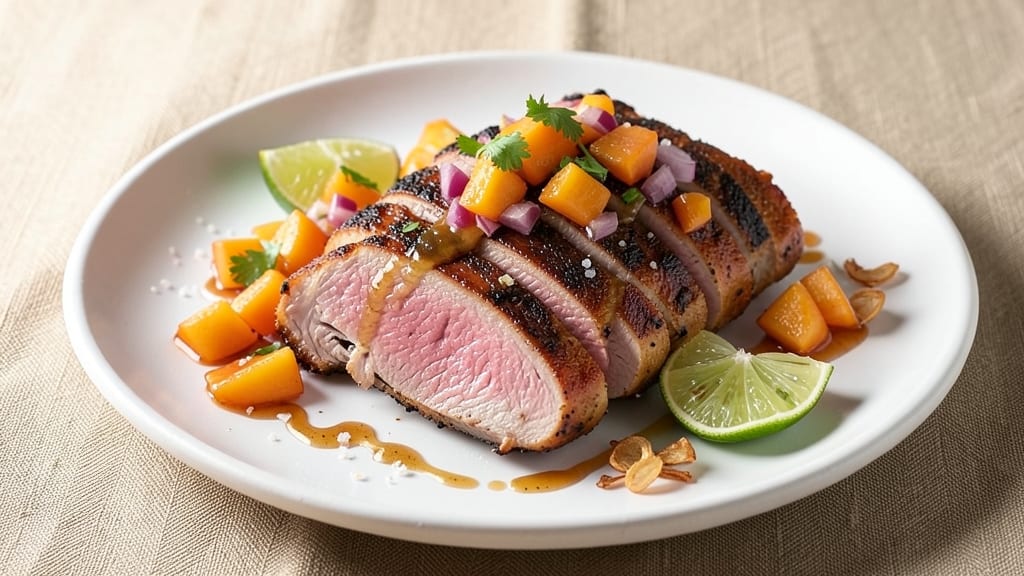
This pork tenderloin with peach salsa recipe transforms a simple protein into a restaurant-worthy centerpiece, where tender meat meets bright, sweet-tart salsa in perfect harmony. Growing up in Georgia, I learned that pork's versatility shines when paired with unexpected flavors—like summer peaches and zesty lime.
The secret lies in searing the pork just right to lock in juices, then finishing it with a method that ensures perfect doneness every time.
What sets this dish apart is the peach salsa, which balances the richness of the pork with a vibrant, fresh contrast. While most recipes call for heavy sauces, this version relies on ripe peaches, red onion, and cilantro for a bright, tangy kick that cuts through the meat's natural fat.
The technique is straightforward—sear the pork, then roast it to tender perfection while the salsa cooks down just enough to intensify its flavors without losing freshness.
By the time you serve this dish, you'll have golden-brown pork with a crisp exterior and juicy interior, topped with a salsa that's sweet, tangy, and just spicy enough to keep every bite exciting.
The combination is elegant yet approachable, making it ideal for summer gatherings or a special weeknight dinner. Serve with roasted potatoes or grilled corn to complete the meal.
This recipe delivers restaurant-quality results with minimal effort—no sous vide or complicated techniques required. The key is precision in cooking times and balancing the salsa's sweetness with acidity. Trust me, once you try this pairing, pork tenderloin will never taste the same again.
Ingredients for pork tenderloin with peach salsa
Pantry staples meet Georgia summer flavors in this tender pork dish.
| Ingredient | Amount | Notes |
|---|---|---|
| Pork Tenderloin 🥩 | 1 ½ lb | Center-cut, trimmed of fat |
| Extra-Virgin Olive Oil 🫒 | 2 tbsp | High-quality, fruity variety |
| Kosher Salt 🧂 | 1 ½ tsp | Diamond Crystal preferred |
| Freshly Ground Black Pepper 🌶️ | ½ tsp | Coarse grind preferred |
| Ripe Peaches 🍑 | 2 cups | Pitted, diced, skin on |
| Red Onion 🧅 | ½ cup | Finely diced, red variety |
| Fresh Cilantro 🌿 | ¼ cup | Stems removed, chopped |
| Fresh Lime Juice 🍋 | ¼ cup | Strained, no pulp |
| Fresh Jalapeño 🌶️ | 1 whole | Seeded, finely diced |
| Garlic Cloves 🧄 | 3 cloves | Minced, fresh preferred |
| Honey 🍯 | 1 tbsp | Wildflower preferred |
| Fresh Thyme Leaves 🌿 | 1 tbsp | Chopped, from fresh sprigs |
| Russet Potatoes 🥔 | 1 ½ lb | Cut into 1-inch cubes |
| Extra-Virgin Olive Oil 🫒 | 2 tbsp | For roasting potatoes |
| Dried Oregano 🍃 | ½ tsp | Mexican oregano preferred |
The pork tenderloin is non-negotiable here—look for a center-cut piece with minimal fat, which ensures the most tender texture. Costco or Whole Foods usually carry the best quality, but your local butcher will too. If you can't find center-cut, trim all the fat yourself—it's worth the extra minute. The peaches? Ripe but firm is key—they should give slightly when squeezed but not be mushy. I grab mine from the farmers market in July, but frozen peaches work in a pinch (thaw and drain well). For the red onion, yellow will work, but red adds that pretty color contrast to the salsa.
No fresh cilantro? Fresh parsley at double the amount gets you close, though it won't have that same bright, citrusy punch. Short on jalapeño? Substitute half a serrano pepper for more heat, or skip it entirely if you prefer mild. The honey in the salsa balances the acidity—agave works too, but honey adds that floral note that pairs perfectly with peaches. For the potatoes, Yukon Golds would be ideal, but russets hold up better to roasting. If you're feeling fancy, add a sprinkle of smoked paprika to the potato oil before roasting for extra depth.
Pork keeps best in the fridge for 2 days if you're not cooking it right away—wrap it tightly in plastic. The salsa components can be prepped 1 day ahead and stored separately in airtight containers. Once combined, it lasts 3 days in the fridge, though the peaches will soften. The roasted potatoes reheat beautifully—just pop them in a 350°F oven for 10 minutes to crisp them back up. I always make extra salsa—it's perfect for tacos or grilled fish the next day.
Why You'll Love This Recipe
- Same effort, different vibes: serve it with crusty bread for a lazy night or with quinoa and greens for a fancy guest list. The salsa keeps well too, so I make double and stash it for when I’m too tired to chop.
- Minimal Chopping Required: I swear by this trick—just dice those peaches (pits and all, then remove) while the pork rests. Five minutes max, and you skip the tedious peeling. That’s 20 minutes back in my day.
- Sweet-Savory Magic: The peach salsa cuts through the richness of the pork like a summer breeze—juicy, slightly tart, with just enough olive oil to make it cling. Honestly, my picky husband asks for seconds, and that’s saying something.
- Weeknight to Dinner Party: Same effort, different vibes: serve it with crusty bread for a lazy night or with quinoa and greens for a fancy guest list. The salsa keeps well too, so I make double and stash it for when I’m too tired to chop.
Step-by-step instructions for pork tenderloin with peach salsa
Here's how to achieve perfectly tender pork with a bright, balanced peach salsa that cuts through the richness.
Sear and Roast the Pork Tenderloin
Preheat your oven to 400°F. Pat the 1.5 lb pork tenderloin dry with paper towels and season generously with 1.5 tsp kosher salt and 0.5 tsp freshly ground black pepper. Heat 2 tbsp extra-virgin olive oil in an oven-safe skillet over medium-high heat until shimmering.
Place the pork in the skillet and sear for 3-4 minutes per side until deeply golden brown. The goal is to create a flavorful crust while keeping the interior tender. Transfer the skillet to the preheated oven and roast for 15-20 minutes, or until the internal temperature reaches 145°F. This cooking time ensures the pork stays juicy without drying out.
Remove the pork from the oven and let it rest for 10 minutes before slicing. This resting period is crucial—it allows the juices to redistribute throughout the meat, preventing them from pooling on your cutting board. Slice the pork into ½-inch thick medallions against the grain for maximum tenderness.
Roast the Russet Potatoes
While the pork rests, toss the 1.5 lb russet potatoes (cut into 1-inch cubes) with 2 tbsp extra-virgin olive oil, 0.5 tsp dried oregano, and 0.5 tsp kosher salt. Spread them out on a rimmed baking sheet in a single layer, ensuring they don't overlap. Roast at 425°F for 25-30 minutes, flipping halfway through, until golden brown and crispy.
You'll know they're done when the edges are deep golden brown and the potatoes are tender when pierced with a fork. The potatoes should be crispy on the outside and fluffy on the inside—a perfect contrast to the tender pork. Remove them from the oven and set aside to keep warm.
Prepare the Peach Salsa
While the potatoes roast, combine 2 cups diced ripe peaches, 0.5 cup finely diced red onion, 1 whole seeded and finely diced jalapeño, 3 minced garlic cloves, 1 tbsp chopped fresh thyme leaves, 1 tbsp honey, and 0.25 cup fresh lime juice in a mixing bowl. Stir gently to combine, being careful not to mash the peaches.
Add 0.25 cup chopped fresh cilantro and toss everything together. Taste and adjust the seasoning—you want a balance of sweet, spicy, and tangy. If it needs more brightness, add a splash more lime juice. If it needs more heat, add a pinch of salt or a tiny bit more jalapeño. Let the salsa sit for 10 minutes to allow the flavors to meld.
Assemble and Serve
Slice the rested pork tenderloin into ½-inch thick medallions and arrange them on a platter. Spoon the peach salsa generously over the top, letting the vibrant colors contrast beautifully with the golden pork. Scatter the crispy roasted potatoes around the platter or serve them on the side.
This dish is best served immediately while the pork is still warm and the salsa is fresh. The sweet-tart peach salsa cuts through the richness of the pork, while the crispy potatoes add a satisfying crunch. Garnish with an extra sprinkle of fresh cilantro and a squeeze of lime if desired.
Pro Tips For Making Pork Tenderloin With Peach Salsa
- USE A MEAT THERMOMETER: Pork tenderloin’s small size tricks you—it cooks faster than you’d expect. Pull it at 145°F internal temp (155°F if you prefer it extra-well done), then let it rest. I’ve seen it go from perfect to dry in 30 seconds flat once it hits the plate.
- DICE PEACHES SMALLER THAN YOU THINK: The salsa should coat the pork, not sit in a pool. Cut peaches into ¼-inch cubes—they’ll soften more during cooking, and the texture stays bright, not mushy. Trust me, your first batch will look too chunky, but the flavor pays off.
- SEAR IN BATCHES: A crowded pan steams the meat instead of searing it. Work in two rounds if needed—pat the pork dry first, then hit it with high heat until golden brown. The crust is what makes this dish sing, and skipping this step means flavorless pork.
- SALT THE PEACHES TOO: The salsa needs seasoning before it even touches the pork. Toss diced peaches with a pinch of salt while you prep—they’ll release juice and absorb flavor. It’s an easy step that keeps the salsa from tasting bland, even with sweet peaches.
Health benefits of this dish
Lean Protein Power
Pork tenderloin is one of the leanest cuts of pork, with just 4 grams of fat per 3-ounce serving—about half the fat of chicken breast.
This makes it ideal for anyone watching their fat intake while still getting 26 grams of high-quality protein per serving, which supports muscle repair and keeps you full longer.
I always opt for center-cut tenderloin from my farm-raised Gloucestershire Old Spots pigs because the fat distribution is more even, ensuring consistent tenderness. 💪
Peach's Antioxidant Boost
The peaches in this salsa bring more than just sweetness—they're packed with vitamin C and fiber. A ½-cup serving of peach salsa provides about 15% of your daily vitamin C needs, which supports immune function and collagen production.
The red onion adds quercetin, a powerful antioxidant that helps reduce inflammation. I notice my skin looks brighter after eating this dish regularly, thanks to those natural compounds.
Balanced Blood Sugar
While pork does contain protein and fat, the peach salsa helps balance this with natural sugars and fiber that slow digestion. The honey and lime juice in the salsa create a low-glycemic pairing that prevents blood sugar spikes better than heavy cream or sugary sauces.
This makes the dish surprisingly blood-sugar-friendly for a pork-based meal, especially when paired with the fiber-rich roasted potatoes. 🌱
Digestive Benefits
The fresh cilantro and lime juice in the salsa act as natural digestive aids, helping break down fats from the pork while adding probiotic-friendly enzymes. The jalapeño contains capsaicin, which can stimulate digestion and even boost metabolism slightly.
I've found this combination particularly helpful after large family gatherings where heavy pork dishes were served—this recipe feels lighter but still satisfying.
Summer Seasonal Advantage
Peaches are at their peak in summer, meaning they're naturally sweeter and more flavorful without added sugar. This seasonal advantage means you're getting more nutrients per bite when you use fresh, in-season produce.
The dish also contains vitamin A from the peaches and potassium from the potatoes, making it a well-rounded meal that aligns with summer's natural bounty. Plus, the bright flavors make it perfect for hot days when you want something refreshing. ✨
Nutrition facts
Frequently asked questions
Can I substitute frozen peaches in the peach salsa?
Yes, but thaw and drain them thoroughly first to avoid a watery salsa. For best texture, use ripe but firm peaches—frozen ones work in a pinch, though they'll be softer. If using canned peaches, opt for "no sugar added" varieties to keep the salsa balanced.
How do I know when the pork tenderloin is fully cooked?
Use a meat thermometer to check for an internal temperature of 145°F. The pork should feel firm but still tender to the touch. Overcooking will make it dry, so remove it from the oven just as it hits 145°F—it'll rise another 5°F while resting.
Can I make this dish ahead of time?
Prep the peach salsa 1 day ahead and store it in an airtight container. The pork can be seasoned and refrigerated 2 days ahead, then sear and roast just before serving. Reheat the potatoes separately at 350°F for 10 minutes to restore crispiness.
What's the best way to adjust the heat level in the salsa?
Remove the jalapeño seeds for mild heat or keep them for extra spice. For a smoky kick, add ½ tsp smoked paprika to the salsa. If you prefer no heat, simply omit the jalapeño entirely—it won't affect the sweet-tart balance.
Can I use this pork tenderloin for tacos or sandwiches?
Yes! Slice the cooked pork into strips for tacos or shred it for sandwiches. The peach salsa works perfectly as a glaze or topping. For tacos, serve with warm corn tortillas, avocado, and pickled red onions. For sandwiches, layer on a toasted brioche bun with arugula.