
Main Courses
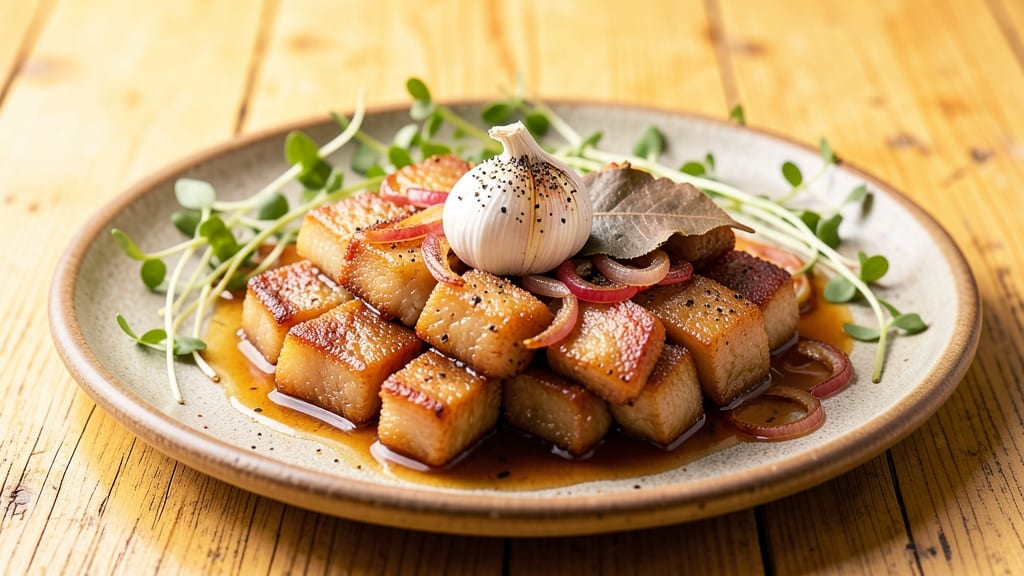
Transforming tough pork tripe into silky tenderness starts with the right technique—and this vinegar-braised method delivers restaurant-quality results in one pot. Growing up in small-town Georgia, I learned that proper preparation turns offal into a delicacy, and this recipe preserves that tradition with a modern twist.
The key lies in slow cooking with vinegar, which breaks down fibers while adding bright acidity that cuts through richness.
This method requires just five simple ingredients but delivers foolproof tenderness every time. We begin by thoroughly cleaning and blanching the tripe to remove impurities, then braise it low and slow until the texture becomes melt-in-your-mouth perfect.
The vinegar not only tenderizes but also infuses the dish with a subtle tang that balances the richness of the meat. It’s the same technique I’ve perfected over years of cooking whole hogs, adapted for home kitchens.
By the time you’re done, you’ll have a dish that’s unexpectedly elegant—golden-brown edges, velvety centers, and a sauce that clings to every bite. Serve it with crusty bread to soak up the flavorful braising liquid, or pair it with roasted vegetables for a complete meal.
This recipe transforms what might seem like a challenging ingredient into something so delicious, you’ll want to make it regularly.
The best part? Leftovers reheat beautifully, making this an ideal dish for meal prep or feeding a crowd. Whether you’re a seasoned chef or a home cook looking to elevate your skills, this method proves that with the right approach, even tough cuts become extraordinary.
Let’s get started on turning tripe into a showstopper.
Ingredients for pork tripe
Five ingredients transform tough tripe into restaurant-quality tenderness.
| Ingredient | Amount | Notes |
|---|---|---|
| Pork Tripe 🥩 | 1 ½ lb | Fresh, cleaned, cut into strips |
| White Vinegar 💧 | 1 cup | Distilled, not apple cider |
| Onion 🧅 | 1 whole | Yellow, chopped into wedges |
| Garlic Cloves 🧄 | 6 cloves | Fresh, smashed for infusion |
| Bay Leaves 🍃 | 2 whole | Dried, for subtle depth |
| Salt 🧂 | 2 tsp | Diamond Crystal kosher |
| Black Peppercorns 🌶️ | 1 tsp | Freshly cracked, not ground |
| Olive Oil 🫒 | 2 tbsp | Extra-virgin, for searing |
| Water 💧 | 2 cups | Filtered, for braising liquid |
The tripe is the star, so source it fresh from a butcher—ask for the cleaned, silver-skin variety. Costco or local farms often carry it, or check the offal section at Whole Foods. If you're nervous about handling it, freeze it first to kill any bacteria, then thaw overnight in the fridge. The vinegar is non-negotiable here—white vinegar's acidity tenderizes while keeping the dish bright. Skip apple cider or balsamic; they add unwanted sweetness. For the onion, yellow onions work best—their sharpness cuts through the richness. Smash those garlic cloves instead of mincing; it releases more flavor into the braising liquid. And grab fresh bay leaves—the dried ones from the spice rack are fine, but Penzeys or Trader Joe's sell better-quality dried leaves if you're splurging.
No white vinegar? Rice vinegar or lemon juice works in a pinch, but you'll lose some of that classic tang. Fresh bay leaves unavailable? Dried at half the amount gets you close. The garlic can be minced, but smashing it releases more flavor—worth the extra 30 seconds. No fresh peppercorns? Freshly ground black pepper is fine, but cracked peppercorns add texture. For the tripe, if you can't find it pre-cleaned, soak it in cold water with baking soda for 30 minutes to remove impurities. The olive oil should be extra-virgin—California or Spanish varieties have the best flavor for searing. And if you're worried about the tripe being too gamey, add a pinch of sugar to the braising liquid to balance the acidity.
This dish tastes even better the next day—plan ahead. Store leftovers in the braising liquid in an airtight container for up to 4 days in the fridge. For longer storage, freeze portions for up to 3 months. The tripe reheats beautifully—just warm it gently on the stove with a splash of water to keep it moist. If you make a big batch, portion it into containers with some of the sauce. The flavor intensifies overnight, so leftovers are the best part. And if you're serving a crowd, double the recipe—the extra effort is worth it.
Why You'll Love This Recipe
- No-Fuss Prep: I swear by the soak-and-go method—just vinegar, onions, and garlic for 24 hours. No fancy marinades, no last-minute scrambling. The tripe practically tenderizes itself while you sleep.
- Umami Bomb: That vinegar-brine tang? It transforms tough tripe into something ridiculously good—think chewy, savory layers with a bright finish. My husband still asks for seconds even after I’ve made it three times this month.
- Leftovers That Win: This recipe doubles (or triples) without breaking a sweat. Reheat the next day and it’s just as good—perfect for busy mornings or when you forgot to pack lunch. Honestly, I keep a batch in the fridge for lazy days.
- Budget Meal MVP: Pork tripe is my wallet’s best friend—cheaper than steak, but packs serious flavor. A single pound feeds four, and the bay leaves add that restaurant-worthy depth for pennies. (Yes, even on a Tuesday night.)
Step-by-step instructions for vinegar-braised pork tripe
This one-pot method transforms tough tripe into melt-in-your-mouth tenderness using acid and slow cooking.
Prepare and Sear the Tripe
Rinse the 1.5 lb pork tripe under cold water and pat completely dry with paper towels. You want it bone-dry to prevent steam from forming during searing, which would make the tripe tough. Using a sharp chef's knife, cut the tripe into 2-inch strips—this ensures even cooking and easier eating. In a large Dutch oven, heat the 2 tbsp olive oil over medium-high heat until shimmering. Add the tripe strips in a single layer and sear for 3-4 minutes per side until deeply golden brown. This initial sear builds flavor and creates a barrier that keeps the tripe from drying out during braising.
As you sear, you'll notice the tripe releases some liquid—this is normal. Don't drain it; those rendered juices contain flavor. Once all sides are browned, remove the tripe with tongs and set aside. The goal here is to develop a rich, caramelized crust before we begin the long braise. If your pan gets too crowded and the tripe steams instead of sears, work in batches and maintain that medium-high heat.
Build the Braising Liquid
In the same Dutch oven, add the chopped 1 whole onion and cook for 5 minutes until softened and lightly golden. This step develops the onion's natural sweetness and deepens the flavor base. Add the 6 smashed garlic cloves and cook for another 30 seconds until fragrant—you'll smell that unmistakable garlic aroma. Stir in the 2 whole bay leaves, 2 tsp salt, and 1 tsp cracked black peppercorns, allowing the spices to bloom in the oil for 1 minute. This aromatic layer is what transforms simple ingredients into something extraordinary.
Pour in the 1 cup white vinegar and 2 cups water, scraping up any browned bits from the bottom of the pot. The vinegar will bubble vigorously—this is normal. Bring the mixture to a simmer over medium heat, then add the seared tripe strips back to the pot. The vinegar's acidity helps break down the connective tissue in the tripe, making it silky tender. Here's the thing—don't skip the simmer. You need that gentle heat to activate the braising process right from the start.
Braise Until Fork-Tender
Once everything returns to a simmer, reduce the heat to low and cover the Dutch oven with a tight-fitting lid. The tripe needs to cook undisturbed for 2 to 2.5 hours until it's fork-tender. You'll know it's ready when a fork slides through with minimal resistance and the meat pulls apart easily. I like to check at the 2-hour mark—your oven might run hotter or cooler, so adjust accordingly. The liquid should reduce to a thick, glossy sauce that coats the tripe beautifully.
During this time, you might notice the tripe floating to the surface—this is perfectly normal. The connective tissue releases as it breaks down, creating that luxurious tenderness. If the liquid reduces too much and the tripe starts to stick, add a splash of water or vinegar to maintain moisture. The key is patience; rushing this step will leave you with chewy tripe instead of the silky texture you're after.
Finish and Serve
Once the tripe reaches fork-tender perfection, remove the lid and increase the heat to medium. Let the sauce reduce for an additional 5-7 minutes until it's thick and syrupy. This final reduction concentrates the flavors and creates a glossy coating on the tripe. Remove and discard the bay leaves—they've done their job and will be too tough to eat. Taste the braising liquid and adjust seasoning if needed, adding a pinch more salt or a crack of black pepper if desired.
Serve the tripe immediately, spooning the rich braising sauce over each portion. The tripe should be tender enough to pull apart with your fingers, with a texture that's almost like pulled pork but with the unique flavor of tripe. This dish pairs beautifully with crusty bread to soak up that delicious sauce. Leftovers keep well in the refrigerator for up to 3 days, and the flavors actually deepen as it sits—just reheat gently on the stove with a splash of water or vinegar to restore moisture.
Pro Tips For Making Pork Tripe
- BOIL IT TWICE: Pork tripe’s got layers of grime and taste—don’t skip the first boil. Simmer it uncovered in water and vinegar (about 1:3 ratio) for 20 minutes, then drain, rinse, and repeat. I learned this the hard way when my tripe tasted like a gym sock.
- SALT IT RIGHT: Dump a handful of kosher salt into the pot before adding the tripe—it helps break down the fibers and draws out impurities. Skip this, and you’ll end up with chewy, flavorless tripe that’ll make you question your life choices.
- CARAMELIZE THE ONIONS: Low and slow is the name of the game here. Cook your onions until they’re deep golden, almost jammy, before adding garlic. Rushed onions mean bland tripe—no one wants that sad, pale base.
- BAIL ON BAY LEAVES: Toss in the bay leaves early, but remove them before serving—unless you’re into subtle bitterness. I used to forget, and my dish tasted like a herbalist’s experiment gone wrong. (Yes, I’ve made that mistake.)
Serving suggestions for this recipe
Classic Southern Style
Serve this vinegar-braised tripe just like my grandma used to—over a bed of steamed white rice with a side of buttered collard greens. The rice soaks up that rich braising liquid perfectly, while the greens cut through the richness with their earthy sweetness.
I like to add a sprinkle of crumbled bacon on top for extra flavor, just like we did at family gatherings in Georgia. 🥘
Crusty Bread Pairing
Nothing beats crusty Italian bread or a baguette for soaking up the flavorful sauce. Toast the bread lightly in the oven, then serve it on the side for guests to tear and dip.
For an extra touch, brush the bread with garlic-infused olive oil before toasting. This is especially important if you're serving a crowd—everyone will want seconds of that sauce! 🍞
Roasted Vegetable Medley
Balance the richness of the tripe with a roasted vegetable medley—think carrots, potatoes, and Brussels sprouts tossed in olive oil, salt, and smoked paprika. Roast at 400°F for 25 minutes until caramelized.
The sweetness of the vegetables contrasts beautifully with the tangy tripe. I often make a big batch and store it in the fridge for easy reheating. 🥕
Pickled Vegetable Accent
Add a bright, tangy component with quick-pickled cucumbers or red onions. Thinly slice 1 small red onion and 1 cucumber, then soak in a mix of ½ cup vinegar, 1 tbsp sugar, and ½ tsp salt for 20 minutes.
The acidity mirrors the vinegar in the tripe, creating a harmonious balance. This is a trick I picked up from Master Chef Chen—simple but effective. 🥒
Cheesy Grits Elevation
For a Southern comfort twist, serve the tripe over creamy cheddar grits. Cook 1 cup stone-ground grits in 4 cups milk with ½ cup sharp cheddar cheese until thick. The grits add a velvety texture that pairs perfectly with the tender tripe.
Top with a sprinkle of chives for freshness. This combo is a crowd-pleaser at The Smoky Pig. 🧀
Wine & Beer Pairings
For wine lovers, a dry Riesling from Germany cuts through the richness with its crisp acidity. If you prefer beer, a German wheat beer (Hefeweizen) or a light lager like Peroni complements the vinegar’s tang.
I often enjoy a glass of Charleston’s own Edgehill Vineyards’ Riesling with this dish—it’s a local favorite that elevates the meal. 🍷
Nutrition facts
Frequently asked questions
Why does vinegar make pork tripe so tender?
The acid in vinegar breaks down collagen and connective tissue, transforming tough tripe into silky texture. The 1 cup in this recipe works like a natural tenderizer while adding bright acidity that cuts through richness. It's the secret behind restaurant-quality results at home!
Can I use beef tripe instead of pork?
Yes, but expect a slightly different texture and flavor. Beef tripe has more connective tissue, so you may need 30-45 extra minutes of braising time. The vinegar method still works—just monitor for doneness. For best results, stick with pork tripe for the authentic, tender texture this recipe promises.
What if my tripe isn't tender after 2.5 hours?
Don't rush! Add ½ cup more vinegar or water and continue cooking another 30-45 minutes on low heat. The tripe should pull apart easily—if not, it may need even longer. Pro tip: Check for doneness by piercing with a fork, not just time. Patience is key with this technique!
How do I store and reheat leftovers?
Keep tripe in its braising liquid in an airtight container for up to 4 days in the fridge. To reheat, warm gently on the stove with a splash of vinegar or water to restore moisture. For longer storage, freeze for 3 months. The flavors actually improve overnight—perfect for meal prep!
Can I make this recipe in a slow cooker?
Sear the tripe first, then transfer everything to a slow cooker on low for 6-7 hours. The vinegar will work its magic while you're away. Just add ½ cup water if the liquid gets too thick. The texture will be just as tender—great for busy weeknights!