
Main Courses
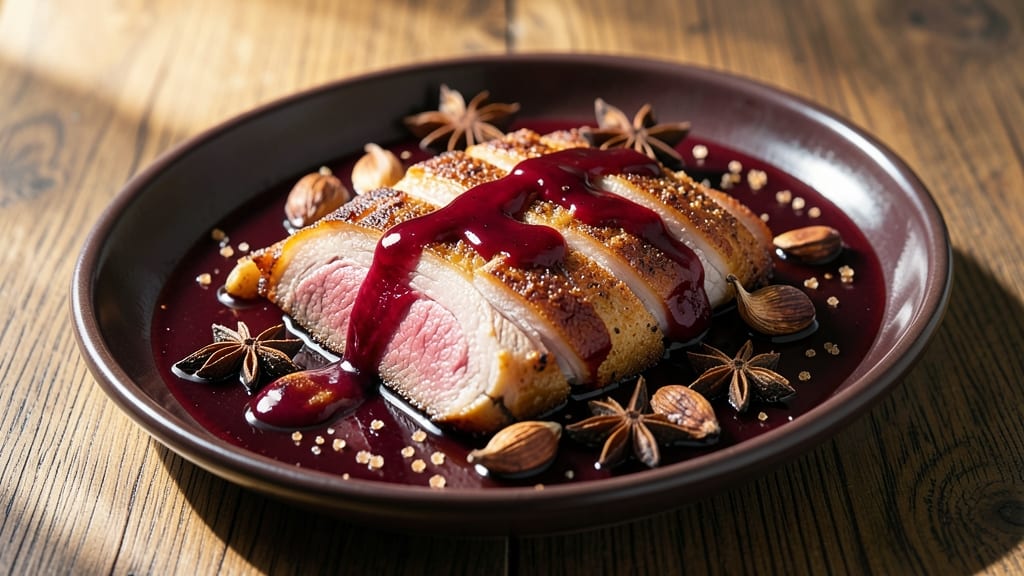
This red-braised pork belly recipe transforms tough cuts into melt-in-your-mouth perfection through a slow, caramelized sauce that deepens in flavor with every hour.
The result is a dish where tender, fatty pork belly absorbs a rich, glossy red sauce infused with star anise, soy, and a touch of sweetness—each bite delivering layers of umami and complexity.
I developed this technique after years of studying traditional Chinese red-cooked methods, adapting them for home kitchens while keeping the restaurant-quality depth intact.
The beauty of braising lies in its patience—pork belly simmers for hours until the connective tissue dissolves into velvety richness, while the sauce reduces to a glossy, sticky finish that clings to every bite.
This method requires minimal active time but delivers maximum flavor, making it perfect for special occasions or when you want to impress without spending hours in the kitchen. The key is balancing sweet and savory ingredients to create that signature deep-red hue and caramelized aroma.
By the time you plate this dish, you'll have golden-brown pork belly slices swimming in a glossy sauce that's both sticky and silky, with a perfect balance of sweetness and umami. The sauce should coat the pork beautifully, creating a dish that's as visually stunning as it is delicious.
Serve with steamed jasmine rice to soak up every last drop of that flavorful sauce, or pair it with stir-fried bok choy for a complete meal.
This recipe isn't just about the pork—it's about the transformation that happens in the pot. The longer it braises, the more complex the flavors become, with the sauce developing a depth that store-bought versions can't match.
Whether you're cooking for a family gathering or treating yourself to a luxurious meal, this red-braised pork belly delivers restaurant-quality results with a technique that's surprisingly approachable for home cooks.
Ingredients for red-braised pork belly
Fourteen ingredients that turn tough pork belly into restaurant-worthy melt-in-your-mouth perfection.
| Ingredient | Amount | Notes |
|---|---|---|
| Pork Belly 🥩 | 2 lb | Skin-on, fatty cut preferred |
| Red Wine 🍷 | 1 ½ cups | Bold dry variety like Cabernet |
| Soy Sauce 🥢 | ½ cup | Japanese-style preferred |
| Brown Sugar 🍯 | ¼ cup | Packed, light brown preferred |
| Star Anise 🌟 | 2 whole | Whole pods for infusion |
| Garlic Cloves 🧄 | 6 cloves | Peeled, smashed slightly |
| Ginger Root 🌿 | 1 ½ tbsp | Freshly grated, peeled |
| Dried Red Chili Peppers 🌶️ | 2 whole | Arbol or guajillo preferred |
| Cinnamon Sticks 🌰 | 1 whole | 1-inch pieces broken off |
| Bay Leaves 🍃 | 2 whole | Dried, standard size |
| Black Vinegar 🍶 | ¼ cup | For tangy depth |
| Vegetable Oil 🫒 | 2 tbsp | For searing pork |
| Salt 🧂 | 1 ½ tsp | Kosher or sea salt |
| Black Peppercorns 🌶️ | 1 tsp | Crushed lightly |
The pork belly is non-negotiable here—fat is flavor, and you want a cut with good marbling. Costco or Whole Foods usually carry the best quality, but any grocery store with a butcher section will work. Look for a piece around 2 lbs with a thick fat layer—it should feel firm but slightly springy. The red wine is where you can splurge if you want (I grab whatever bold Cab is open at the store), but even a cheap bottle will do the trick. Star anise and cinnamon are the secret weapons for that deep, aromatic complexity—Penzeys or the bulk bins at natural markets have the best quality.
No star anise? 1 tsp ground cinnamon plus 1 tsp ground cloves gets you close. Running out of black vinegar? Balsamic vinegar at half the amount works in a pinch, though it won't have the same depth. Fresh ginger is ideal but dried ginger powder at half the amount works if you're in a hurry. The chili peppers can be omitted entirely if you're sensitive to heat—just skip the whole pods. For the soy sauce, Kikkoman or Yamasa are solid choices, but any Japanese-style sauce will work. Pro tip: Toast your cinnamon sticks and whole star anise in a dry pan for 30 seconds before adding to the pot—worth the extra minute for that toasty aroma.
This sauce gets better with time—3-4 days in the fridge is ideal if you can wait. The pork belly will keep 5 days wrapped tightly in the fridge, though it reheats best when you let it come to room temp first. I always make double batches because leftovers reheat into something even more amazing. Freeze portions in airtight containers for up to 3 months—just thaw overnight in the fridge. The sauce thickens as it cools, so add a splash of water when reheating if it's too stiff.
Why You'll Love This Recipe
- One-Pan Magic: I swear by this recipe—just sear the pork belly, toss in the wine and spices, then let it slow-cook while you do anything else. No flipping, no fussing, no extra pots. The star anise infuses the whole dish with warmth, and the pork belly practically melts into tender perfection.
- Wine-Infused Richness: That first sip of red wine in the braise? It’s not just flavor—it’s depth. The acidity cuts through the fatty pork belly while the soy sauce and brown sugar caramelize into a glossy, slightly sticky sauce that’s dangerously addictive. Honestly, I’ve had people ask if I made it from scratch (they won’t believe it’s this easy).
- Leftovers That Shine: This dish begs to be reheated—better, even. The pork belly stays juicy, and the sauce thickens into something even more intense. Pack it for lunch, serve it at dinner, or freeze half for when you’re too tired to cook. My freezer’s full of it, and I’m not complaining.
- Budget-Friendly Luxury: Pork belly feels fancy, but this recipe stretches it into multiple meals without breaking the bank. A splash of wine, a pinch of star anise, and a little sugar transform something simple into a dish that tastes like you slaved over it. Between us? It’s my go-to for feeding a crowd without stressing.
Step-by-step instructions for red-braised pork belly
Here's how to transform fatty pork belly into tender, caramelized perfection with a deep red sauce.
Sear the Pork Belly Until Golden Brown
Pat the 2 lb pork belly completely dry with paper towels—this is crucial for crispy skin. Heat the 2 tbsp vegetable oil in a large Dutch oven over medium-high heat until shimmering. Place the pork belly skin-side down and press gently with a spatula to help it lay flat. Let it sear undisturbed for 8-10 minutes until the skin is deep golden brown and crispy in spots.
Here's the thing—don't move it too soon. You'll know it's ready when the edges start to pull away from the pan. Flip the pork belly and sear the other side for another 5-6 minutes. Remove it from the pot and set it aside on a plate, skin-side up. The rendered fat in the pot is pure gold for your sauce.
Build the Flavor Base with Aromatics
In the same Dutch oven, add the 6 cloves smashed garlic cloves and cook for 30 seconds until fragrant. Add the 1.5 tbsp freshly grated ginger root and cook for another 30 seconds until it releases its aroma. Be careful not to let the garlic burn—it should smell sweet and nutty, not bitter.
Add the 2 whole star anise, 1 whole cinnamon stick broken into pieces, 2 whole dried red chili peppers, and 2 whole bay leaves. Stir everything together and cook for 1 minute to toast the spices. This step develops the complex, aromatic foundation of your braise. The spices will infuse their flavors into the wine and pork as it cooks.
Deglaze with Wine and Reduce
Pour in the 1.5 cups bold red wine and scrape up all those delicious browned bits from the bottom of the pot with a wooden spoon. This deglazing step captures all the meaty flavor that would otherwise stick to the pot. Let the wine simmer for 5-6 minutes until it reduces by about half and becomes syrupy.
Now add the 0.5 cup soy sauce and 0.25 cup packed brown sugar. Stir well to combine, then add the 0.25 cup black vinegar. The vinegar adds a tangy depth that balances the richness of the pork. Let the mixture simmer for another 3-4 minutes until it thickens slightly and coats the back of a spoon.
Braise Until Tender and Sauce Caramelizes
Return the pork belly to the Dutch oven, skin-side up. Add enough water to just cover the pork belly—about 1 cup. The pork belly should be mostly submerged but not completely covered. Bring to a gentle simmer, then reduce heat to low. Cover the pot and let it cook for 2-2.5 hours, turning the pork belly occasionally.
Here's where the magic happens: the pork belly will become fork-tender and the sauce will reduce and caramelize. You'll know it's ready when the meat is falling off the bone and the sauce has thickened to a glossy consistency. The pork belly should register 195-200°F internally when checked with a meat thermometer. If the sauce reduces too quickly, add a splash of water or broth to maintain moisture.
Rest and Serve with Crispy Skin
Once the pork belly is tender, remove it from the pot and let it rest on a cutting board for 10-15 minutes. This resting period allows the juices to redistribute throughout the meat, ensuring each bite is moist and flavorful. During this time, skim any excess fat from the surface of the sauce and adjust the seasoning with the 1.5 tsp salt and 1 tsp crushed black peppercorns if needed.
Slice the pork belly against the grain into ½-inch thick slices. The skin should be crispy and the meat should be so tender it practically melts in your mouth. Serve the pork belly with the rich red sauce spooned over the top. The sauce should coat the meat beautifully, offering a perfect balance of sweet, tangy, and savory flavors. This dish pairs perfectly with steamed jasmine rice or crusty bread to soak up every last drop of that delicious sauce.
Pro Tips For Making Red-Braised Pork Belly
- Brown the Belly First: Skip the "gentle start" myth—sear the pork belly in batches over high heat until deep golden brown. I learned this the hard way: skipping this step means your braise will taste like stew instead of something rich and caramelized. The crust locks in flavor and makes the final dish look restaurant-worthy.
- Deglaze with Wine Now: As soon as you remove the pork, pour in that red wine immediately while the pan is still screaming hot. Let it bubble and reduce by half before adding anything else—this builds the sauce’s depth. I used to add the wine later, and the sauce always tasted flat.
- Don’t Rush the Sugar: Brown sugar burns faster than you think, especially when simmering. Stir it in last and keep the heat low, or you’ll end up with bitter bits instead of that glossy, sweet-savory glaze. If you’re impatient like me, add a splash of water to dissolve it first.
- Star Anise Early: Toss the whole star anise into the pan with the pork during the initial sear—it infuses the fat and meat directly. If you add it later, you’re just flavoring the sauce, not the belly itself. (Yes, you’ll fish it out later, but trust the process.)
Troubleshooting this dish
Sauce Too Thin?
If your sauce isn't thickening enough during braising, reduce the liquid by 10-15% before adding water. Simmer uncovered for 5-10 minutes to evaporate excess moisture, then add ½ cup water if needed. I've found that a Dutch oven with a tight-fitting lid helps trap steam, accelerating reduction.
For extra thickness, whisk in 1 tbsp cornstarch mixed with 2 tbsp cold water at the end. 🌡️
Pork Too Tough?
Undercooked pork belly is the #1 reason for tough results. Use a meat thermometer—it should reach 195-200°F internal temp. If it's not tender after 2.5 hours, extend cooking to 3 hours or add ½ cup water to maintain moisture.
I recommend ThermoWorks Smoke for accuracy. For extra tenderness, score the fat cap in a diamond pattern before braising to help render fat faster.
Skin Not Crispy?
Crispy skin starts with proper searing. Pat the pork belly extra dry and sear skin-side down for 10-12 minutes until deep golden brown. After braising, broil for 2-3 minutes to re-crisp the skin.
For restaurant-style results, place the sliced pork belly on a wire rack over a baking sheet and broil for 1 minute before serving. 🔥
Sauce Too Salty?
Balance excessive saltiness by adding 1 tbsp honey or 1 tsp brown sugar to sweeten the sauce. A splash of rice vinegar (about 1 tsp) also helps cut through saltiness.
If the pork itself is salty, rinse it briefly before searing to remove surface salt. For prevention, reduce soy sauce to ¼ cup if using salty black vinegar.
Flavor Too Mild?
Boost depth by adding 1 tsp fish sauce or ½ tsp MSG to the braising liquid. For extra umami, char the star anise and cinnamon sticks in a dry pan for 30 seconds before adding to the pot.
I also recommend using aged soy sauce (like Japanese tamari) for richer flavor. If the sauce lacks acidity, add ½ tsp citric acid or a squeeze of lemon juice at the end.
Pot Sticking Issues?
Prevent sticking by deglazing thoroughly after searing—use 1.5 cups red wine to scrape up all browned bits. If the pork sticks during braising, add ½ cup water or broth to loosen it.
For stubborn cases, use a spatula to gently lift edges rather than forcing it. A well-seasoned Lodge cast iron Dutch oven helps prevent sticking naturally over time. ⚡
Nutrition facts
Frequently asked questions
Can I use pork shoulder instead of pork belly?
While pork shoulder works, it won't give you the same luxurious texture or crispy skin. Pork belly's fat content is what creates that melt-in-your-mouth tenderness and crispy exterior. If you must substitute, use bone-in pork shoulder and add an extra 30 minutes to the braising time to ensure full tenderness. The sauce will still work beautifully, but the eating experience will differ significantly.
How do I know when the pork belly is fully cooked?
Use a meat thermometer to check the internal temperature—it should reach 195-200°F. The pork belly should be so tender that it practically falls apart with a fork. If you don't have a thermometer, cut into a small corner and check for tenderness. The sauce should also have reduced to a glossy, syrupy consistency. Never rely on time alone—this dish requires precision for perfect results.
Can I make this recipe in a slow cooker?
Yes, but with adjustments! Sear the pork belly first, then transfer it to your slow cooker with all the braising ingredients. Cook on low for 6-7 hours or high for 4-5 hours. The sauce may not reduce as much, so finish it on the stovetop by simmering uncovered for 10-15 minutes to thicken. The slow cooker method is perfect for hands-off cooking but requires extra attention to sauce consistency at the end.
What's the best way to reheat leftovers?
Reheat leftovers in a skillet over medium-low heat with a splash of water or broth to prevent drying. Cover and warm gently for 5-7 minutes, stirring occasionally. For extra crispiness, broil the pork belly slices for 1-2 minutes after reheating. Never microwave—it makes the pork belly rubbery and the sauce watery. Always let the dish come to room temperature before reheating for even results.
Can I make this dish ahead of time?
This recipe actually tastes better the next day! The flavors deepen as the sauce continues to meld. Store the pork belly and sauce in an airtight container in the fridge for up to 5 days. Reheat gently as described above. For longer storage, freeze portions for up to 3 months. The sauce will thicken further when chilled, so add a splash of water when reheating if needed.