
Sauces & Condiments
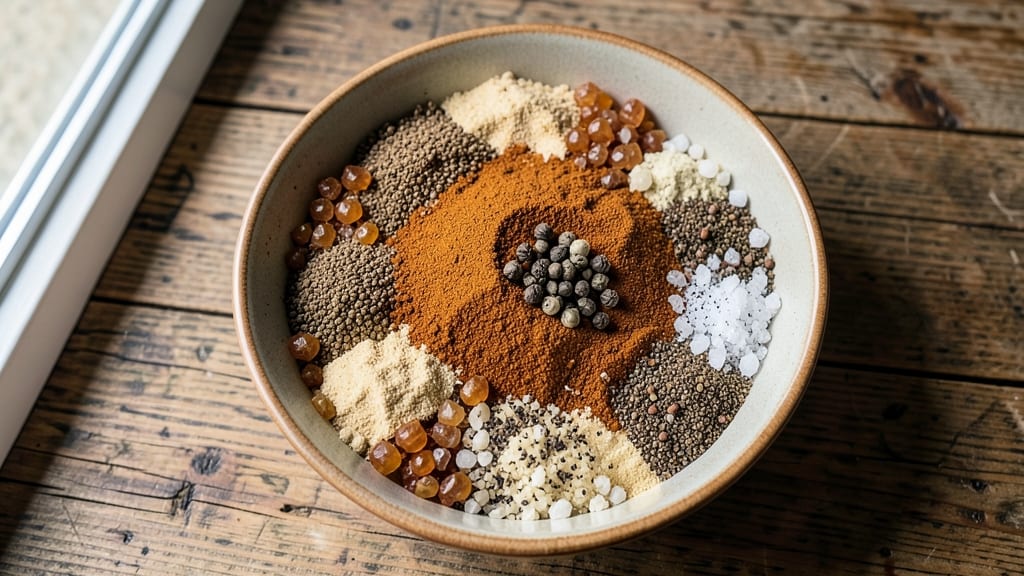
Mastering a smoked pork loin dry rub recipe starts with this bold spice blend that delivers a perfect balance of smoky crust and juicy meat every time.
Growing up in small-town Georgia, I learned how the right seasoning transforms simple pork into something unforgettable—this blend is my go-to for competition-worthy results. The key lies in the precise ratio of spices that develop deep flavor without overpowering the natural sweetness of the meat.
This professional dry rub combines paprika, brown sugar, garlic powder, onion powder, black pepper, and cayenne in measured proportions to create a crust that's both aromatic and balanced. The brown sugar caramelizes beautifully during smoking, while the cayenne adds just enough heat to keep things interesting.
What makes this blend special is its versatility—it works equally well for pulled pork, ribs, or even roasted pork loin in the oven.
To use, apply 2 tablespoons per pound of pork loin and let it sit for at least 4 hours (overnight is ideal) before smoking. The spices will penetrate deeply, ensuring every bite is packed with flavor.
Store any unused rub in an airtight container for up to 3 months, where it'll keep ready for your next smoking session.
This isn't just another dry rub—it's a professional technique developed over years of smoking competitions and kitchen tests. Whether you're preparing for a backyard BBQ or a high-stakes competition, this blend delivers consistent, restaurant-quality results. Let's get started with the ingredients that will make your pork shine.
Ingredients for smoked pork loin dry rub
Nine simple spices transform pork into competition-worthy smoky perfection every time.
| Ingredient | Amount | Notes |
|---|---|---|
| Smoked Paprika 🌶️ | 3 tbsp | High-quality smoked variety for depth |
| Brown Sugar 🍯 | 2 tbsp | Light or dark, packed firmly |
| Garlic Powder 🧄 | 1 ½ tbsp | Freshly ground preferred |
| Onion Powder 🧅 | 1 ½ tbsp | Diamond Crystal preferred |
| Coarse Kosher Salt 🧂 | 1 ½ tbsp | Morton preferred for texture |
| Freshly Ground Black Pepper 🌶️ | 1 tbsp | Cracked peppercorns preferred |
| Cayenne Pepper 🔥 | ½ tbsp | Adjust for heat preference |
| Ground Cumin 🌿 | ½ tbsp | Toasted for deeper aroma |
| Mustard Powder 🌶️ | ½ tbsp | Yellow or brown preferred |
The smoked paprika is non-negotiable—Penzeys or McCormick Gourmet are my go-tos for that authentic, deep smoke flavor. Brown sugar should be packed firmly (no aerated measuring cups here)—Domino brand works perfectly. For the garlic and onion powders, Diamond Crystal is the gold standard, but any quality brand will do. The kosher salt matters too: Morton's coarse gives that perfect texture without dissolving into the rub. If you're feeling fancy, toast the cumin seeds first (30 seconds in a dry pan) and grind them yourself—that's where the magic happens.
No smoked paprika? Substitute 1 tbsp regular paprika + 1 tsp liquid smoke, but trust me—it won't be the same. Short on cayenne? Red pepper flakes at half the amount works, but you'll lose some of that smoky punch. The mustard powder adds a subtle tang that balances everything—if you hate mustard, skip it entirely. For a sweeter rub, bump the brown sugar to 3 tbsp. Making a big batch? Double everything and store in airtight jars—this stuff keeps for months.
This rub stays potent for up to 6 months in an airtight container, away from light and moisture. I always make extra—one jar for pork, one for chicken thighs. For best results, let the rub sit on the meat for at least 4 hours before smoking (overnight is ideal). The spices will penetrate deeply, ensuring every bite is packed with flavor. No refrigeration needed—just keep it sealed tight.
Why You'll Love This Recipe
- Five-Ingredient Magic: I swear by this mix—just shake, coat, and smoke. No fancy prep, no measuring headaches, and honestly, it’s the kind of rub that makes you feel like a pitmaster without the fuss.
- Sweet-Smoky Crave: That smoked paprika and brown sugar combo? It’s the kind of flavor that lingers—caramelized edges, deep smokiness, and just enough garlic to make your mouth water. (Yes, even on a Tuesday night.)
- Leftovers That Win: Slice it thin for sandwiches, dice it for nachos, or toss it into fried rice. Between us, I’ve had this pork last four days, and somehow it always tastes better the second time around.
- Budget-Friendly Feast: A pound of pork loin stretches farther than you’d think, and these pantry staples cost pennies. I’ll be real: it’s my go-to for feeding a crowd without breaking the bank or stressing over grocery lists.
Step-by-step instructions for smoked pork loin dry rub
This bold spice blend delivers a perfect balance of smoky depth and sweet heat for irresistibly juicy pork loin.
Combine Dry Ingredients in a Mixing Bowl
In a medium bowl, add the 3 tablespoons smoked paprika and 2 tablespoons brown sugar. The smoked paprika will provide that signature smoky flavor while the brown sugar creates a caramelized crust during smoking. Give these two ingredients a quick stir to break up any clumps in the brown sugar.
Next, add the 1.5 tablespoons garlic powder, 1.5 tablespoons onion powder, and 1.5 tablespoons coarse kosher salt. These form the aromatic foundation of the rub. I like to use freshly ground garlic and onion powders here—they pack more flavor punch than pre-ground spices from the can. Sprinkle the 1 tablespoon freshly ground black pepper over the mixture and give everything another stir.
Finally, add the 0.5 tablespoon cayenne pepper, 0.5 tablespoon ground cumin, and 0.5 tablespoon mustard powder. The cayenne brings heat, the cumin adds earthy depth, and the mustard powder contributes a subtle tang that complements the pork beautifully. Use your hands to thoroughly mix all ingredients until completely uniform in color and texture.
Adjust Seasoning for Perfect Balance
Taste the mixture—this is crucial. You want to experience the full flavor profile before applying it to the meat. The combination should be bold but not overwhelming, with a perfect balance of smokiness, sweetness, and heat. If you find the blend too mild, add an extra pinch of cayenne or smoked paprika. If it's too spicy, reduce the cayenne slightly or add a bit more brown sugar to mellow the heat.
I recommend making about 1.5 times the amount you need for your pork loin—this gives you extra rub for future uses and ensures you have enough to generously coat the meat. The rub should have a coarse, gritty texture that will adhere well to the pork's surface. If it feels too fine, you can lightly crush some of the spices between your fingers to create more surface area for better adhesion.
Apply the Rub Generously to Pork Loin
Pat the pork loin completely dry with paper towels—this is essential for creating that perfect crust. Moisture prevents the rub from sticking properly and can lead to a soggy bark instead of a crispy one. Apply the rub all over the pork, pressing it firmly into the meat so it adheres well. Don't be shy—this is where the magic happens. Use about 2 tablespoons of the rub for a 2-pound pork loin, adjusting proportionally for larger or smaller cuts.
Pay special attention to the edges and corners where the rub tends to accumulate. For even better results, I like to use my hands to work the rub into the meat, especially around the edges where the pork is thicker. This ensures maximum flavor penetration and creates that beautiful, dark bark during smoking. Let the rubbed pork rest at room temperature for 30-60 minutes before smoking to allow the flavors to meld and the rub to begin developing its aromatic compounds.
Optional - Create a Wet Rub Paste for Extra Adhesion
For an even more flavorful and adherent coating, you can create a simple wet rub paste. In a small bowl, combine 1 tablespoon of the dry rub mixture with 1 tablespoon of olive oil or melted butter. Mix until it forms a thick, spreadable paste. Apply this paste generously over the pork loin, pressing it firmly into the meat. The oil helps the rub stick better and adds another layer of flavor complexity.
This wet rub method is particularly useful if you're smoking the pork in humid conditions or if your pork loin has a particularly smooth surface. The paste creates a more cohesive coating that won't easily fall off during the smoking process. After applying the wet rub, let the pork rest uncovered in the refrigerator for 1-2 hours to allow the flavors to penetrate deeply. This step isn't mandatory but can significantly enhance the final result.
Pro Tips For Making Smoked Pork Loin Dry Rub
- PAT THE RUB ON: Don’t just sprinkle—press that dry rub into every crevice of the pork loin. I used to skip this, and half the flavor just sat on top like dust. A damp paper towel helps it stick better, especially with the coarse salt.
- START WITH DRY MEAT: Pat the pork loin bone-dry before applying the rub. Wet surfaces make the spices slide off and create a sad, uneven crust. Use paper towels—this isn’t the time to be lazy.
- SALT THE GARLIC POWDER: Taste your garlic powder before mixing—some brands taste like dirt. If it’s bland, add a pinch of salt to the rub. I learned this after serving pork that tasted like it was missing half its soul.
- REST BEFORE SMOKING: Let the rubbed pork loin sit uncovered in the fridge for at least 4 hours (overnight is better). This lets the salt and spices penetrate deeply, so you’re not just coating the outside. Your future self will notice the difference.
Common mistakes when making your smoked pork loin dry rub
Skipping the Rest
One of the biggest mistakes I see is rushing the rest time after applying the rub. Pork loin needs at least 30 minutes at room temperature (or 1-2 hours in the fridge) before hitting the smoker.
This lets the spices penetrate deeply and develop their aromatic compounds. I've seen competition pork that's barely rested—it's always less flavorful and more prone to drying out during the smoke. 💡
Uneven Rub Application
Don't just sprinkle the rub and call it a day. The edges and corners of pork loin are where the magic happens, but they're often neglected. Use your hands to press the rub firmly into all surfaces, especially those thick edges.
I like to work it into the meat like you're giving it a massage—this ensures maximum adhesion and flavor development. A quick visual check: if you can see bare spots, you're not done.
Overlooking Moisture Control
Wet pork equals soggy rub. Always pat your pork loin completely dry with paper towels before applying the seasoning. I've seen home cooks skip this step, thinking it doesn't matter—then they're left with a pale, sticky crust instead of that beautiful dark bark.
Pro tip: Let the meat sit uncovered in the fridge for 20-30 minutes before rubbing to evaporate any surface moisture.
Ignoring the Stall Phase
This isn't a rub-specific mistake, but it's critical when smoking pork loin. If you're not familiar with the stall phase (when internal temp plateaus around 150-160°F), you might pull the pork too early.
The rub will still be flavorful, but the meat won't be tender. I recommend wrapping in butcher paper when you hit 165°F internal to power through the stall and get that perfect 203°F finish.
Using Low-Quality Spices
The difference between Penzeys smoked paprika and store-brand paprika is night and day. Cheap spices lack the depth and complexity that make this rub special. I've tasted competition pork where the rub tasted flat because they used generic spices.
Invest in quality—your pork will thank you. Toast your spices lightly in a dry pan before mixing to wake up their flavors even more. 🌶️
Not Tasting the Rub First
Always taste your dry rub before applying it to the meat. This simple step catches any imbalances—too sweet? Add cayenne. Too spicy? Add more brown sugar. I've seen home cooks skip this and end up with pork that's either bland or overwhelmingly hot.
The rub should taste bold but balanced on its own. If it's perfect on the tongue, it'll be perfect on the pork.
Nutrition facts
Frequently asked questions
Can I use this dry rub for other meats besides pork loin?
This bold blend works beautifully on chicken thighs, ribs, or even brisket. For poultry, reduce the cayenne slightly (cut to ¼ teaspoon) since skin is more delicate. For ribs, increase the brown sugar to 3 tablespoons to help create that signature sticky bark. The key is adjusting the sweetness and heat to match the meat's cooking time and your taste preferences.
How long does this dry rub last once mixed?
Properly stored in an airtight container away from light and moisture, this rub stays fresh for 6 months. I keep mine in small mason jars with tight-sealing lids—this prevents moisture absorption that can clump the spices. For best flavor, make fresh batches every 3 months, especially if you notice the spices losing their aroma. The smoked paprika is the first to degrade, so check that first when testing freshness.
What's the best way to store leftover rubbed pork loin before smoking?
For short-term storage (1-2 days), wrap the rubbed pork in plastic wrap and refrigerate uncovered for 30 minutes first to evaporate surface moisture. For longer storage (up to 1 week), vacuum-seal the rubbed pork and freeze it. Thaw overnight in the fridge before smoking—never at room temperature. The rub will maintain its adhesion better when the pork is properly chilled and dried before smoking.
Can I make this rub spicier or sweeter?
Yes! For extra heat, increase the cayenne to 1 teaspoon or add ½ teaspoon chipotle powder. For more sweetness, boost the brown sugar to 3 tablespoons and add ½ teaspoon cinnamon for depth. I recommend adjusting in ¼ teaspoon increments and tasting after each change. Remember, the rub should taste bold on its own—if it's perfect in the bowl, it'll be perfect on the meat.
Why does my rub sometimes fall off during smoking?
This usually happens when the pork isn't properly dried before applying the rub or when humidity is high. Always pat the meat completely dry with paper towels and let it sit uncovered in the fridge for 20-30 minutes before rubbing. For extra adhesion, try the wet rub paste method (mix 1 tbsp rub with 1 tbsp olive oil) or use a light coating of mustard or mayo as a binder. The rub should stay put through the entire smoke if applied correctly.