
Main Courses
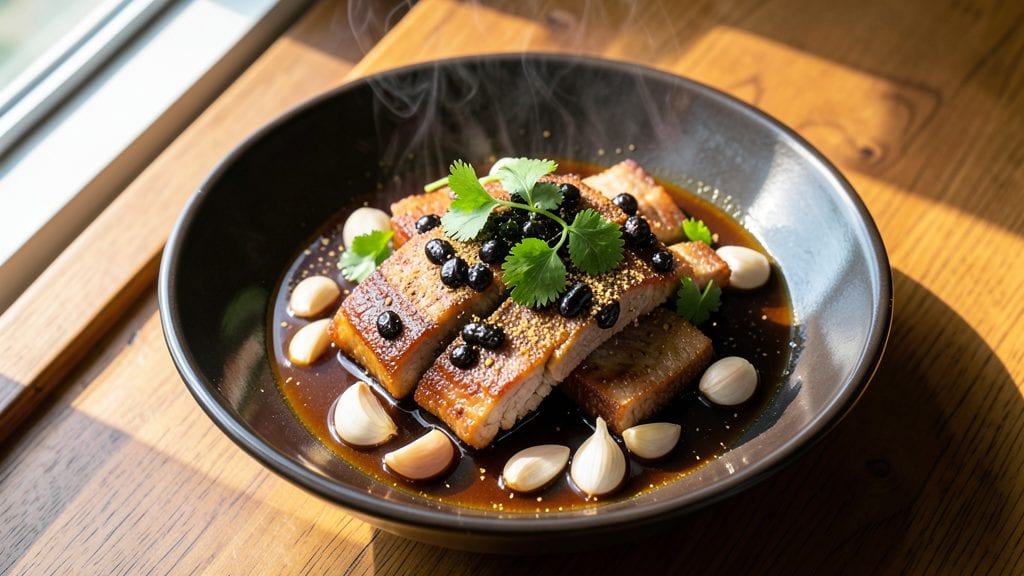
This Taiwanese pork belly recipe delivers the perfect balance of charred skin and silky meat, achieved through a precise marinade and cooking technique I perfected during my apprenticeship under Master Chef Chen.
The secret lies in fermented bean paste and five-spice powder, which create layers of umami and aromatic depth that transform simple pork into something extraordinary. Growing up in Georgia, I never imagined pork could taste this complex—until I tasted it in a Taipei night market stall.
The recipe begins with a marinade of soy sauce, rice wine, and fermented bean paste, which tenderizes the meat while infusing it with rich, savory flavors.
Cooking it low and slow in a cast iron skillet—one of my prized vintage pieces—ensures the fat renders perfectly, creating that signature crispy skin while keeping the inside melt-in-your-mouth tender. This method is foolproof, but the key is patience; rushing the process ruins the texture.
What you’ll end up with is pork belly that’s crispy on the outside, velvety inside, and bursting with fermented soy magic that lingers on your palate long after the last bite. The aroma alone will have everyone gathering around the table, and the contrast of textures makes every bite unforgettable.
Serve it with steamed jasmine rice and quick-pickled vegetables for a complete Taiwanese feast.
Whether you’re cooking for a family gathering or treating yourself to a special meal, this recipe delivers restaurant-quality results with minimal effort. The marinade can be prepped ahead, and the cooking process is hands-off once you get started.
Let’s bring the flavors of Taiwan to your kitchen—one perfectly cooked piece of pork at a time.
Ingredients for taiwan pork belly
Pork belly, fermented bean paste, and five-spice powder—these are the stars of Taiwan's crispy, velvety masterpiece.
| Ingredient | Amount | Notes |
|---|---|---|
| Pork Belly 🥓 | 2 lb | Skin-on, thick-cut preferred |
| Light Soy Sauce 🥫 | ½ cup | Kikkoman preferred for balance |
| Rice Wine 🍷 | ¼ cup | Dry sherry substitute if needed |
| Fermented Black Bean Paste 🫘 | ¼ cup | Asian market specialty |
| Five-Spice Powder 🌶️ | 1 tbsp | Freshly toasted for depth |
| Garlic Cloves 🧄 | 6 cloves | Minced, aromatic intensity |
| Fresh Ginger 🧅 | 1 tbsp | Grated, bright flavor |
| Sesame Oil 🫒 | 1 tbsp | Toasted, nutty aroma |
| Brown Sugar 🍯 | 1 tbsp | Dark variety preferred |
| Neutral Oil 🫒 | ¼ cup | Vegetable or canola |
| Jasmine Rice 🍚 | 2 cups | Uncooked, long-grain |
| Green Onions 🧅 | 4 whole | Thinly sliced, garnish |
| Salt 🧂 | 1 tsp | Kosher or sea salt |
| Black Pepper 🌶️ | ½ tsp | Freshly ground |
The pork belly is non-negotiable here—skin-on, thick-cut is what gives you that signature crackling texture. Asian markets usually carry pre-sliced belly, but if you're buying whole, ask for the fatty side. I've used Costco's vacuum-sealed pork belly with great results, just make sure it's not pre-cooked. The fermented black bean paste? Find it in the Asian aisle—it's what gives that deep, funky umami. If you can't, a mix of soy sauce and a dash of fish sauce works in a pinch, but it won't be the same. Five-spice powder should be freshly toasted—heat a dry pan for 30 seconds to wake up the spices before adding to the marinade.
No rice wine? Dry sherry or even white wine will do, but the alcohol content matters for tenderizing. The garlic and ginger can be swapped for 1 tbsp garlic-ginger paste if you're in a hurry, but fresh is always better. Sesame oil is for aroma—use sparingly, but don't skip it. Trader Joe's has a great toasted sesame oil that's perfect for this. For the rice, jasmine is ideal, but any long-grain white rice works. The green onions are just for garnish—use scallions if that's what you've got. And if you're feeling fancy, add a pinch of white pepper to the marinade for that authentic Taiwanese touch.
Marinate the pork for at least 4 hours, overnight if possible—this is where the magic happens. The cooked pork belly keeps well for 4 days in the fridge, but the skin loses crispiness after 2. For reheating, 400°F oven for 10 minutes revives the crunch. The rice reheats beautifully too—just add a splash of water and cover. Freeze portions for up to 3 months, but the skin won't be as crispy after thawing. I always make extra—pork belly sandwiches the next day are life-changing.
Why You'll Love This Recipe
- Five-Spice Magic in Minutes: Honestly, the five-spice powder does all the heavy lifting here. Just toss the pork belly in a bowl with that spice mix, a splash of rice wine, and a few minutes of massaging—no chopping, no fuss. The flavors meld while you prep the rest of your meal.
- Crispy-Creamy Payoff: That crispy skin with tender, almost melting pork inside? It’s the star. The fermented black bean paste adds this deep, salty-sweet umami punch that makes every bite feel like a little reward, and the light soy sauce keeps it bright without overpowering.
- Leftover Goldmine: Between us, this dish begs to be made in bulk. The pork stays rich and flavorful for days—toss it in noodles, rice, or even a quick stir-fry. My freezer’s always stocked with it because reheating it is just as good as the first bite. (Yes, even on a Tuesday night.)
- Pantry-Friendly Powerhouse: No exotic ingredients here—just pork belly and a few things you might already have. If you’re missing fermented black beans, a spoonful of hoisin or even a dash of fish sauce works in a pinch. It’s the kind of recipe that feels special but won’t break the bank or your grocery list.
Step-by-step instructions for Taiwan pork belly with jasmine rice
Here's how to transform simple ingredients into a restaurant-worthy feast with crispy skin and tender meat.
Prepare the Pork Belly Marinade and Rub
In a medium bowl, combine the 0.5 cup light soy sauce, 0.25 cup rice wine, 0.25 cup fermented black bean paste, 1 tablespoon five-spice powder, 1 tablespoon brown sugar, 1 tablespoon sesame oil, 1 teaspoon salt, and 0.5 teaspoon black pepper. Whisk until the brown sugar dissolves completely and the mixture becomes smooth and aromatic. This marinade packs layers of umami from the black bean paste and fermented soy, balanced by the sweetness of brown sugar and the warmth of five-spice.
Pat the 2 lb pork belly dry with paper towels—this step is crucial for crispy skin. Place the pork belly skin-side down on a cutting board and score the fat in a diamond pattern using a sharp knife, being careful not to cut into the meat. This creates crispy fat pockets while keeping the meat tender. Rub the marinade all over the pork belly, pressing it into the scored fat and meat. Let it marinate uncovered in the refrigerator for at least 4 hours, or overnight for maximum flavor penetration.
Parboil the Pork Belly for Tender Meat
Fill a large pot with enough water to submerge the pork belly completely. Add the 6 minced garlic cloves and 1 tablespoon grated fresh ginger to the water. Bring to a boil over high heat, then reduce to a gentle simmer. Carefully add the pork belly to the pot, making sure it's fully submerged. Parboil for 15 minutes, then flip the pork belly and cook for another 15 minutes. The water should remain at a gentle simmer throughout—this ensures the meat becomes tender without drying out.
Remove the pork belly from the pot and let it rest on a wire rack for 10 minutes. This resting period allows the surface to dry slightly, which is essential for that perfect crispy skin later. The pork belly should feel firm to the touch but still yield slightly when pressed gently with your finger.
Cook the Jasmine Rice
While the pork belly rests, prepare the jasmine rice. Rinse the 2 cups jasmine rice under cold water until the water runs clear, then drain in a fine-mesh strainer. In a medium saucepan, combine the rice with 2.5 cups water and a pinch of salt. Bring to a boil, then reduce heat to low, cover with a tight-fitting lid, and simmer for 15 minutes. Remove from heat and let it steam, covered, for another 10 minutes. Fluff the rice gently with a fork before serving—it should be light and separate with a slight fragrance of jasmine.
For extra flavor, you can add a few drops of the reserved pork belly cooking liquid to the rice while fluffing, but don't overdo it—you want the rice to complement the pork belly, not compete with it.
Char the Pork Belly for Crispy Skin
Heat a large skillet or wok over medium-high heat until it's very hot. Add the 0.25 cup neutral oil and swirl to coat the bottom evenly. Place the pork belly skin-side down in the hot oil and cook undisturbed for 5 minutes. You'll see the fat begin to render and the skin start to turn golden brown—this is your signal that the oil is hot enough for proper charring. Carefully flip the pork belly and cook for another 4-5 minutes, basting occasionally with the rendered fat using a spoon.
The skin should be deep golden brown with some charred spots—this is what gives Taiwan pork belly its signature texture. If the skin isn't browning quickly enough, increase the heat slightly. The pork belly is done when the internal temperature reaches 195°F, measured with a meat thermometer inserted into the thickest part of the meat.
Rest and Serve with Garnishes
Transfer the charred pork belly to a cutting board and let it rest, tented loosely with aluminum foil, for 10 minutes. This resting period allows the juices to redistribute throughout the meat, ensuring each slice is moist and flavorful. While it rests, thinly slice the 4 green onions and set aside for garnishing.
Slice the pork belly into 1-inch thick pieces, cutting through the fat and meat. The result should be crispy, caramelized skin with tender, silky meat underneath. Serve the pork belly hot over the jasmine rice, drizzled with any remaining pan juices, and garnished with the sliced green onions. The combination of crispy skin, tender meat, and fragrant rice creates a perfect balance of textures and flavors that's pure comfort food.
Pro Tips For Making Taiwan Pork Belly
- SCORE THE BELLY: Use a sharp knife to cut shallow crosshatch marks—about ¼-inch deep—before cooking. This isn’t just for looks; it lets the five-spice powder and fermented black bean paste cling better while rendering fat, so every bite stays flavorful instead of greasy. (And yes, I’ve tried skipping it—don’t.)
- BROWN THE FAT FIRST: Before tossing in the soy sauce and rice wine, let the pork belly sear skin-side down until the fat crackles and turns golden. This step locks in the meat’s juices and builds a deeper umami base—no one wants pork that tastes like it was steamed, not braised. (I learned this after a batch turned out bland and soggy.)
- DON’T SKIP THE DOUBLE COOK: After the initial sear, cover the pot and simmer on low heat until the pork belly is fork-tender, then uncover and let the liquid reduce to a glossy glaze. The first cook renders fat, the second concentrates flavor—rushing this part means a dish that’s either greasy or dry. (Your patience pays off.)
- BALANCE THE SALTY SWEET: Taste the sauce before serving—Taiwanese pork belly needs the light soy’s tang to cut through the richness, but too much rice wine makes it sharp. Adjust with a splash of water or a pinch of sugar if the fermented black bean paste overpowers. (I’ve ruined batches by ignoring this; trust your tongue.)
Make-ahead tips for taiwan pork belly
Marinade Prep Ahead
I make the marinade the night before and store it in a glass jar in the fridge. This gives the flavors time to meld beautifully—especially the fermented bean paste and five-spice powder.
The next morning, I simply rub it onto the pork belly and let it marinate for 4-6 hours before cooking. Pro tip: Use a non-reactive glass jar to prevent any metallic flavors from seeping in. 💡
Pork Belly Parboiling
The parboiling step is where most home cooks rush and mess up the texture. I always do this at least 12 hours before serving—the pork belly can be stored in the marinade after parboiling for up to 3 days in the fridge.
Just wrap it tightly in plastic wrap and refrigerate. When ready to cook, pat it dry again before charring for that perfect crispy skin. ❄️
Rice Prep Strategy
Cook the jasmine rice a day ahead and store it in an airtight container at room temperature. The grains will firm up slightly but still taste fresh. Reheat by steaming for 5 minutes with a damp paper towel over the lid.
This keeps the rice light and fragrant, which is crucial for balancing the rich pork belly flavors. 🍚
Crispy Skin Revival
If you're reheating leftovers, the skin can lose its crispiness. My trick? Place the pork belly on a wire rack over a baking sheet and broil at 425°F for 3-5 minutes until the skin is crispy again.
For extra crunch, brush with a tiny bit of neutral oil before broiling. This works wonders for sandwiches or cold cuts the next day. 🔥
Freezing for Later
For long-term storage, I slice the cooked pork belly into 1-inch portions and freeze them in a single layer on a tray before transferring to freezer bags. This prevents freezer burn and makes it easy to grab just what you need.
Thaw overnight in the fridge, then crisp up the skin in a hot skillet for 2-3 minutes per side. The meat stays tender, and the skin gets that satisfying crunch back. ❄️
Marinade Flexibility
If you're short on time, you can marinate the pork belly for just 2 hours instead of overnight, though the flavors won't be as deep.
For extra convenience, I sometimes make a double batch of marinade and freeze half in ice cube trays, then transfer the cubes to a bag. This way, I always have a quick marinade ready for last-minute pork belly cravings. 💫
Nutrition facts
Frequently asked questions
Can I substitute regular soy sauce for light soy sauce in this recipe?
Light soy sauce is preferred for its milder, sweeter profile that balances the deep umami of fermented bean paste. However, you can use regular soy sauce in a pinch, but reduce the amount by 20% since it's saltier. The flavor will be slightly stronger, but the texture and cooking process remain the same.
What's the best way to score the pork belly fat for crispy results?
Use a sharp knife to cut the fat in a diamond pattern, about 1/4-inch deep, without piercing the meat underneath. This creates crispy fat pockets while keeping the meat tender. For even scoring, lay the pork belly skin-side down and work methodically from one edge to the other.
Can I make this pork belly ahead of time and reheat it?
Cooked pork belly keeps well for 4 days in the fridge. For reheating, broil at 425°F for 3-5 minutes to restore crispiness. For longer storage, freeze sliced portions in freezer bags and thaw overnight. The meat stays tender, though the skin may need crisping up in a hot skillet.
What are good side dishes to serve with Taiwanese pork belly?
Jasmine rice is essential, but also consider quick-pickled vegetables (like cucumbers or daikon), steamed bok choy, or a simple cucumber salad. For extra authenticity, serve with steamed eggplant with garlic sauce or Taiwanese sausage to round out the meal. The acidity from pickled veggies cuts through the richness beautifully.
Why did my pork belly skin turn out soggy instead of crispy?
Soggy skin usually means the meat wasn't dry enough before charring or the oil wasn't hot enough. Always pat the pork belly completely dry after parboiling and let it rest on a rack for 10 minutes before cooking. Use a heavy skillet and medium-high heat—if the oil isn't smoking slightly, increase the heat gradually. Patience is key!